Wolken — History & Analysis
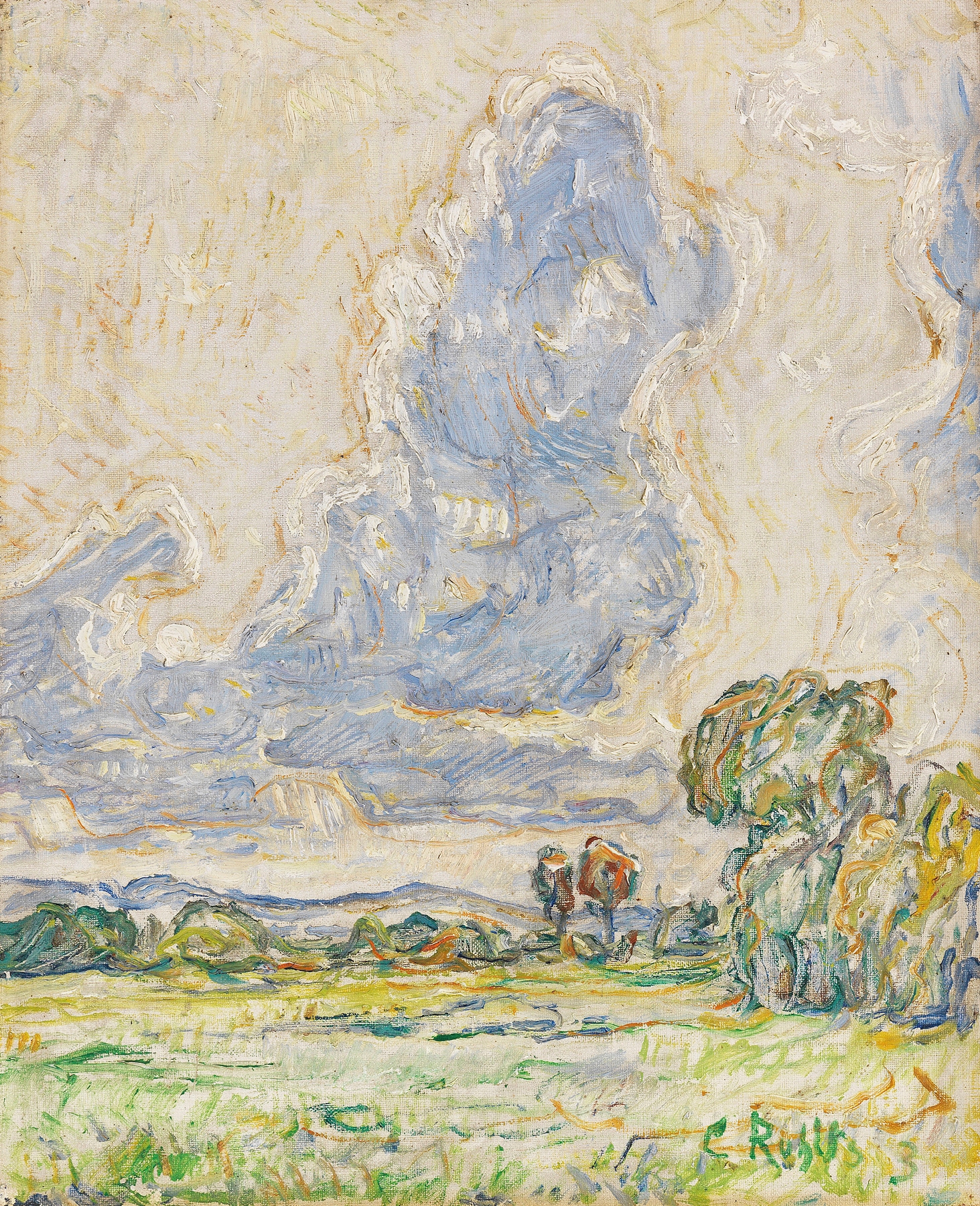
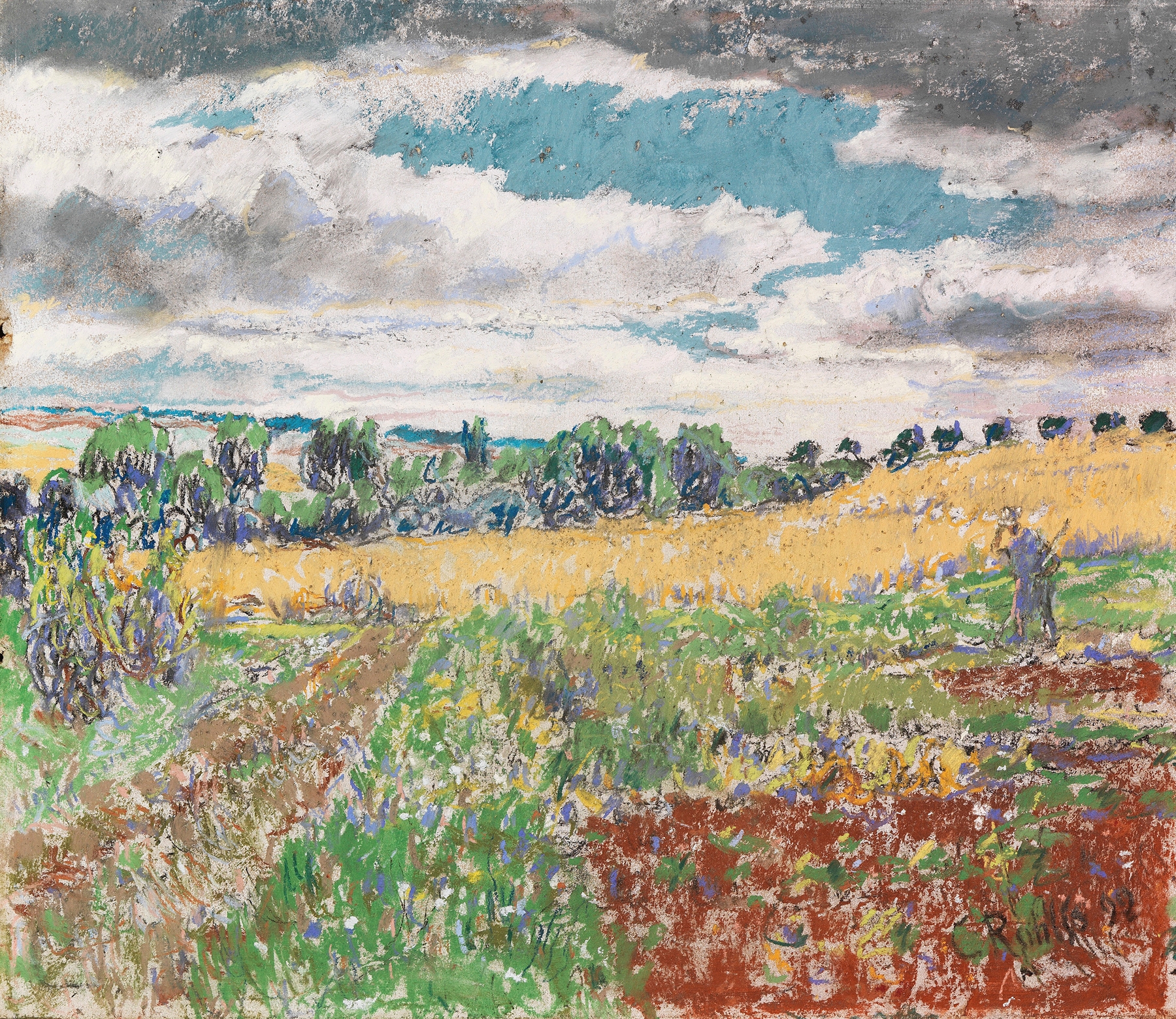
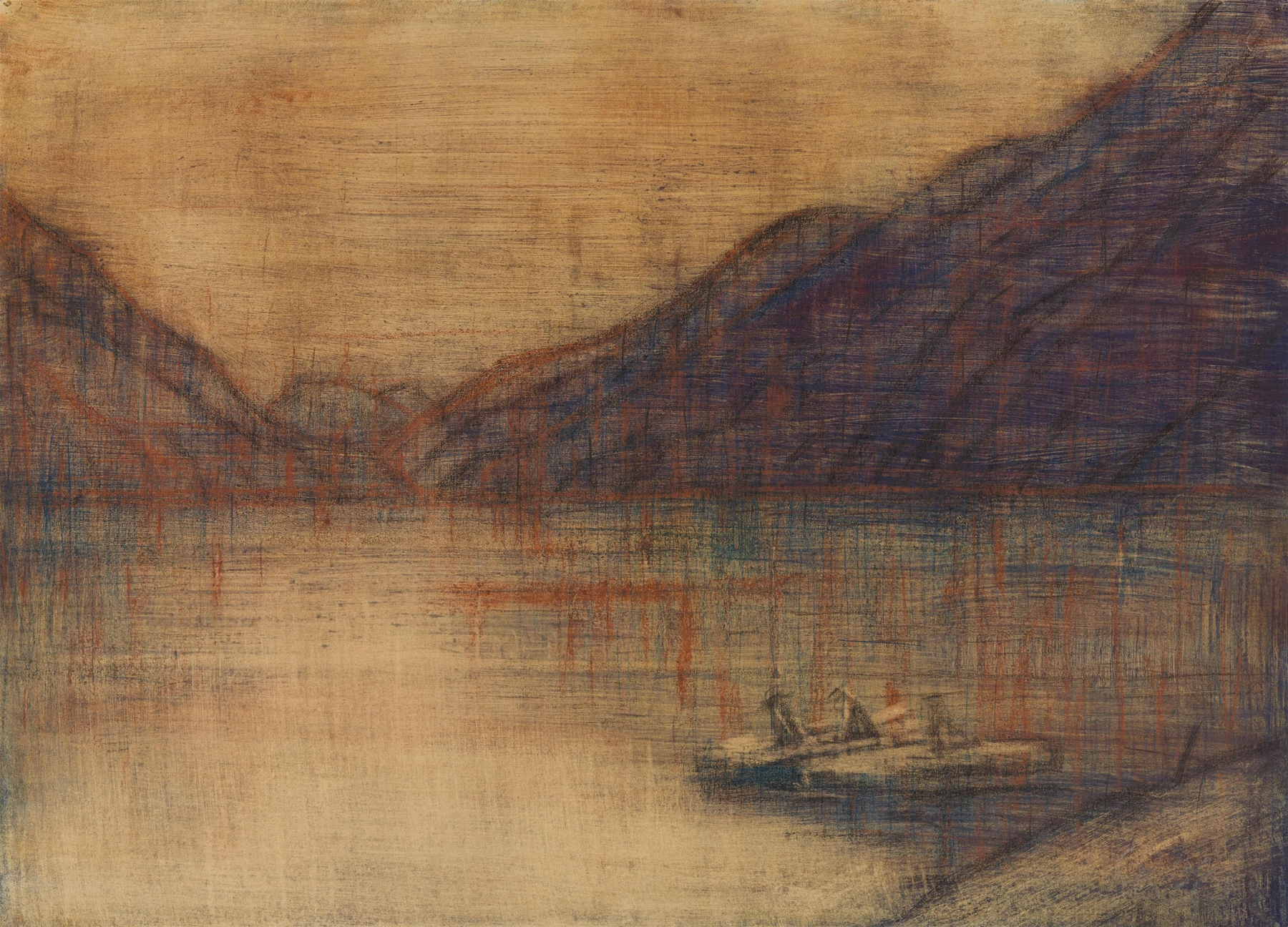
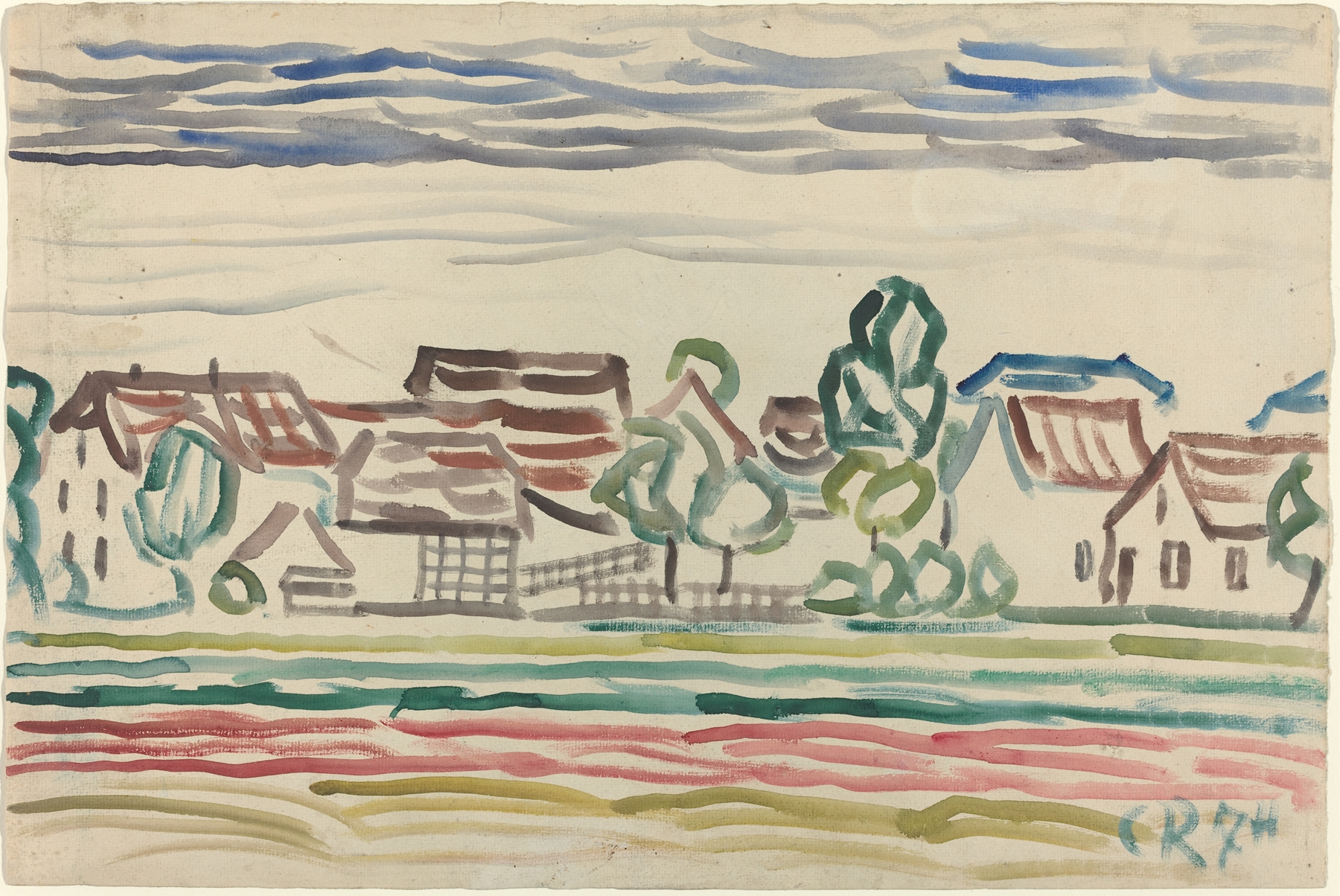
“Every brushstroke is a heartbeat remembered.” In Wolken, the essence of revelation unfurls, beckoning the viewer into a world where the sky speaks in whispers of color. Look to the center of the canvas where delicate swirls of blue and white dance together, creating a tumultuous sky that feels both alive and transient. The artist employs expressive strokes to give the clouds a textured volume, as if they are breathing. Notice how the deep azure contrasts with the soft whites, allowing light to filter through in a way that seems to invite contemplation, drawing the eye deeper into its dreamlike depths.
Yet beneath this atmospheric beauty lies a profound tension. The turbulent clouds reflect an emotional landscape, a metaphor for the inner conflicts of existence. Rohlfs embraces the duality of serenity and chaos, suggesting that moments of revelation often emerge from strife. The bold colors evoke not only nature’s majesty but also its unpredictability, reminding us of the fleeting nature of beauty and understanding.
In 1899, Christian Rohlfs painted this work during a time of personal exploration and artistic evolution. Living in Germany, he was influenced by the burgeoning Expressionist movement, which sought to capture emotion over realism. His innovative approach to color and form distinguished him from his contemporaries, marking a significant step in his journey as an artist, as he sought to reveal deeper truths about the human experience through nature.