Wolkenstudie — History & Analysis
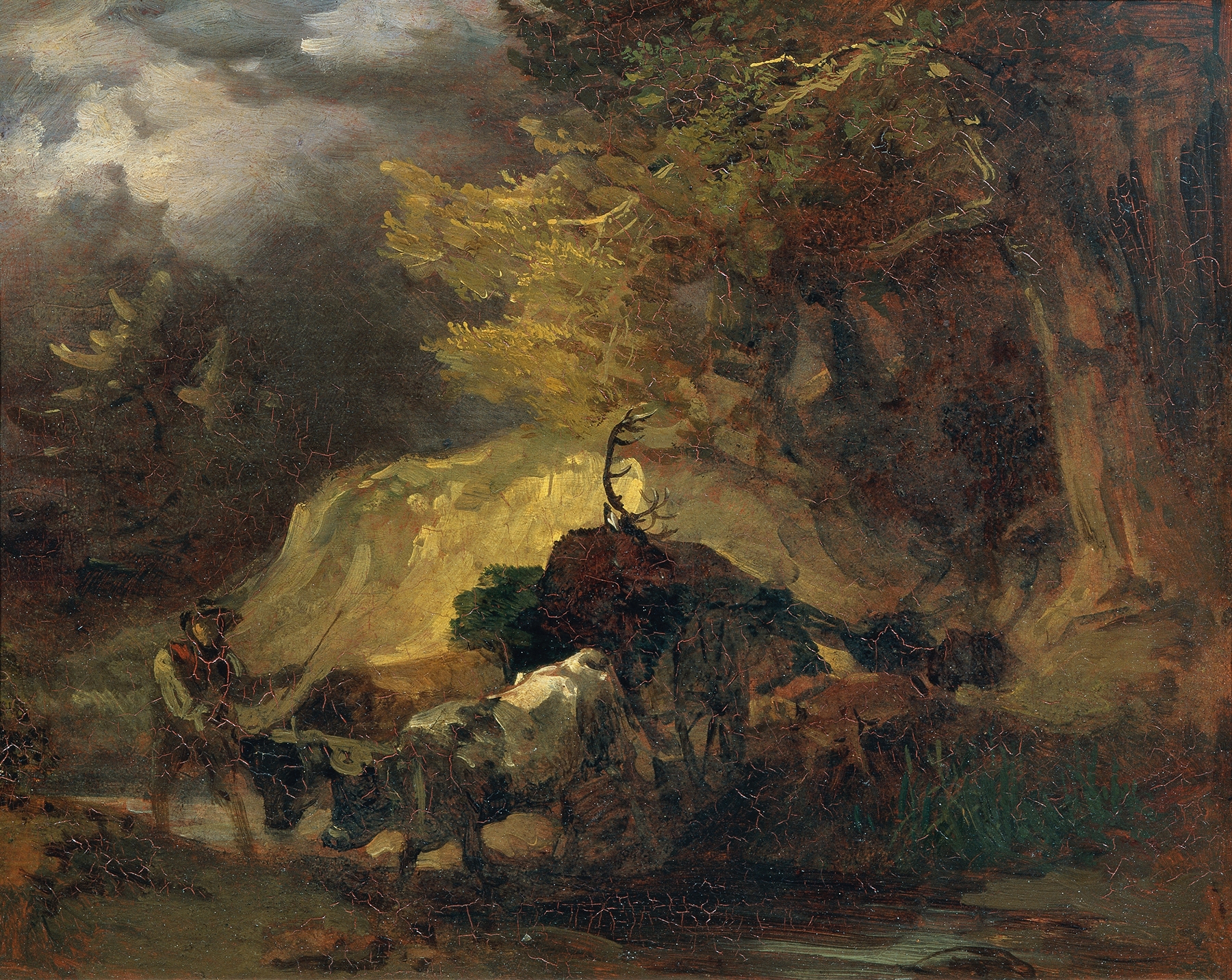
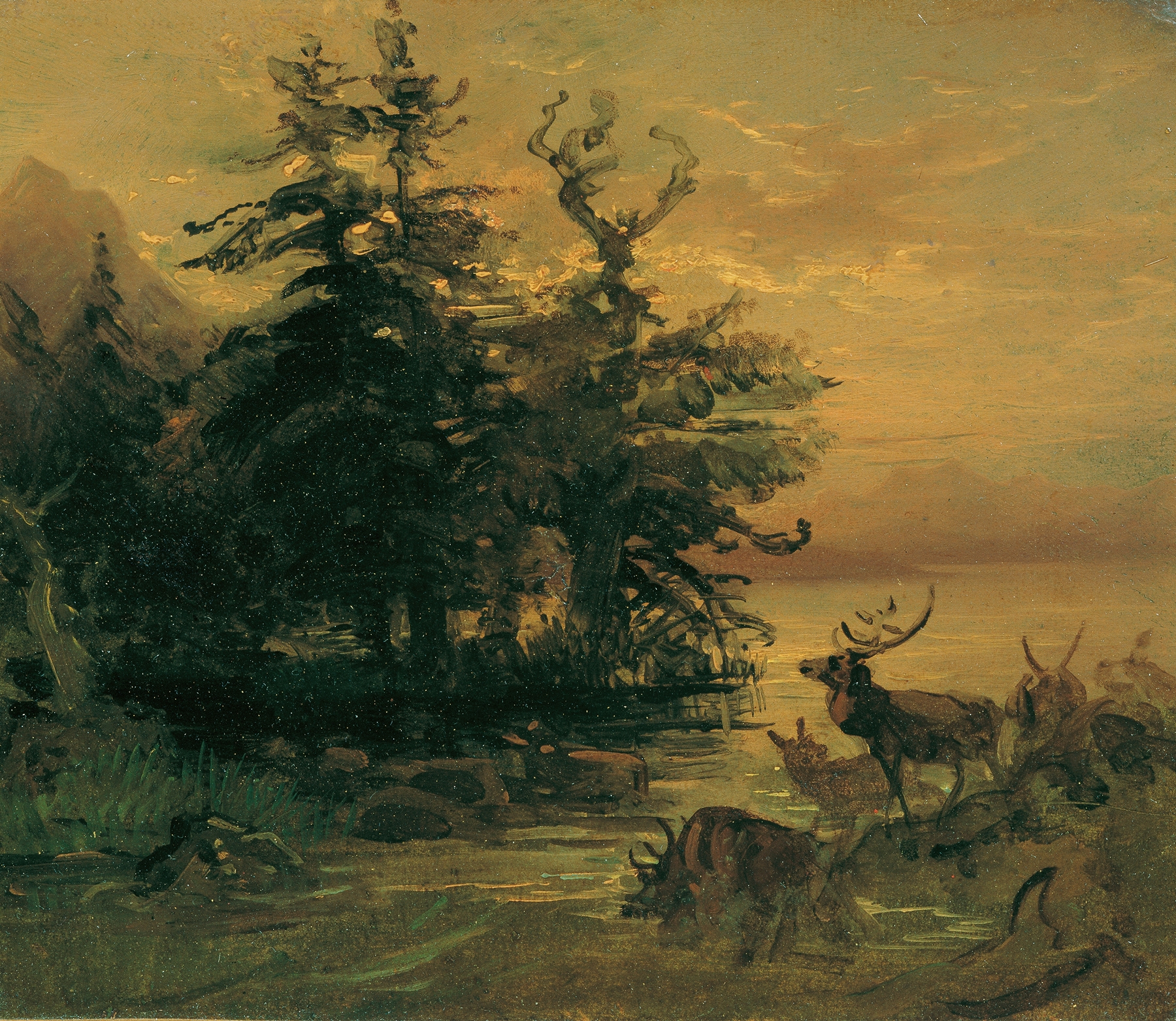
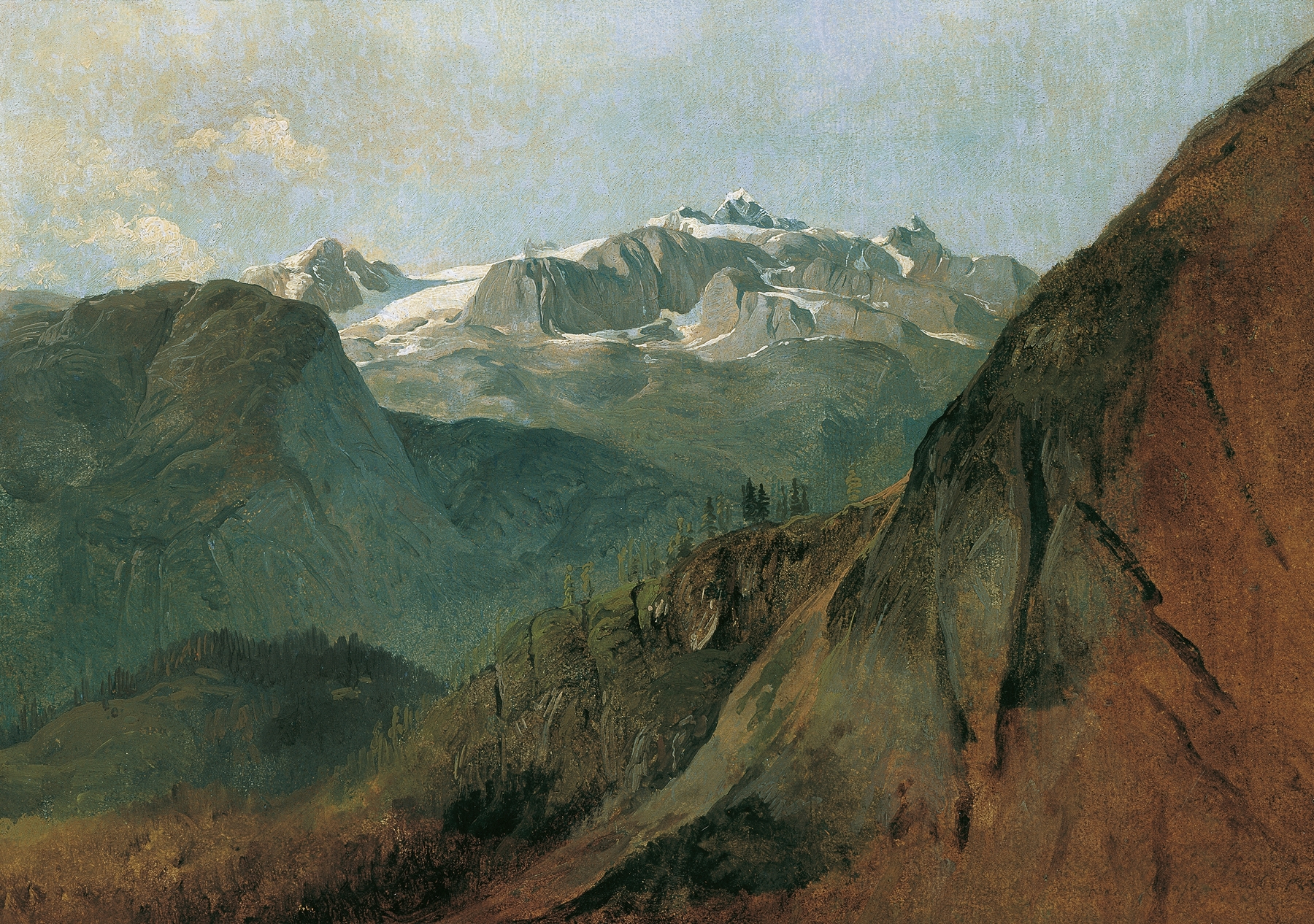
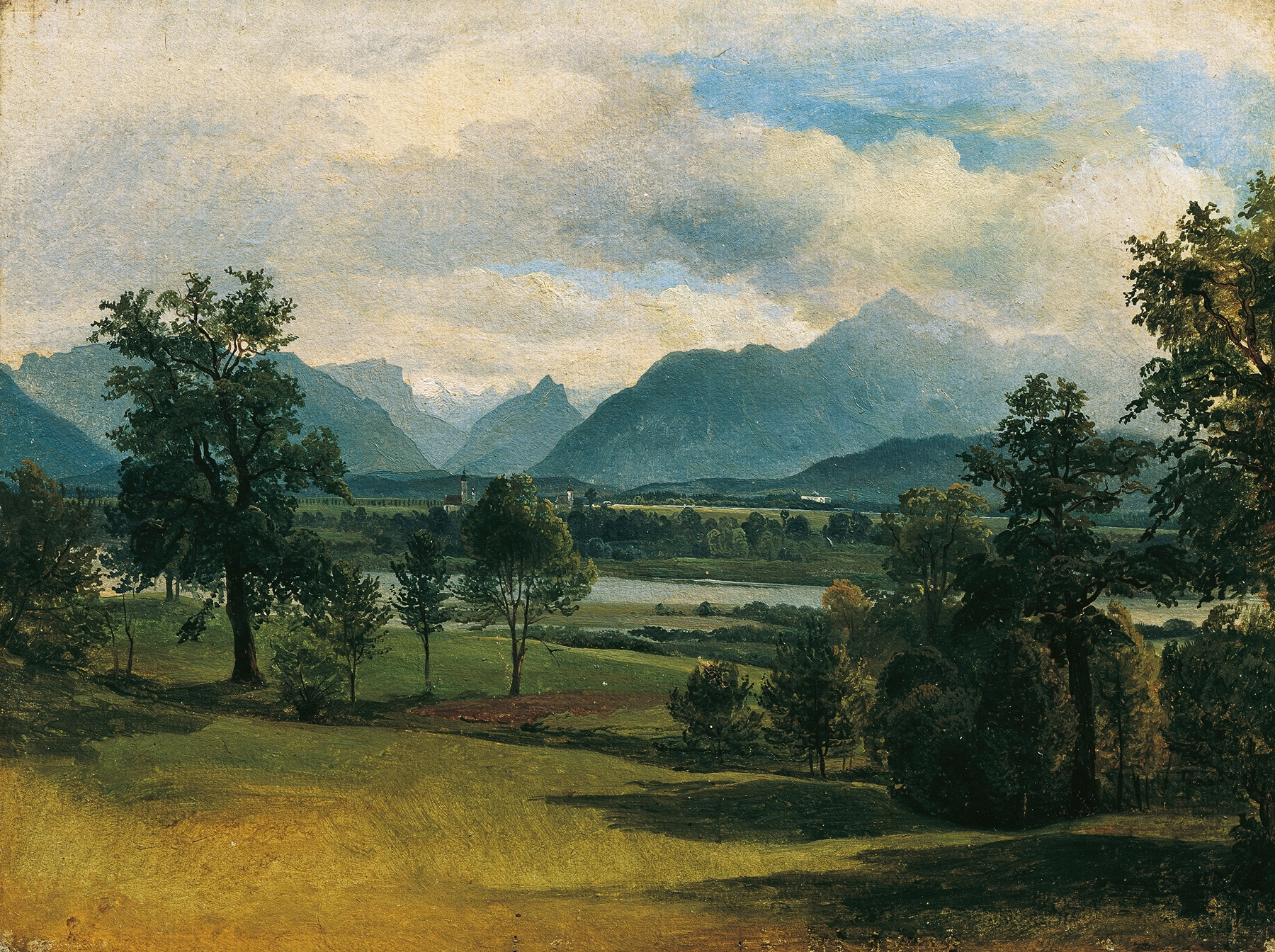
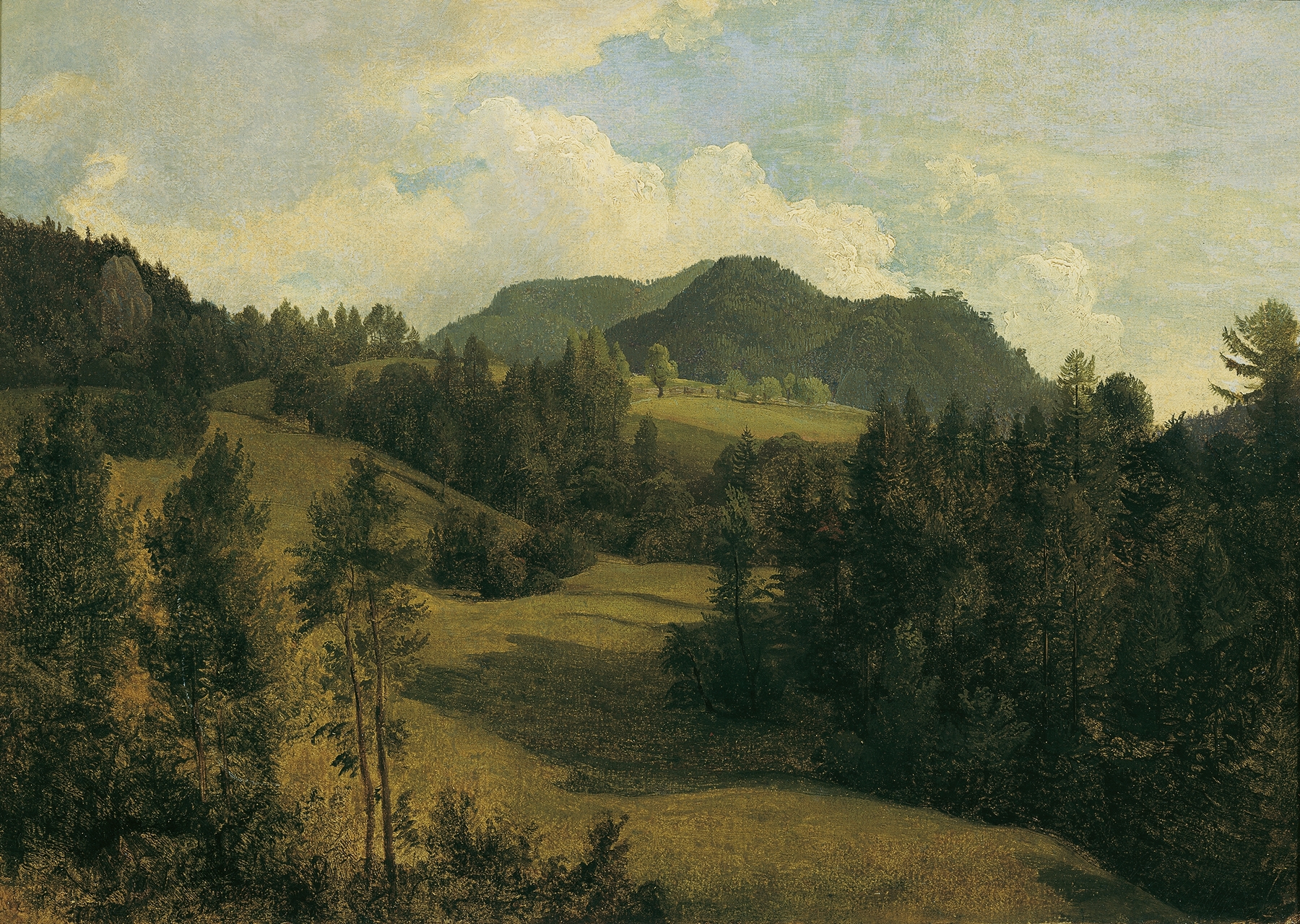
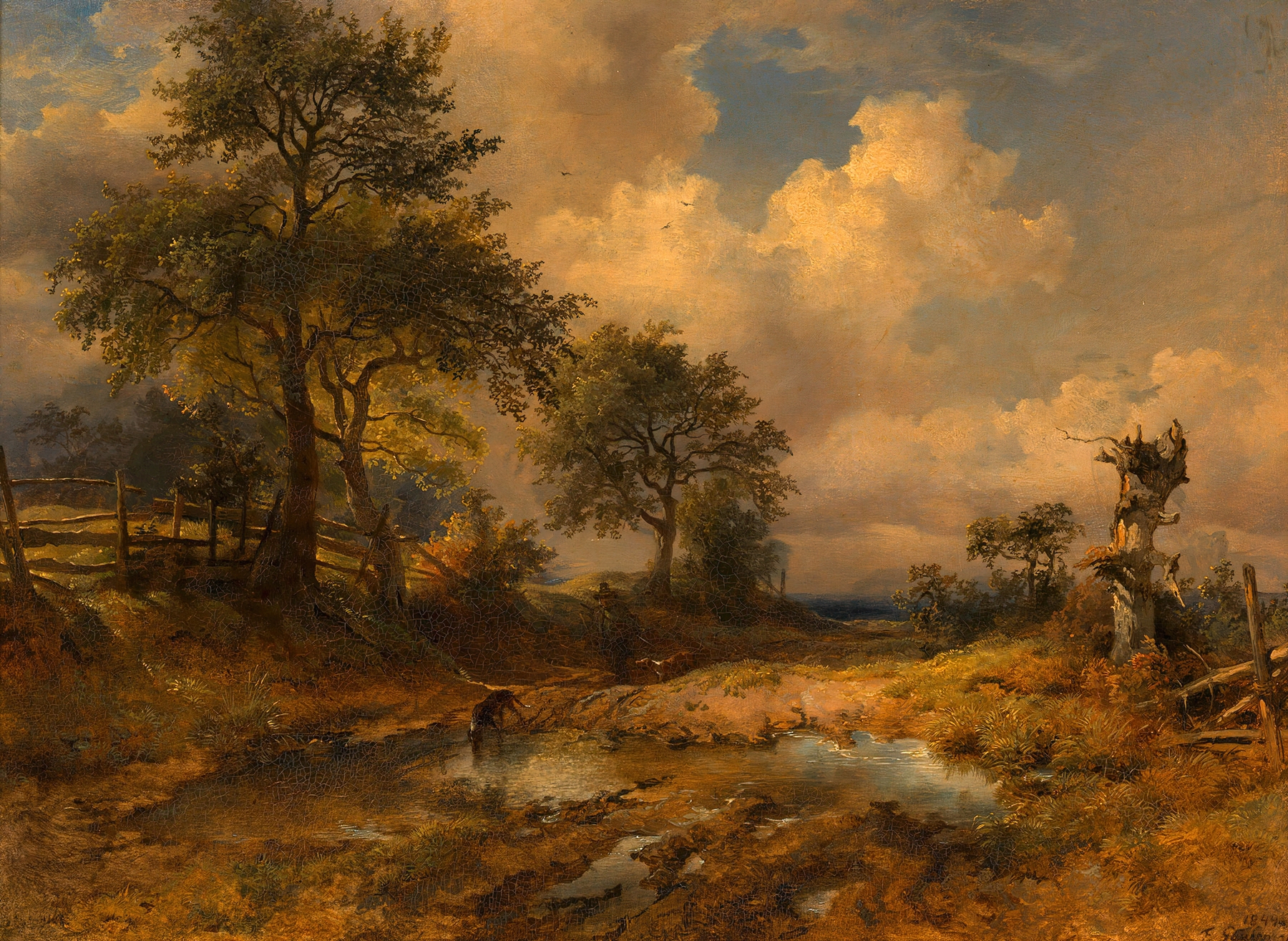
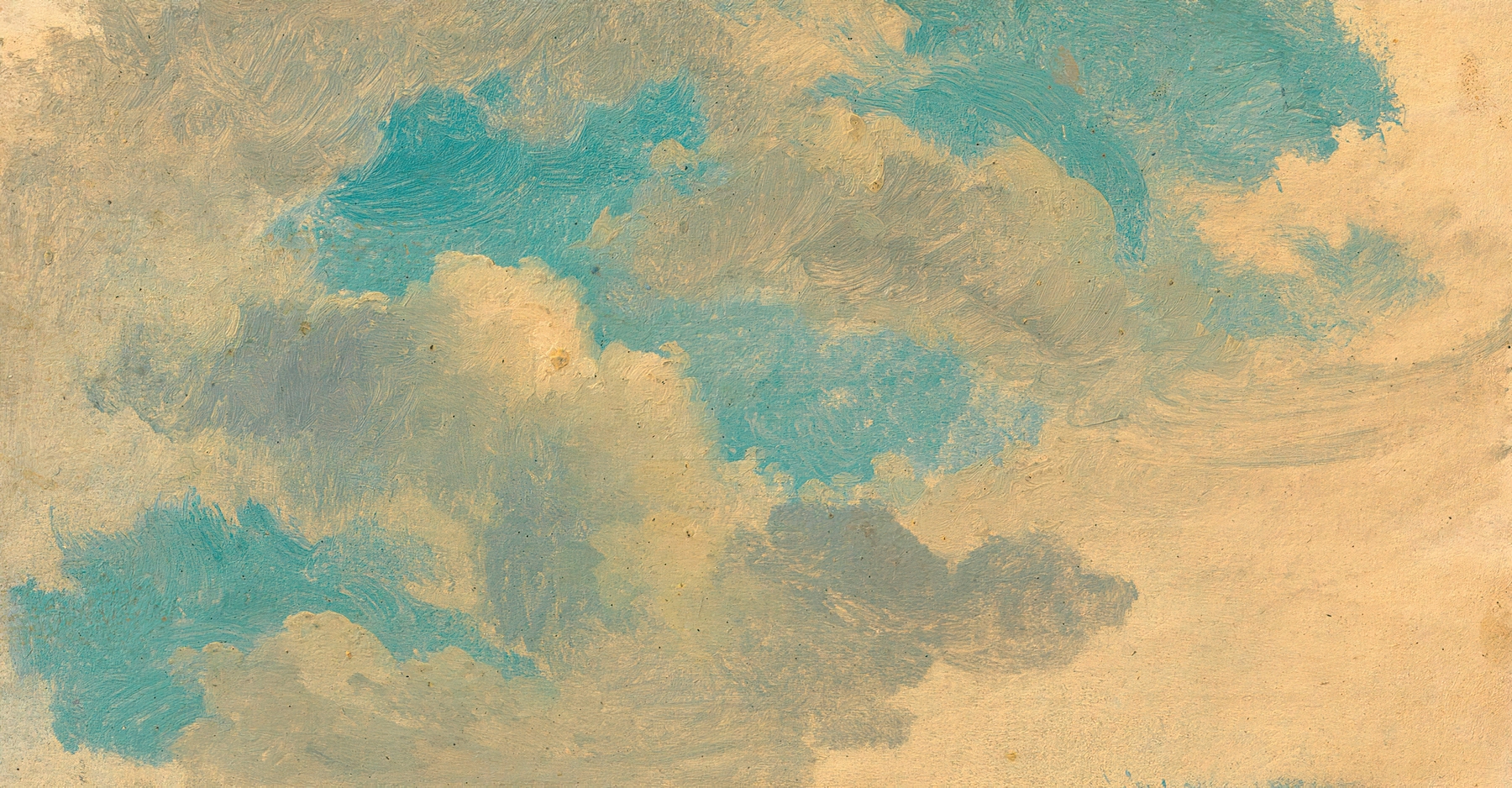
Did the painter know this moment would outlive them? The fleeting dance of clouds above, captured with unwavering devotion, speaks of an obsession with the ethereal and the transient. In Wolkenstudie, the heavens unfold like a thought, an invitation to linger in a realm where time bends and pauses. Look to the upper corners of the canvas, where the clouds swirl with a breathtaking blend of blue, white, and hints of ochre.
Gauermann’s delicate brushwork creates movement, giving life to the billowing forms that suggest both serenity and impending change. The soft gradients of color seamlessly merge, guiding your eye across the expansive sky, while the darkened horizon below adds a grounding contrast, reminding us of the earth-bound existence that stands in stark opposition to the lofty heights above. As you gaze deeper, consider the emotional tension between the light and shadow, the buoyant clouds and the anchored earth. Each stroke reveals the artist’s contemplation of nature’s impermanence, hinting at a longing to grasp what is ultimately unattainable.
This obsession with capturing the fleeting beauty of the clouds reflects a universal human desire to hold onto moments that inevitably evaporate, inviting introspection and connection. In the period between 1830 and 1840, Gauermann was immersed in a rich artistic community in Vienna, where Romanticism flourished alongside burgeoning developments in landscape painting. His work during this time reflects not only a personal exploration of nature but also a broader cultural fascination with the sublime. The era was marked by a search for meaning and beauty, as artists like him sought to transcend the limits of reality, capturing what might otherwise be lost to the winds of time.