Wood Gatherers, An Autumn Afternoon — History & Analysis
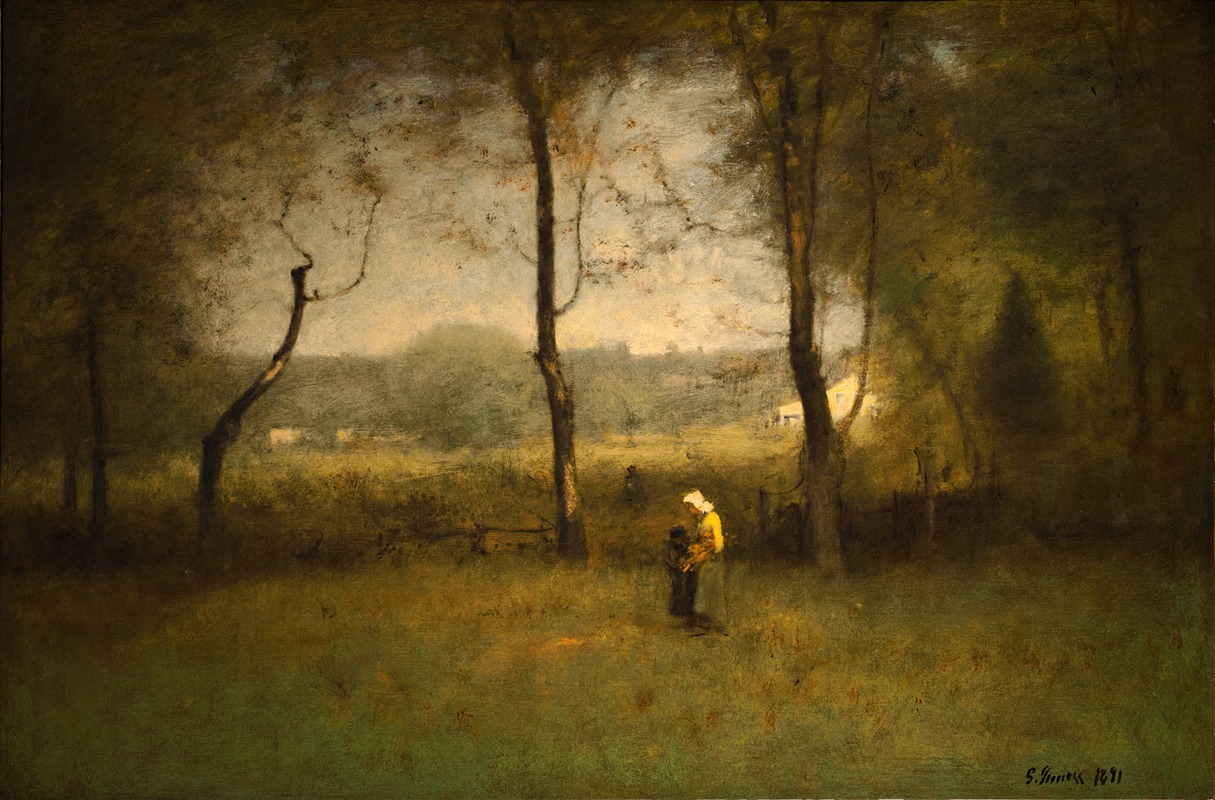
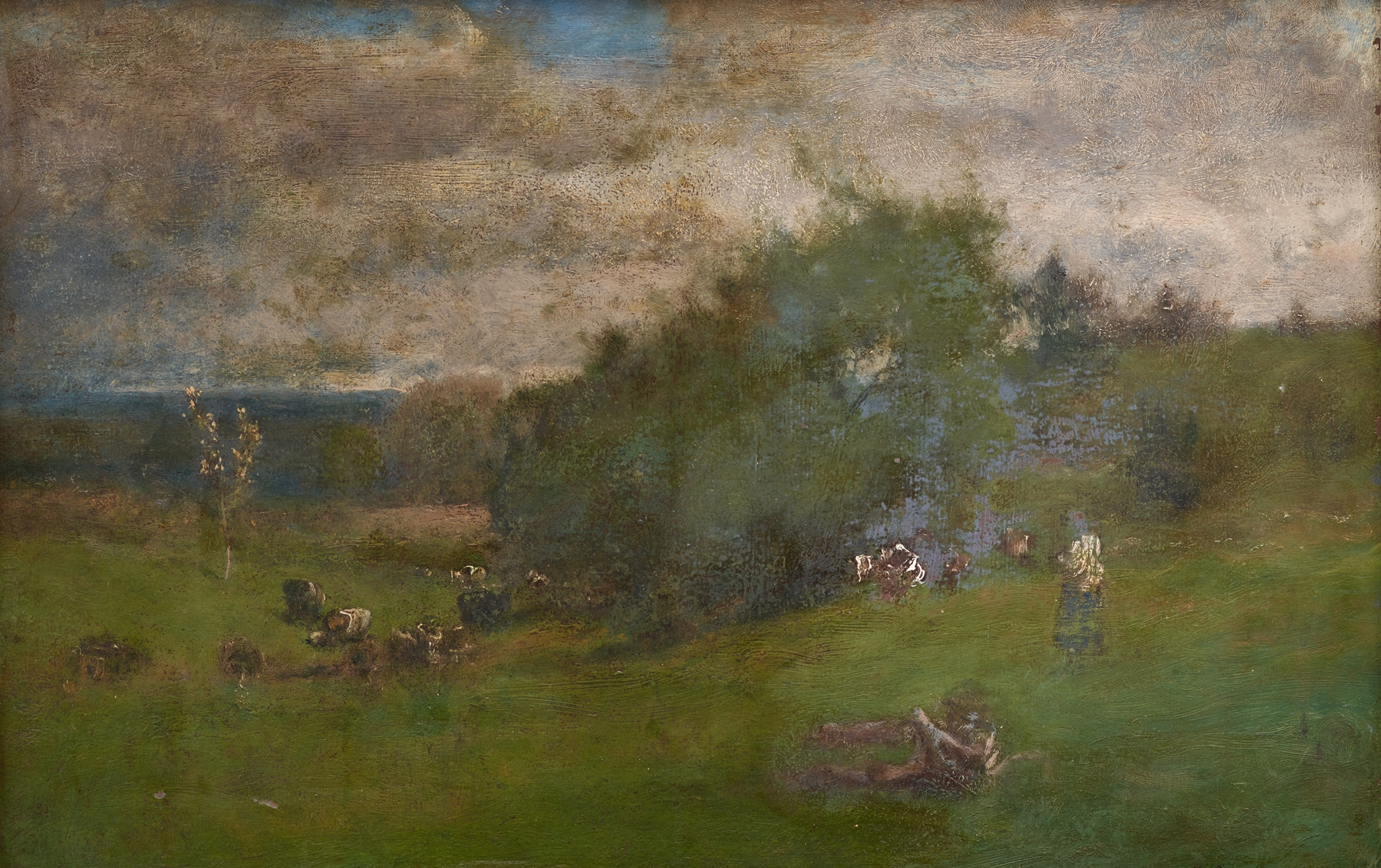
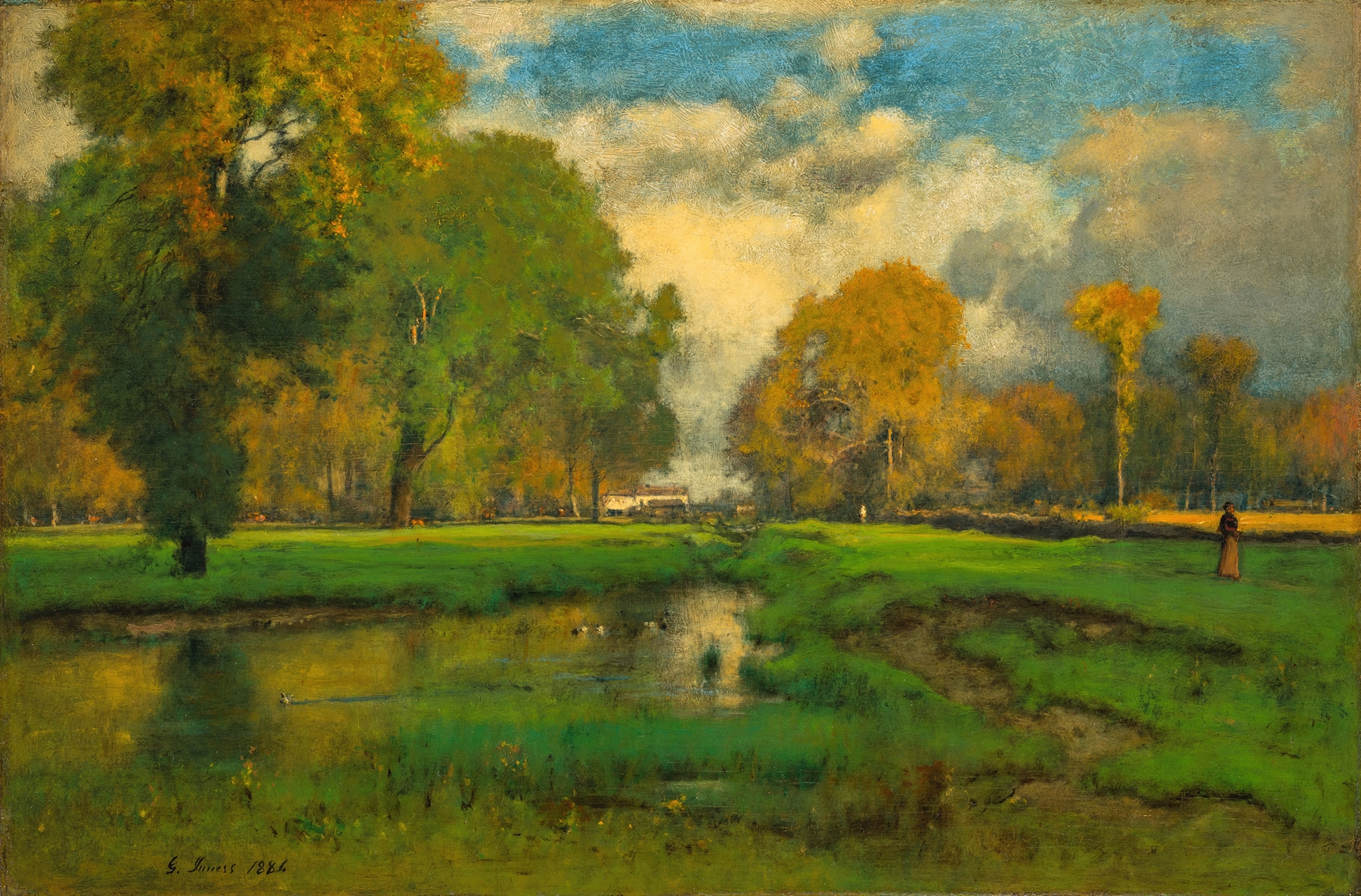
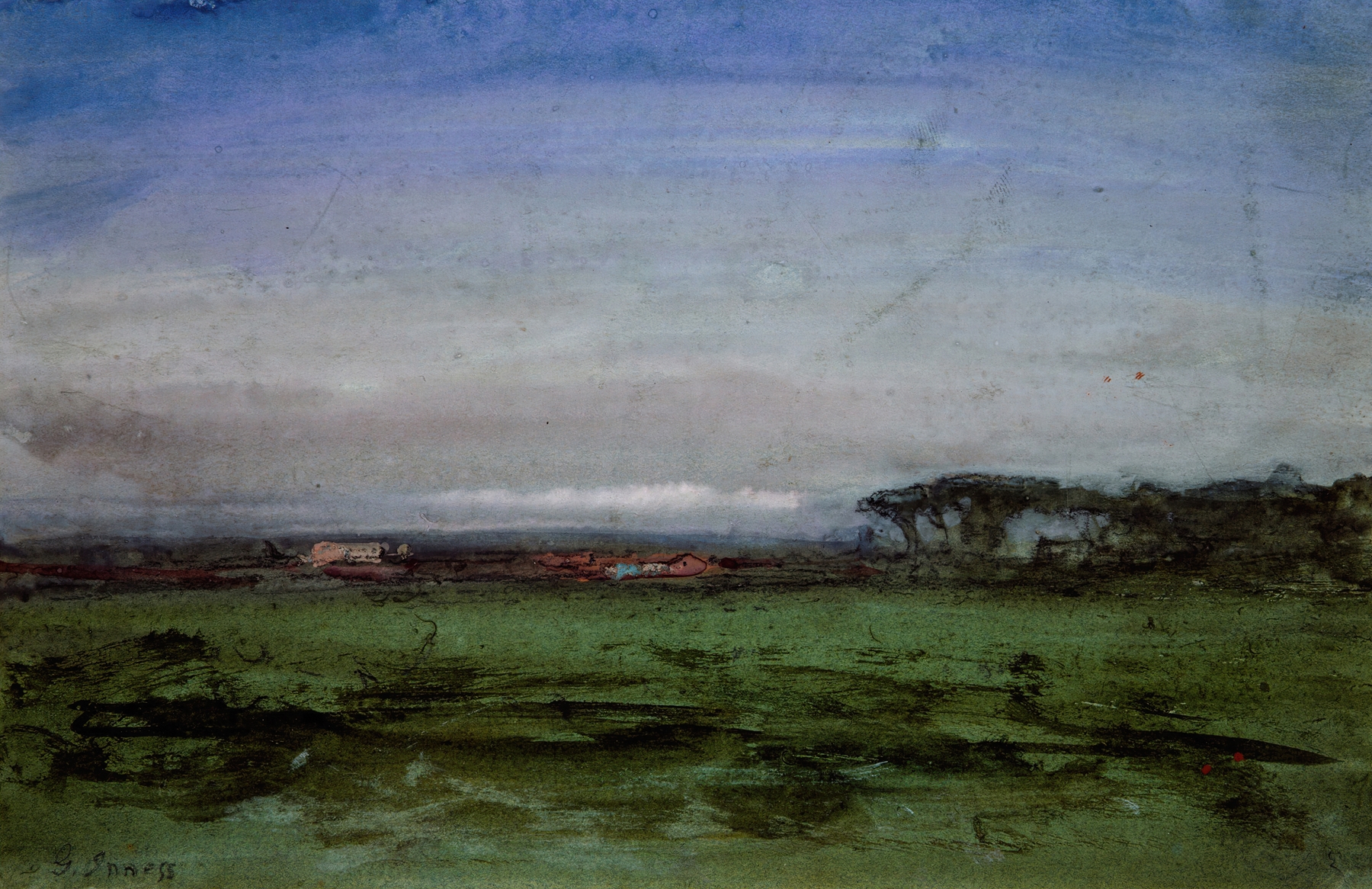
“Under the brush, chaos becomes grace.” In the stillness of a forgotten afternoon, silence envelops the landscape, weaving a spell that invites contemplation and introspection. This serene moment captures the essence of labor intertwined with nature, where the act of gathering wood transcends mere survival, becoming a profound communion with the earth. Look to the foreground, where figures are engaged in their humble task, their backs bent against the weight of their burden. The soft, muted greens and browns depict a landscape rich with autumnal hues, while dappled sunlight breaks through the branches above, illuminating the workers and casting delicate shadows upon the ground.
The composition leads your eye across the canvas, from the textured tree trunks to the subtle blush of fallen leaves, inviting a sense of harmony between the figures and their environment. Amidst the apparent simplicity lies a deeper narrative—an exploration of the relationship between humanity and nature. The quietude of the scene speaks to the dignity of labor and the transient beauty of the season, highlighted by the juxtaposition of vibrant foliage against the earth-toned silhouettes of the gatherers. Each stroke of the brush evokes a feeling of timelessness, reminding us of the cycles of life and the impermanence inherent in both work and nature.
In 1891, this work emerged from the hand of an artist deeply influenced by the American Romantic movement, which emphasized the beauty of the natural world. During this period, Inness was exploring spiritual themes in nature, seeking to convey emotion through landscape. His personal journey reflected a quest for tranquility and connection, resonating with the broader artistic dialogue of the time that sought to elevate everyday experiences into moments of profound grace.