Woodcutters — History & Analysis
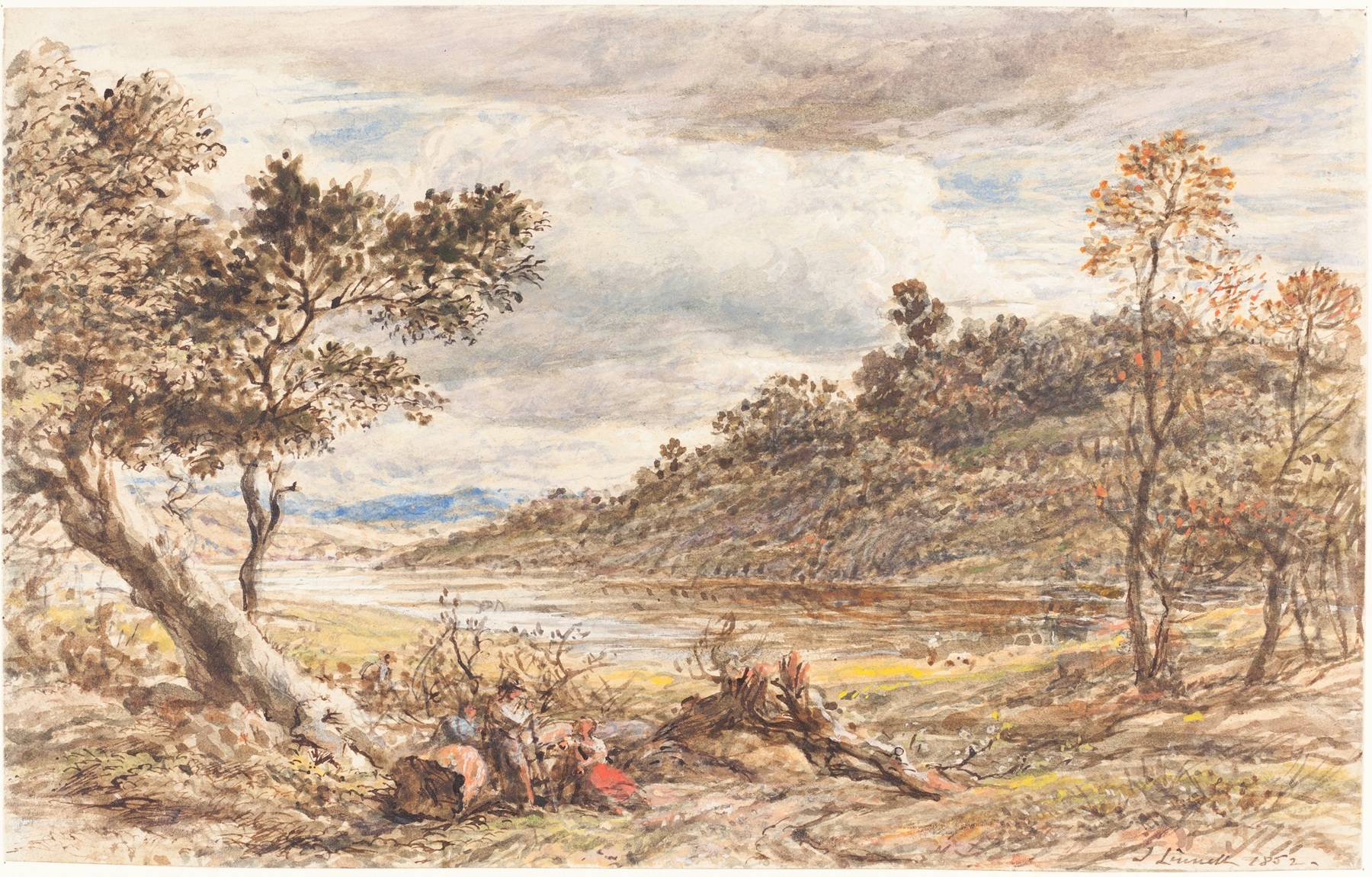
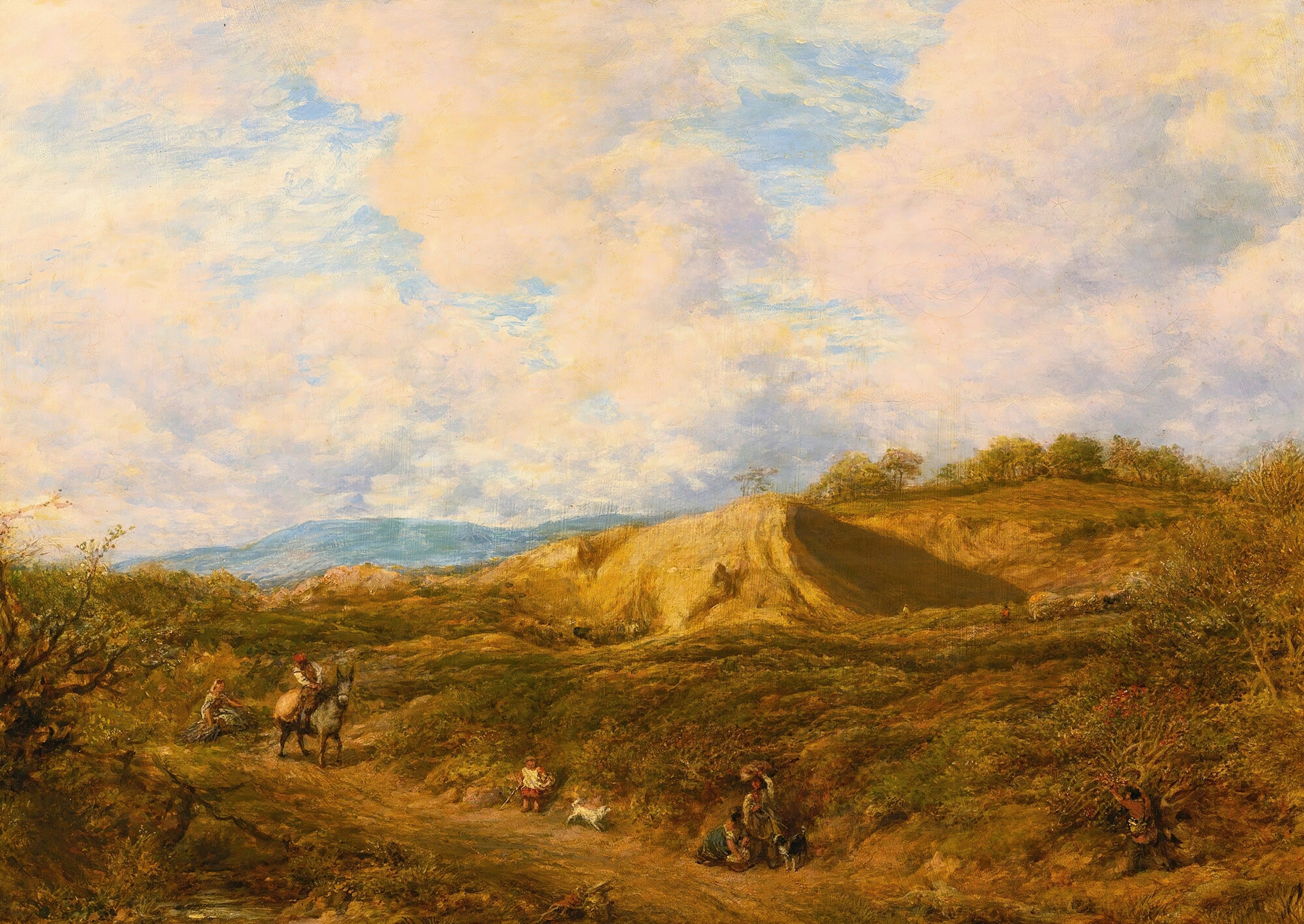
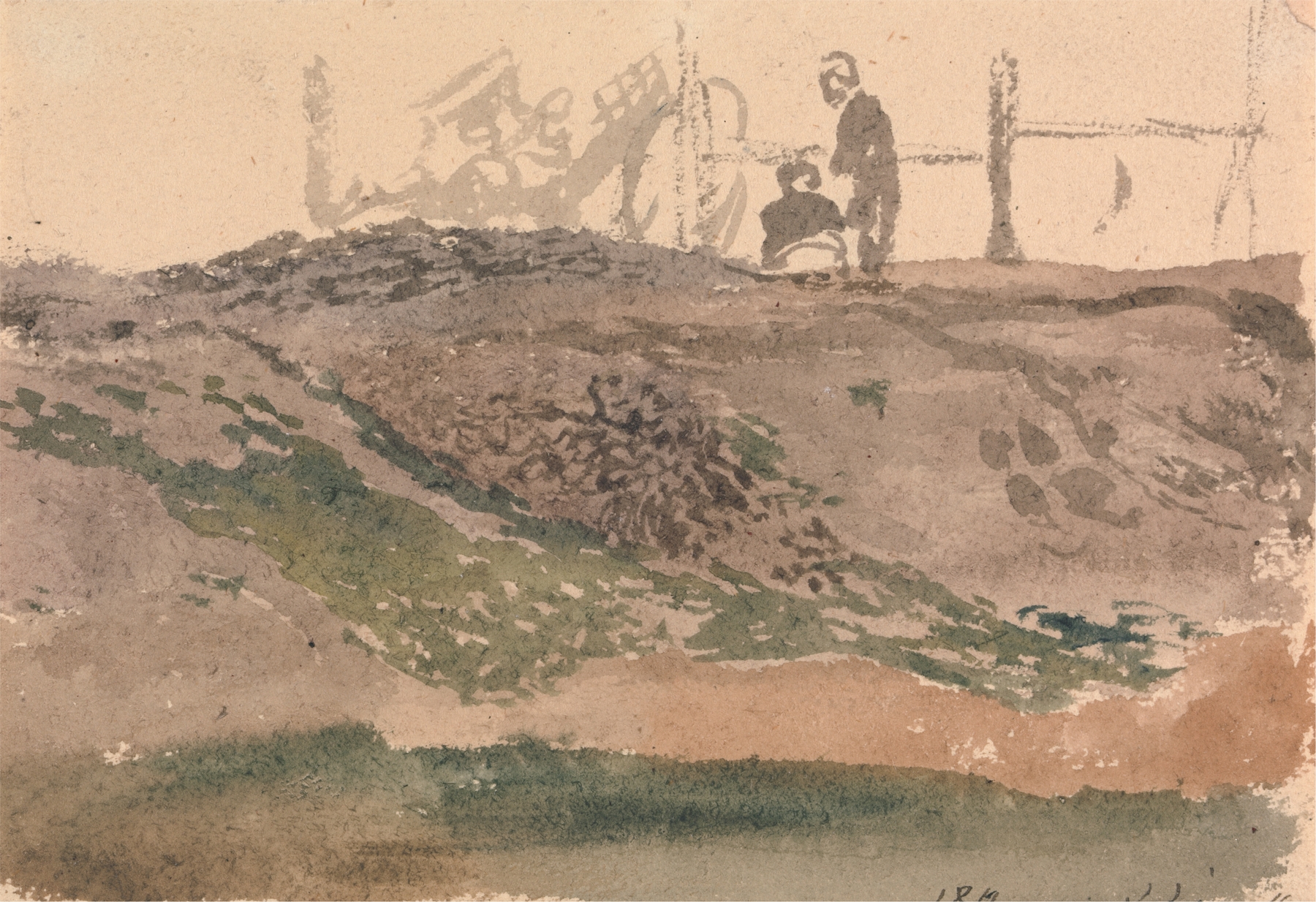
When did color learn to lie? The vibrant hues that dance across the canvas pulse with an ecstasy that feels both intoxicating and deceptive, beckoning us to look deeper. Begin your exploration in the center, where the woodcutters toil beneath the weight of their labor. Notice how the earthy browns and greens intertwine with flashes of sunlight streaming through the trees, enticing your eye to trace the delicate interplay of light and shadow.
The figures, strong yet humble, are rooted in their task, their muscular forms echoing the very essence of the surrounding woodland. The artist’s careful attention to the rough textures of bark and flesh invites an almost tactile experience of this moment frozen in time. As you linger, observe the emotional undercurrents at play. The camaraderie between the laborers speaks to a unity forged in shared toil, while the distant trees loom like silent witnesses, hinting at the endless cycle of life and death.
The contrasting elements of joy—expressed in the workers’ stances—and the weight of their labor create a tension that resonates deeply, suggesting the bittersweet nature of toil and the fleeting moments of ecstasy found within it. John Linnell painted Woodcutters in 1874, during a period marked by the rise of the English Landscape movement and the Industrial Revolution's encroachment upon the natural world. Living in London, he was influenced by the picturesque scenery of the countryside, reflecting the romantic ideals of simplicity and labor. The era was one of transformation, where nature was celebrated even as it faced the threat of mechanization, and this piece embodies that complex relationship.