Zwei Dirndl auf der Alm — History & Analysis
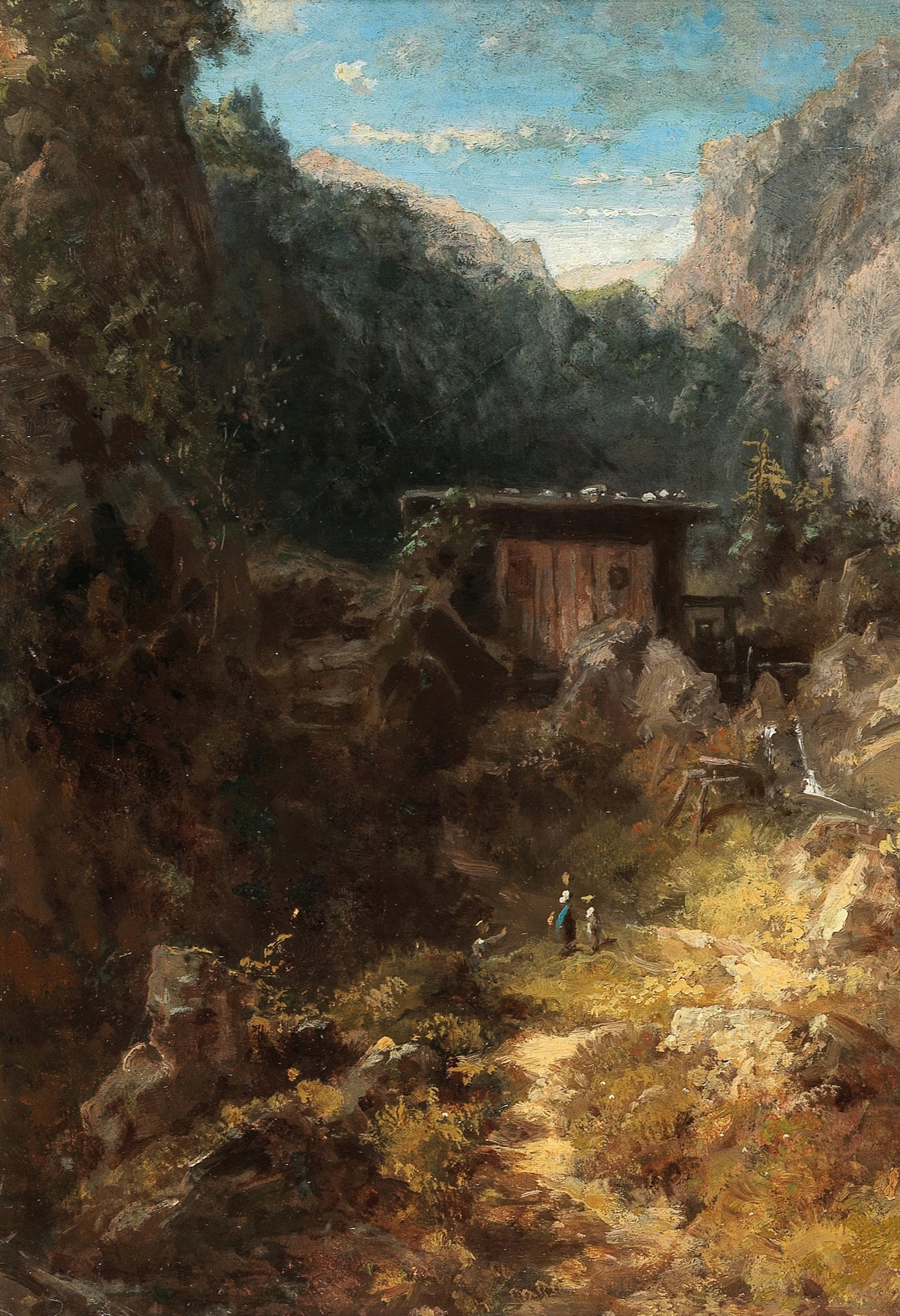
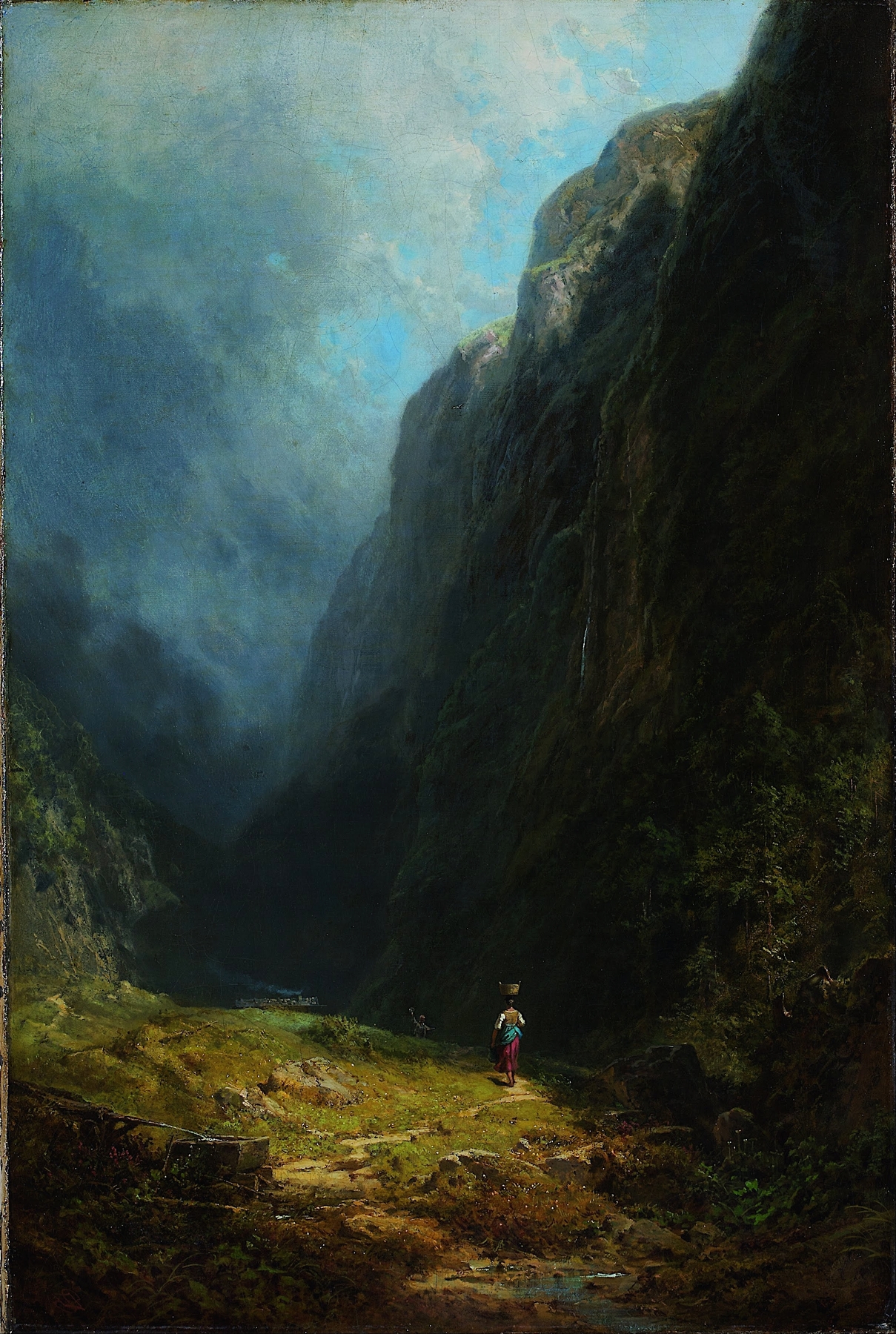
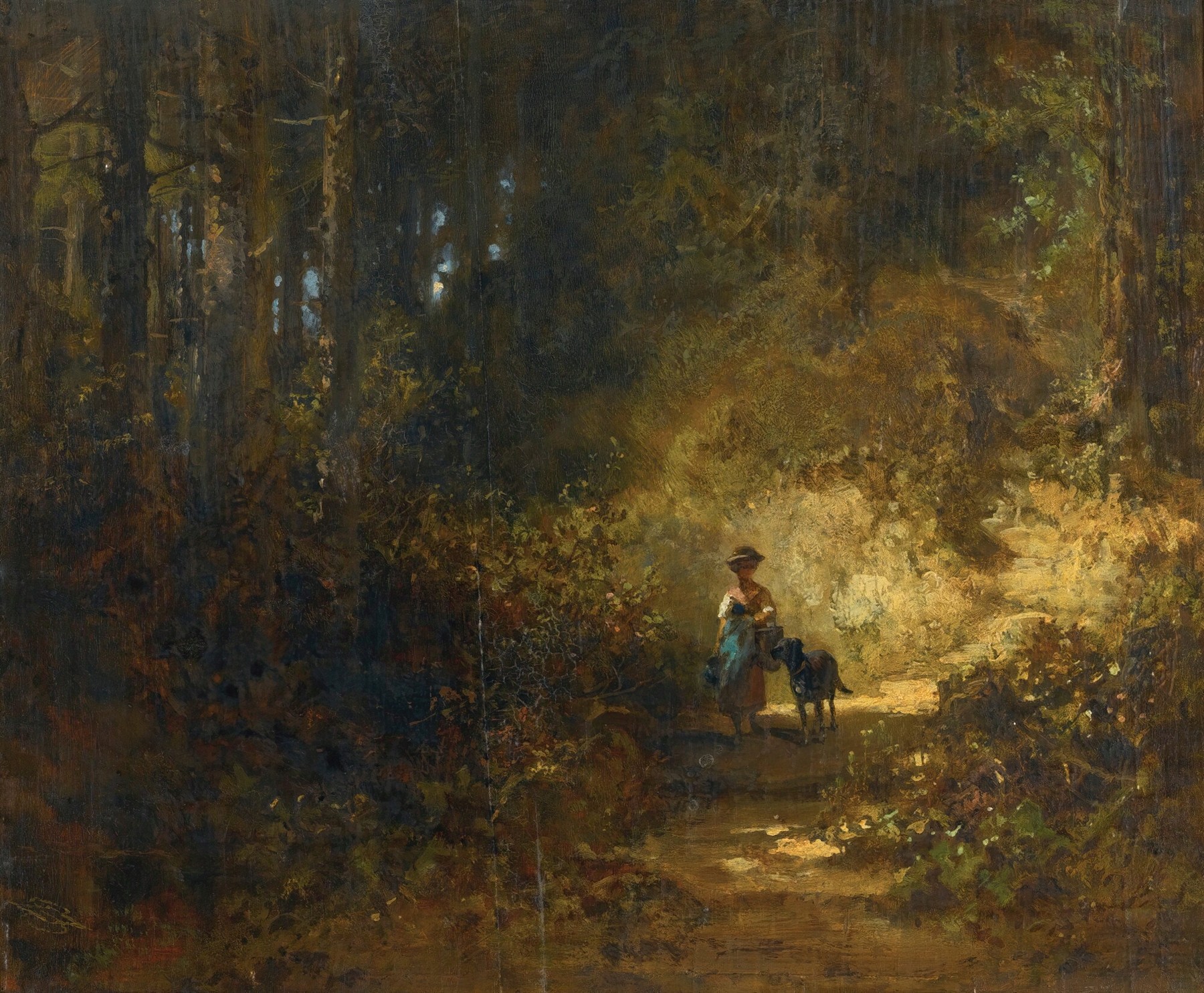
Can beauty exist without sorrow? In the folds of fabric and the gentle expressions of the subjects, Zwei Dirndl auf der Alm whispers the complexity of joy intertwined with an undercurrent of madness. Look to the left at the vibrant colors of the dirndls, their rich reds and greens contrasting sharply with the soft, muted tones of the alpine landscape. Notice how the sunlight illuminates the delicate lace trimmings, creating a halo-like effect around the figures.
The composition draws the eye to the central pair, standing as a focal point against the vastness of the mountains, inviting contemplation of their connection to the natural world around them. Within this serene scene lies a tension between carefree elegance and the weight of existential reflection. The women’s smiles, seemingly joyous, hint at a deeper complexity—perhaps an awareness of the fleeting nature of this idyllic moment. The solitary landscape serves as a reminder of isolation, suggesting that even in beauty, there exists an echo of solitude, underscoring the thin line between joy and madness.
Carl Spitzweg created this painting in 1870, during a time when Romanticism was giving way to new artistic movements across Europe. Having established himself in Munich, he sought to depict scenes that celebrated everyday life, often imbuing them with a sense of nostalgia. This work reflects his ability to capture the essence of the Bavarian spirit while subtly commenting on the human condition, embodying both charm and a whisper of the melancholic truths that underlie our existence.