A Mountainous View, North Wales — History & Analysis
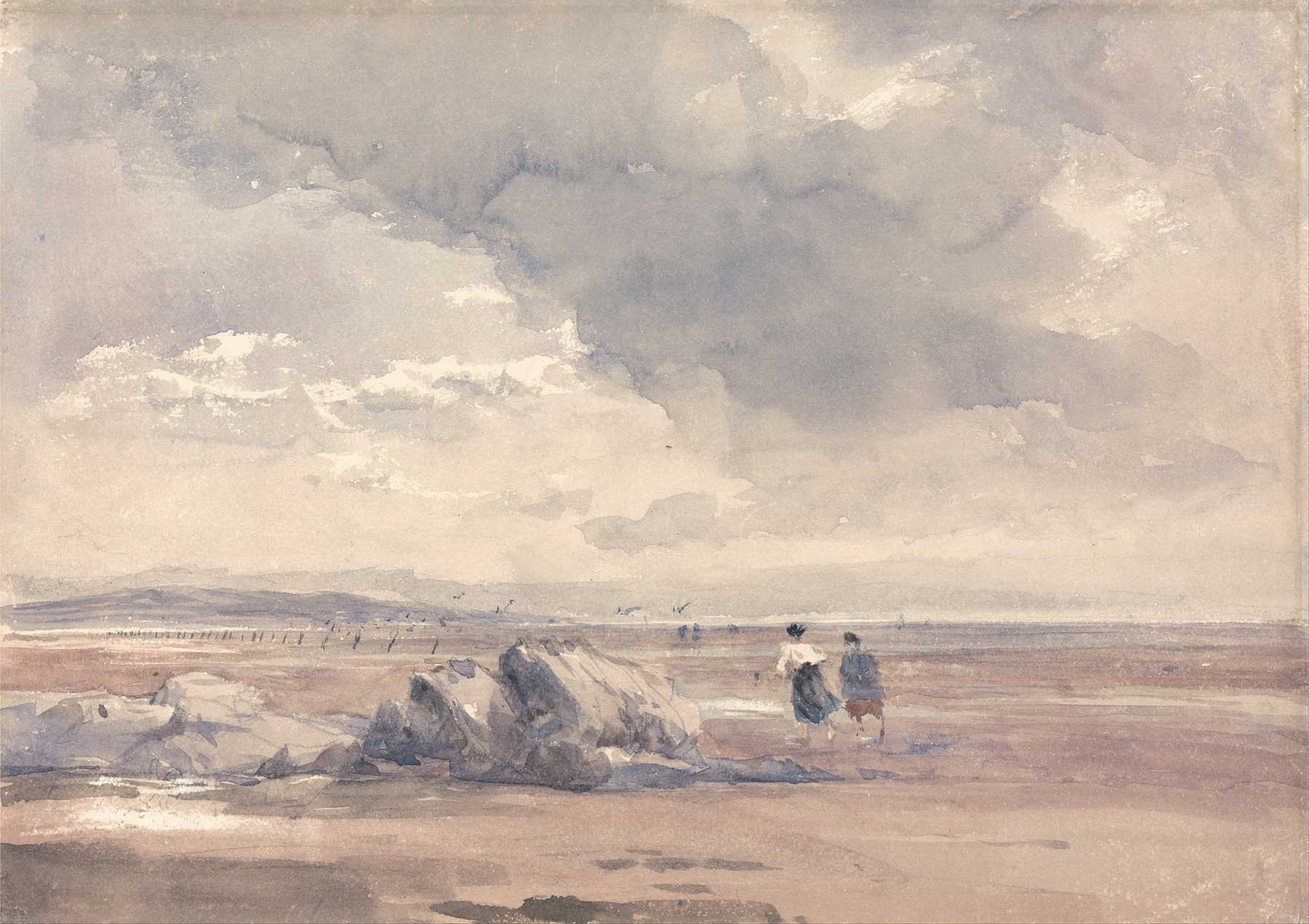
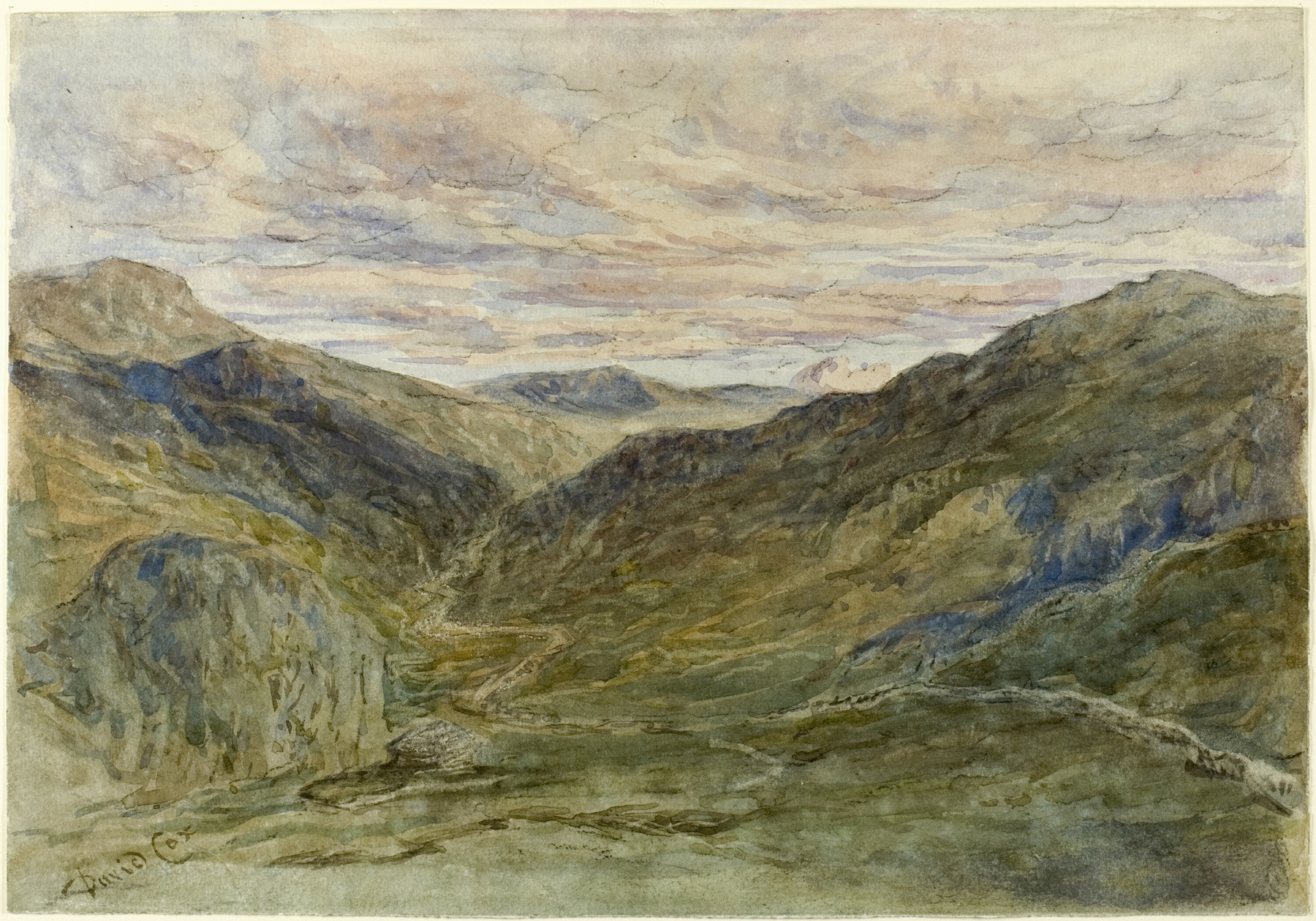
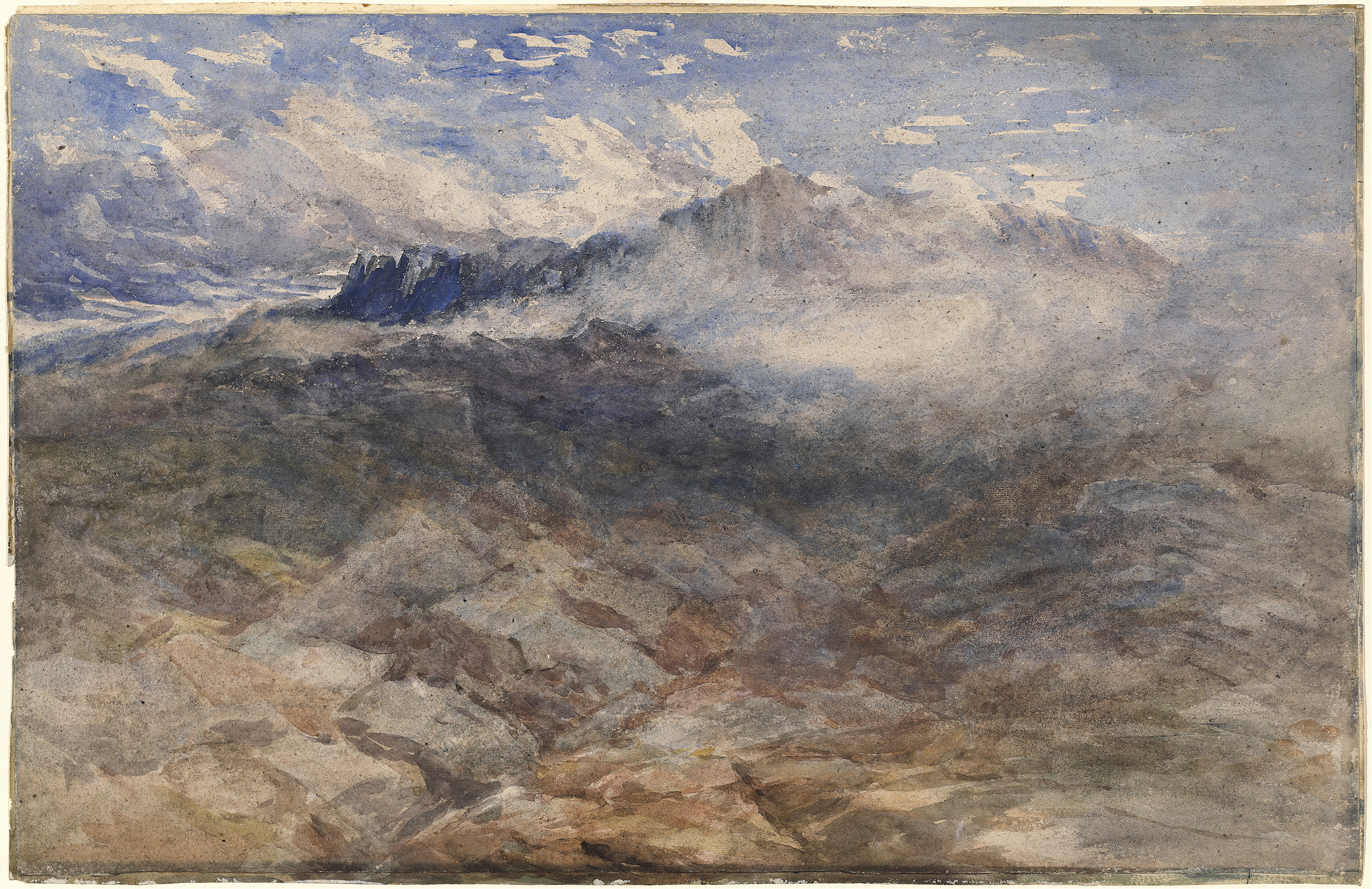
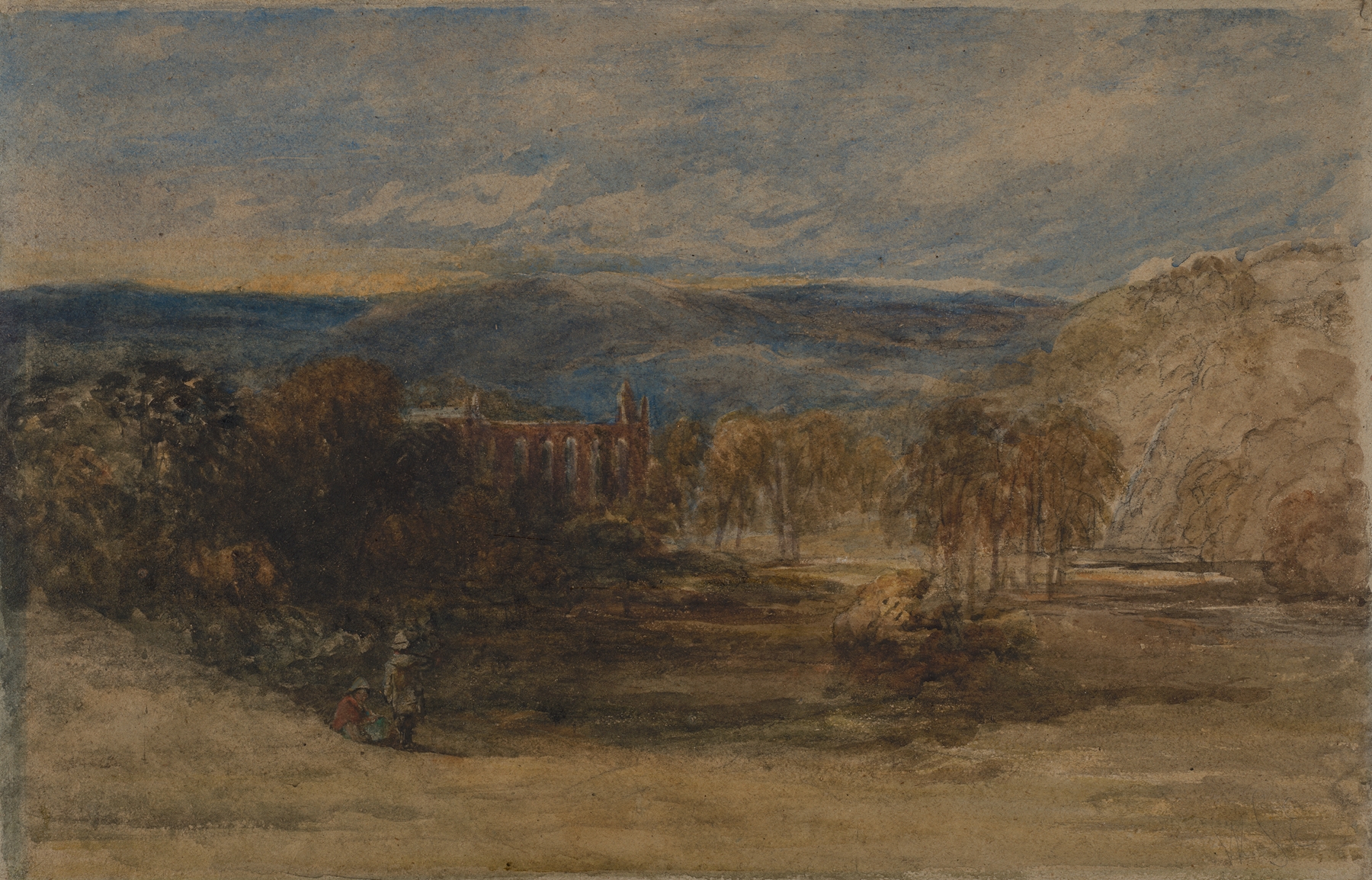
“Art reveals the soul when the world turns away.” Within the stillness of a vast, desolate landscape, emptiness speaks volumes, beckoning us to pause and listen. Look to the gentle slopes of the mountains, where muted greens and browns blend into a soft horizon. Notice how the clouds hang low, draping the peaks in a translucent veil, while a tender light filters through, illuminating the valley below. The composition draws your eye towards the distant ridges, where the interplay of shadow and light creates a harmonious balance, capturing the essence of nature’s quiet grandeur.
Amidst the grandeur, hidden narratives emerge. The faint brushstrokes evoke a sense of solitude, reflecting the artist’s contemplation of human insignificance in the face of nature’s enormity. The absence of figures contrasts the majestic landscape, amplifying a feeling of loneliness, as if the viewer stands at the edge of the world. The tranquil scene simultaneously embodies both beauty and a haunting sense of emptiness that resonates deeply within.
David Cox painted this work in the 1810s, during a time of personal and artistic exploration. Living in England, he was influenced by the Romantic movement, which sought to capture the sublime beauty of nature. This period marked a shift in landscape painting, as artists began to emphasize emotional responses to the natural world, laying a foundation for future generations to interpret their own connections to the landscape.