A Waste of Weeds (Yomogiu), Illustration to Chapter 15 of the Tale of Genji (Genji monogatari) — History & Analysis
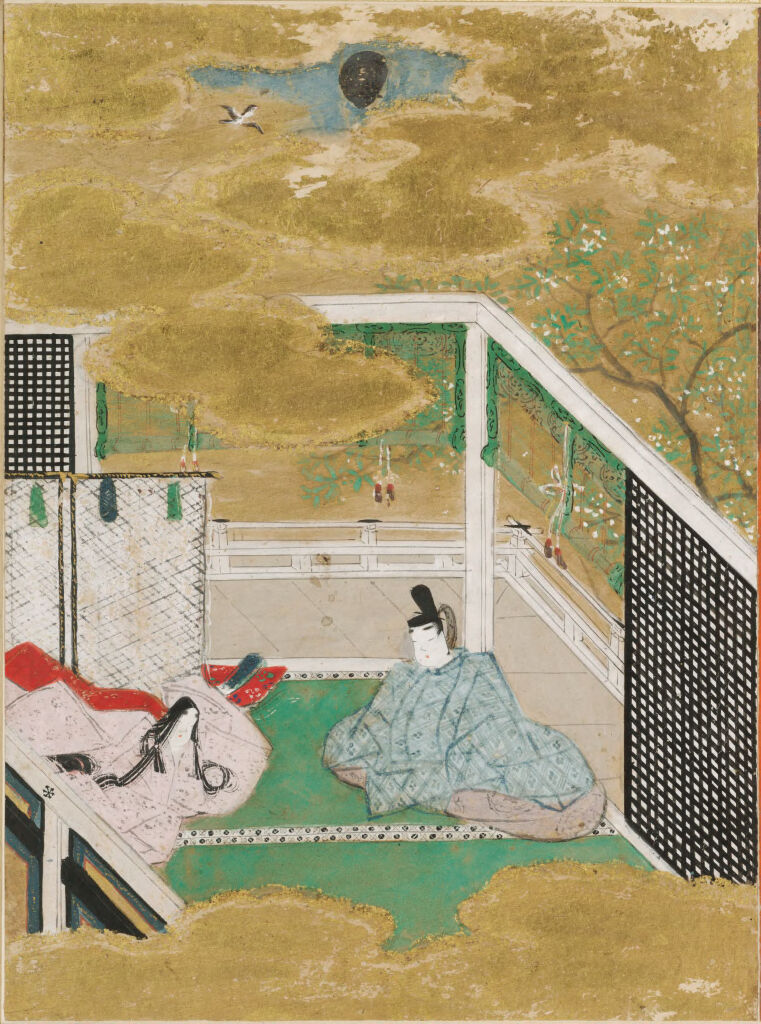
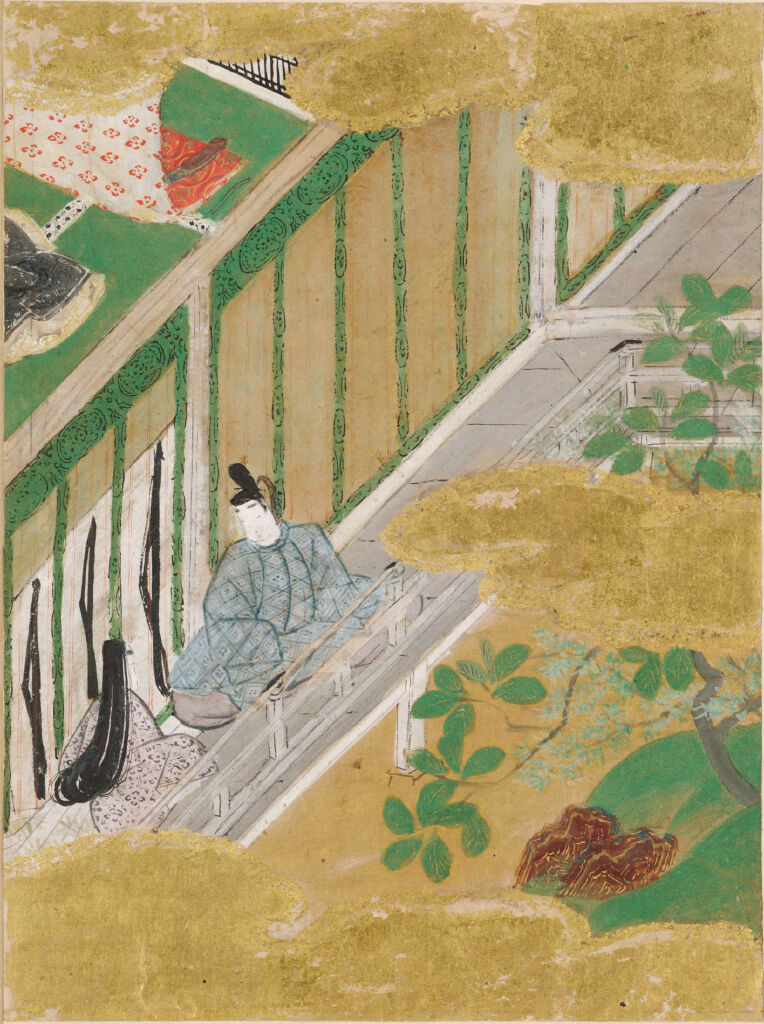
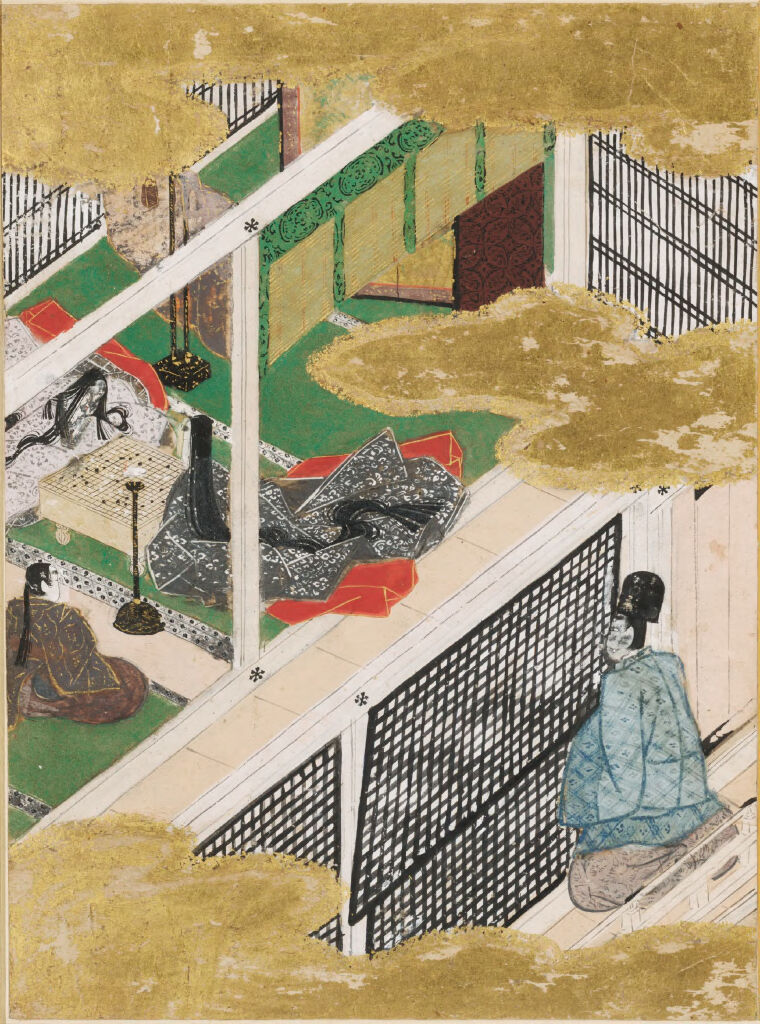
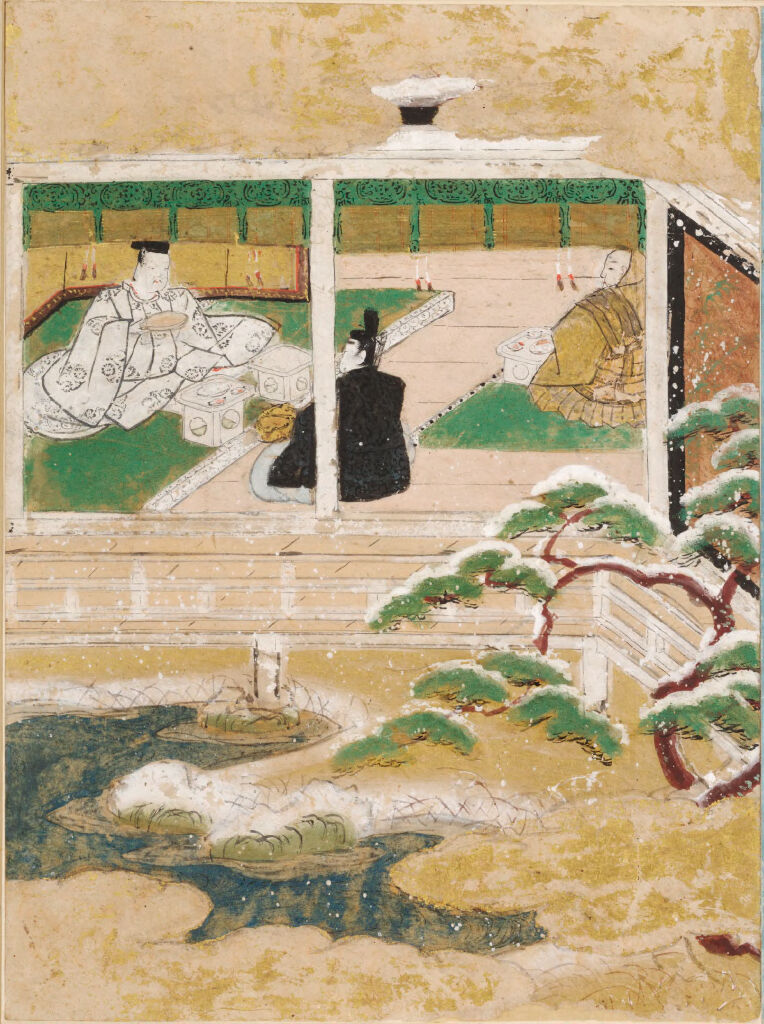
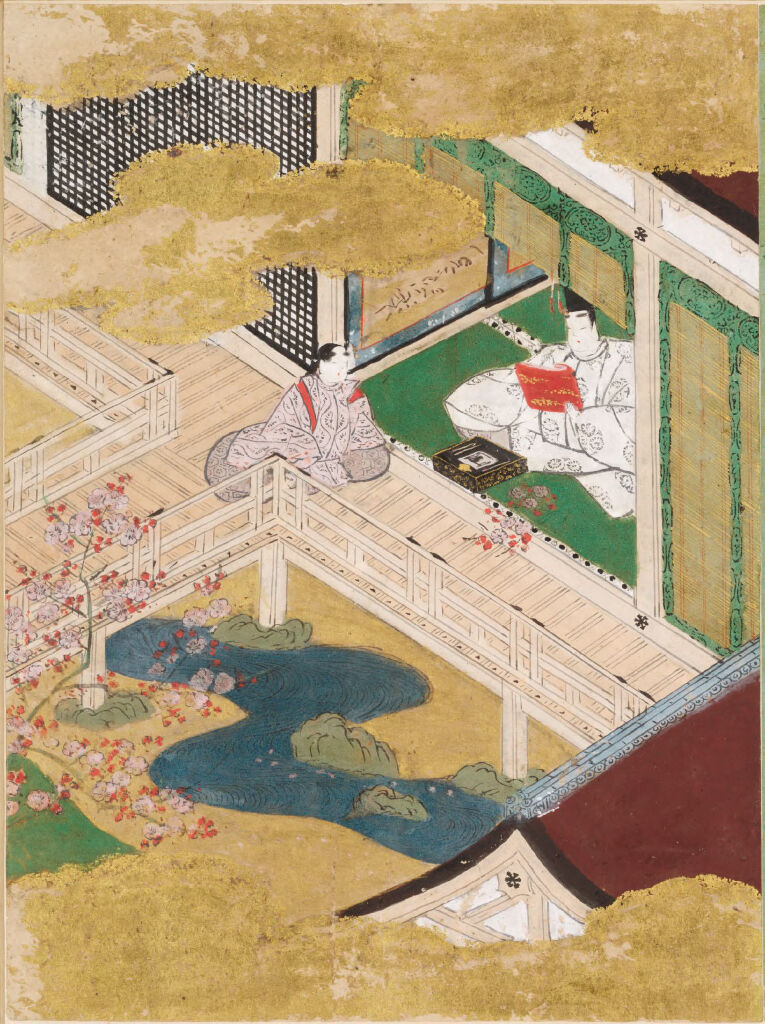
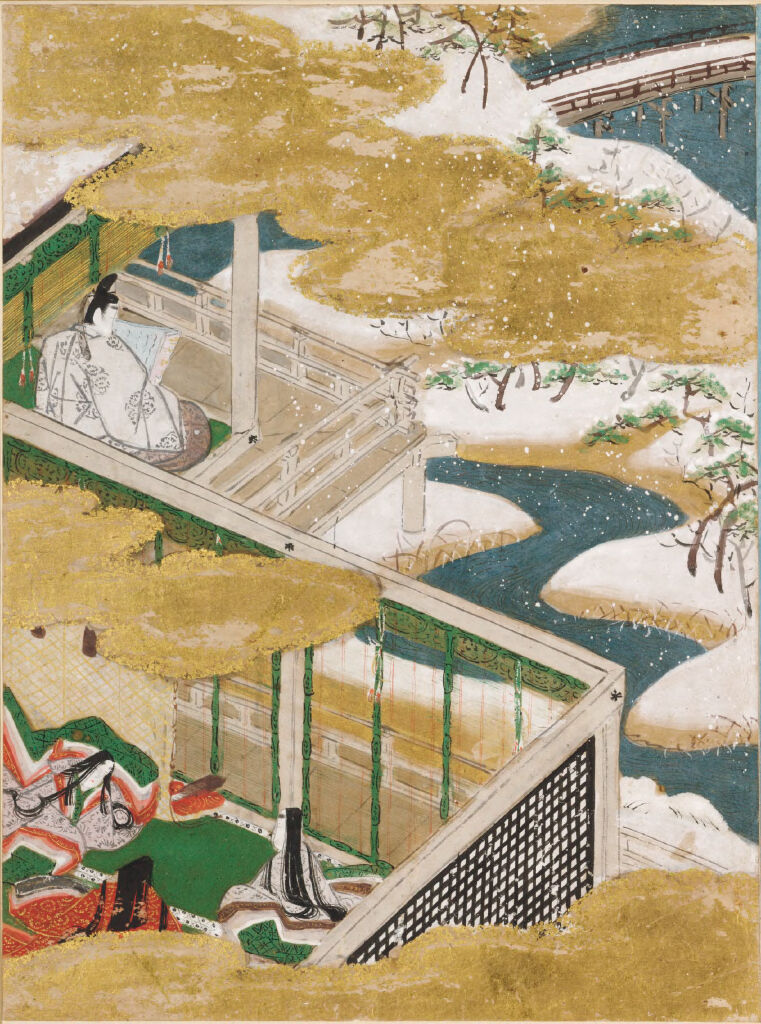
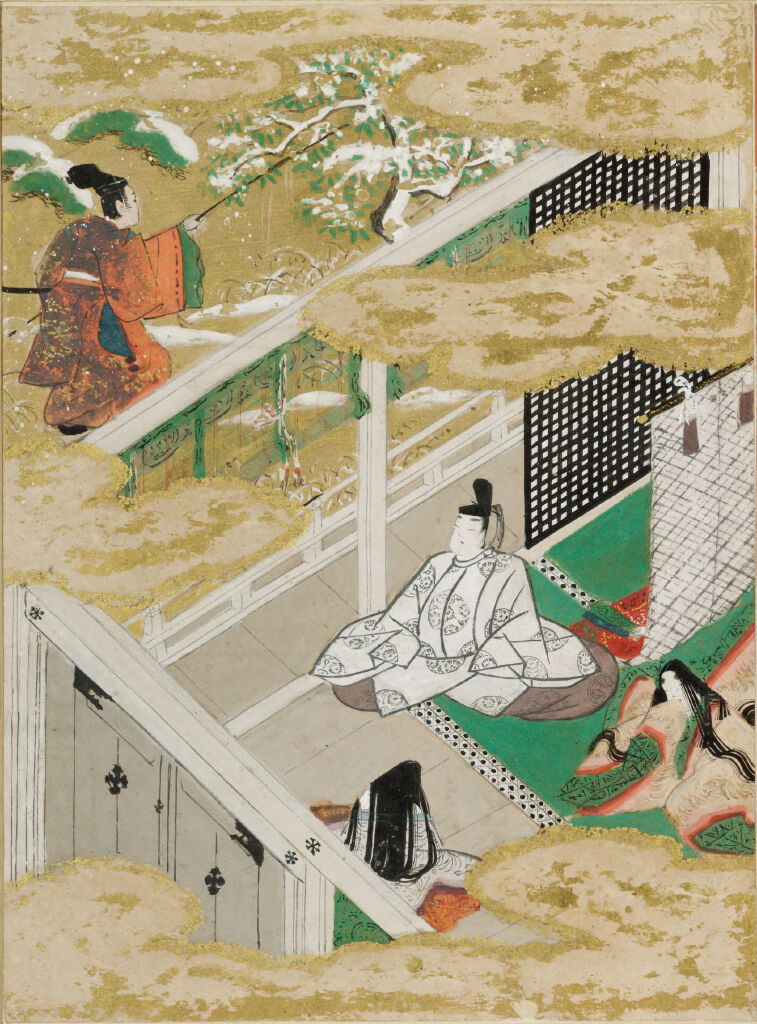
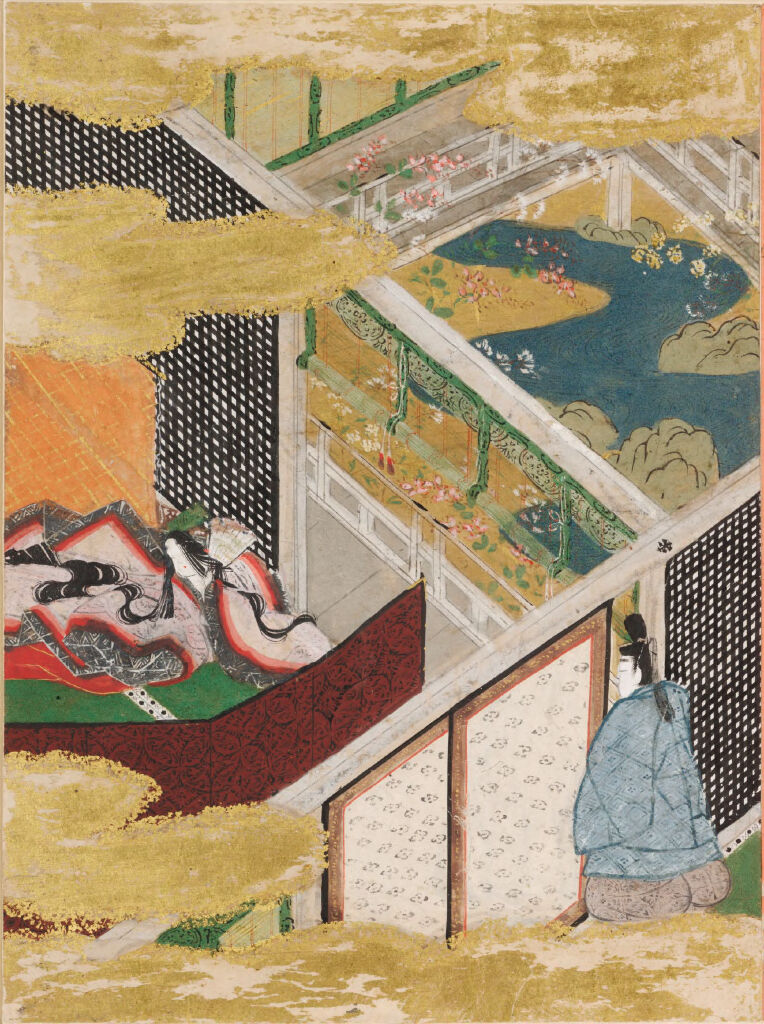
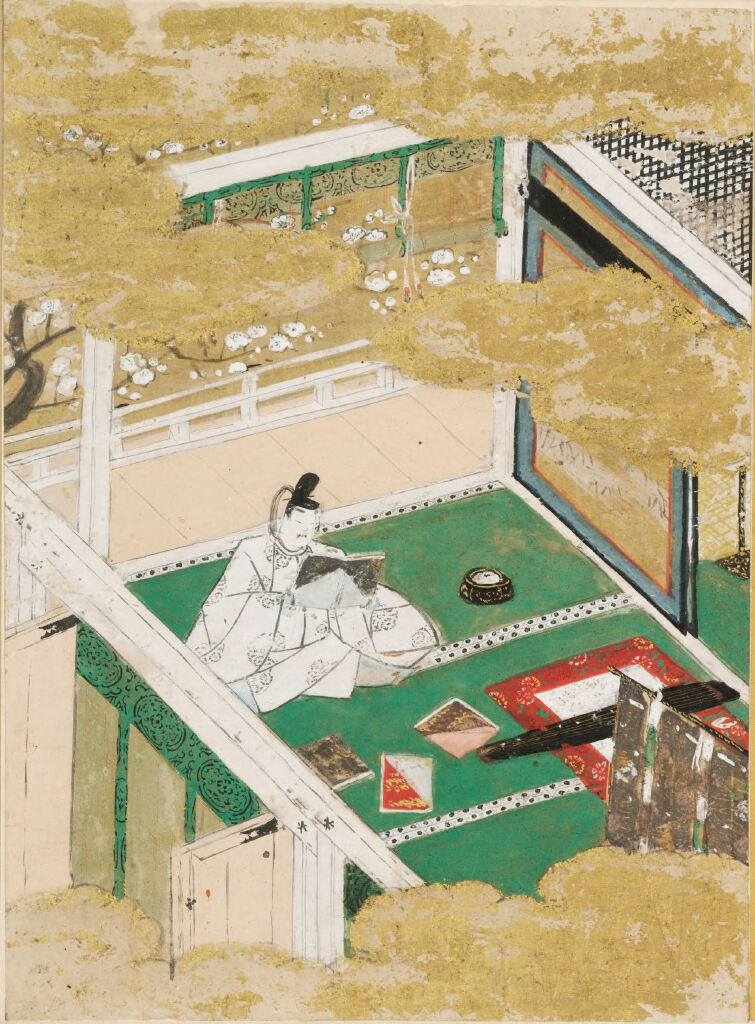
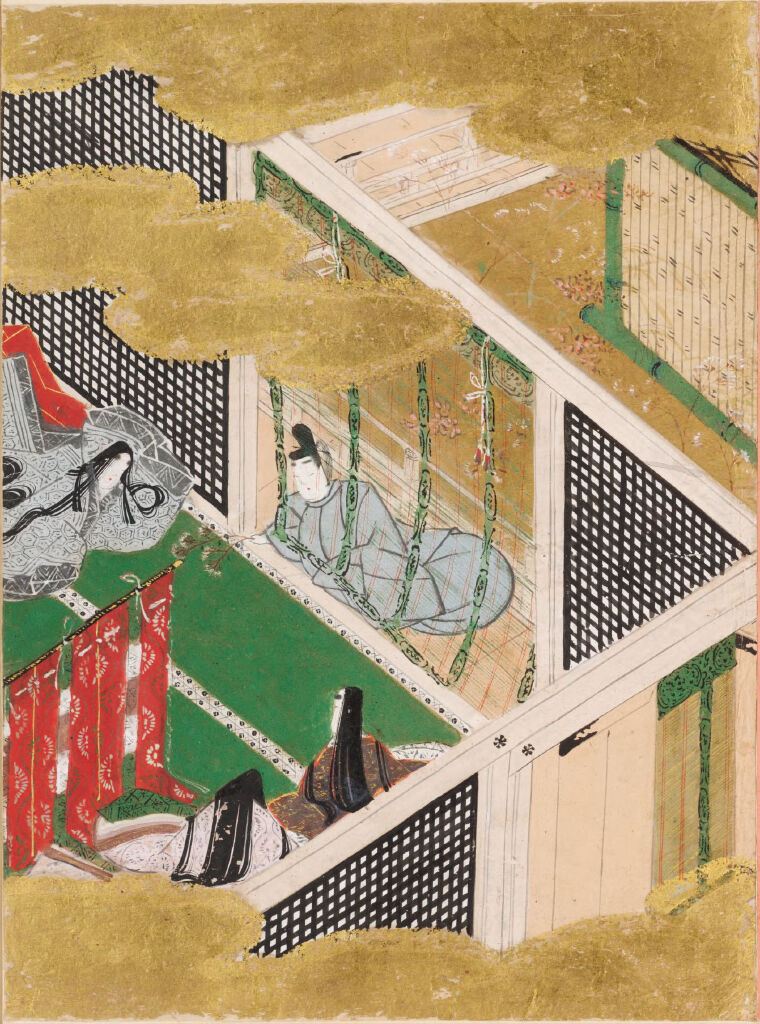
“Between color and silence, truth hides.” In the delicate interplay of hues and the whispered brushstrokes of time, one finds a world laden with meaning and introspection. Look closely at the intricate details woven into the fabric of this illustration. Notice the rich palette of greens and browns that dominate the scene, evoking the lushness of nature while contrasting it with the poignant narrative of decay. Focus on the subtle expressions of the figures; their gestures speak volumes of longing and introspection.
The meticulous layering of paint reveals a textured landscape, where every leaf and petal seems alive yet melancholic, capturing the essence of fleeting beauty. The tension between the vibrancy of life and the inevitability of decline resonates deeply. The weeds symbolize what is often overlooked: the beauty found in imperfection and the transience of existence. Each character’s gaze and posture suggest a moment of reflection, inviting the viewer to ponder the deeper connections between nature and human emotion.
This duality—of growth and decay, presence and absence—serves as a poignant reminder of the passage of time. Tosa Mitsunobu created this work during the Muromachi period, around 1509-1510, at a time when Japan was experiencing significant cultural and artistic transformation. This era saw the flourishing of the arts, particularly in court culture; Mitsunobu himself was a master of integrating traditional themes with innovative techniques. His illustrations for the Tale of Genji illustrate not only the elegance of the narrative but also the depth of feeling inherent in human experience, bridging the gap between literary and visual storytelling.