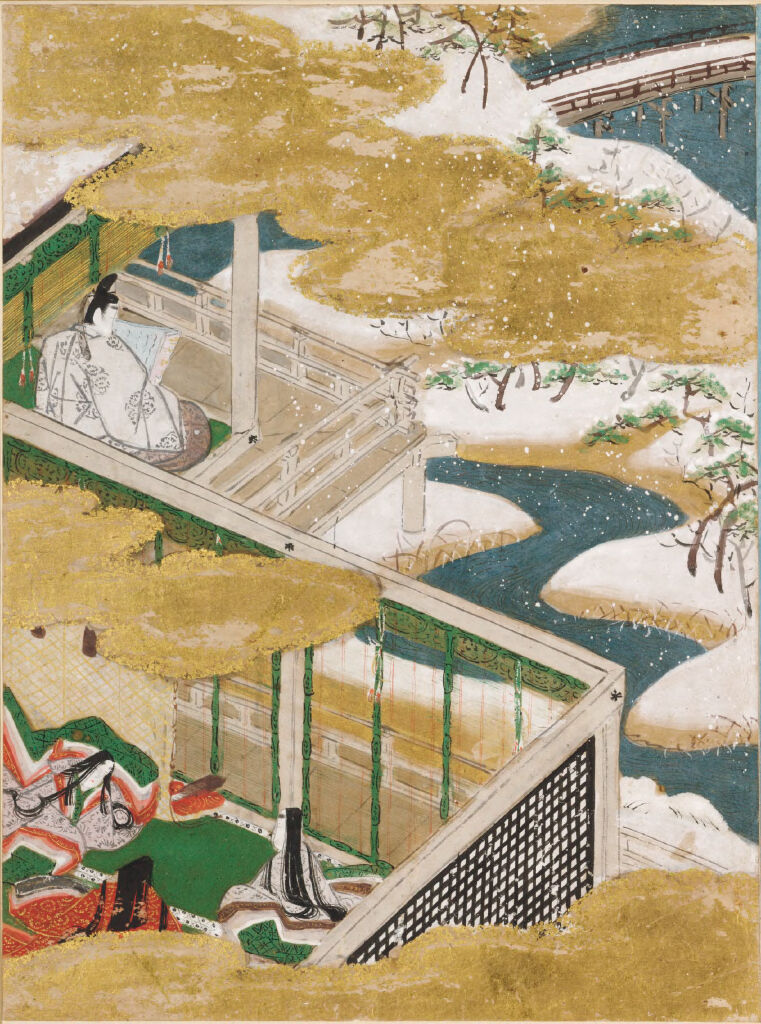
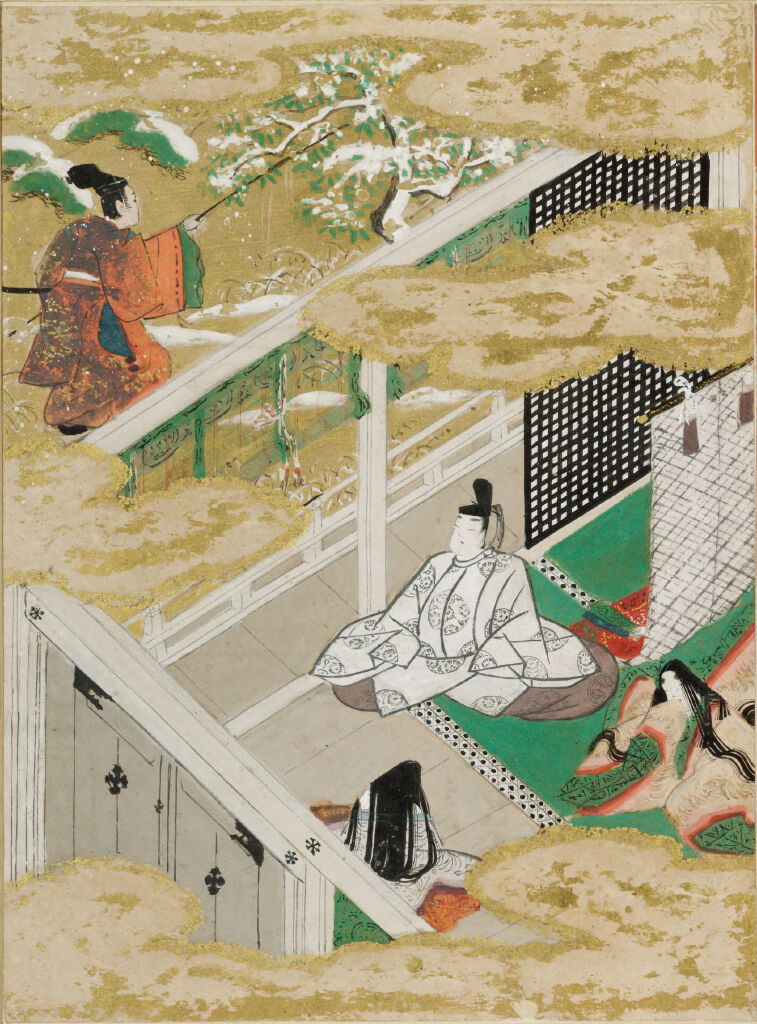
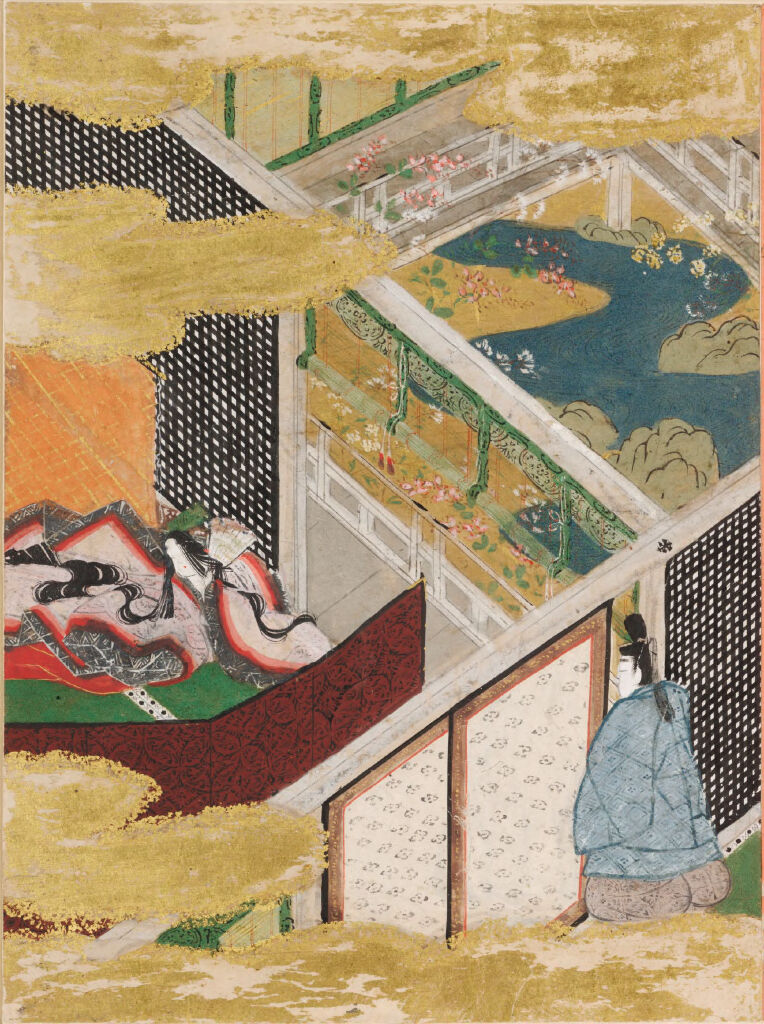
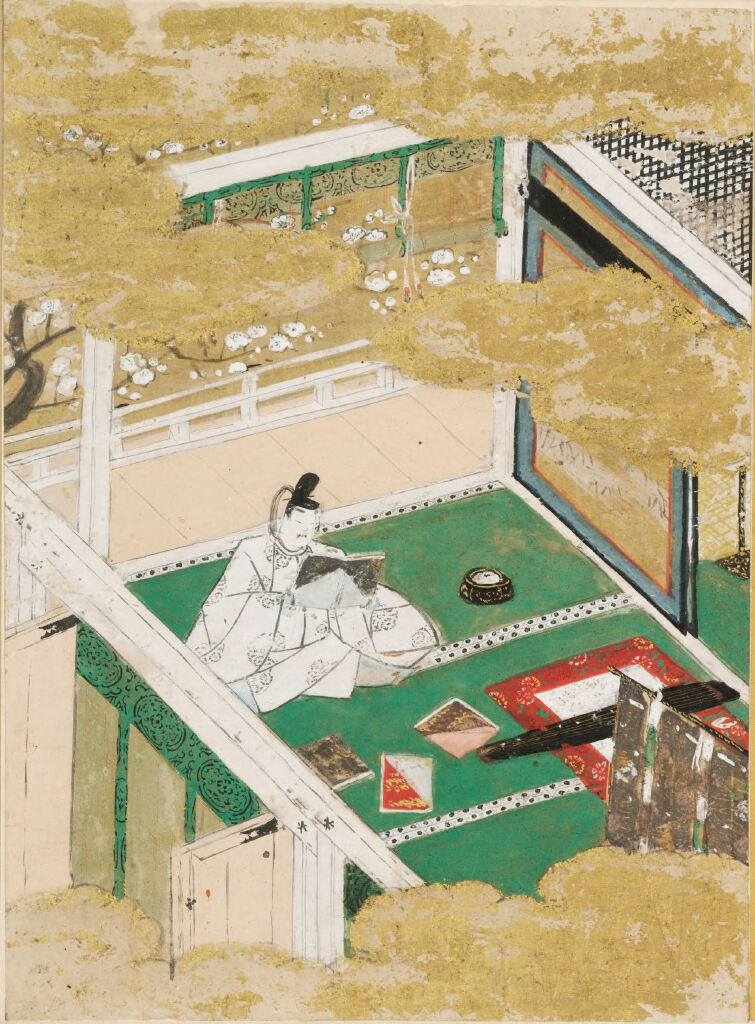
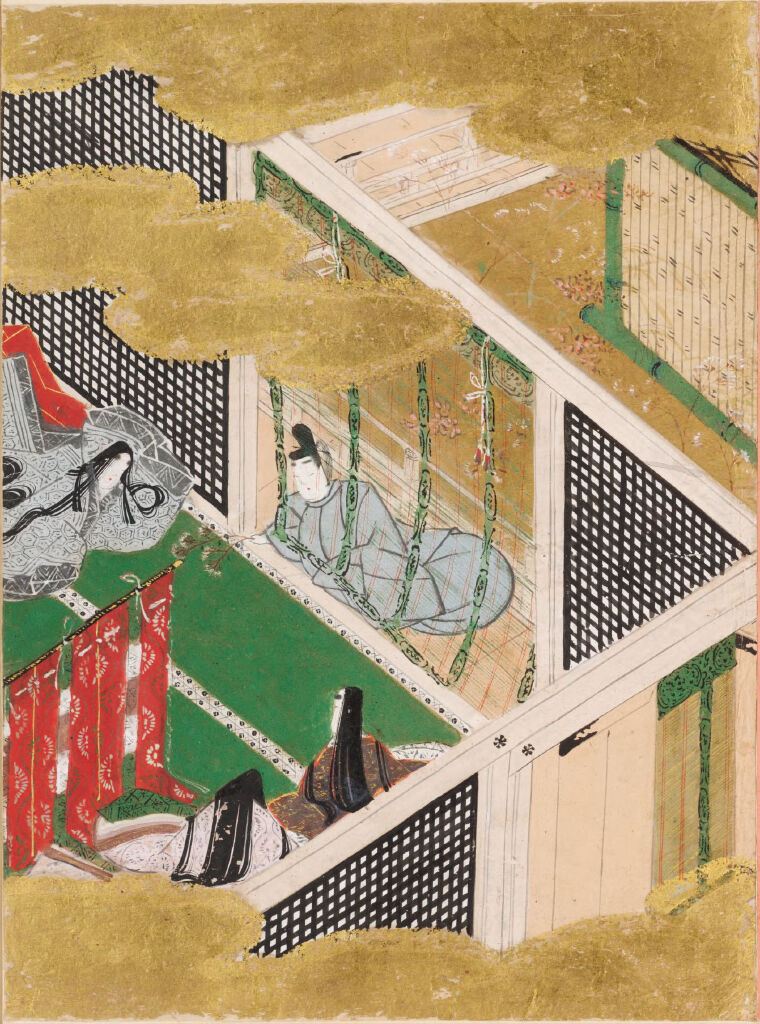
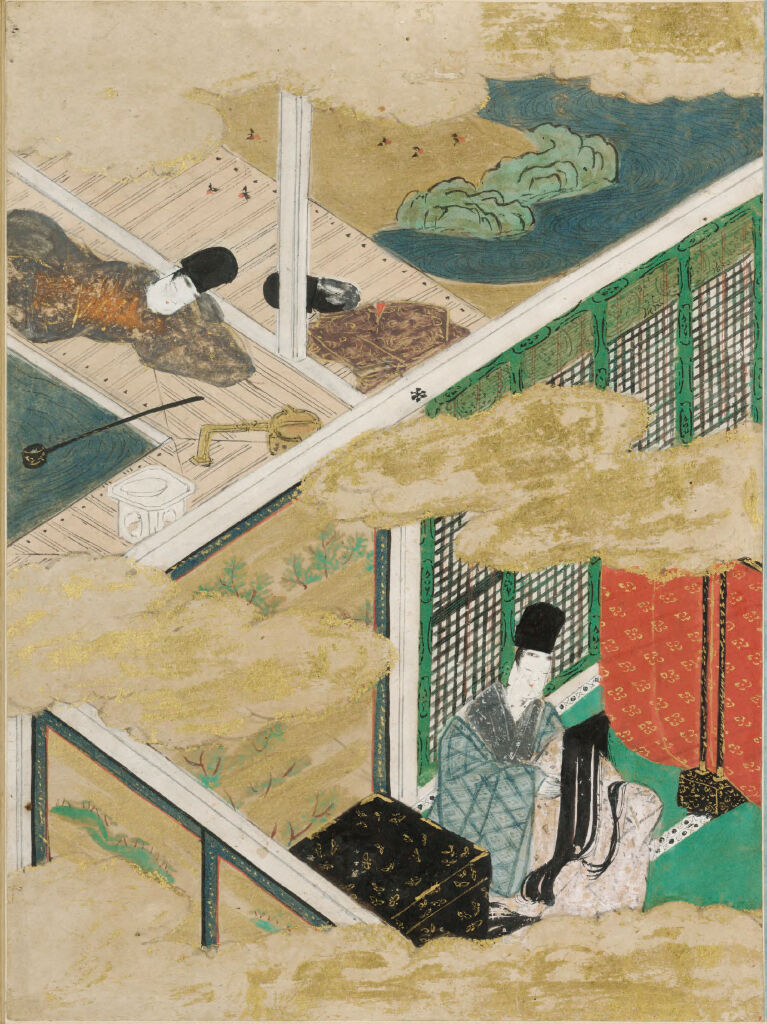
The Cicada Shell (Utsusemi), Illustration to Chapter 3 of the Tale of Genji (Genji monogatari) — History & Analysis
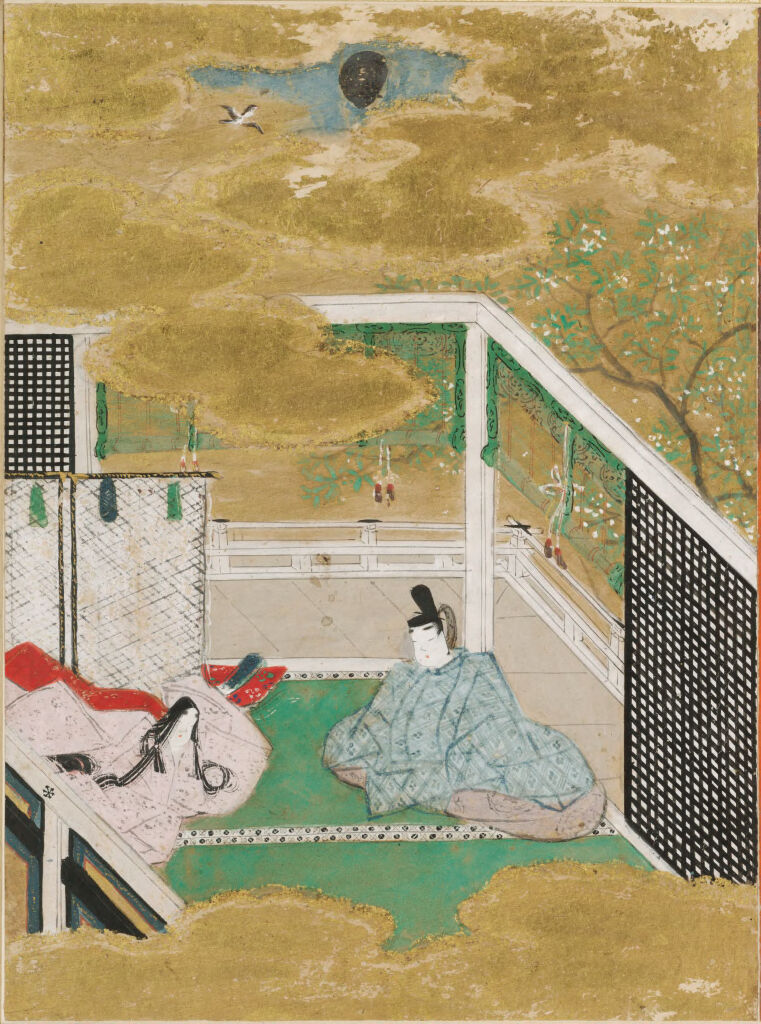
“To paint is to remember what time wants us to forget.” In the delicate world of The Cicada Shell, the ephemeral beauty of life is captured within a moment that invites contemplation and awe. This artwork transcends mere illustration, resonating with the themes of memory and longing woven throughout the Tale of Genji. Look closely at the cicada shell positioned centrally on the page, its intricate patterns and textures evoking a fragile past. The artist’s meticulous attention to detail brings the shell to life, with soft shades of browns and greens blending seamlessly against the picture's muted background.
Notice how the gentle brushstrokes create a sense of depth, emphasizing the shell's delicate structure while an ethereal light seems to emanate from within. Each contour and shadow serves to highlight the fleeting nature of existence, encouraging viewers to reflect on their own transient journeys. Beneath the surface, the cicada shell symbolizes the themes of transformation and the passage of time, drawing a parallel to the lives of the characters in the Tale of Genji. The cicada, known for its brief yet vibrant life, represents the essence of impermanence, while the shell stands as a reminder of what remains after vibrant life has faded.
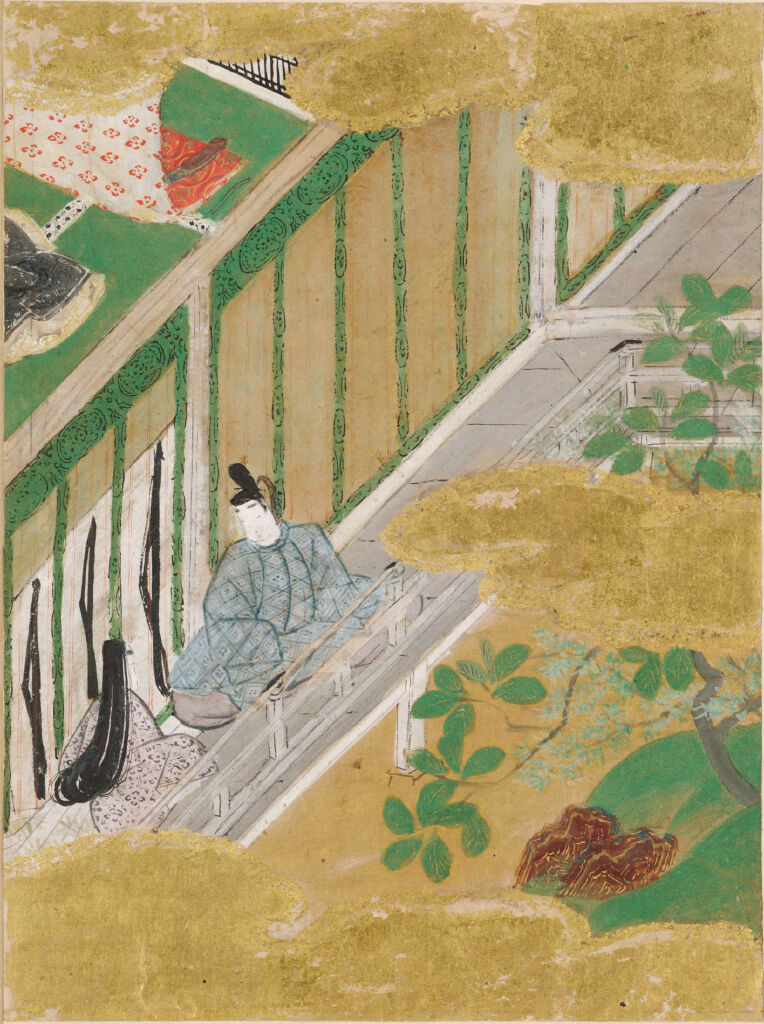
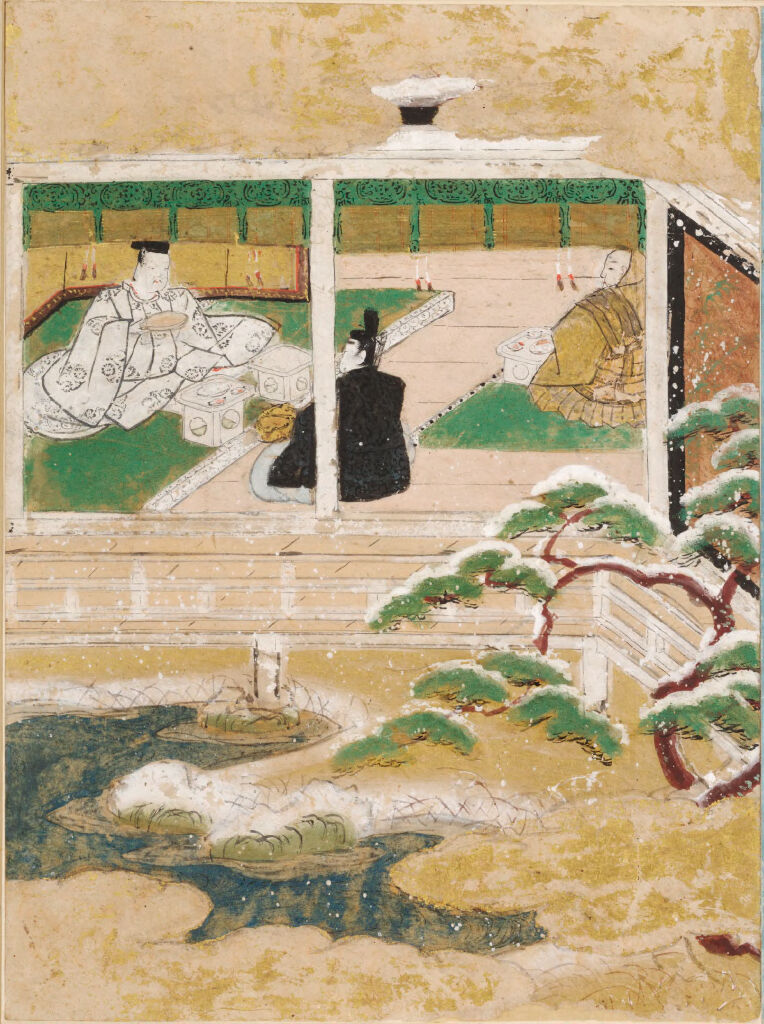
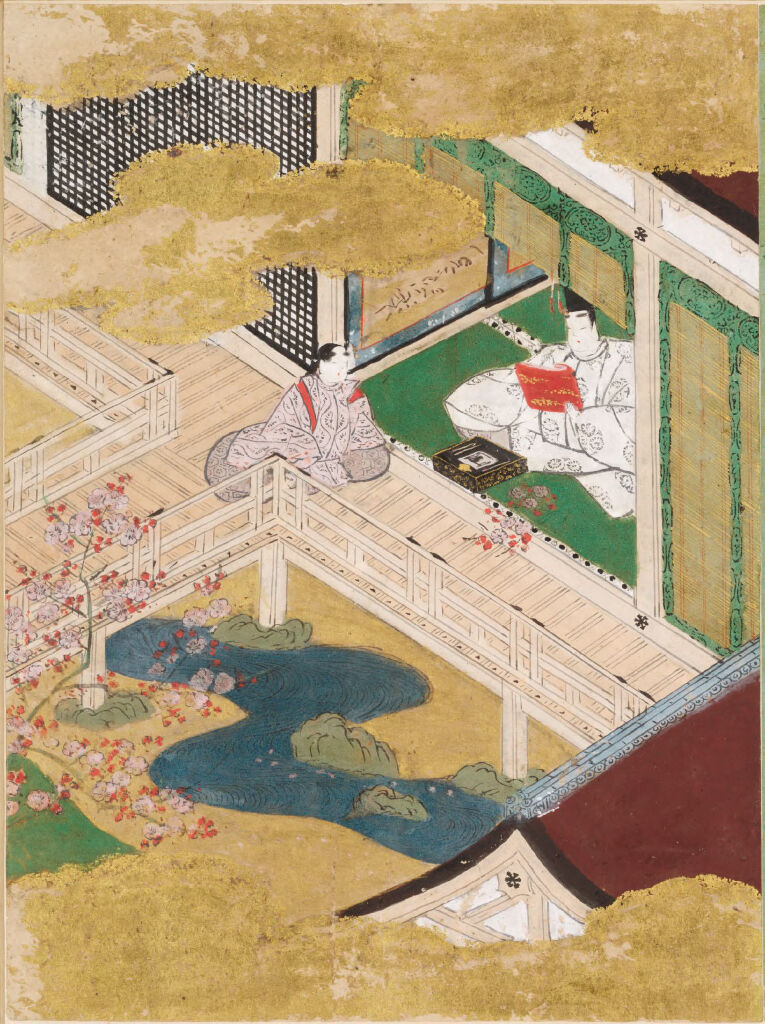
This contrast between life and memory draws viewers into a deeper emotional realm, prompting an introspective dialogue about loss and nostalgia. Tosa Mitsunobu crafted this exquisite illustration during the Muromachi period, around 1509-1510, while Japan was experiencing a flourishing of art and literature. As a prominent figure of the Tosa school, Mitsunobu aimed to bridge traditional Japanese aesthetics with the demands of a changing cultural landscape. This period marked a significant moment in Japanese art, as the interplay of classic and contemporary styles shaped the visual narrative of the era.