
The Oak Tree (Kashiwagi), Illustration to Chapter 36 of the Tale of Genji (Genji monogatari) — History & Facts
Can beauty exist without sorrow? The resonance of this question lingers in the air, inviting contemplation in the delicate lines and muted colors of the artwork. The Oak Tree, an illustration fashioned during a time steeped in aesthetic refinement and cultural introspection, serves as a poignant reflection on the intricate tapestry of life’s joys and heartaches. Look closely at the center, where the gnarled branches of the tree extend outward like silent witnesses to the moments unfolding beneath them. Notice how the artist employs a rich palette of greens and browns, creating a lifelike texture that draws the eye toward the intricately rendered leaves.
The subtle play of light delicately bathes the scene, casting soft shadows that suggest a time of day when warmth and melancholy intertwine. Each stroke reveals not just the physicality of the tree, but also its role as a metaphor for endurance and solitude. The emotional depth is enriched by the juxtaposition of natural beauty and human experience. Hidden within the detailed foliage, there lies a whisper of transience, evoking the fragility of existence.
The tree stands not only as a symbol of resilience but also as a reminder of what is lost — the fleeting nature of life, akin to the ephemeral moments captured in the Tale of Genji itself. This tension between permanence and impermanence weaves a complex narrative that invites the viewer to reflect on their own journey. In the early 16th century, Tosa Mitsunobu painted this work during the Muromachi period, a time marked by the flourishing of Japanese art and literature. As the world around him grappled with shifts in social and political structures, Mitsunobu's artistry reflected the era's rich cultural renaissance, blending traditional techniques with personal expression.
His illustrations of the Tale of Genji, particularly this piece, showcase a profound engagement with the emotional landscapes of his characters, marrying visual art with the depth of human experience.
Sources: Museum record · Wikidata Q106864356
More Artworks by Tosa Mitsunobu
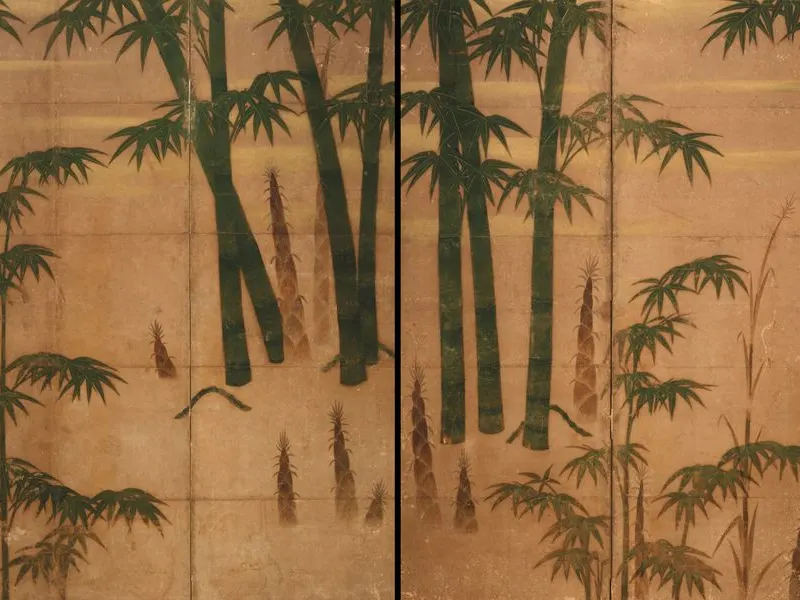
Bamboo in the Four Seasons
Tosa Mitsunobu

Falling Flowers (Hanachirusato), Illustration to Chapter 11 of the Tale of Genji (Genji monogatari)
Tosa Mitsunobu
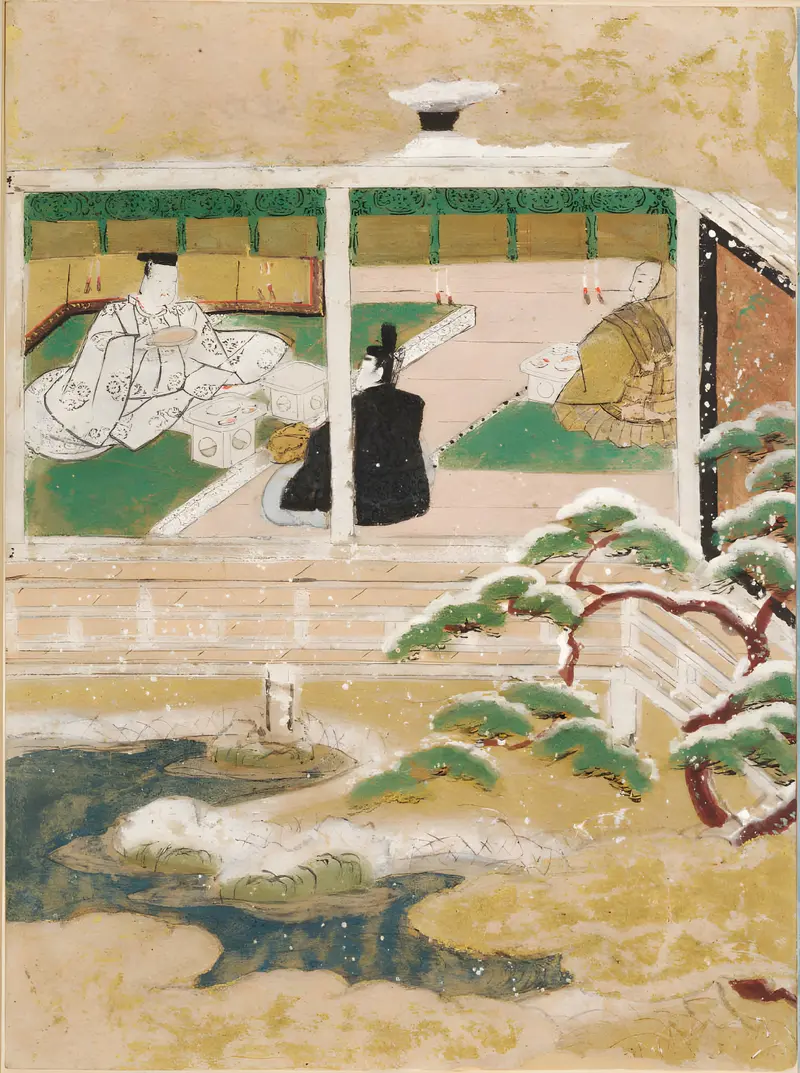
The Seer (Maboroshi), Illustration to Chapter 41 of the Tale of Genji (Genji monogatari)
Tosa Mitsunobu
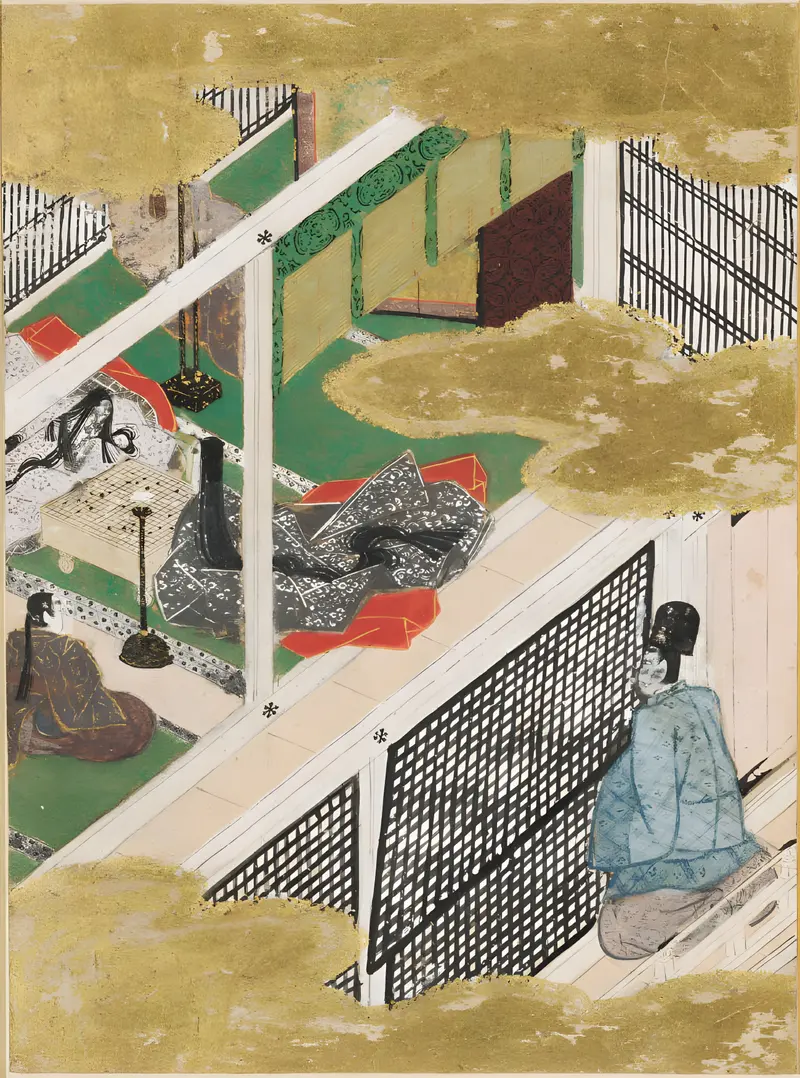
The Cicada Shell (Utsusemi), Illustration to Chapter 3 of the Tale of Genji (Genji monogatari)
Tosa Mitsunobu
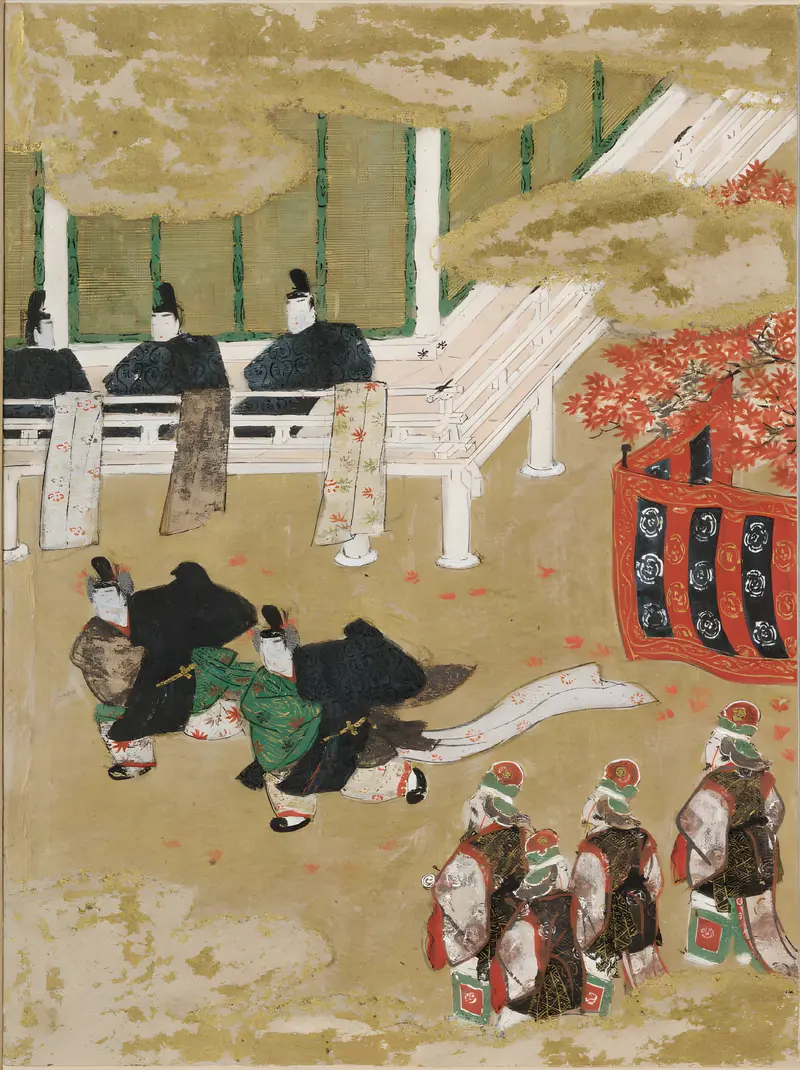
Beneath the Autumn Leaves (Momiji no Ga), Illustration to Chapter 7 of the Tale of Genji (Genji monogatari)
Tosa Mitsunobu
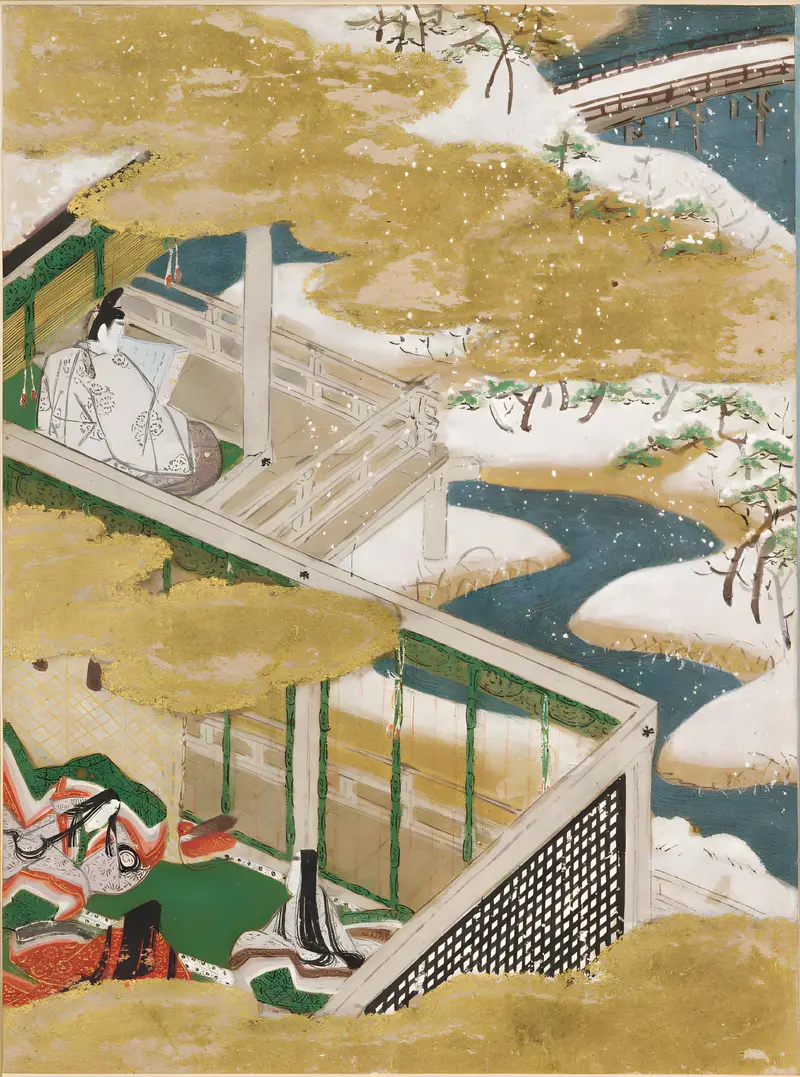
Beneath the Oak (Shiigamoto), Illustration to Chapter 46 of the Tale of Genji (Genji monogatari)
Tosa Mitsunobu
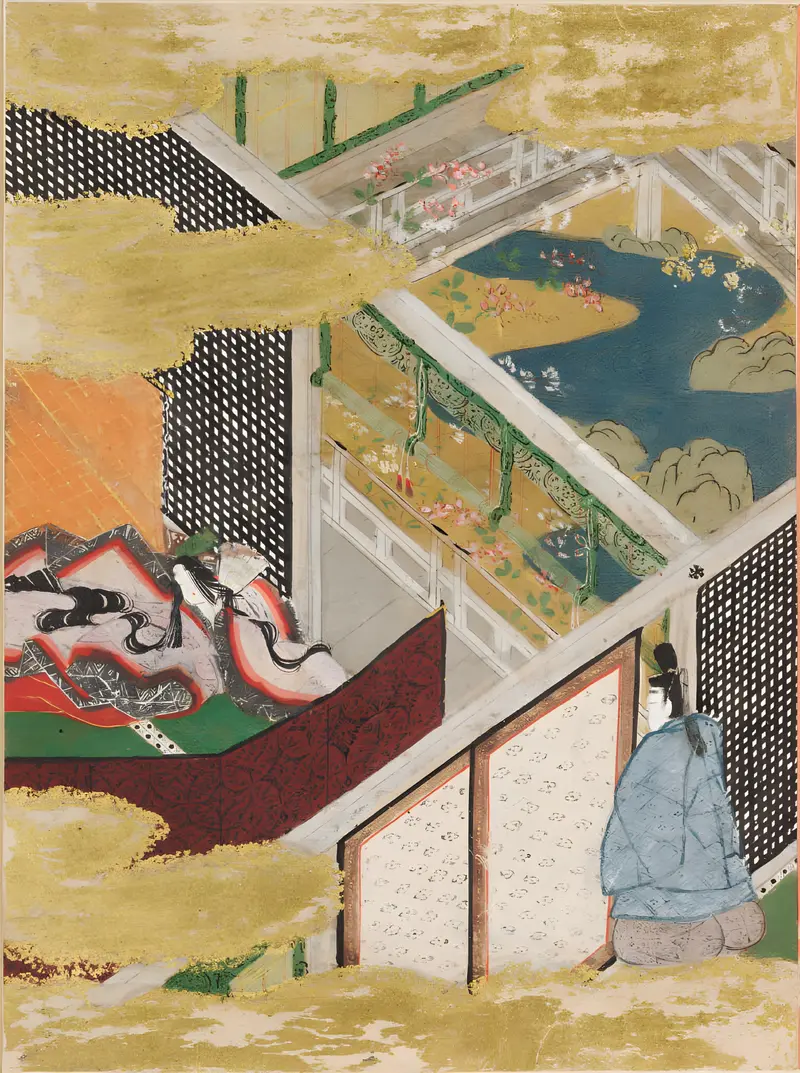
The Eastern Cottage (Azumaya), Illustration to Chapter 50 of the Tale of Genji (Genji monogatari)
Tosa Mitsunobu
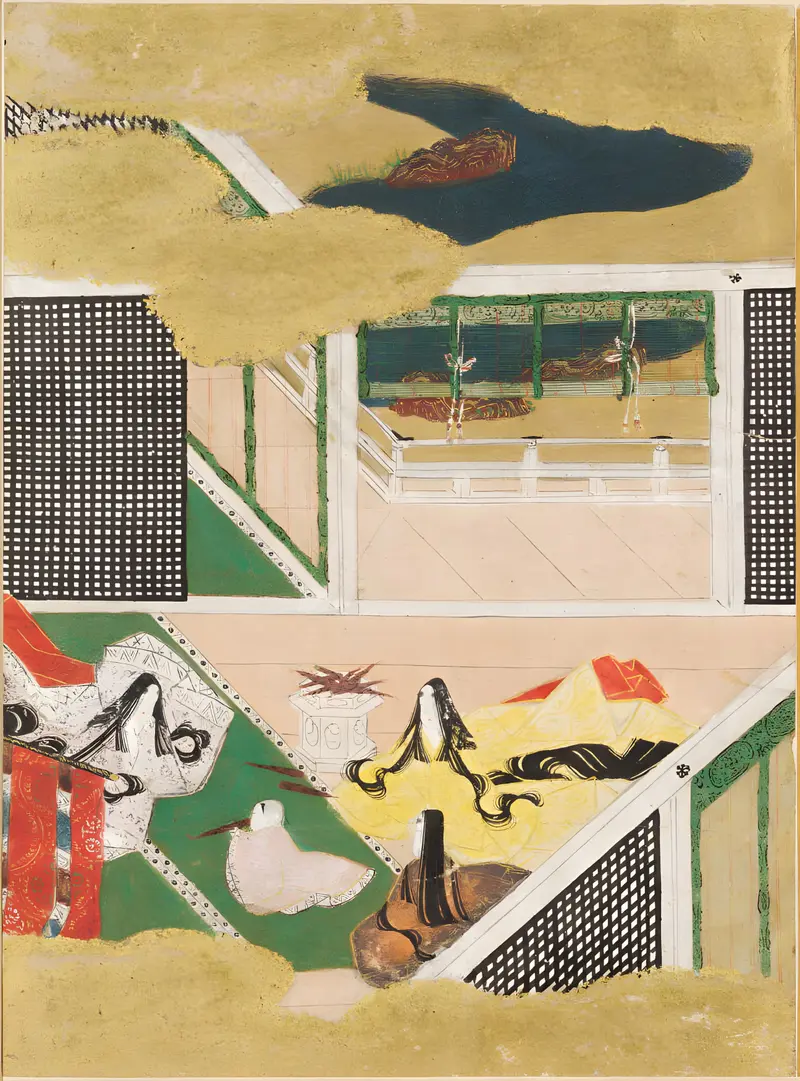
The Flute (Yokobue), Illustration to Chapter 37 of the Tale of Genji (Genji monogatari)
Tosa Mitsunobu

Wisps of Cloud (Usugumo), Illustration to Chapter 19 of the Tale of Genji (Genji monogatari)
Tosa Mitsunobu
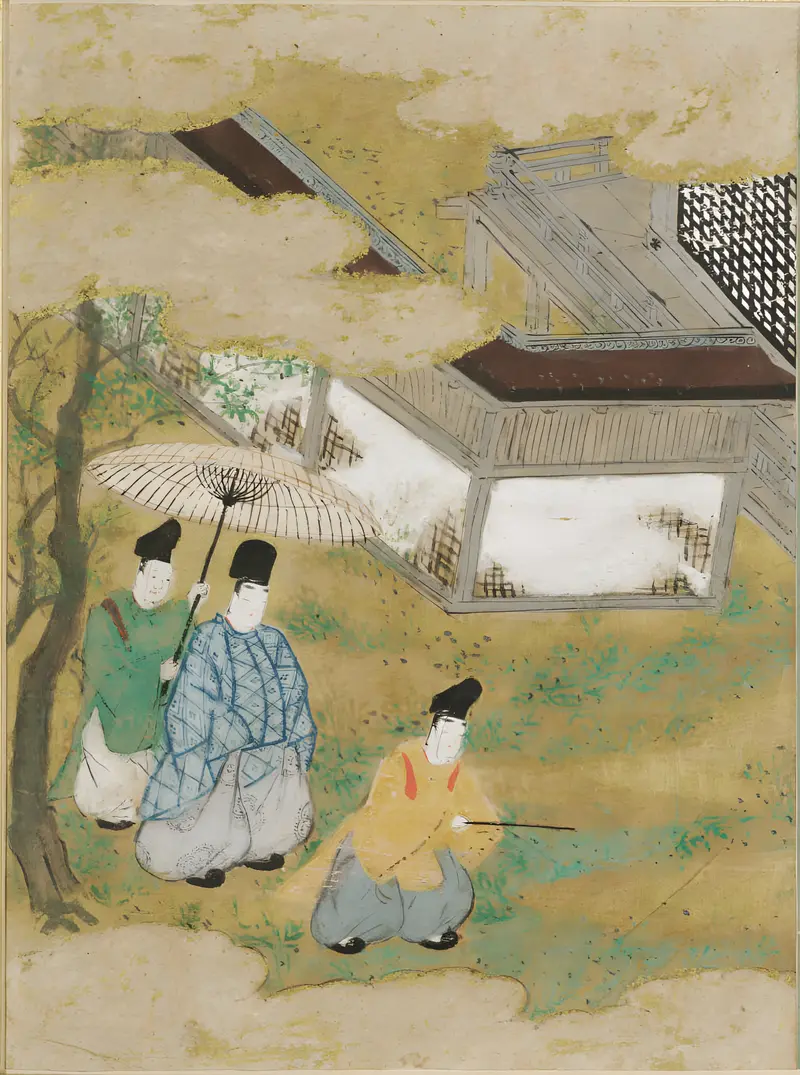
A Waste of Weeds (Yomogiu), Illustration to Chapter 15 of the Tale of Genji (Genji monogatari)
Tosa Mitsunobu





