The Warbler’s First Song (Hatsune), Illustration to Chapter 23 of the Tale of Genji (Genji monogatari) — History & Analysis
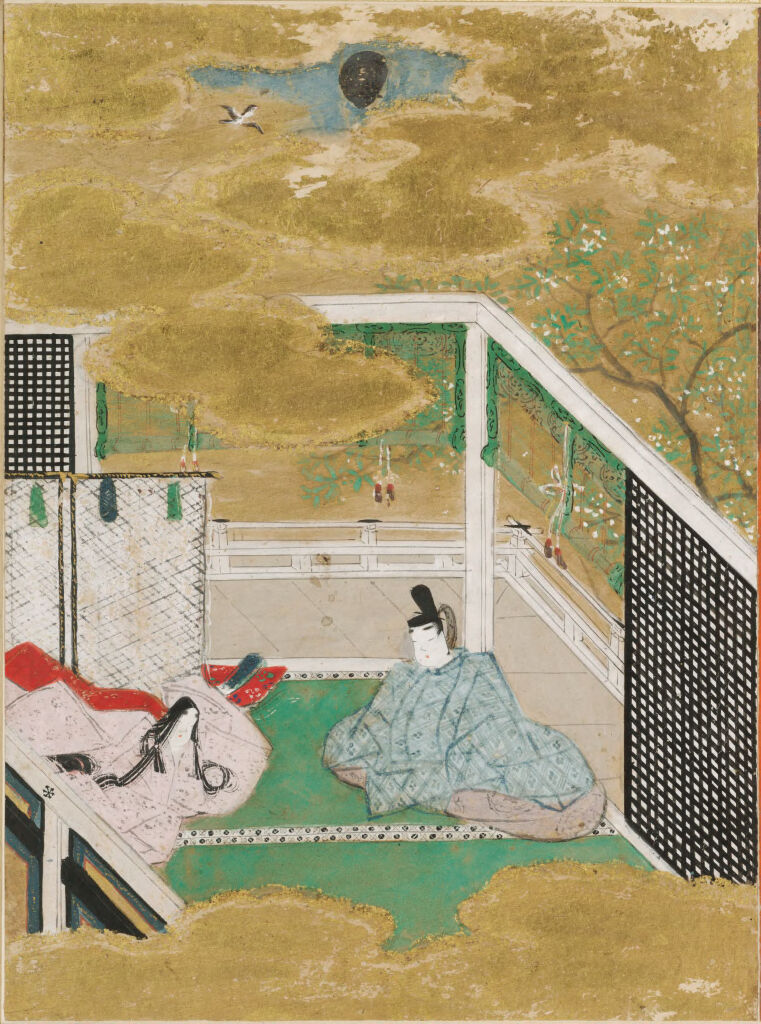
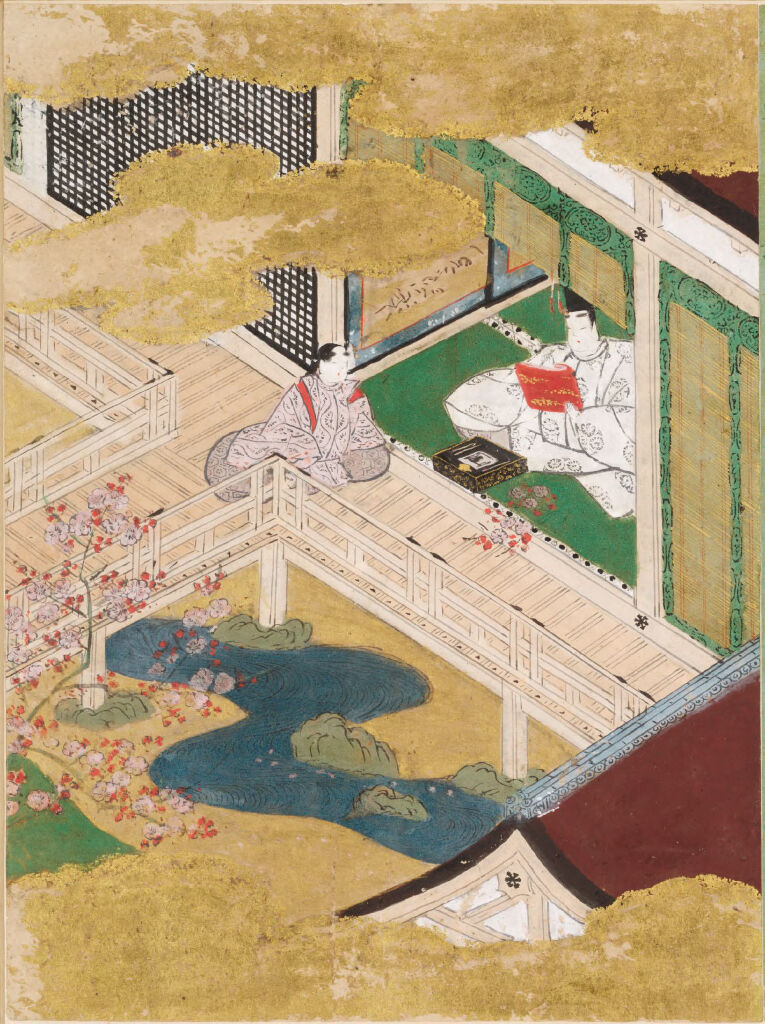
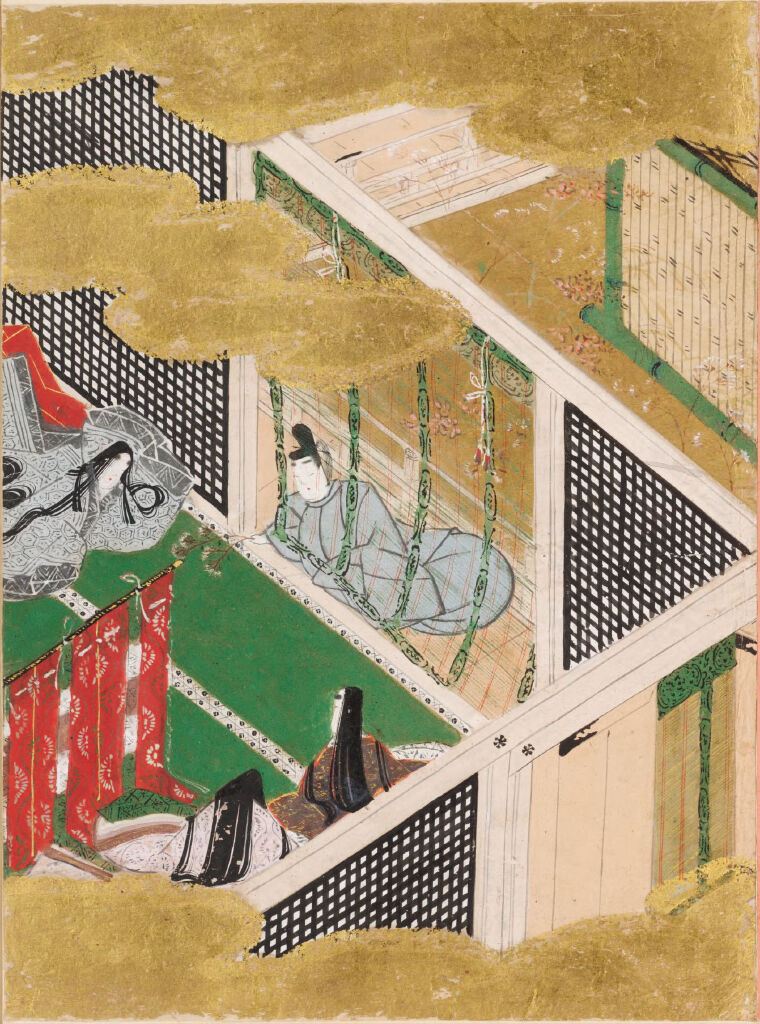
“Between color and silence, truth hides.” The delicate harmony of hues reveals narratives that words often cannot convey. In the realm of art, color dances on the edge of emotion, whispering secrets and igniting our deepest connections. Look to the right at the serene figure of the noblewoman, her attire a rich tapestry of soft pastels and vibrant reds. Notice how the fall of her sleeves cascades gracefully, echoing the gentle flow of her surroundings.
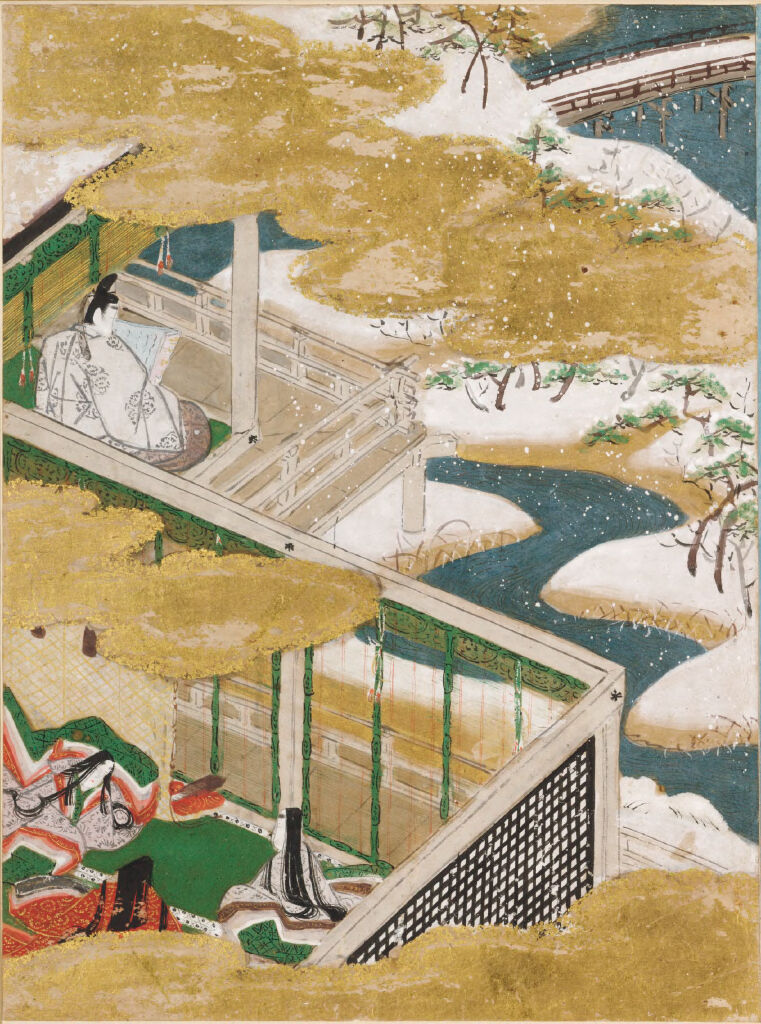
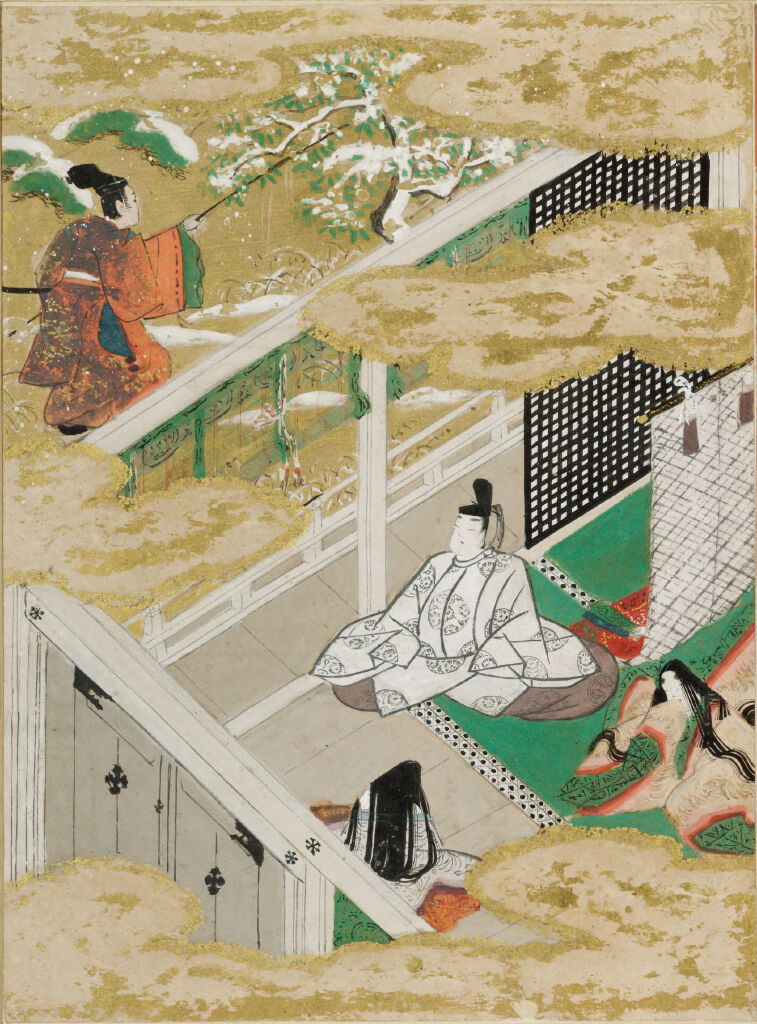
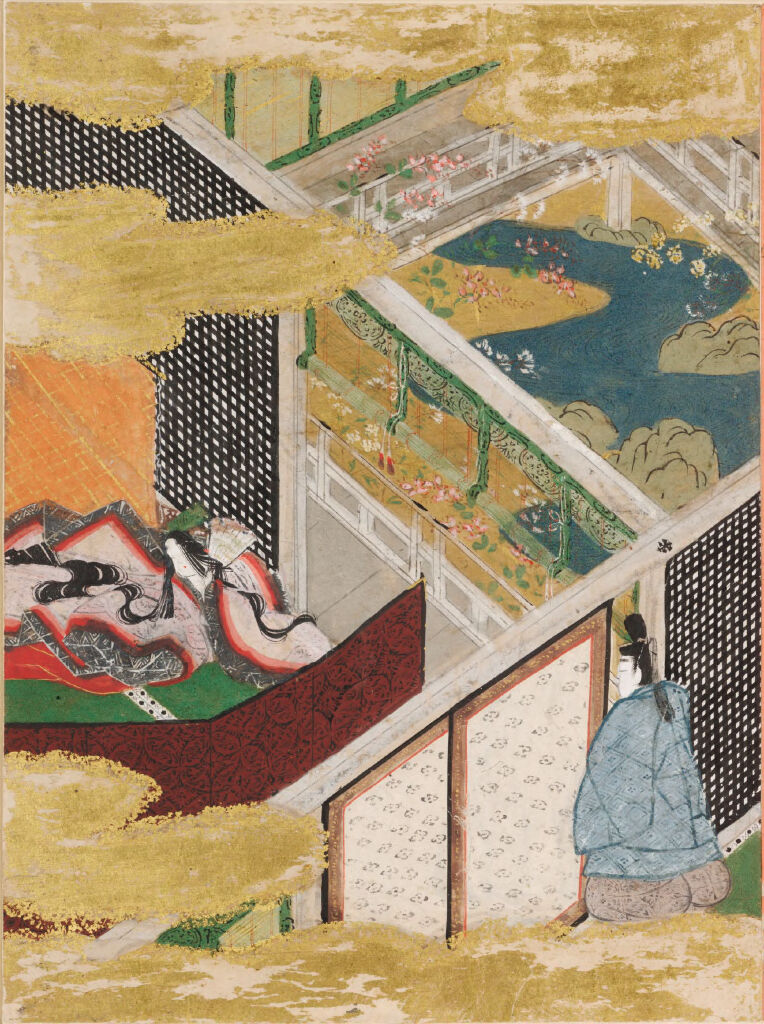
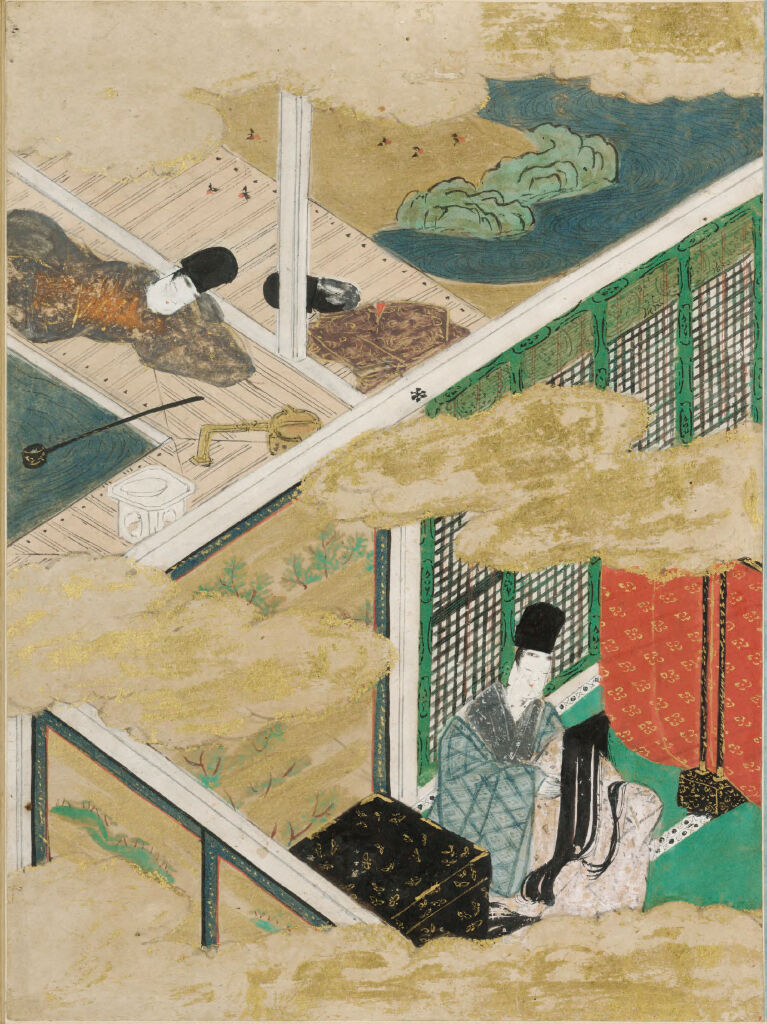
Tosa Mitsunobu employs a meticulous technique, blending bold outlines with intricate patterns that lead the eye across the composition. The soft washes of color create a dreamlike atmosphere, inviting viewers to linger in this moment of quiet contemplation. As you explore further, the juxtaposition of the noblewoman’s poised demeanor against the vibrant, blossoming flora encapsulates the fleeting nature of life and beauty. The song of the warbler, seemingly absent yet felt, serves as an emblem of change and new beginnings, hinting at the bittersweet nature of the tale.
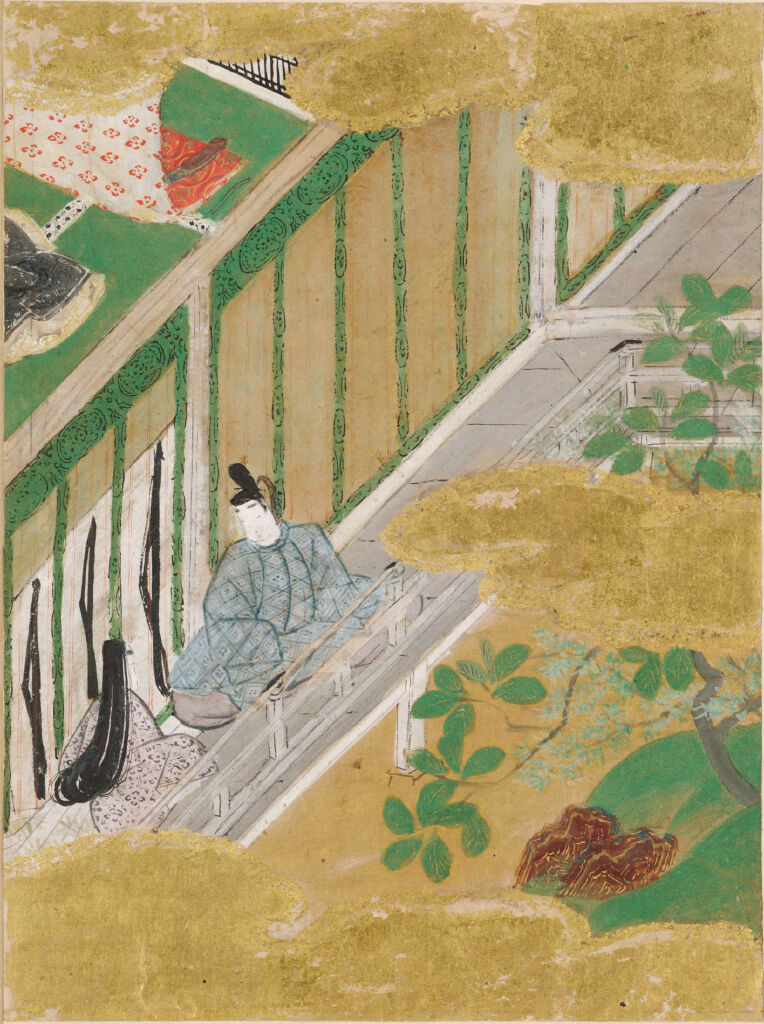
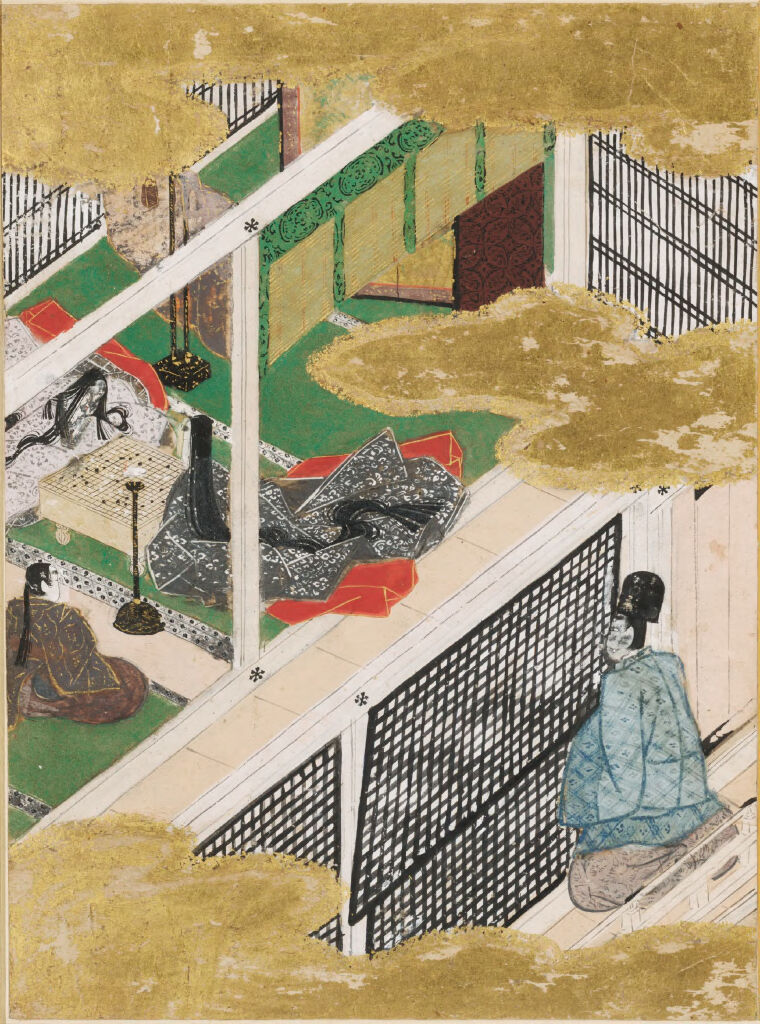
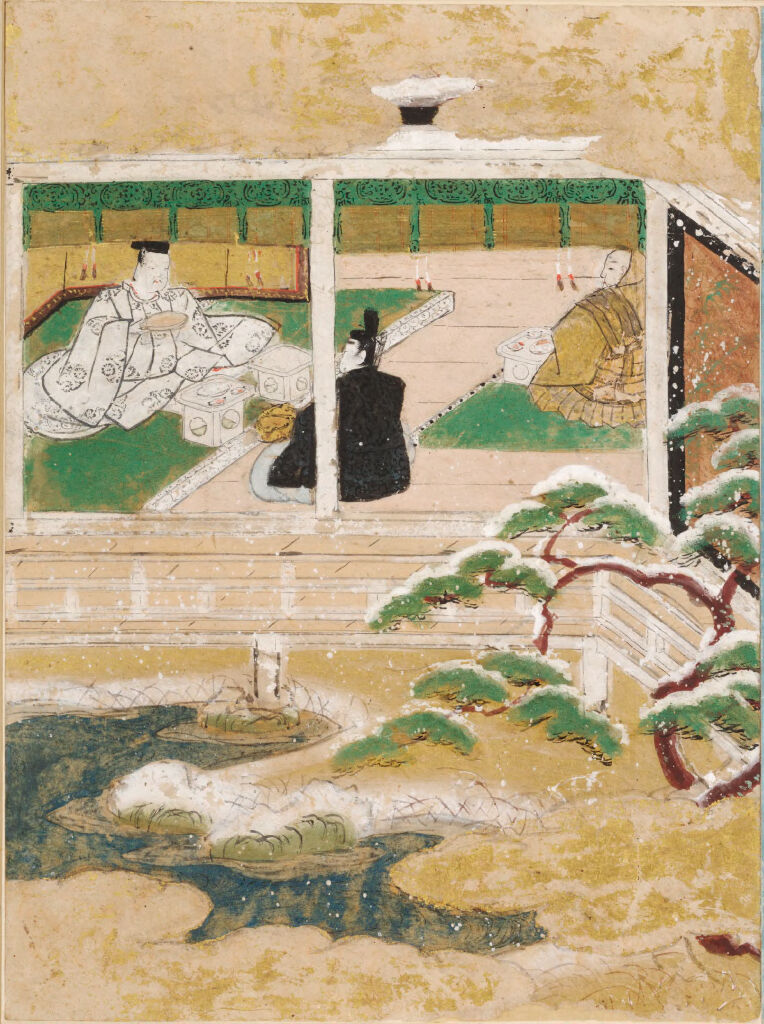
Each element, from the chirping bird to the flowers in bloom, contributes layers of meaning that reflect the impermanence celebrated in the Tale of Genji. Created in the early 16th century during Japan's Muromachi period, this artwork exemplifies the elegance of the yamato-e style, characterized by its narrative and decorative qualities. Tosa Mitsunobu, a leading figure in this artistic movement, painted during a time of patronage for the arts, where literature and visual culture flourished. His work not only represents the literary richness of Genji monogatari but also encapsulates the delicate aesthetics of a society deeply attuned to the subtleties of nature and emotion.