Thoroughwort Flowers (Fujibakama), Illustration to Chapter 30 of the Tale of Genji (Genji monogatari) — History & Analysis
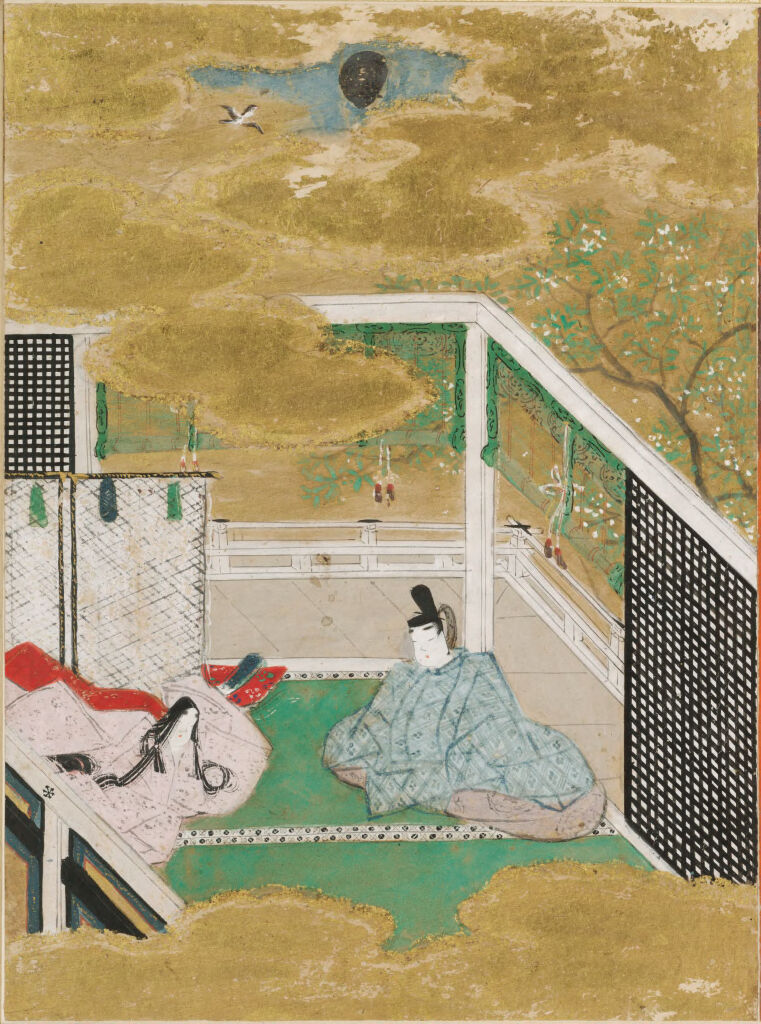
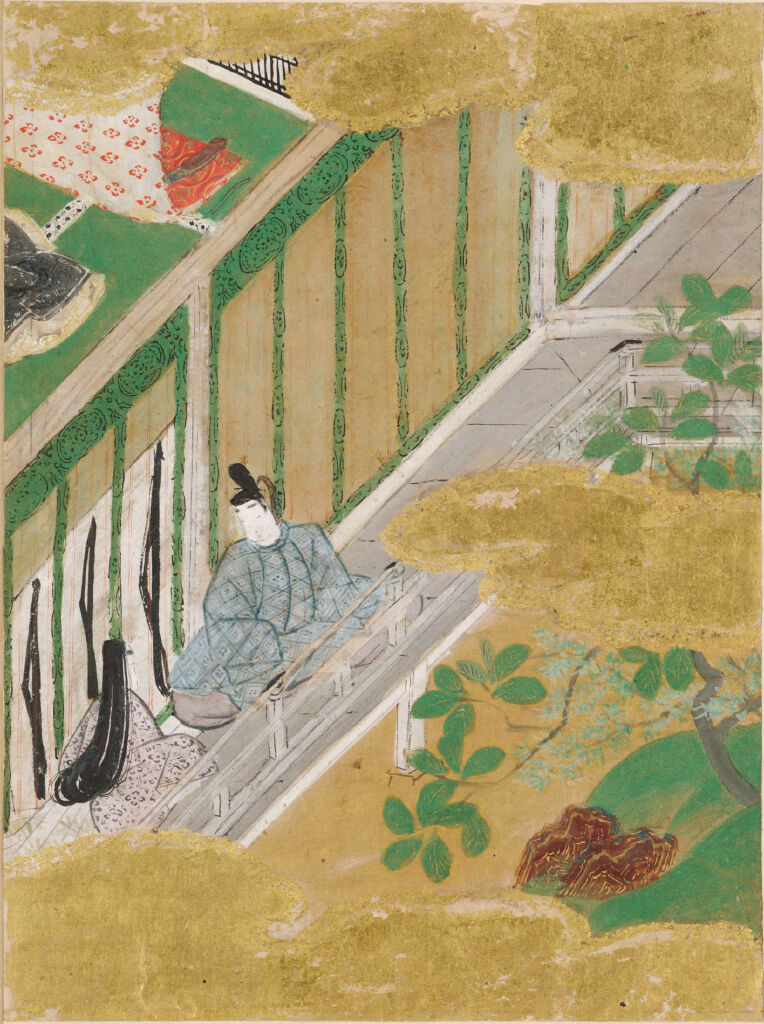
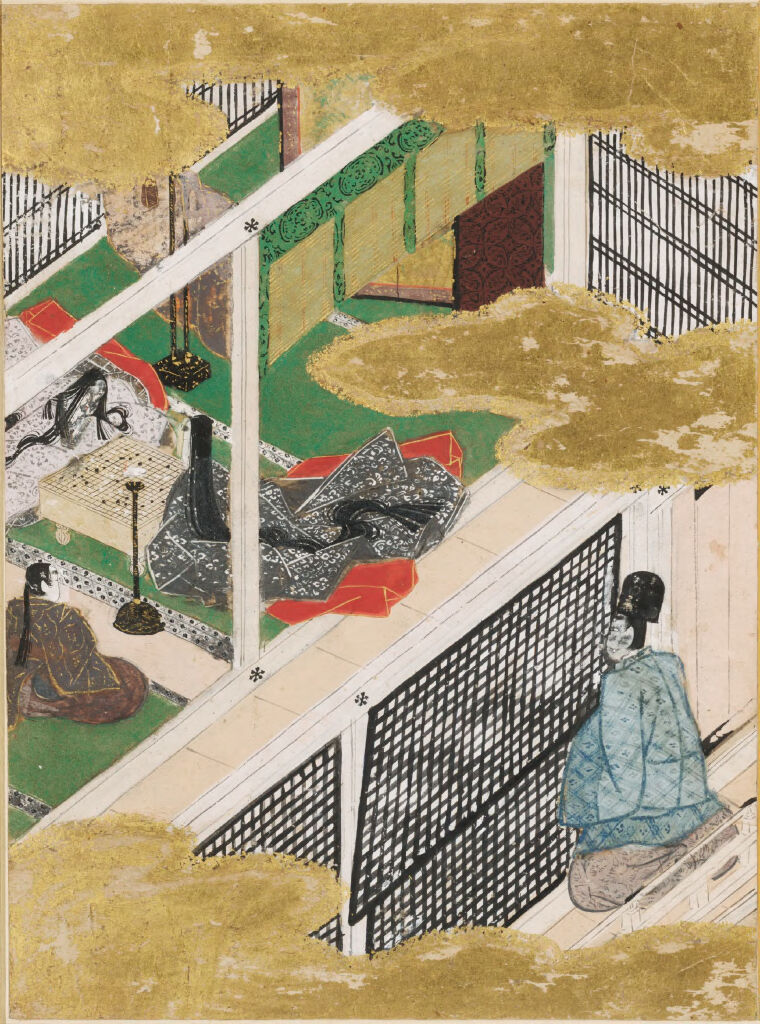
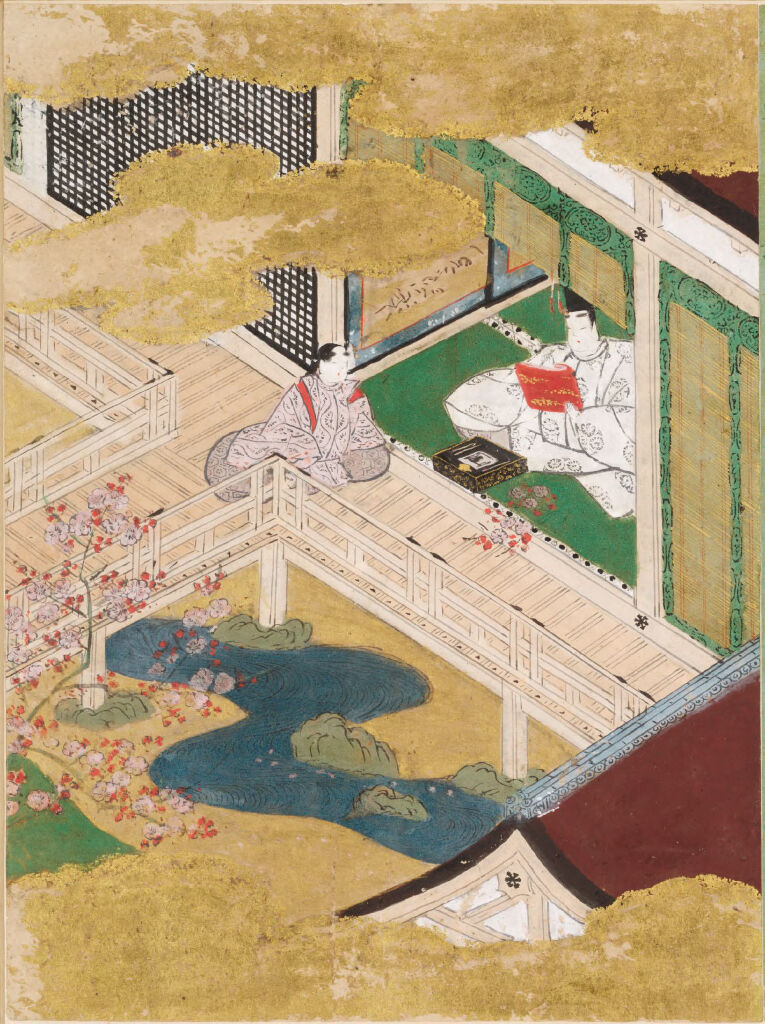
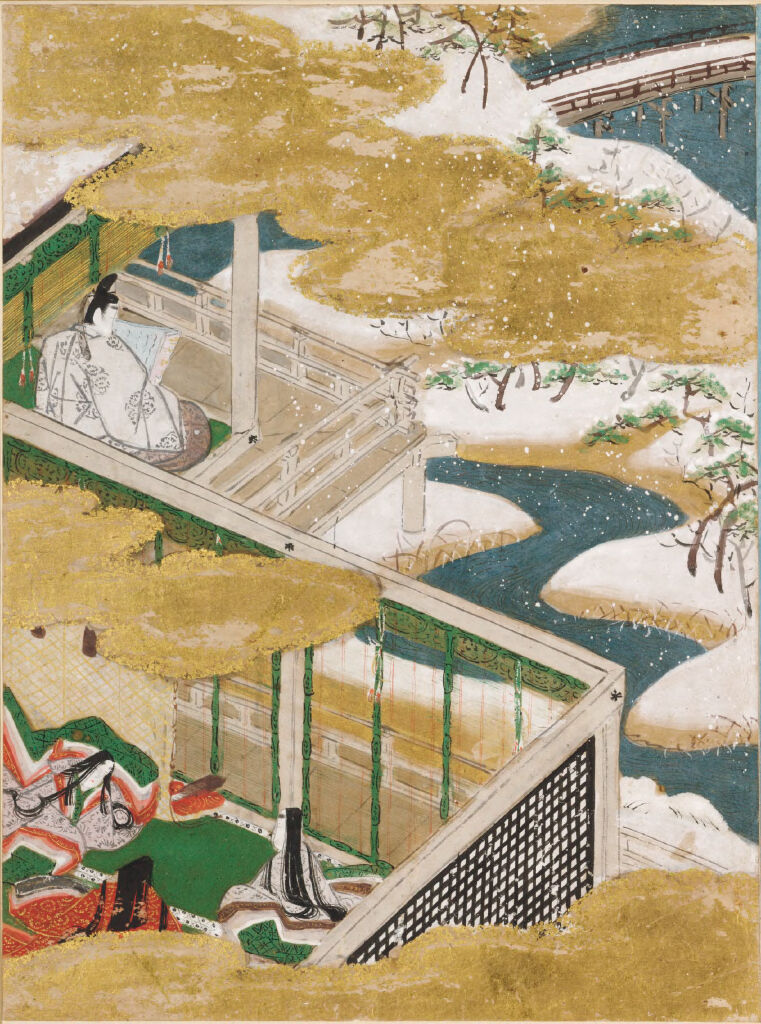
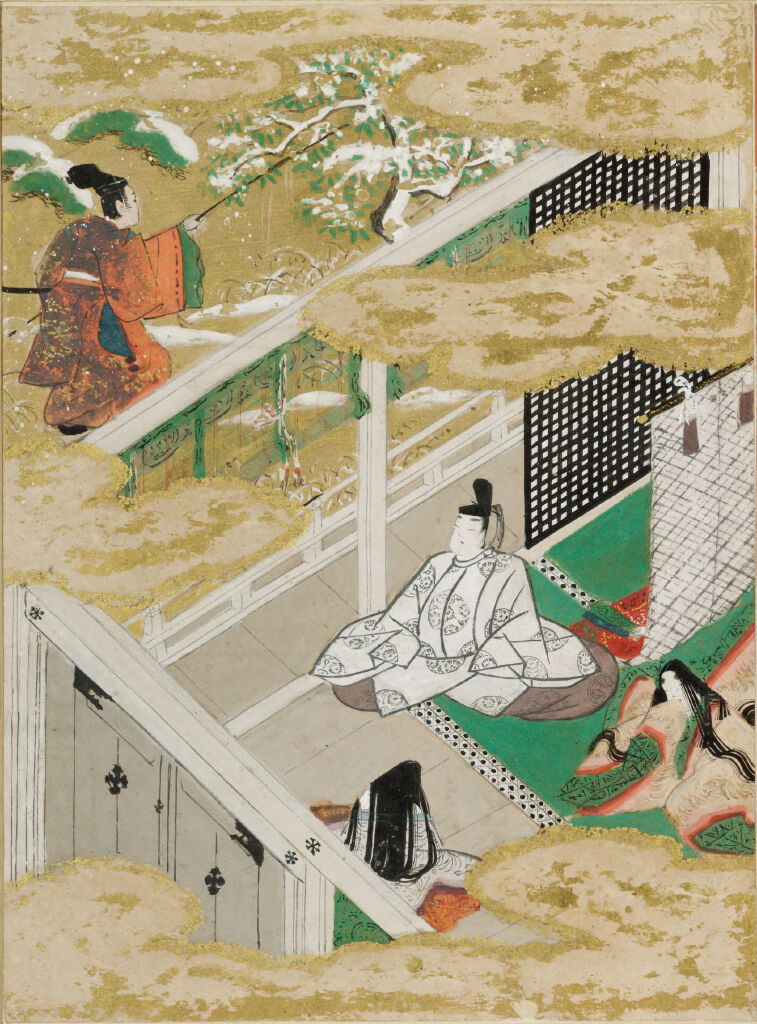
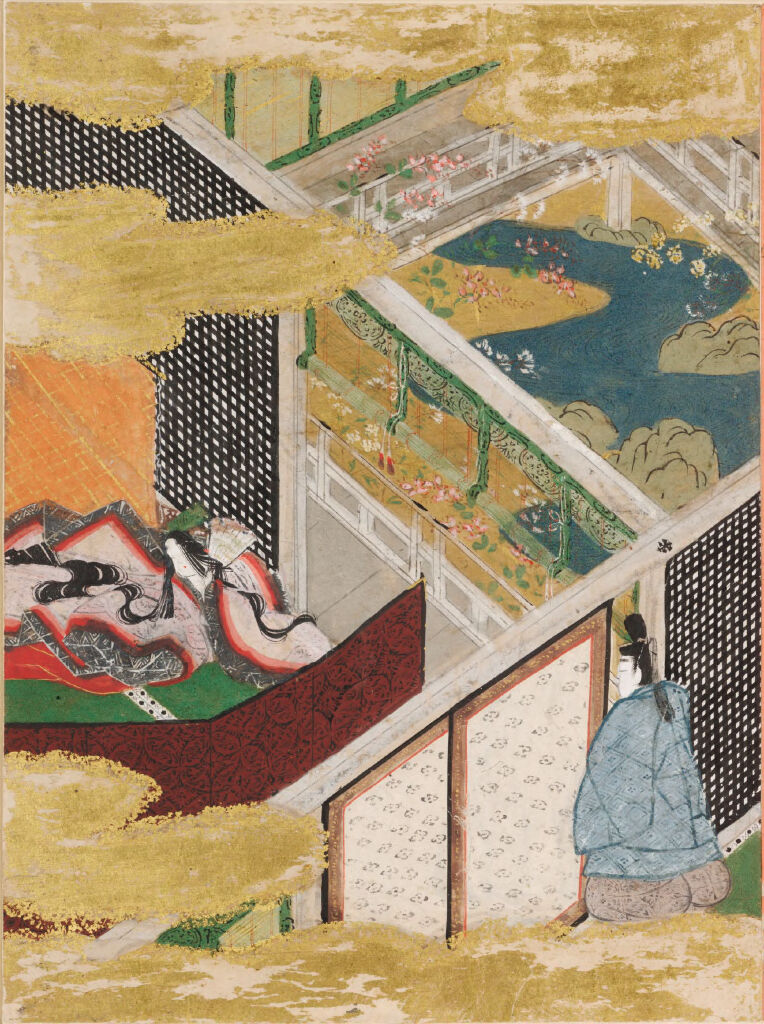
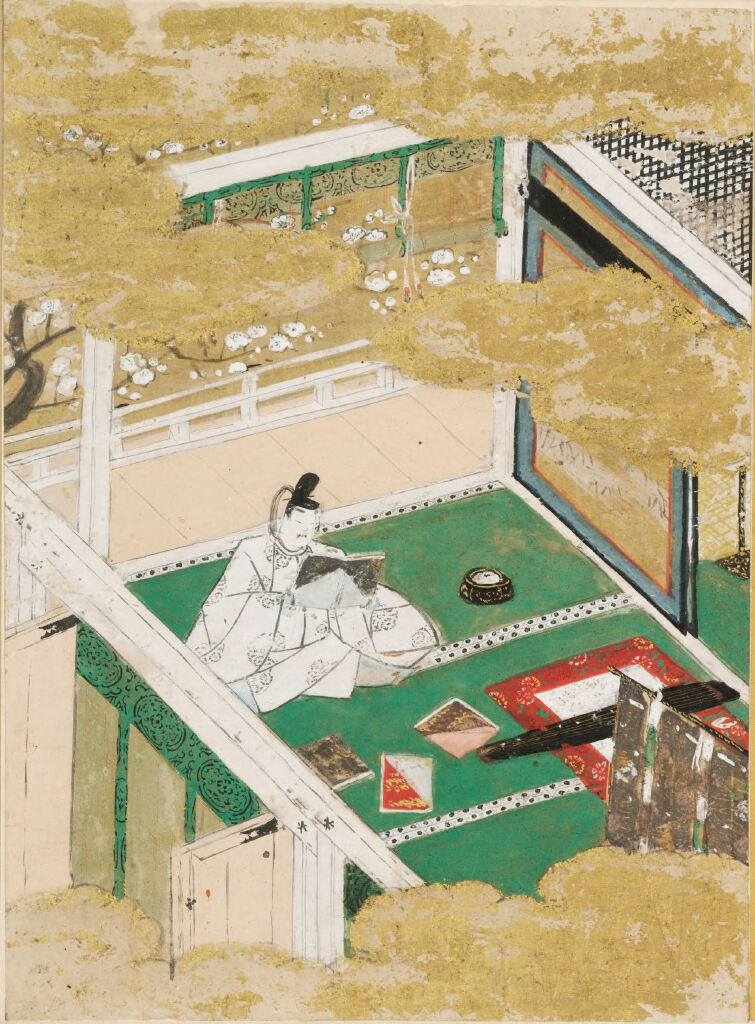
“Every silence here is a confession.” In this delicate interplay of flowers and narrative, truth unfurls like the petals of the thoroughwort, revealing layers of meaning hidden beneath the surface. Each bloom embodies the subtleties of emotion and connection, whispering secrets that resonate far beyond their muted colors. Look closely at the intricate arrangements of the flowers in this illustration. The meticulous detail invites your eyes to trace the delicate lines and soft curves, leading you through a tapestry of greens and whites. Notice how the gentle strokes of ink capture the essence of each petal, while the subtle washes of color breathe life into the composition.
The harmonious balance creates a sense of serenity, as if time has paused to allow the viewer a moment of reflection amidst the beauty. Yet, beneath this tranquility lies a deeper narrative. The thoroughwort, often associated with sincerity and truth, symbolizes the characters' hidden emotions in the Tale of Genji. Each flower's placement speaks to relationships marked by longing and unspoken words, a reminder of connections that are felt rather than articulated.
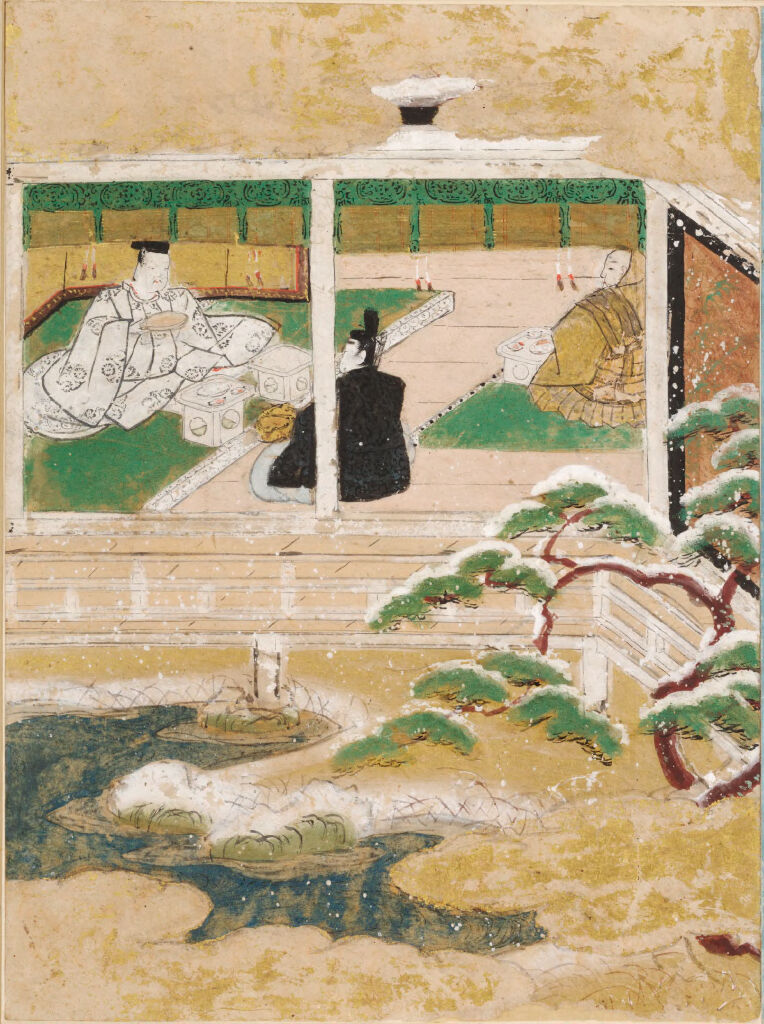
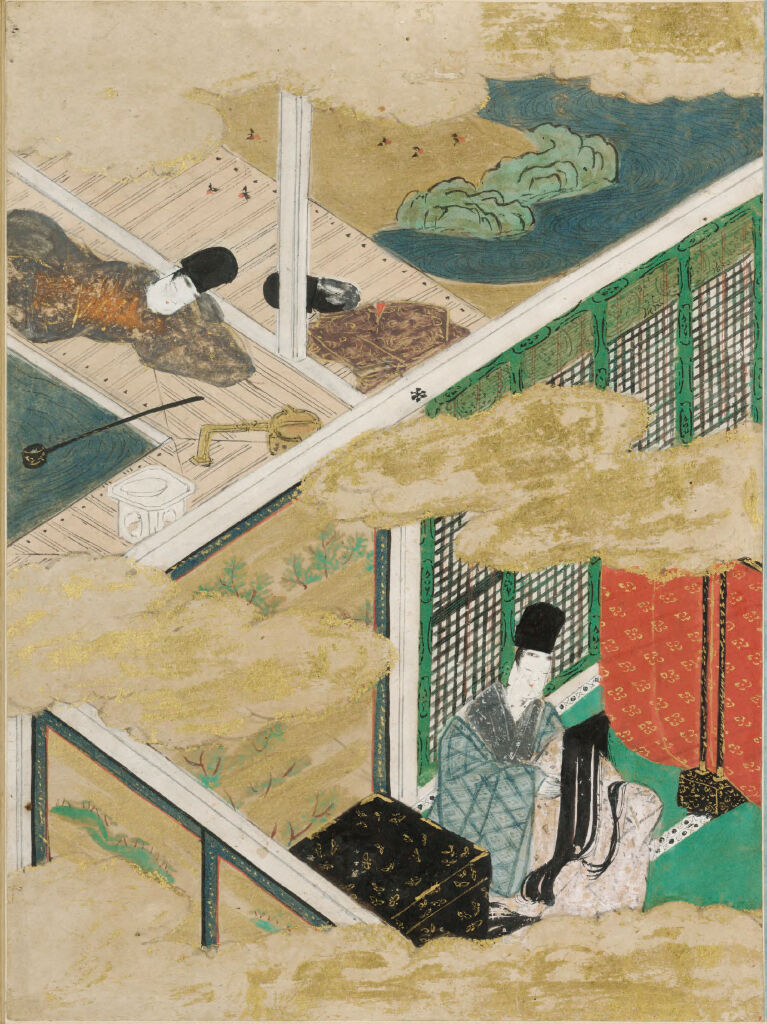
This tension between what is seen and what remains unsaid deepens the emotional landscape, urging viewers to consider their own silences and confessions. During the late Muromachi period, around 1509-1510, Tosa Mitsunobu painted this evocative illustration as part of a long lineage of Japanese narrative art, reflecting the cultural ethos of his time. The era was marked by a vibrant exchange between literature and visual arts, and Mitsunobu played a pivotal role in merging traditional themes with his distinctive style. This work not only showcases his skill as an artist but also captures the rich tapestry of human experience nestled within the pages of the Tale of Genji.