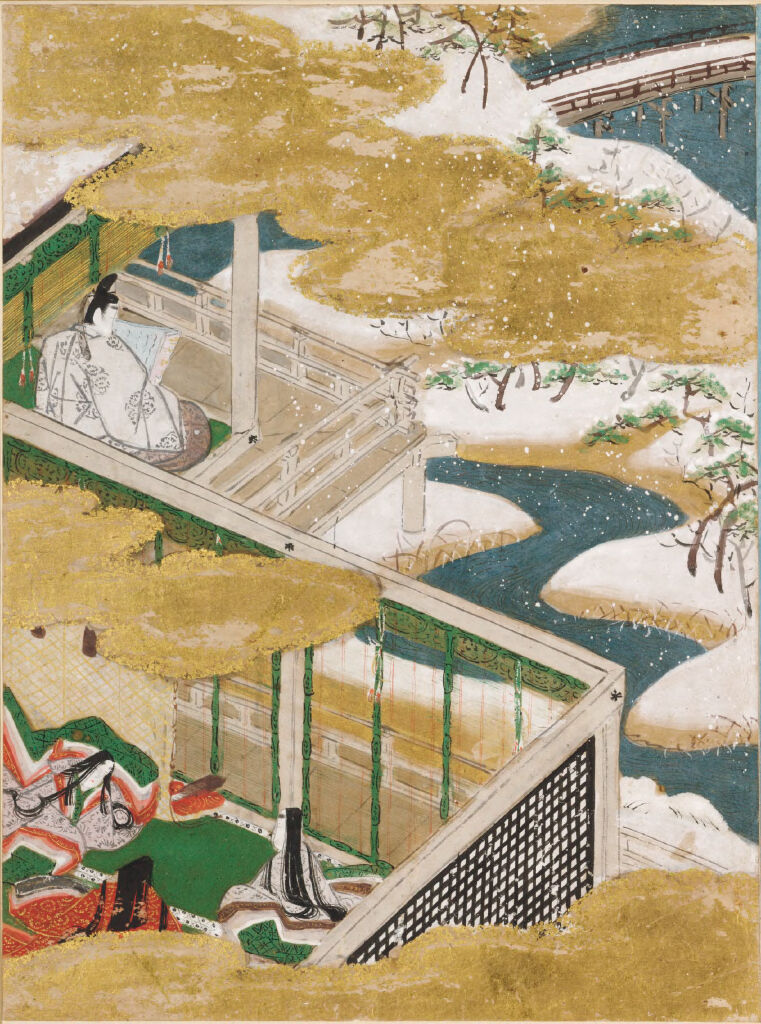
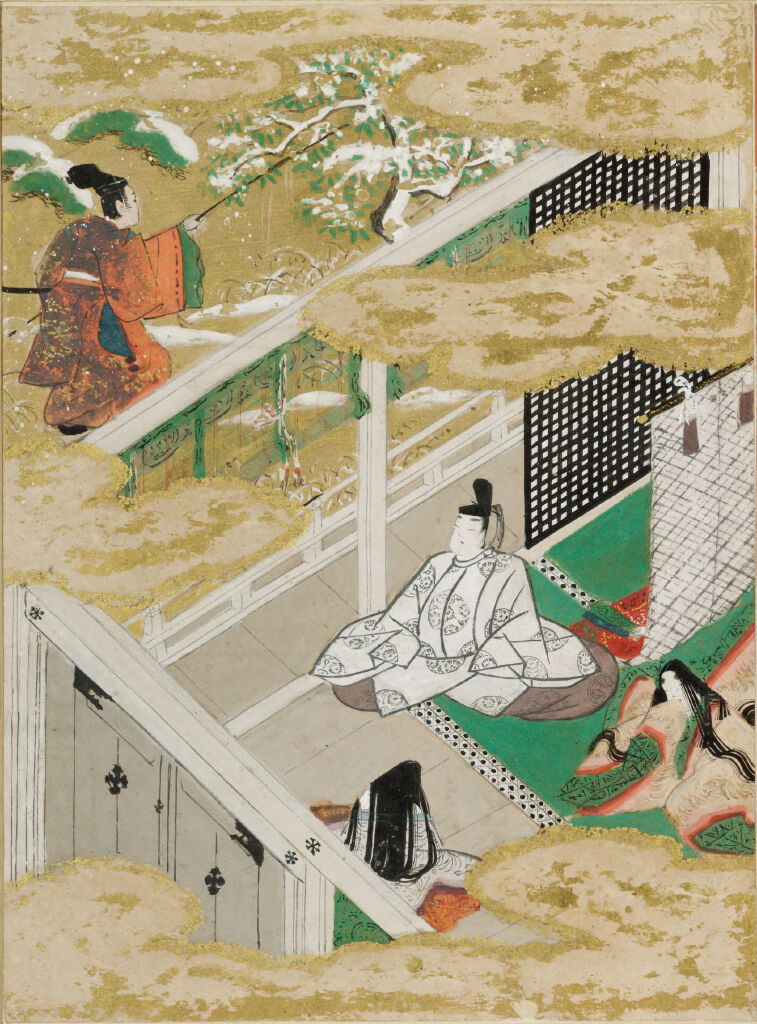
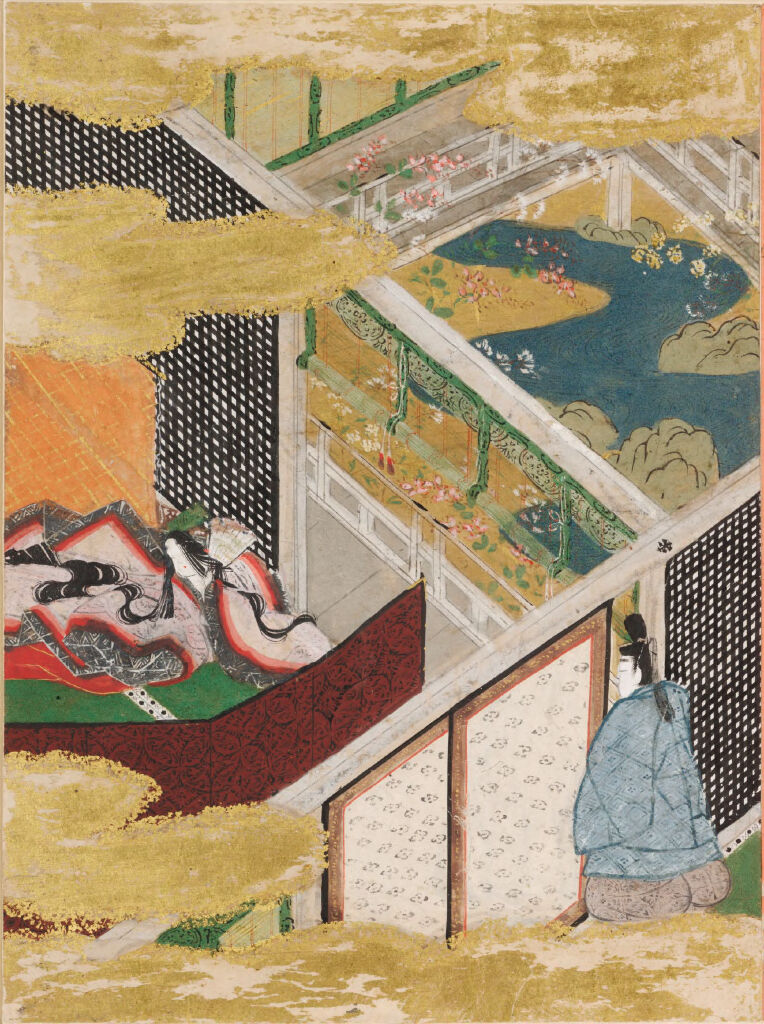
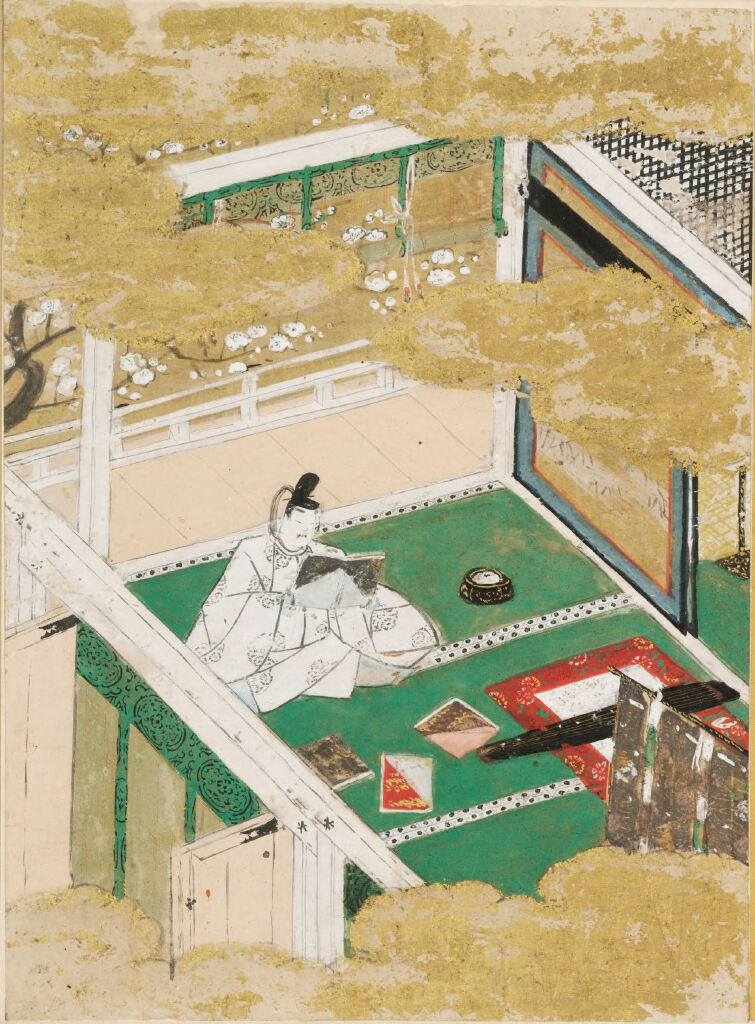
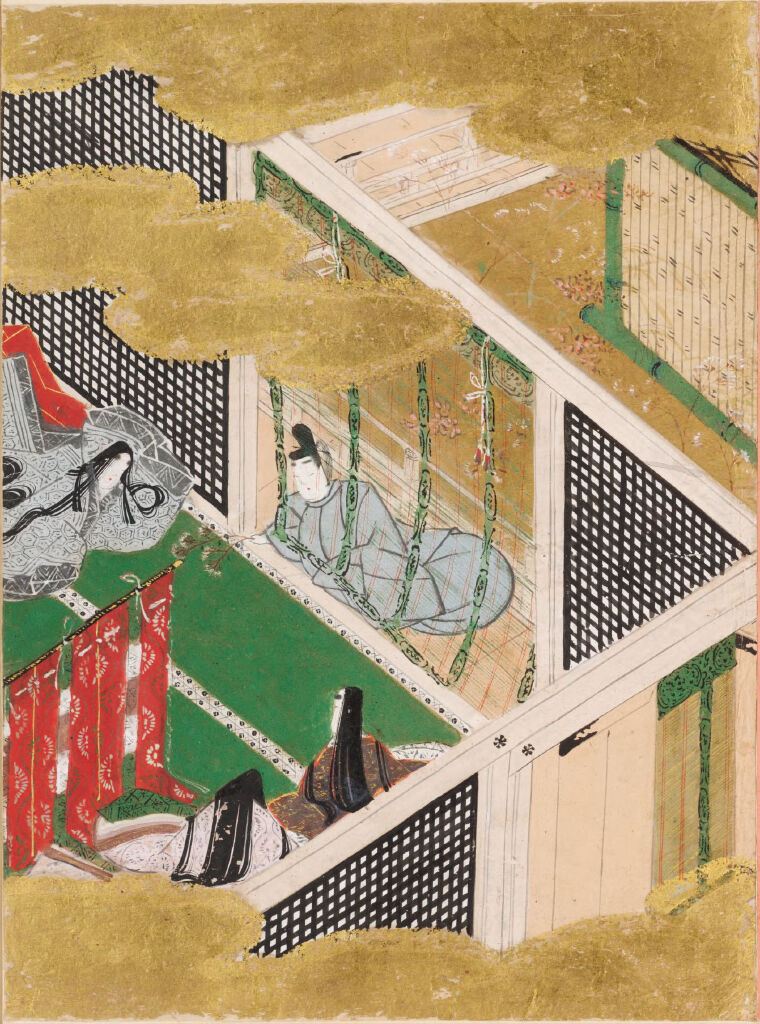
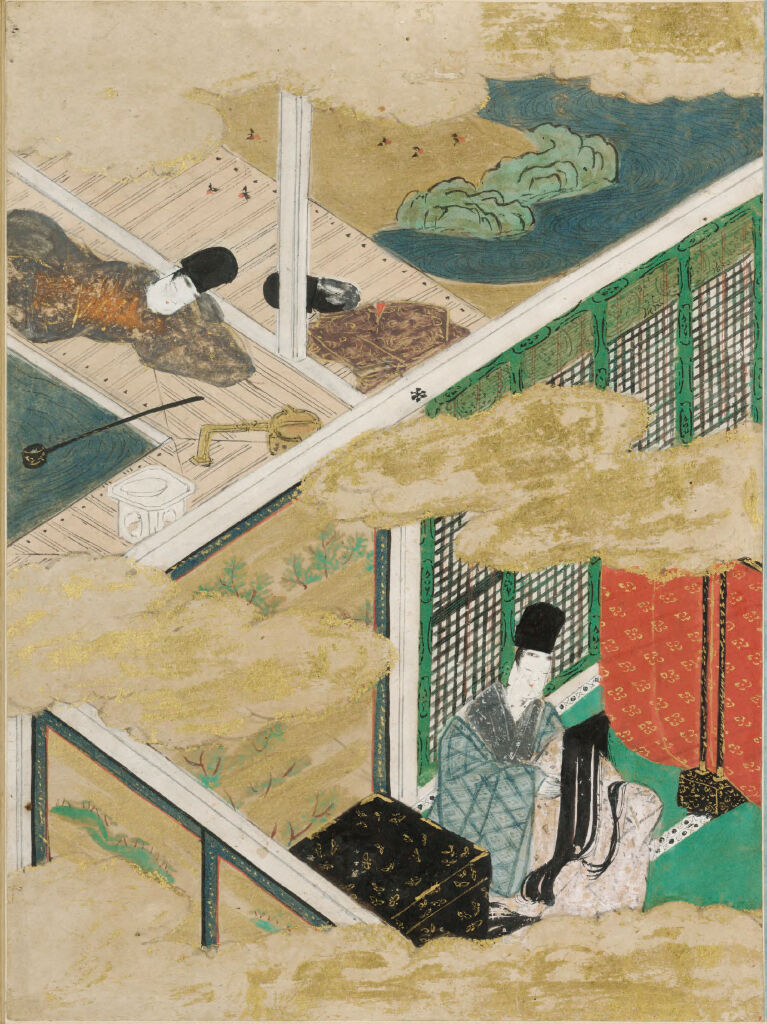
Red Plum Blossoms (Kōbai), Illustration to Chapter 43 of the Tale of Genji (Genji monogatari) — History & Analysis
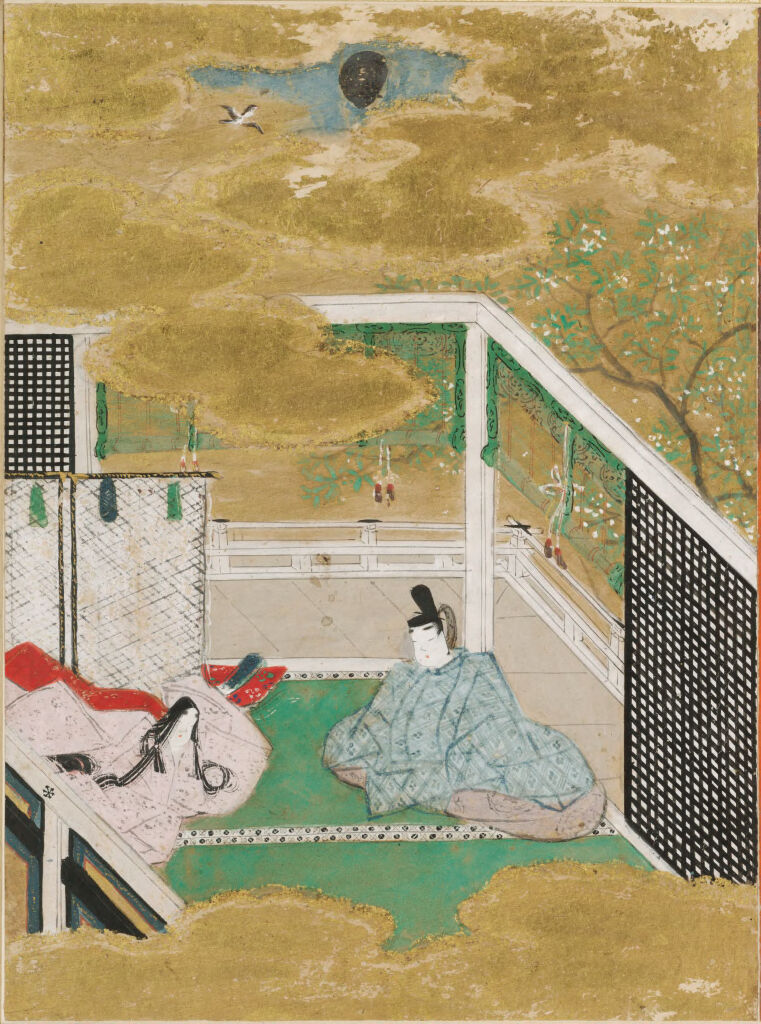
What if beauty was never meant to be finished? In the delicate brushstrokes of a bygone era, the fleeting nature of existence whispers through vibrant hues and intricate details. Look closely at the graceful red plum blossoms, their petals unfurling like secrets shared among lovers. Notice the meticulous linework that outlines each flower, inviting the eye to dance across the surface.
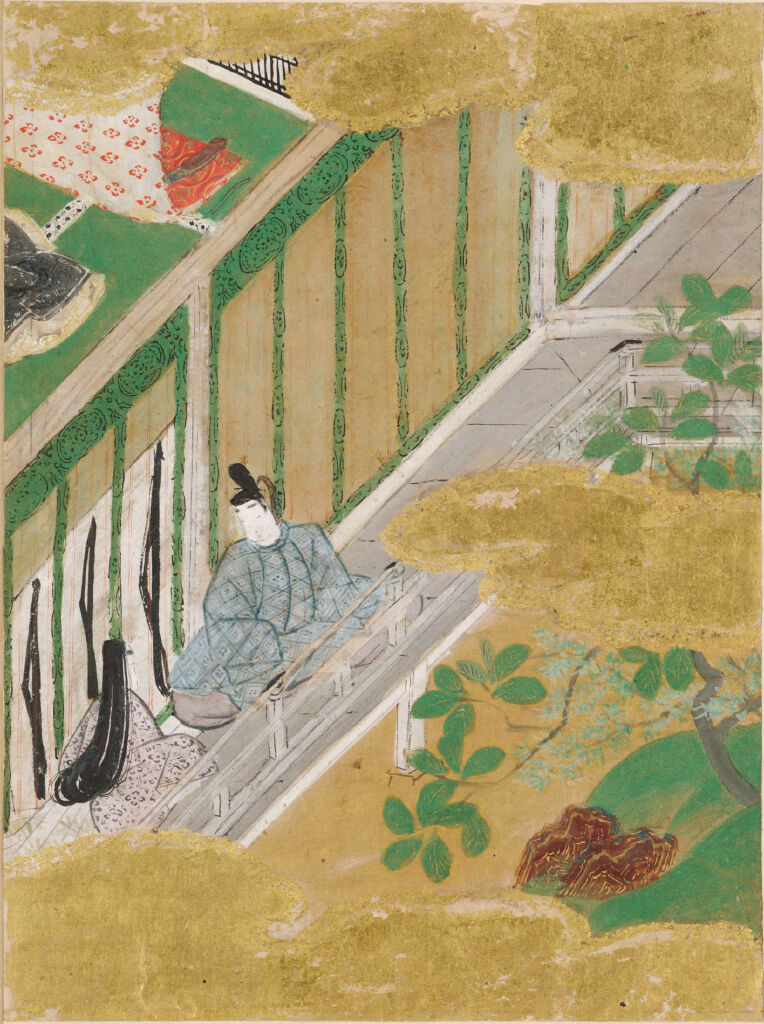
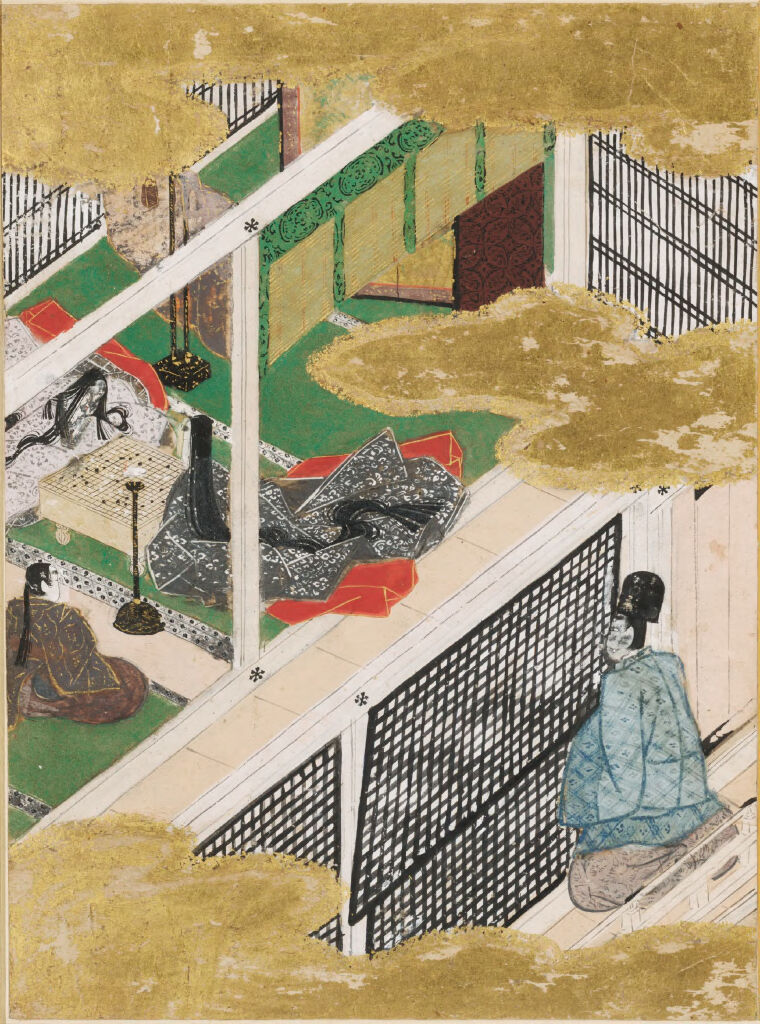
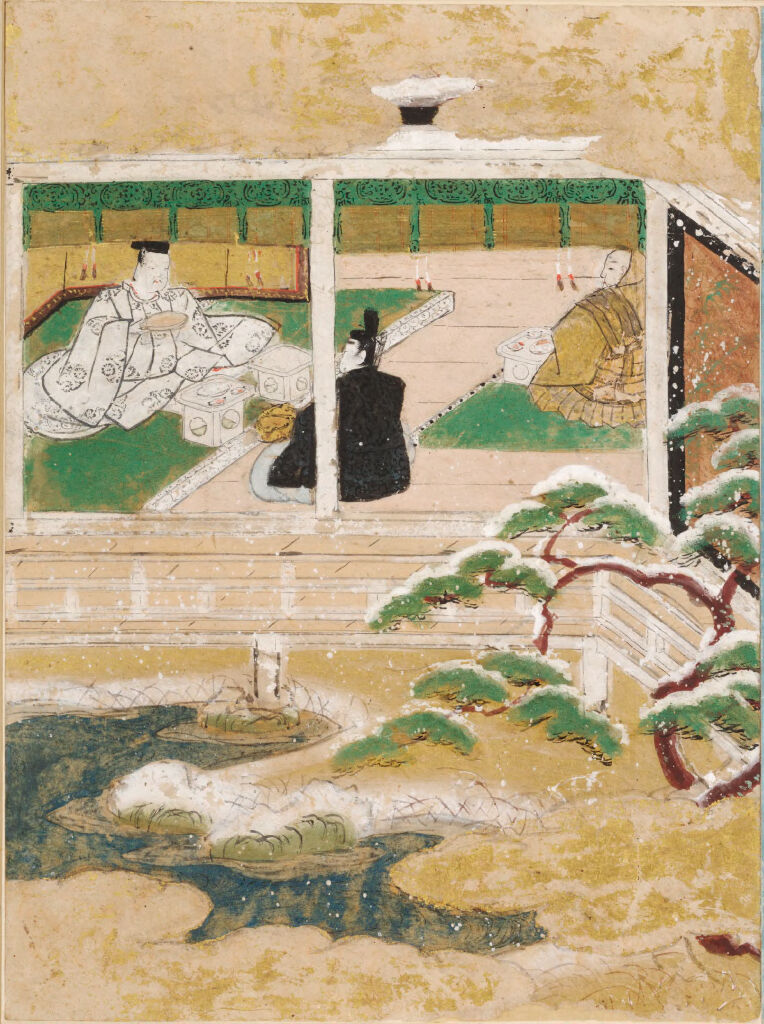
The composition is anchored by the blossoms, set against a muted backdrop that enhances their brightness, while subtle gold leaf accents shimmer softly, imbuing the scene with an ethereal glow. The artist's choice of colors amplifies the contrast between passion and tranquility, evoking a sense of ephemeral beauty that transcends time. In this work, emotional tensions emerge through the juxtaposition of life and death, as the blossoms symbolize both renewal and the inevitable passage of time. Each petal, rendered with such care, reflects a moment caught between existence and oblivion, echoing the profound truths of human desire.
The simplicity of the scene belies the complexity of its themes, where faith in beauty becomes a quiet rebellion against decay, inviting viewers to ponder the transient nature of their own lives. Tosa Mitsunobu created this exquisite illustration during Japan’s Muromachi period, approximately between 1509 and 1510. At this time, the artist was deeply engaged in reviving traditional styles while also embracing the emerging influences of the growing urban culture. The Tale of Genji, a seminal classic, provided rich inspiration for his work, reflecting the artistic and literary currents that defined the era.