The Seer (Maboroshi), Illustration to Chapter 41 of the Tale of Genji (Genji monogatari) — History & Analysis
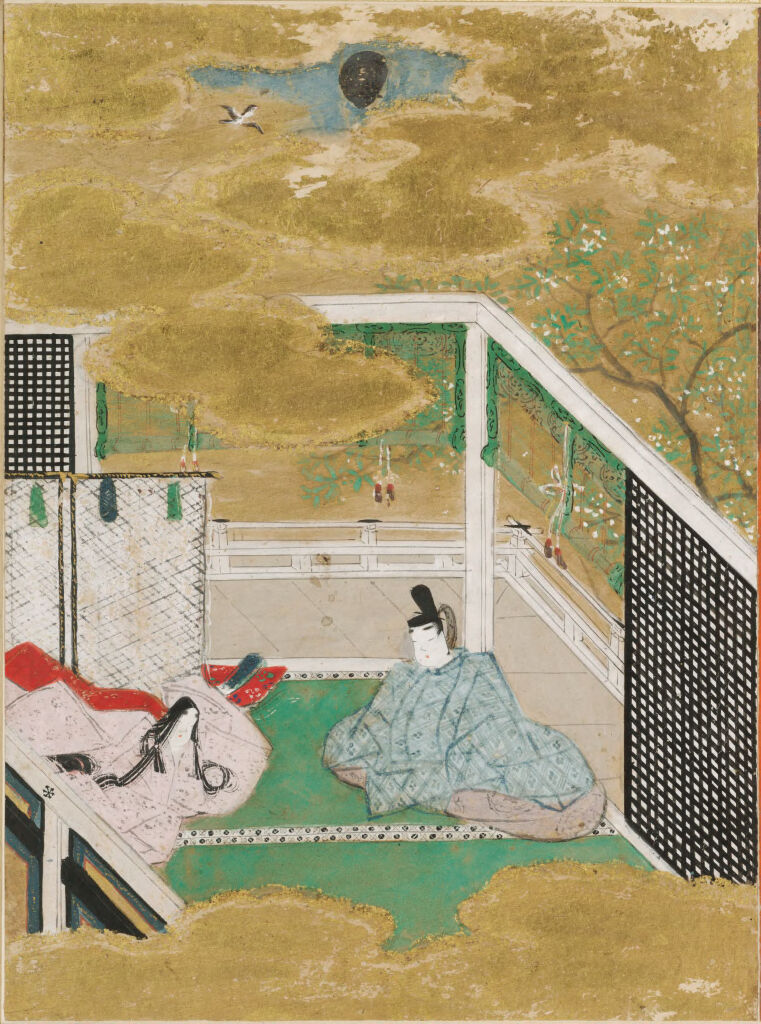
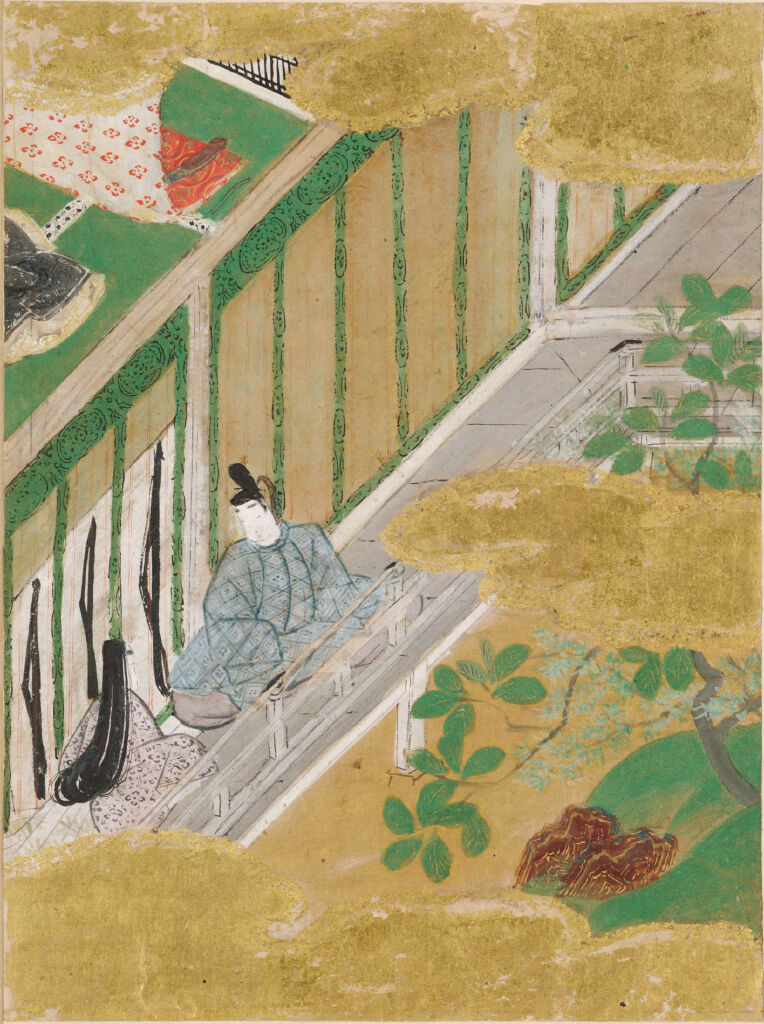
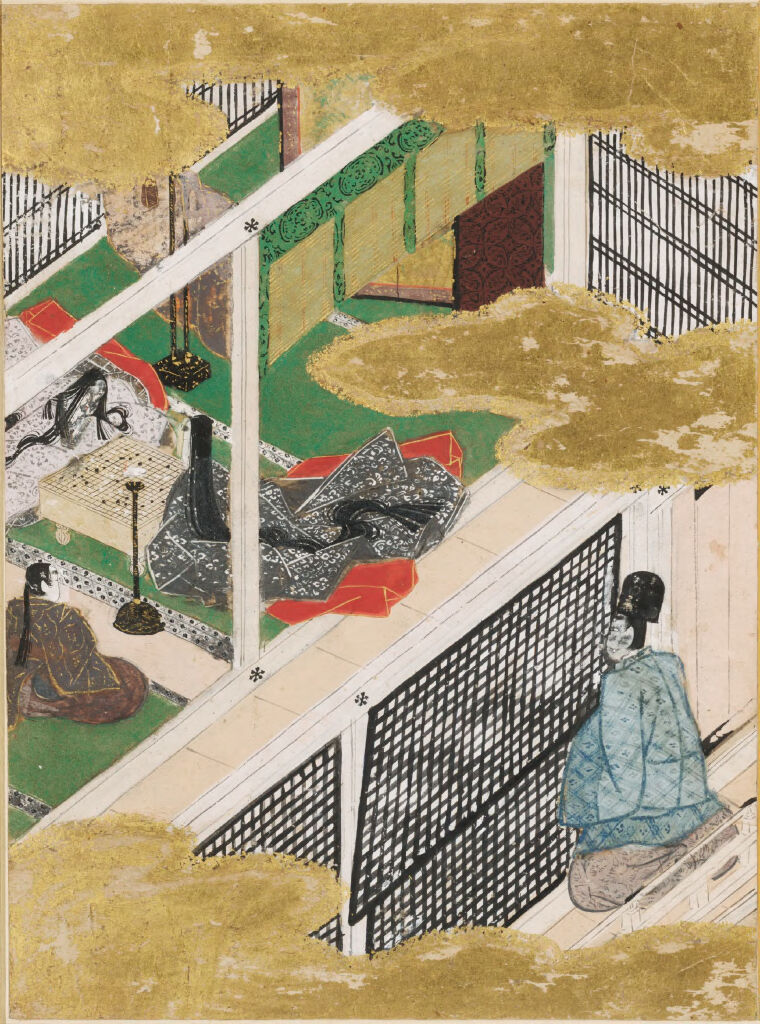
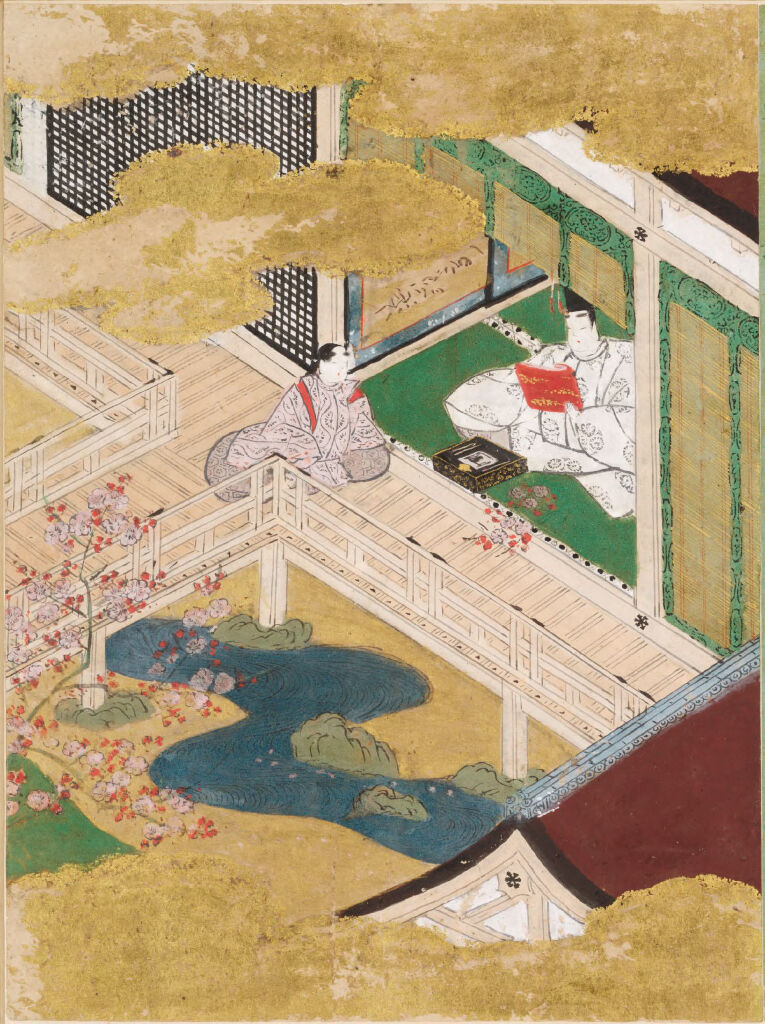
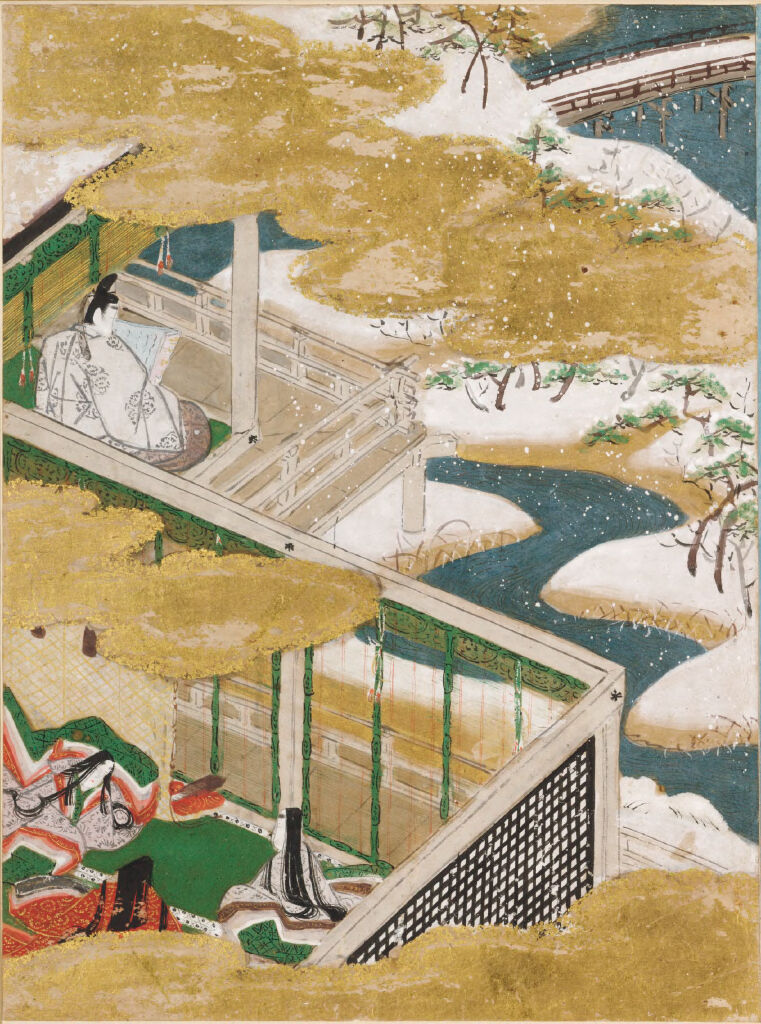
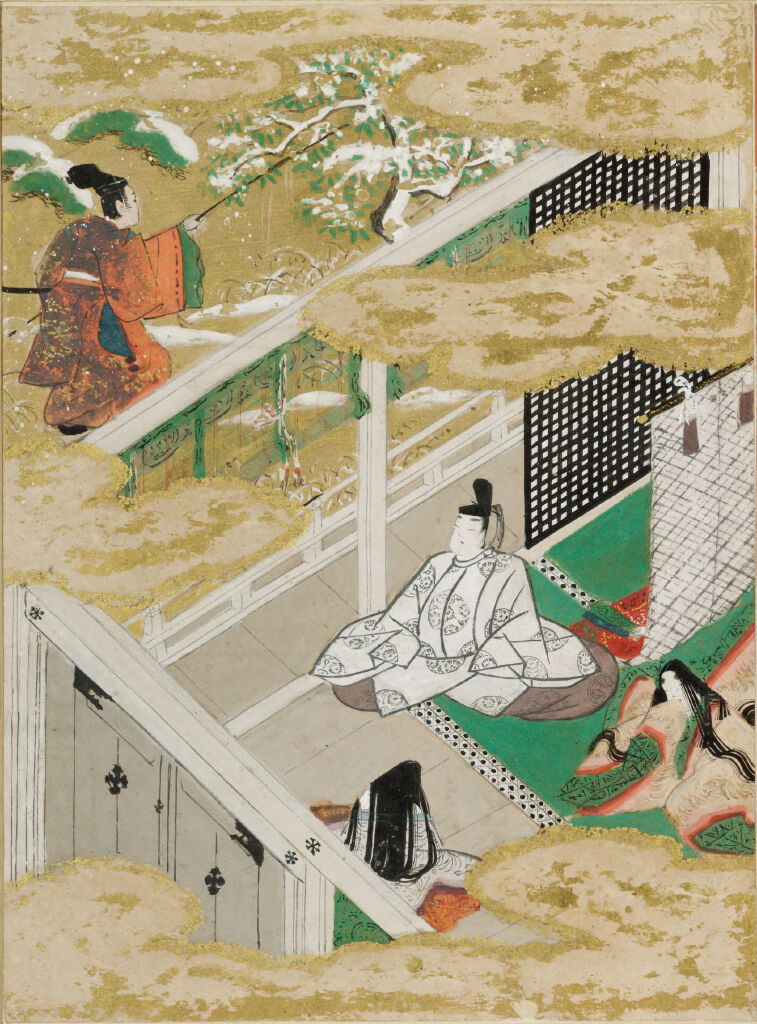
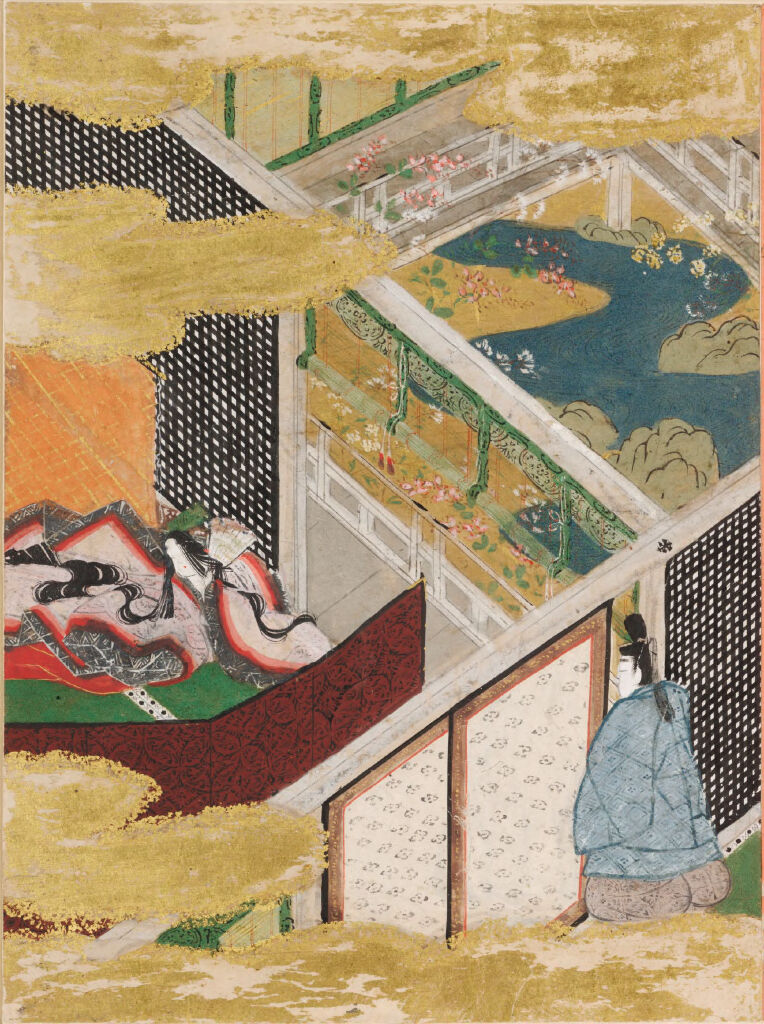
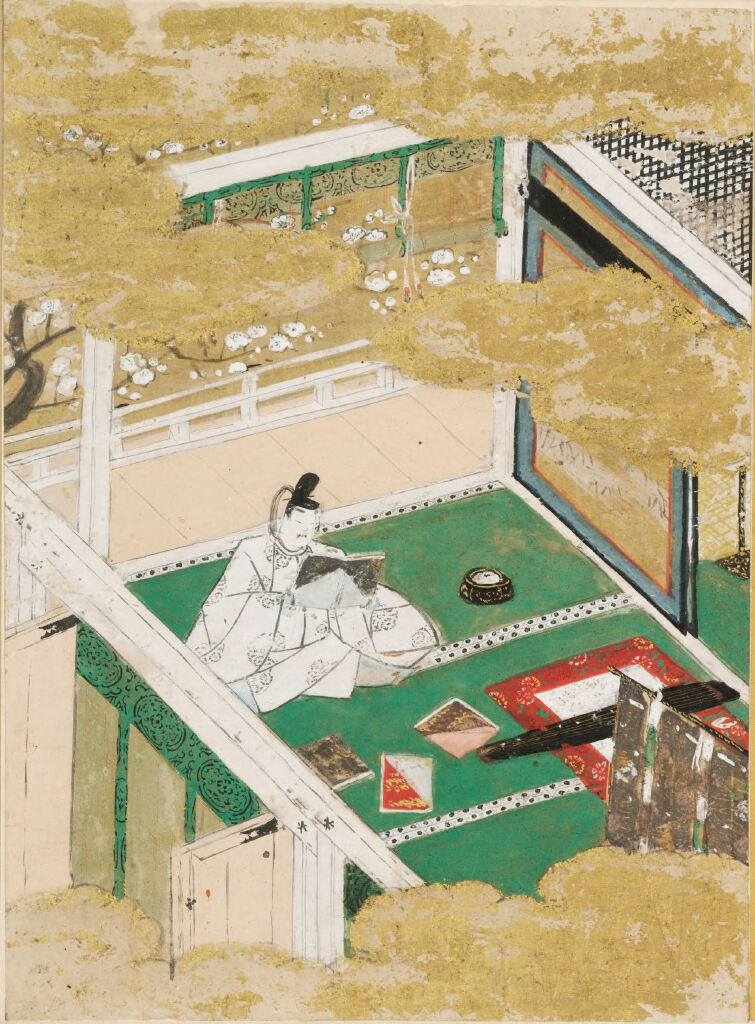
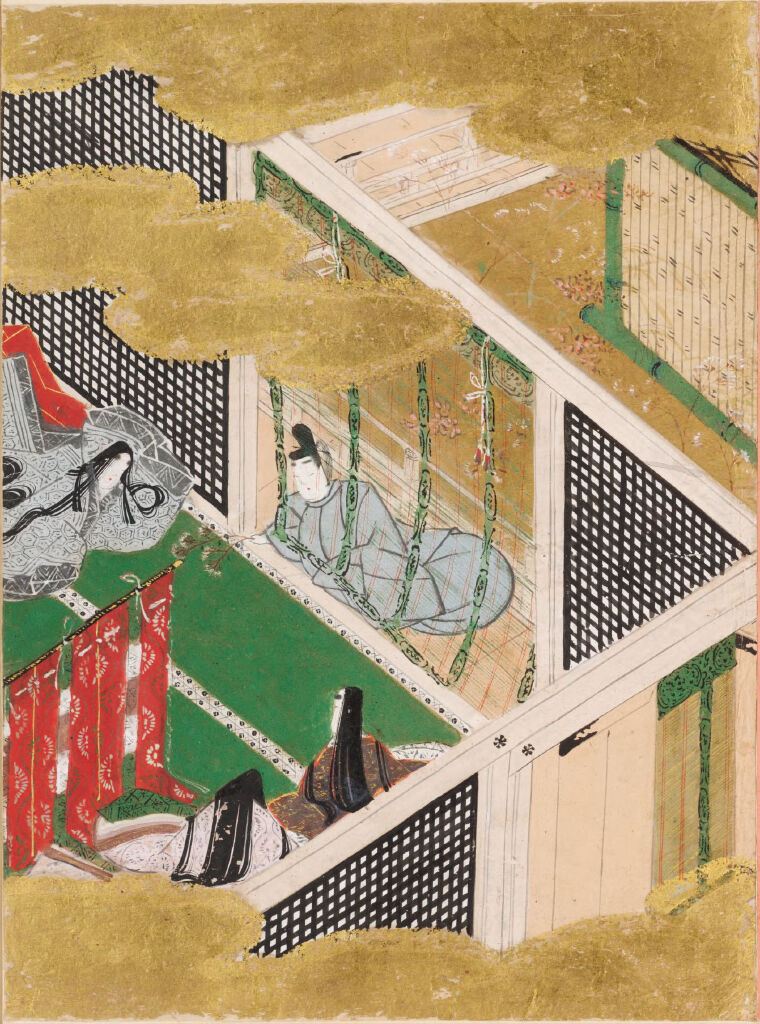
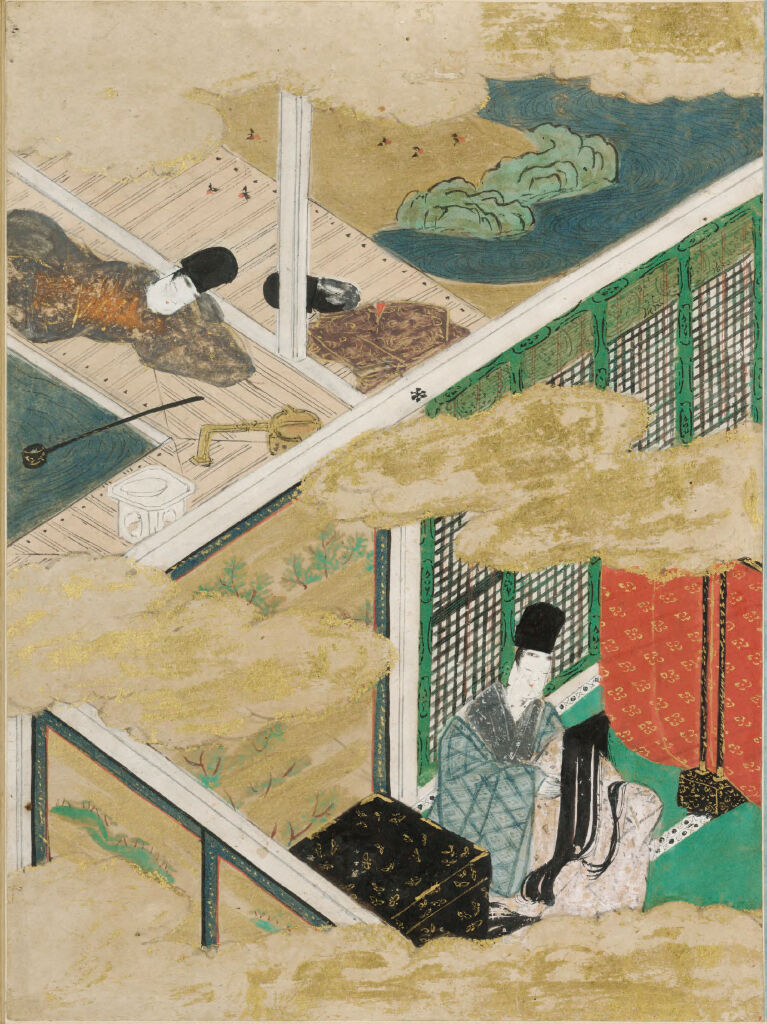
Could a single brushstroke hold eternity? In The Seer (Maboroshi), there lies a delicate interplay of beauty and fate that speaks to the timeless nature of human experience. The moments captured in this illustration echo the whispers of destiny, inviting viewers to unravel the intricacies of life and its intertwining paths. Focus on the ethereal figure at the center, clad in flowing robes that ripple like water, embodying the fluidity of time itself. Notice how the rich colors blend harmoniously, especially the deep indigos and vibrant crimson, drawing your gaze toward the character's serene expression.
The meticulously detailed brushwork creates a sense of movement, as if the surrounding elements swirl in response to the seer's presence, pulling you into a world where reality and dream converge. Hidden within this artwork is the tension between the seen and the unseen. The gentle curve of the seer's hand, poised as if to divine the future, hints at the weight of foreknowledge and the burden of fate. Behind them, the faint outlines of clouds and mountains suggest a larger cosmos at play, reminding us that while individuals may glimpse their destinies, the world holds mysteries beyond comprehension.
The delicate balance of harmony and chaos becomes a metaphor for life's unpredictability, resonating deeply with our own journeys. In the early 16th century, during the Muromachi period, Tosa Mitsunobu created this piece amidst a flourishing of art that embraced both tradition and innovation. Working in Japan, he was instrumental in the development of narrative painting, blending influences from Chinese aesthetics with local themes. This particular illustration, dating to 1509-1510, reflects the cultural introspection of the time, emphasizing the importance of literature, spirituality, and the human connection to the cosmos through the lens of Genji monogatari.