Apple Orchard — History & Analysis
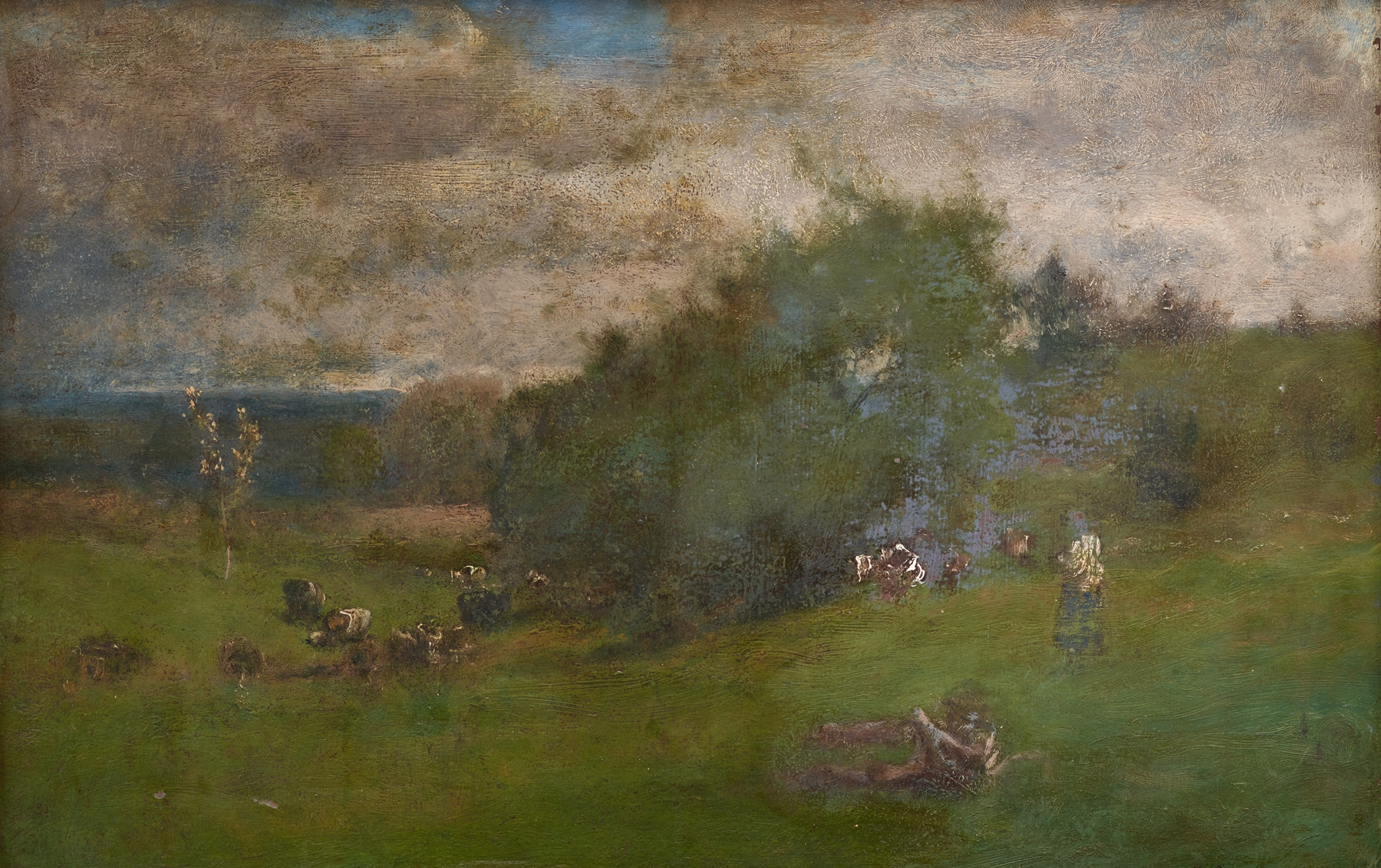
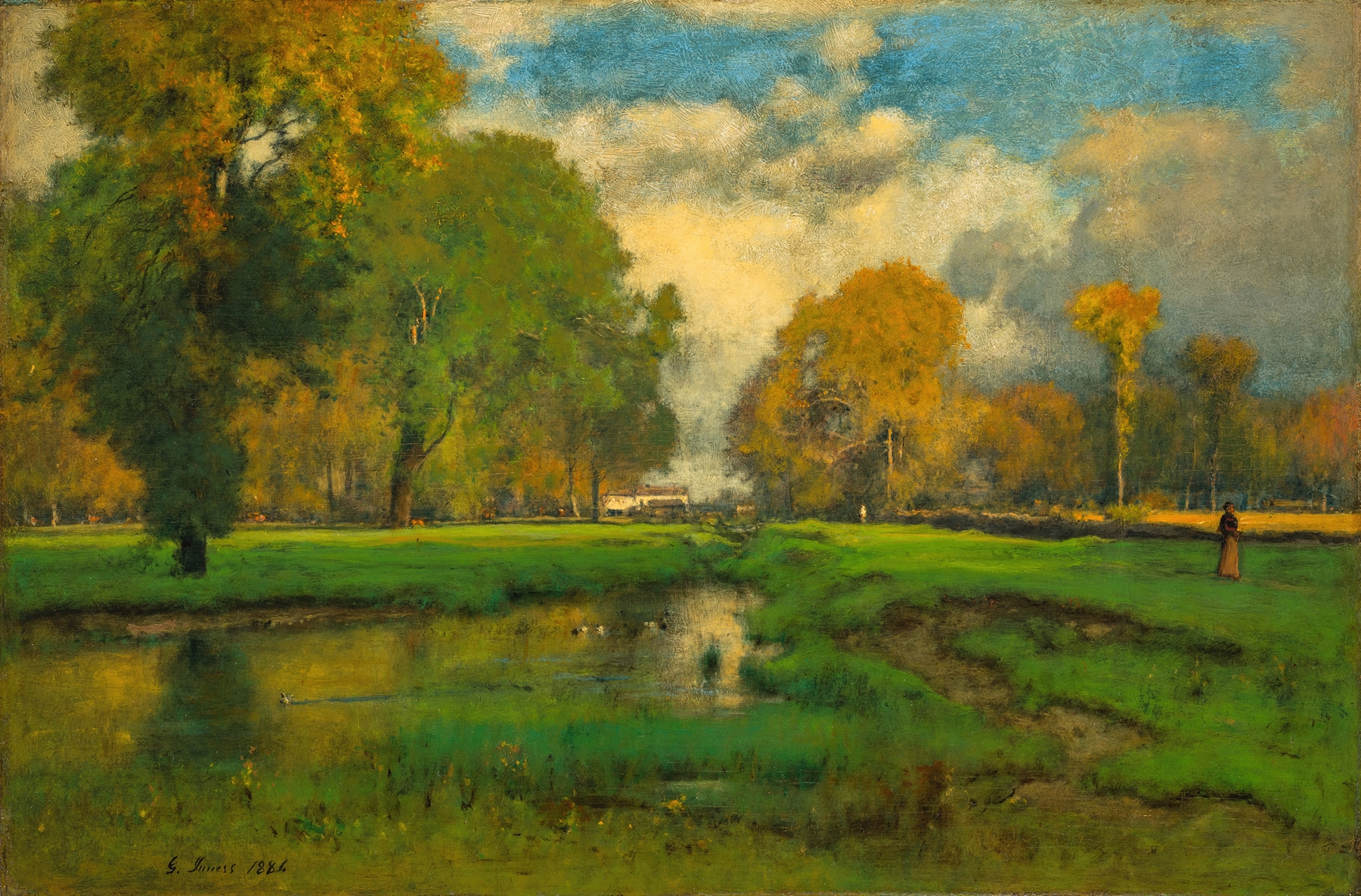
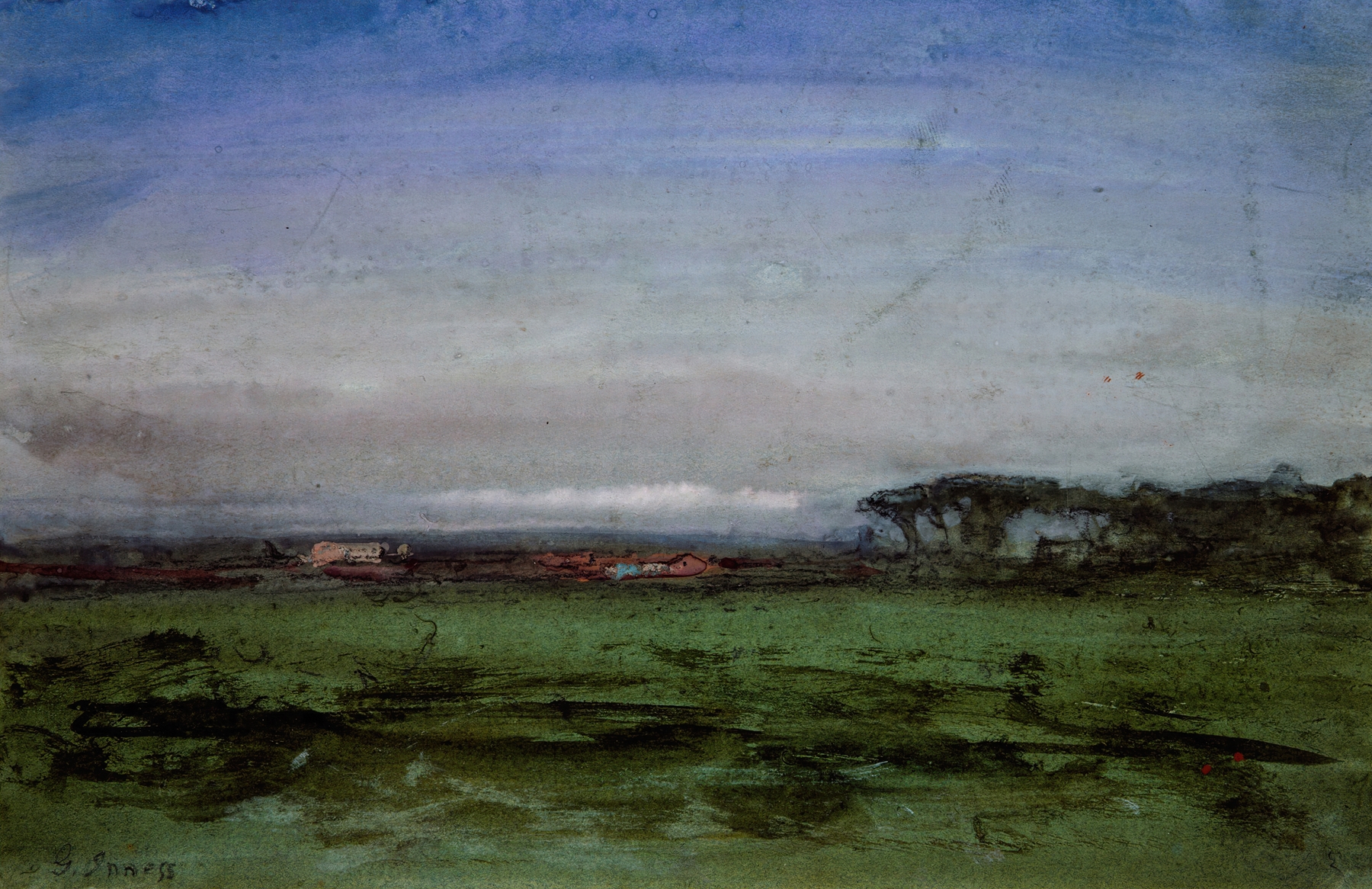
Is this a mirror — or a memory? In Apple Orchard, the chaotic beauty of nature pulsates with life, inviting viewers to explore the delicate balance between serenity and disorder. Focus on the vibrant greens and warm earth tones that dominate the canvas, where lush trees sway gently under the weight of their fruit. Notice how the dappled light filters through the leaves, casting playful shadows on the ground, creating a dance of illumination and darkness. The gentle brushwork conveys an almost tactile quality, urging you to reach out and touch the orchard's vitality.
Allow your gaze to wander, tracing the winding paths that beckon exploration and whisper of stories untold. Yet beneath this pastoral scene lies a tension, a juxtaposition of order and chaos. The clustering apples hint at abundance, yet their heavy presence implies a potential for decay—a reminder of the cyclical nature of life. The trees, while rooted, seem to sway with a gentle urgency, as if drawn to the tumult of unseen forces.
This interplay of tranquility and unease evokes deep emotional resonances, exploring themes of fleeting beauty and the inevitability of change. In 1885, Apple Orchard emerged from Inness's studio in New Jersey during a period of rich introspection and experimentation. The artist was deeply influenced by the Hudson River School, yet sought to express a more personal and spiritual connection to nature. This painting reflects not only his evolving style but also the artistic shift of the era, as the world grappled with the onset of industrialization, contrasting the encroaching chaos with the quiet sanctity of the natural world.