Arbres au bord de l’eau, Bohain — History & Analysis
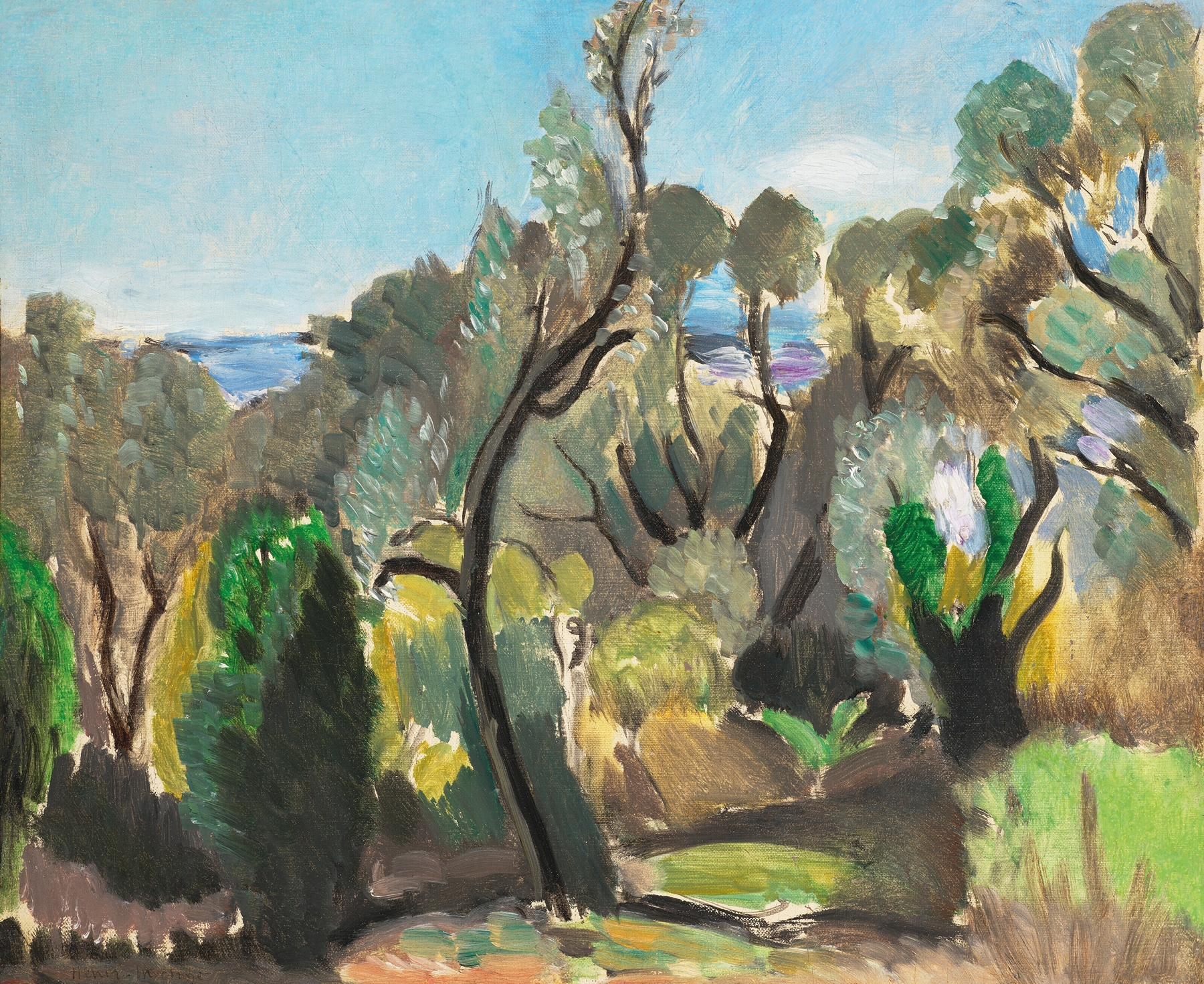
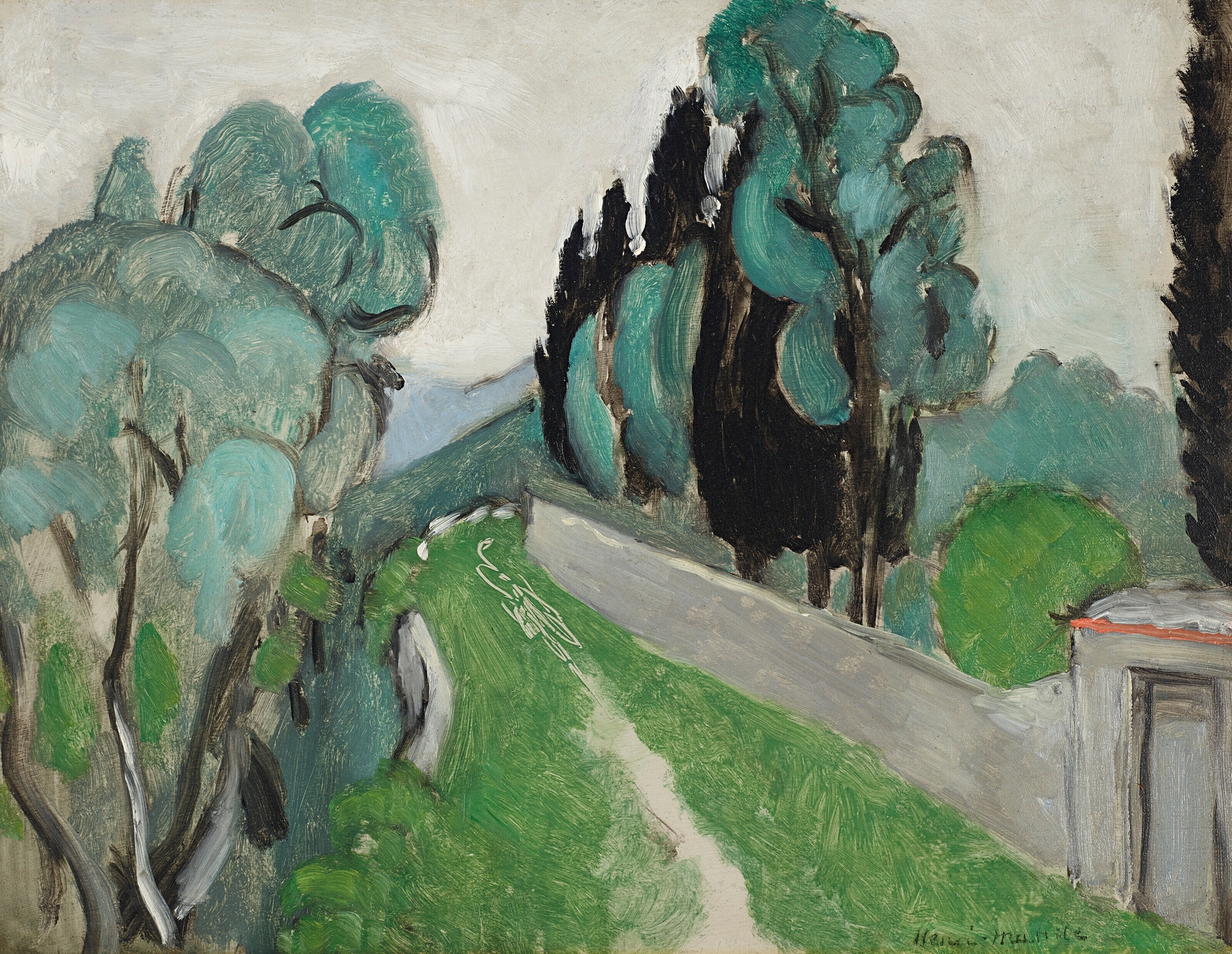
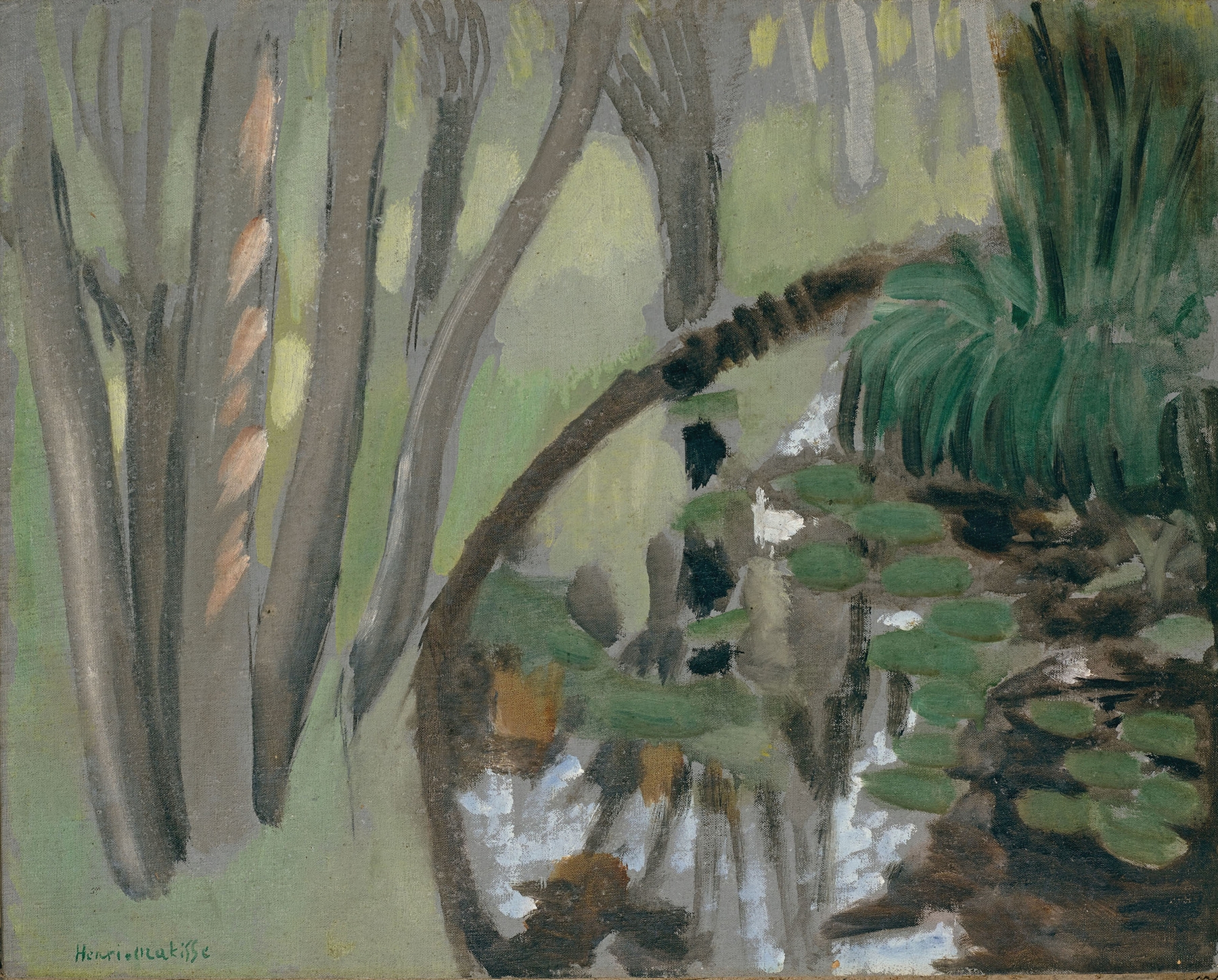
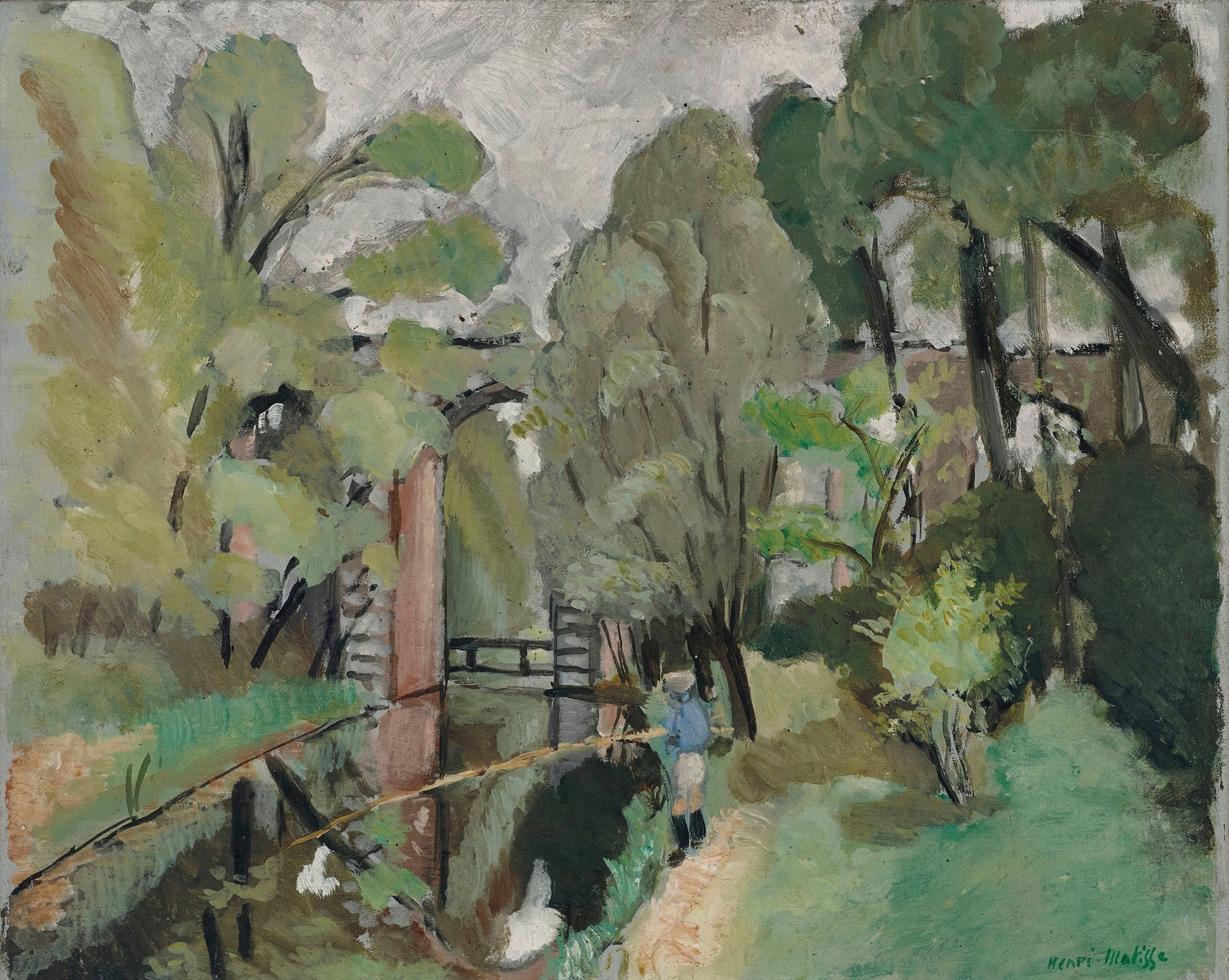
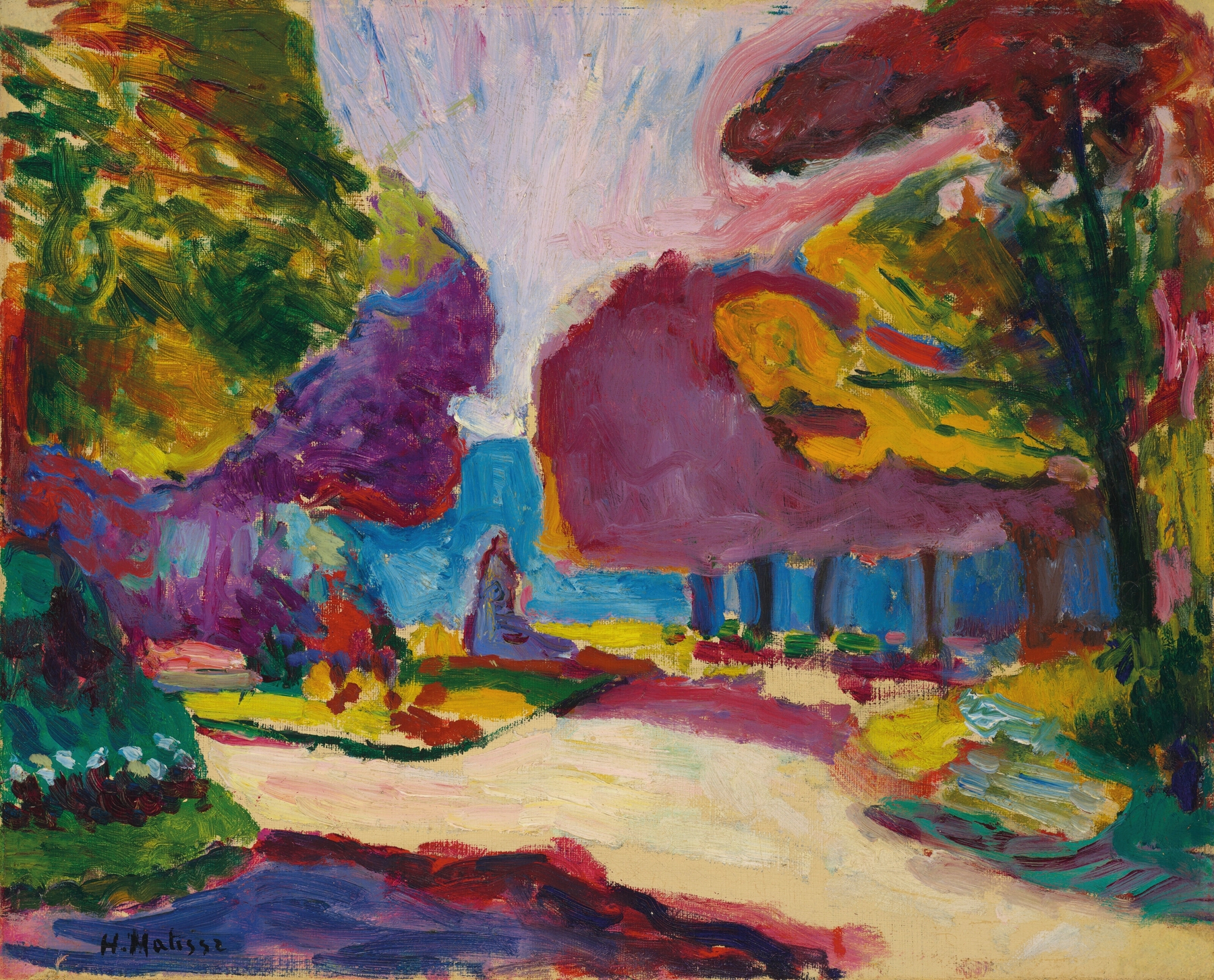
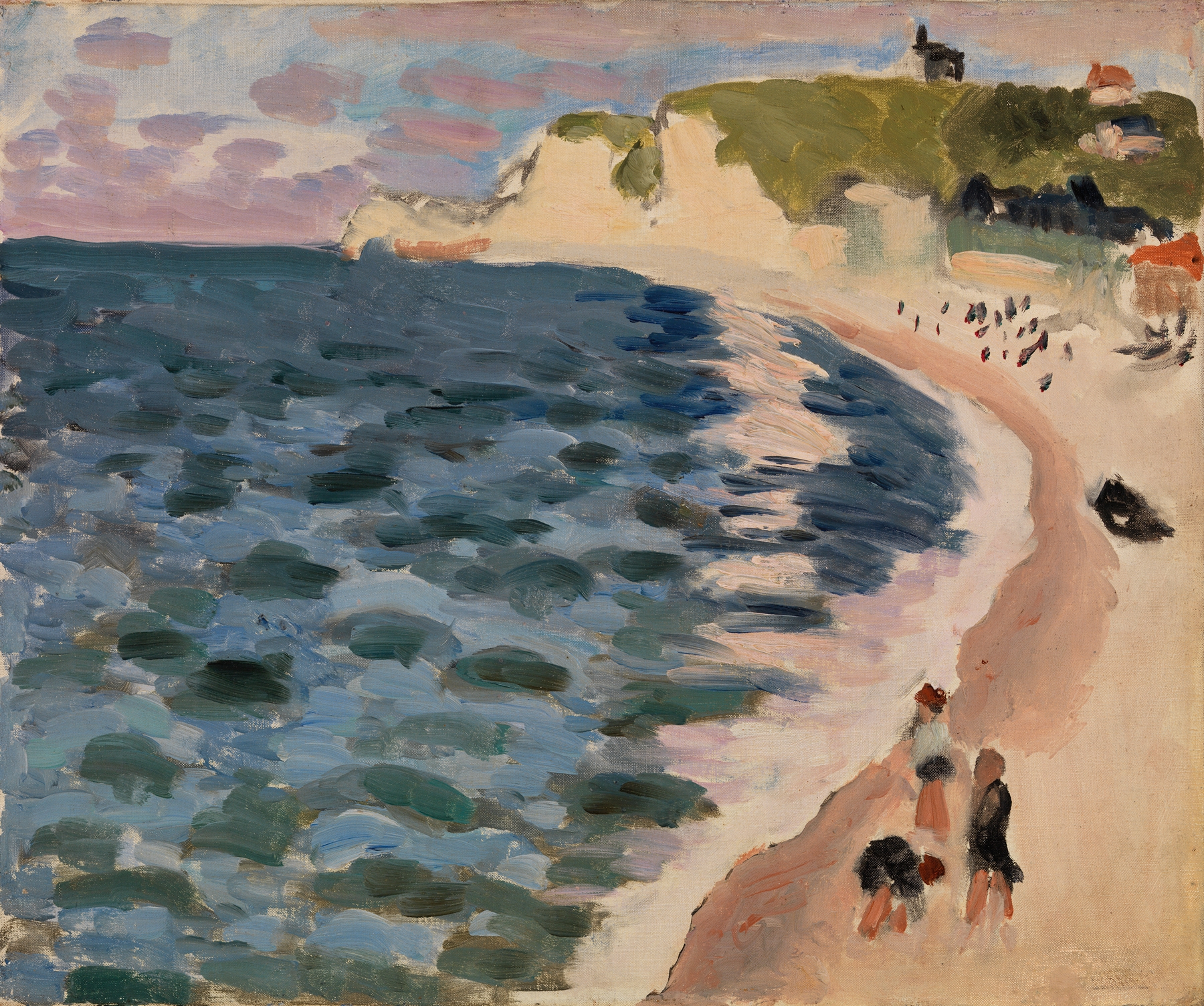
Can beauty exist without sorrow? In Arbres au bord de l’eau, Henri Matisse captures the delicate balance between joy and melancholy, inviting us to explore transformation in nature and spirit. Look closely at the lush greenery that embraces the water’s edge. The vibrant greens leap from the canvas, compelling your gaze toward the gentle curves of the trees, their reflections dancing in the water. Notice how Matisse uses bold strokes and vivid colors to create a sense of movement, where the rippling surface mirrors both the trees and the sky, blurring the lines between reality and imagination.
The palette is rich yet harmonious, evoking the tranquility of this idyllic moment. Delve deeper into the painting, and you'll find a tension within the serene composition. The trees, sturdy yet swaying, represent resilience in the face of change, while the shimmering water hints at the ephemeral nature of life. The juxtaposition of solidity and fluidity suggests transformation—a theme that resonates with the viewer’s own experiences of joy mingled with sadness.
The verdant landscape becomes a metaphor for the complexities of existence, where beauty thrives alongside impermanence. Created in 1903, this work emerged during a pivotal period for Matisse, who was immersing himself in the Fauvist movement. At this time, he was living in Bohain, a small town in France, surrounded by nature that inspired his bold experimentation with color. The world of art was evolving, and Matisse was at the forefront, seeking to express emotional depth through vibrant hues, setting the stage for his future masterpieces.