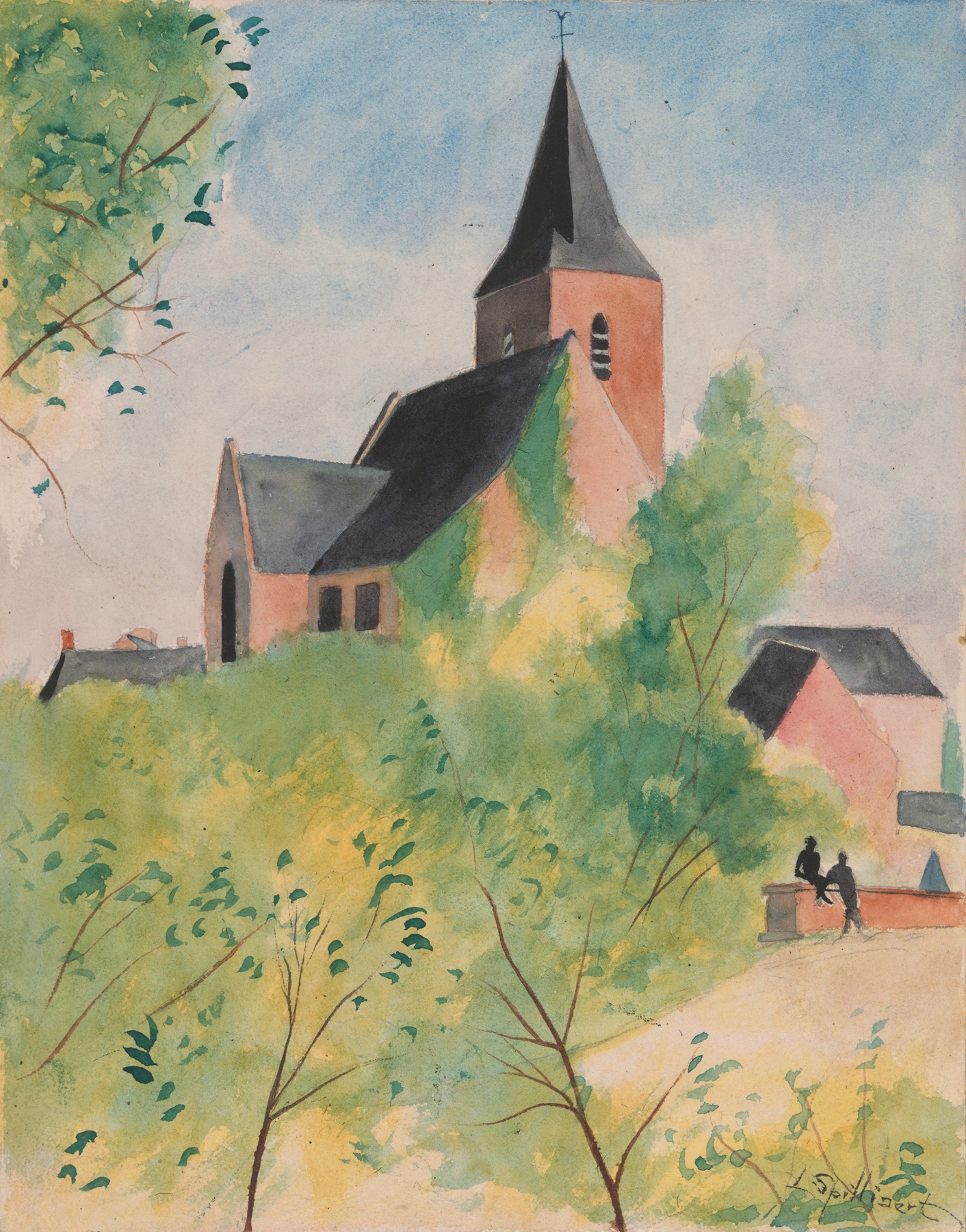
Au temps que Nanette était perdue pl. 2 — History & Analysis
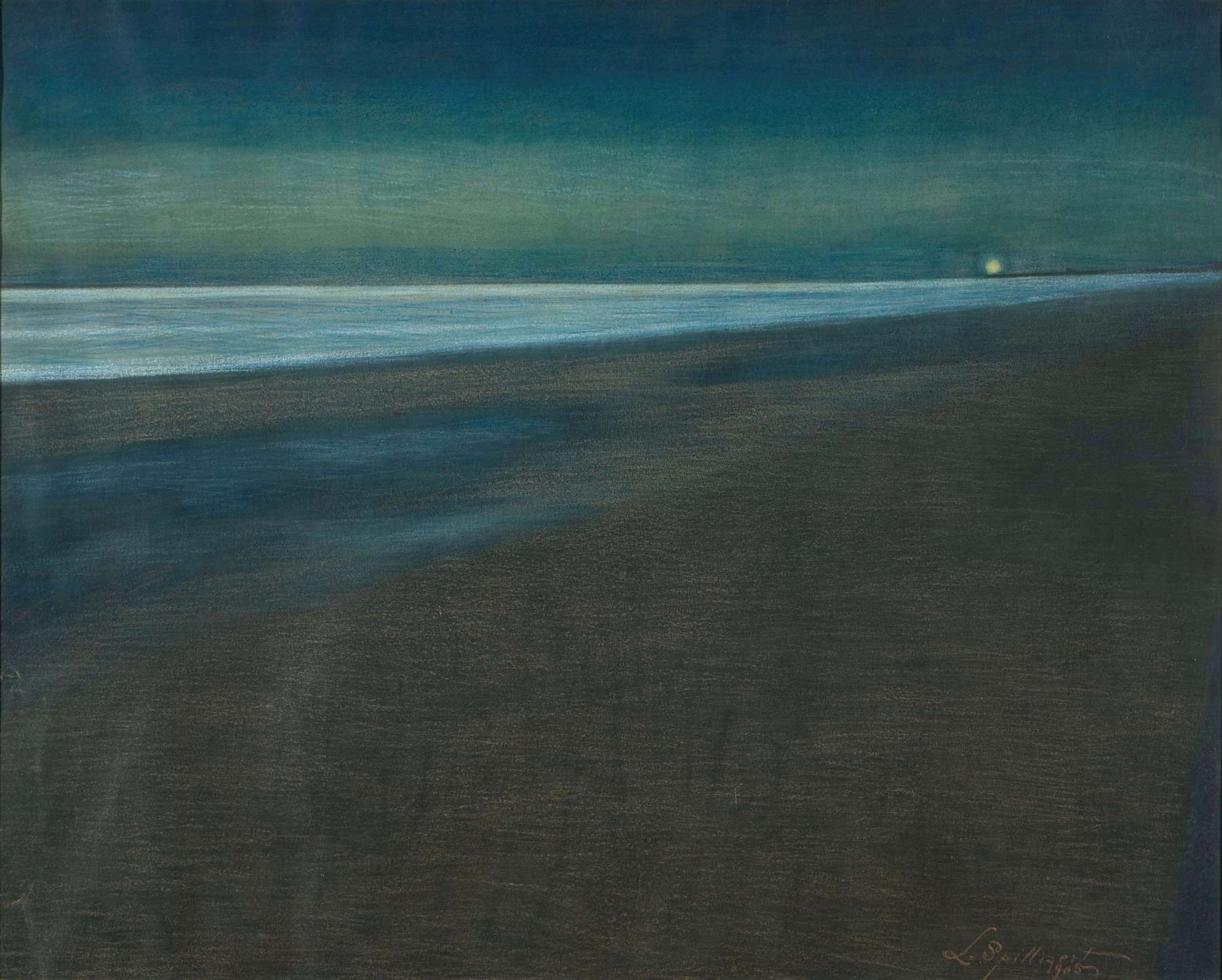
Could a single brushstroke hold eternity? In Au temps que Nanette était perdue pl. 2, Léon Spilliaert conjures an unsettling glimpse into the labyrinth of the mind, where darkness and light confront the specter of madness. Focus on the swirling blues and blacks that dominate the canvas, drawing your eye into a vortex of emotion. Notice how the figures, rendered in ethereal pale hues, emerge from the depths, their forms both haunting and delicate.
The way Spilliaert uses sharp contrasts between shadow and light suggests a struggle, an internal chaos that seems to pulse with every stroke. The composition feels claustrophobic yet expansive, inviting you to explore the tension between confinement and liberation. Hidden within this turbulent landscape lies a profound commentary on isolation and existential angst. The figures, almost spectral, seem to hover on the brink of recognition or despair, embodying the quiet madness that can echo in isolation. The delicate interplay of light hints at hope, yet the overwhelming darkness looms, suggesting that sanity might just be a thin veneer.
Each brushstroke pulsates with the artist's emotional turmoil, creating an atmosphere that challenges perceptions of reality. Léon Spilliaert painted this work in 1931 during a time of personal upheaval, grappling with the shadows of loneliness and existential dread. Living in Belgium, he immersed himself in the Symbolist movement, which sought to express deeper truths through evocative imagery. This painting reflects that philosophy, as it reveals not only the artist's inner conflict but also resonates with a world increasingly aware of the fragility of the human psyche.
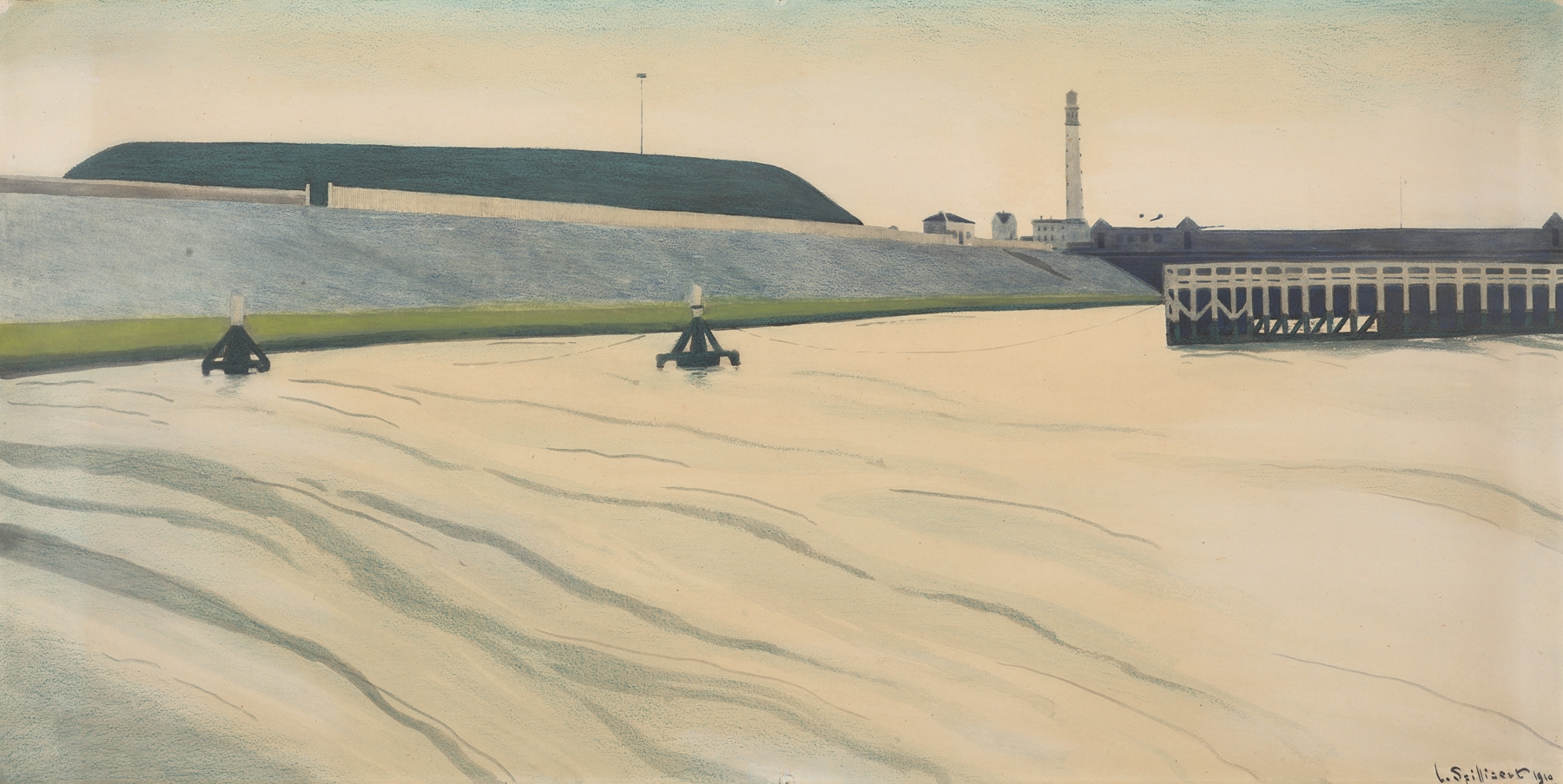
![Le Phare aux signaux [De vuurtoren], by Léon Spilliaert, public domain](https://froigstrpvutwqtqikzt.supabase.co/storage/v1/object/public/art-images/artworks/15c64ea88267bb2176f857ee48f253129140e660e1928d47acf6cab808d0226d.jpg)