Au temps que Nanette était perdue pl. 4 — History & Facts
How often do we find ourselves mesmerized by surface allure, while deeper yearnings lie unspoken beneath? Focus on the solitary figure at the center of Au temps que Nanette était perdue pl. 4. The woman stands poised, bathed in a soft, ethereal glow that emanates from her surroundings.
Notice how the golden hues meld into muted blues and greens, creating a dreamlike atmosphere that both invites and isolates. Her expression resonates with an almost haunting introspection, as if she is caught between the realms of hope and despair, her gaze directed slightly downward, hinting at unfulfilled longing. In this painting, the contrast between light and shadow embodies a poignant emotional tension. The luminous background, suggestive of possibility, juxtaposes her somber demeanor, reflecting a struggle between desire and reality.
The delicate brushwork evokes a sense of fragility, emphasizing the ephemeral nature of her thoughts. The subtle patterns of the fabric she wears further accentuate the theme of concealment, as beauty wraps her existence yet masks her inner turmoil. Created in 1931, this piece emerged during a transformative period for the artist, who was exploring the depths of the human psyche. Living in Belgium, Spilliaert was influenced by the Symbolist movement, which emphasized emotional depth and subjective experience.
The world was grappling with the repercussions of the Great Depression, and this sense of disquiet permeated his work, urging him to reflect the complexities of longing and isolation in a changing society.
More Artworks by Léon Spilliaert

Beachview at night
Léon Spilliaert
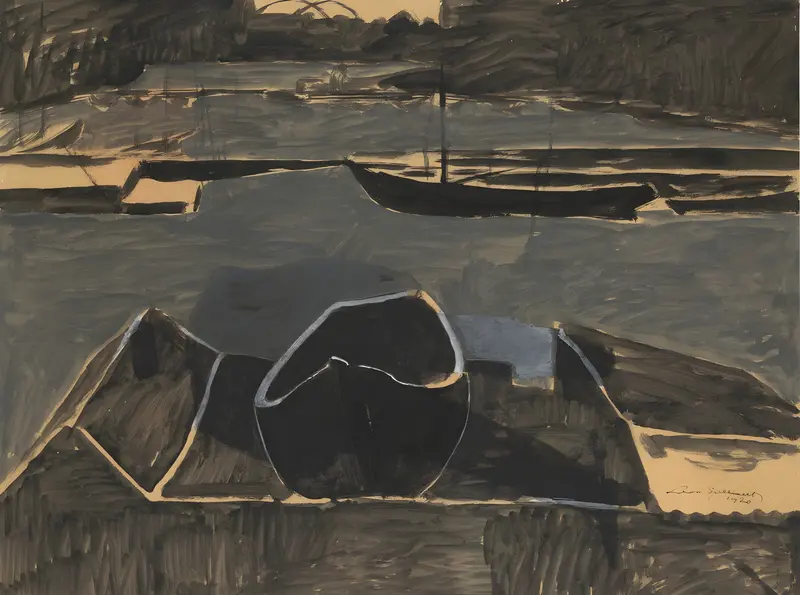
The Docks of Ostend
Léon Spilliaert
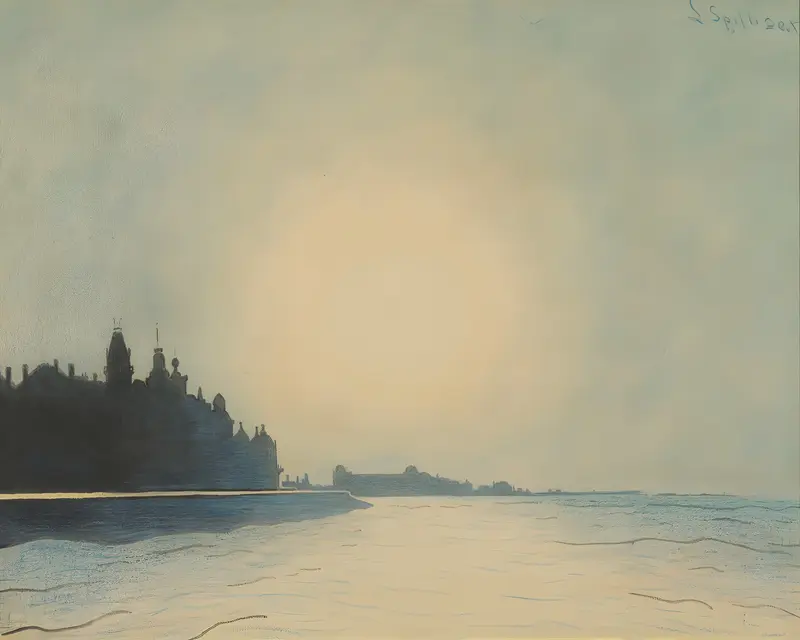
The seawall of Ostend seen from the pier
Léon Spilliaert
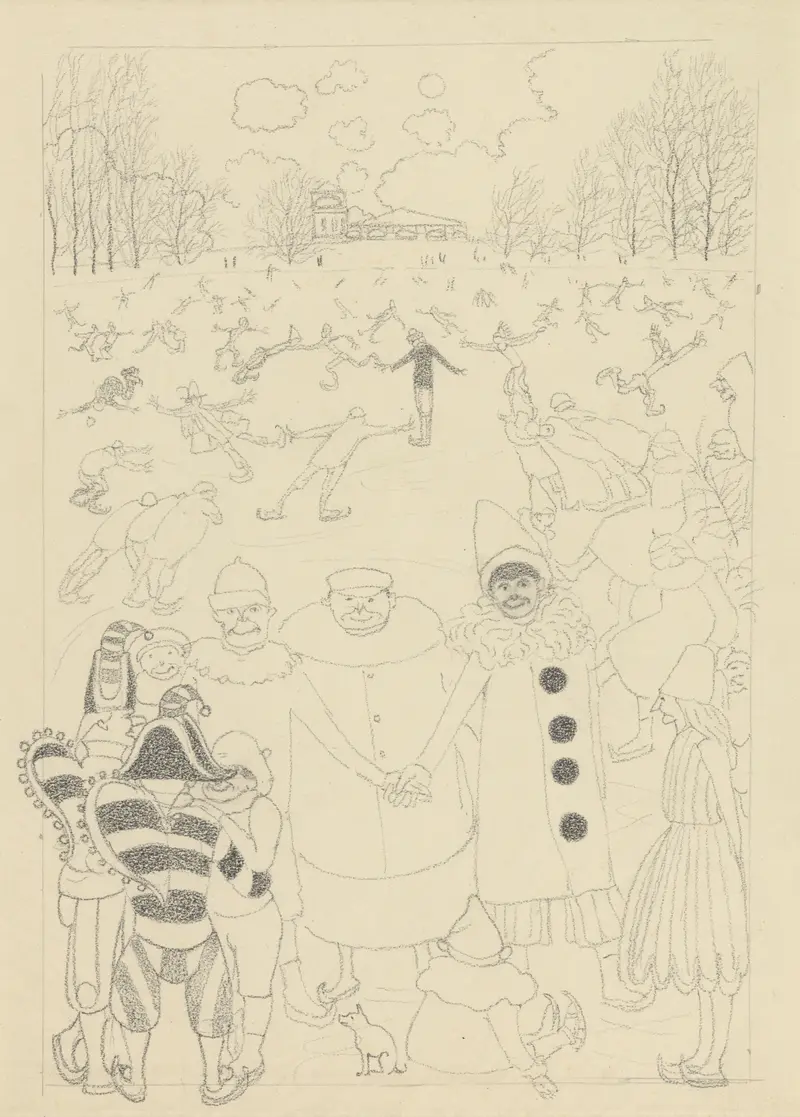
Carnaval
Léon Spilliaert
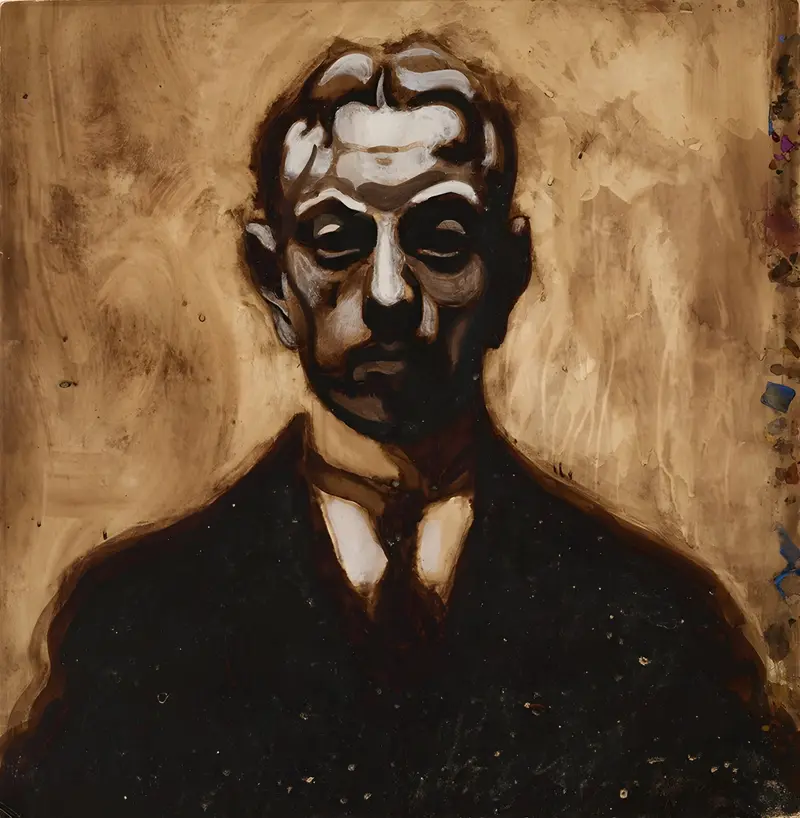
Autoportrait
Léon Spilliaert
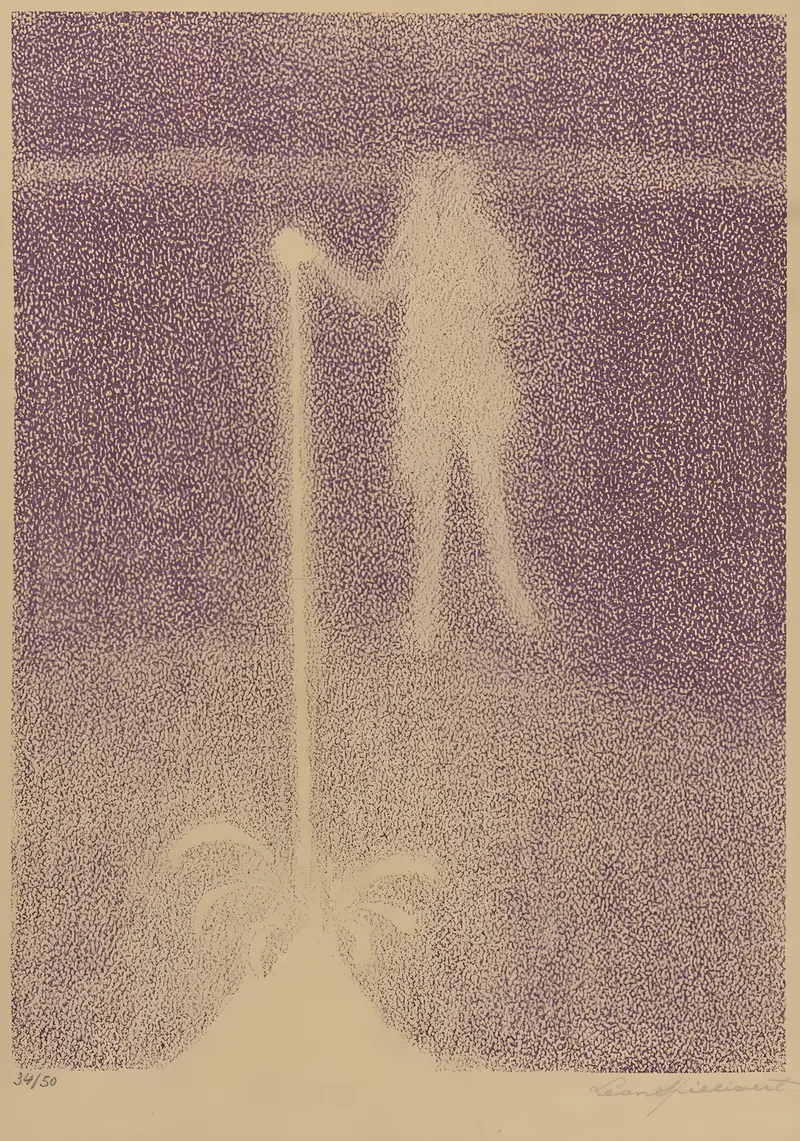
The appearance
Léon Spilliaert
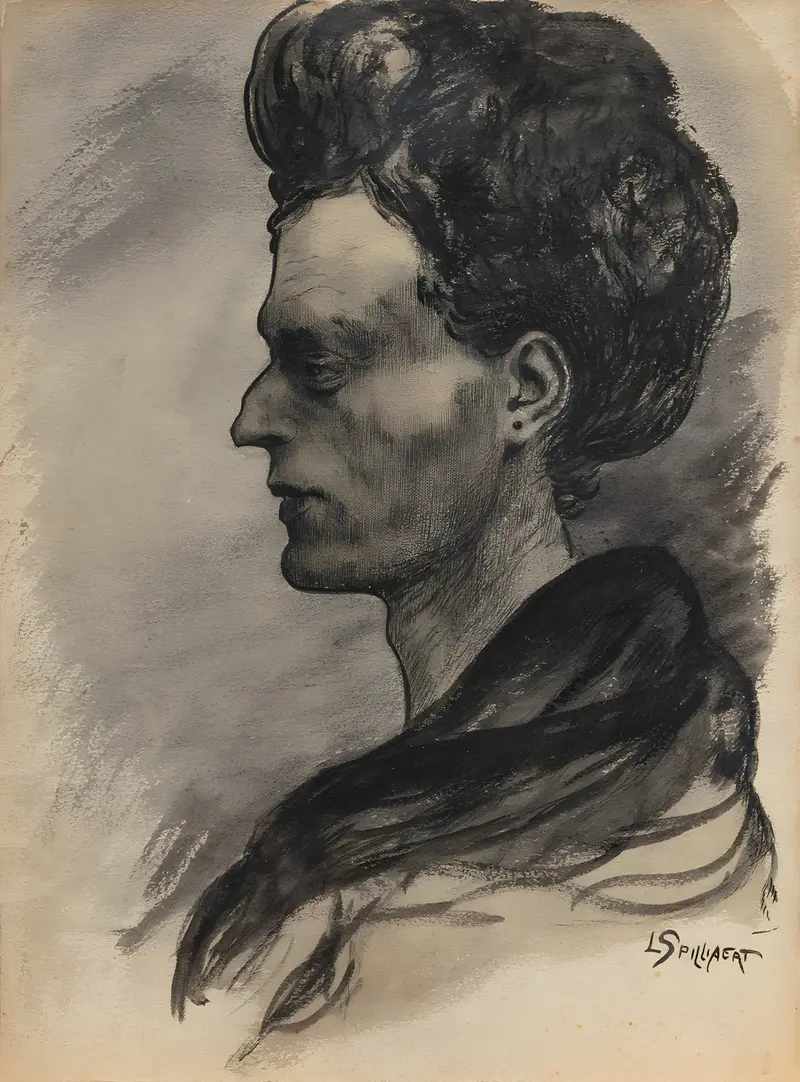
Profil de femme
Léon Spilliaert
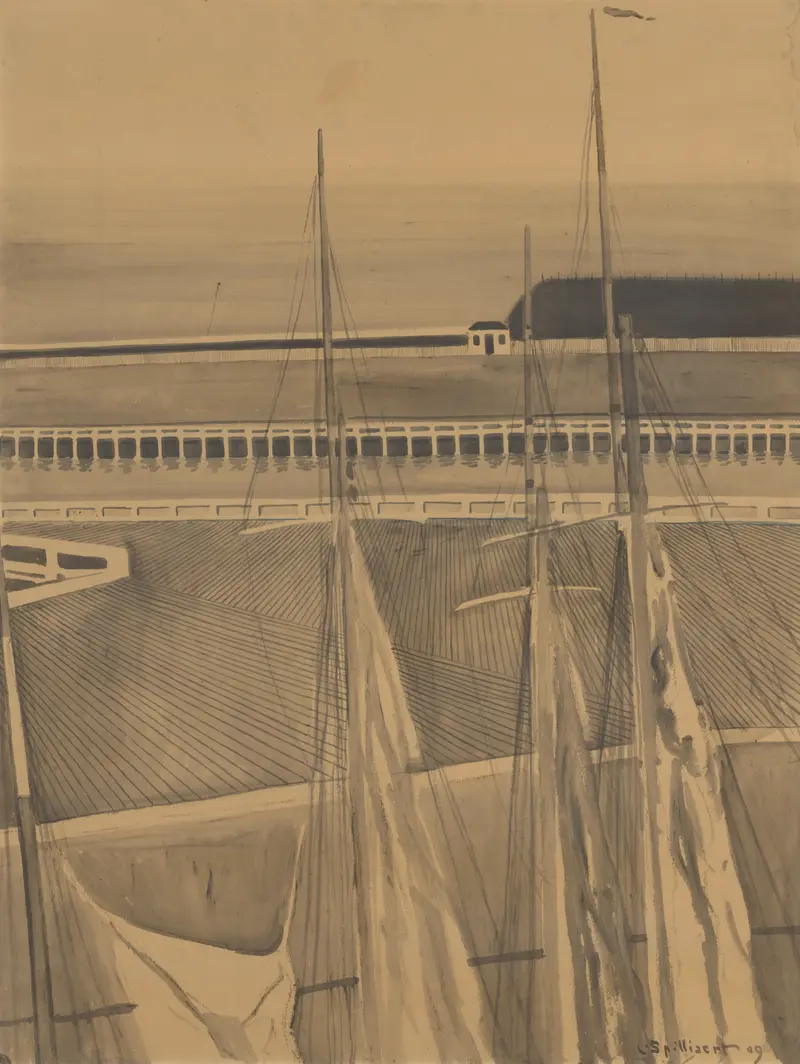
De haven te Oostende
Léon Spilliaert
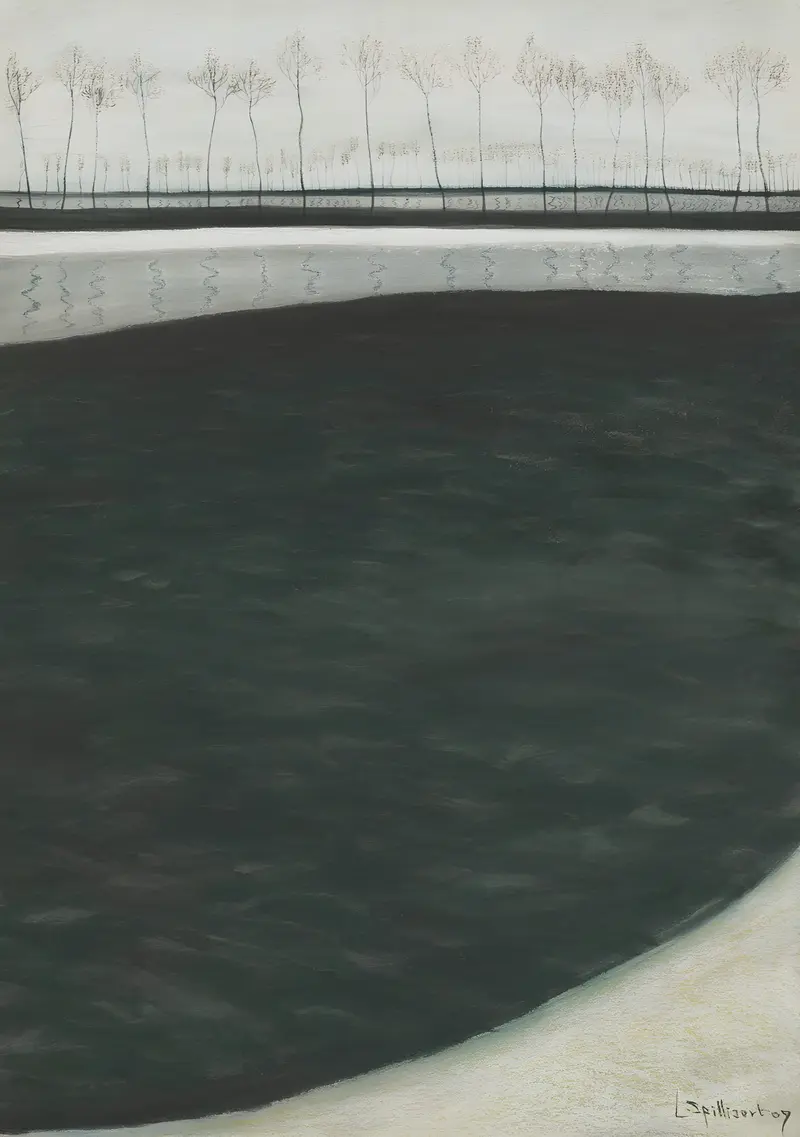
Het kanaal
Léon Spilliaert
Silhouette of the Artist
Léon Spilliaert