Blick auf Ragusa — History & Analysis
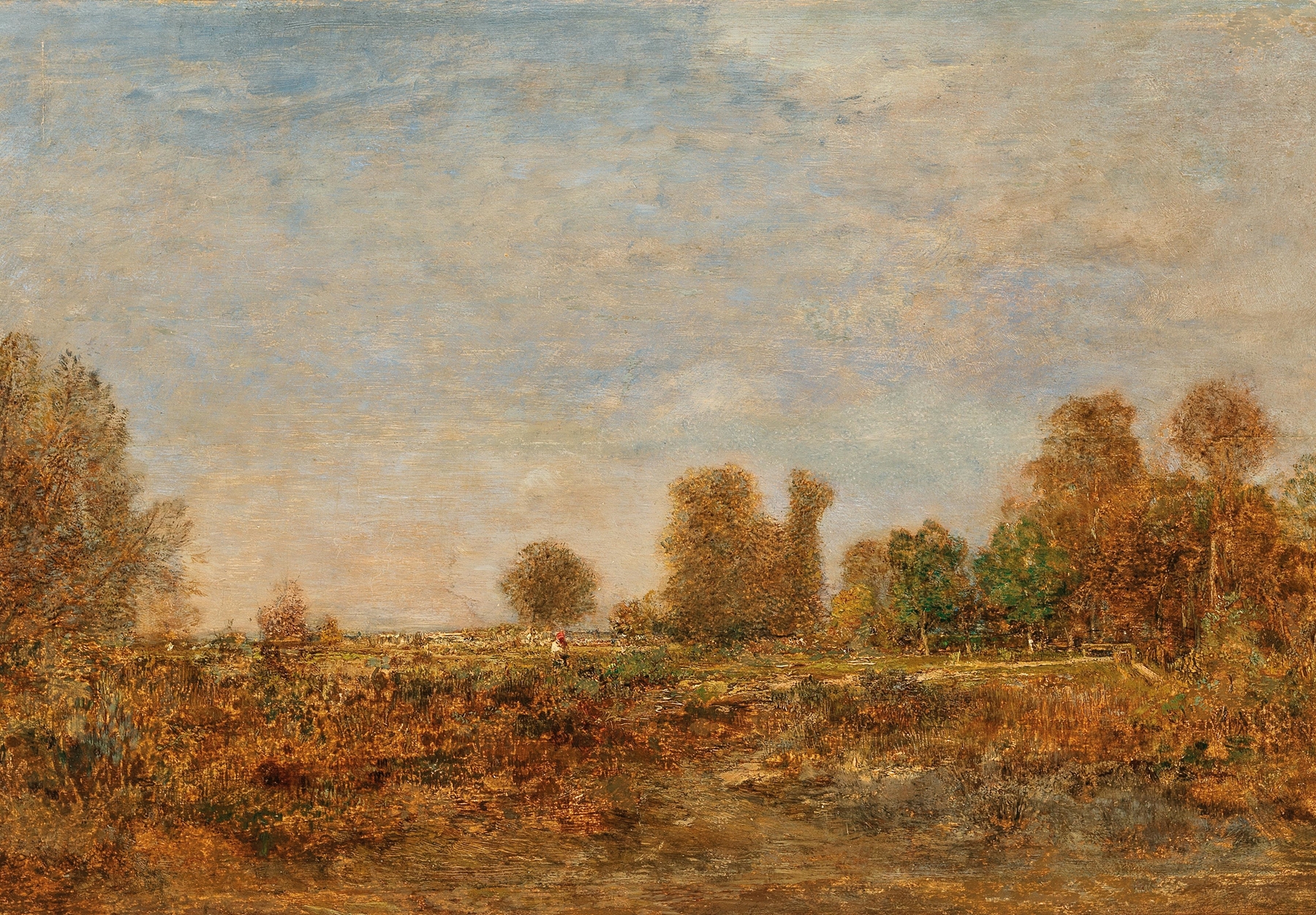
Can beauty exist without sorrow? In Blick auf Ragusa, vibrant hues and shadowy undertones weave a narrative that invites profound reflection on the essence of life. Look to the center of the canvas, where the luminous buildings of Ragusa rise against the backdrop of a sprawling, sandy coastline. The warm ochres and terracotta reds of the architecture glow in the sunlight, framed by the deep azure of the sky.
Notice how the artist skillfully contrasts the cool blues of the bay with the warm tones of land, creating a dance between tranquility and vibrancy. It’s as if the scene breathes, alive with the interplay of color that captures not only the physical beauty of the landscape but also its emotional undercurrents. Peering closely, one can discern subtle details that resonate deeply; the textures of the stone walls tell stories of resilience, while the shadows cast by the buildings hint at the secrets held within. The swelling hills in the background, cloaked in green, symbolize hope and renewal, yet they also evoke a sense of isolation.
This juxtaposition of warmth and coolness, light and shadow, reflects the duality of human experience — beauty intertwined with the specter of melancholy. Emil Jakob Schindler created this masterpiece in 1890 while living in an era of artistic transition. As the world embraced Impressionism, he sought to capture the emotive qualities of landscapes through color and light. At that time, Europe was experiencing cultural changes, and his work resonated with the evolving sentiments of beauty and nature, marking him as a significant figure in Austrian art history.