Blue Villa — History & Analysis
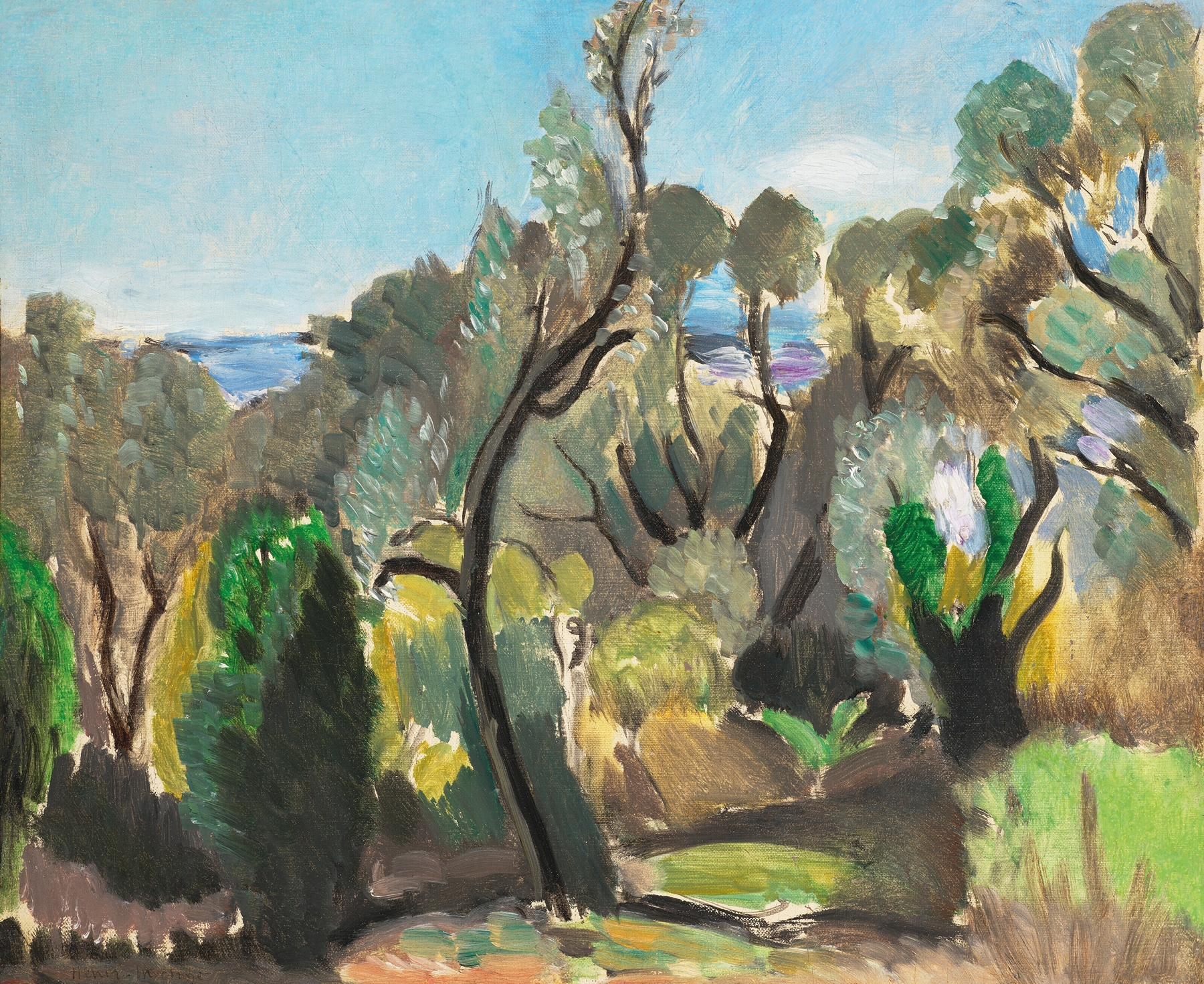
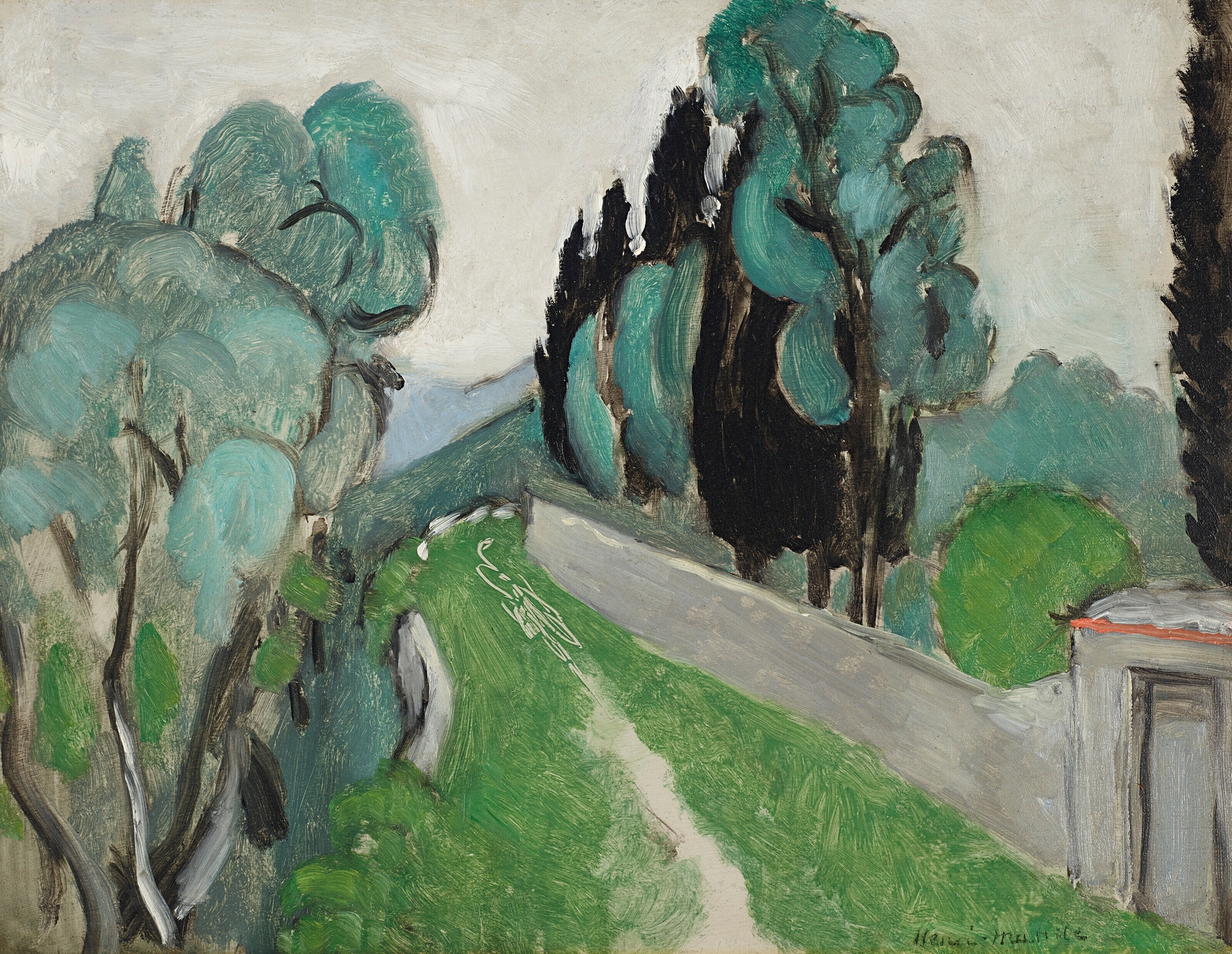
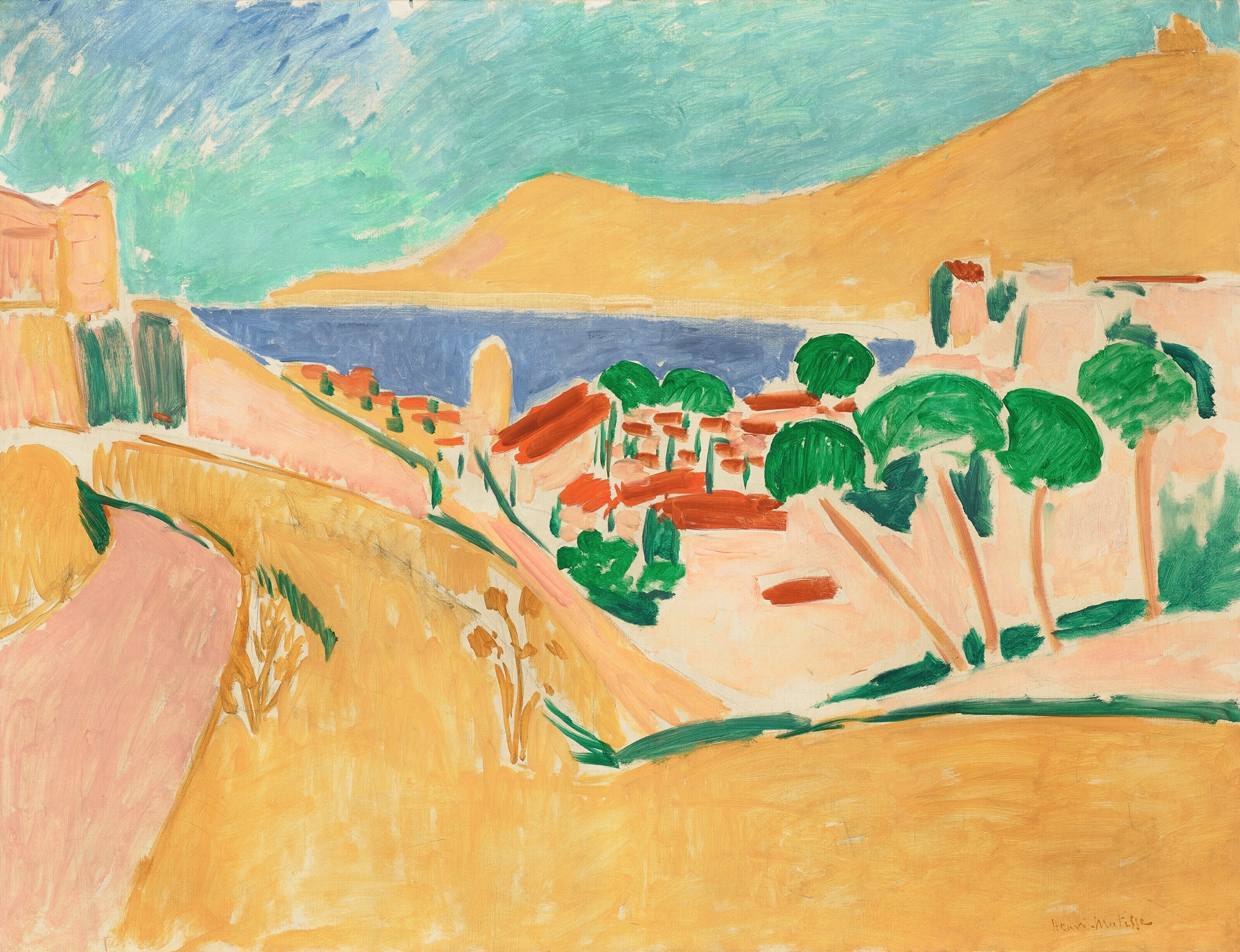
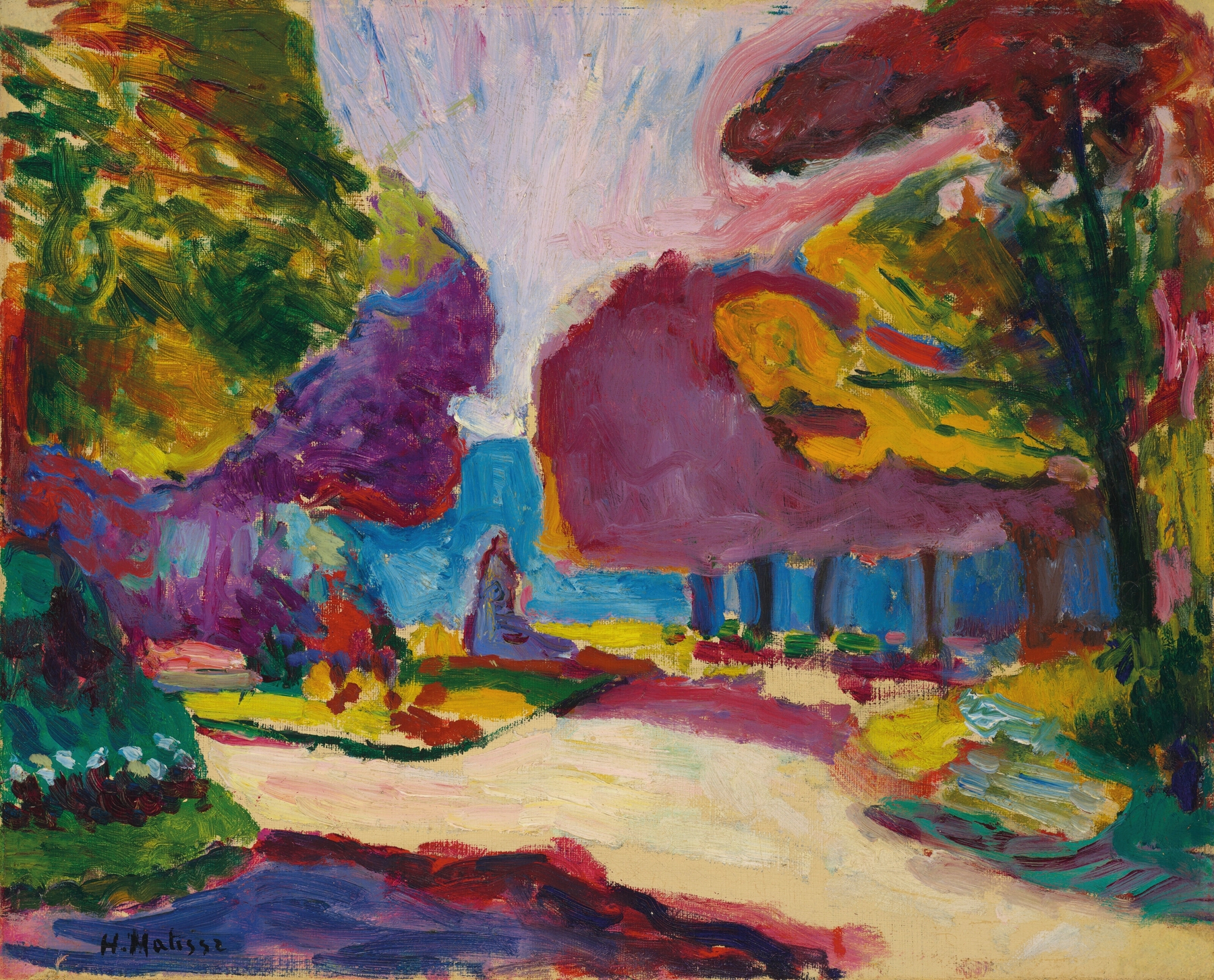
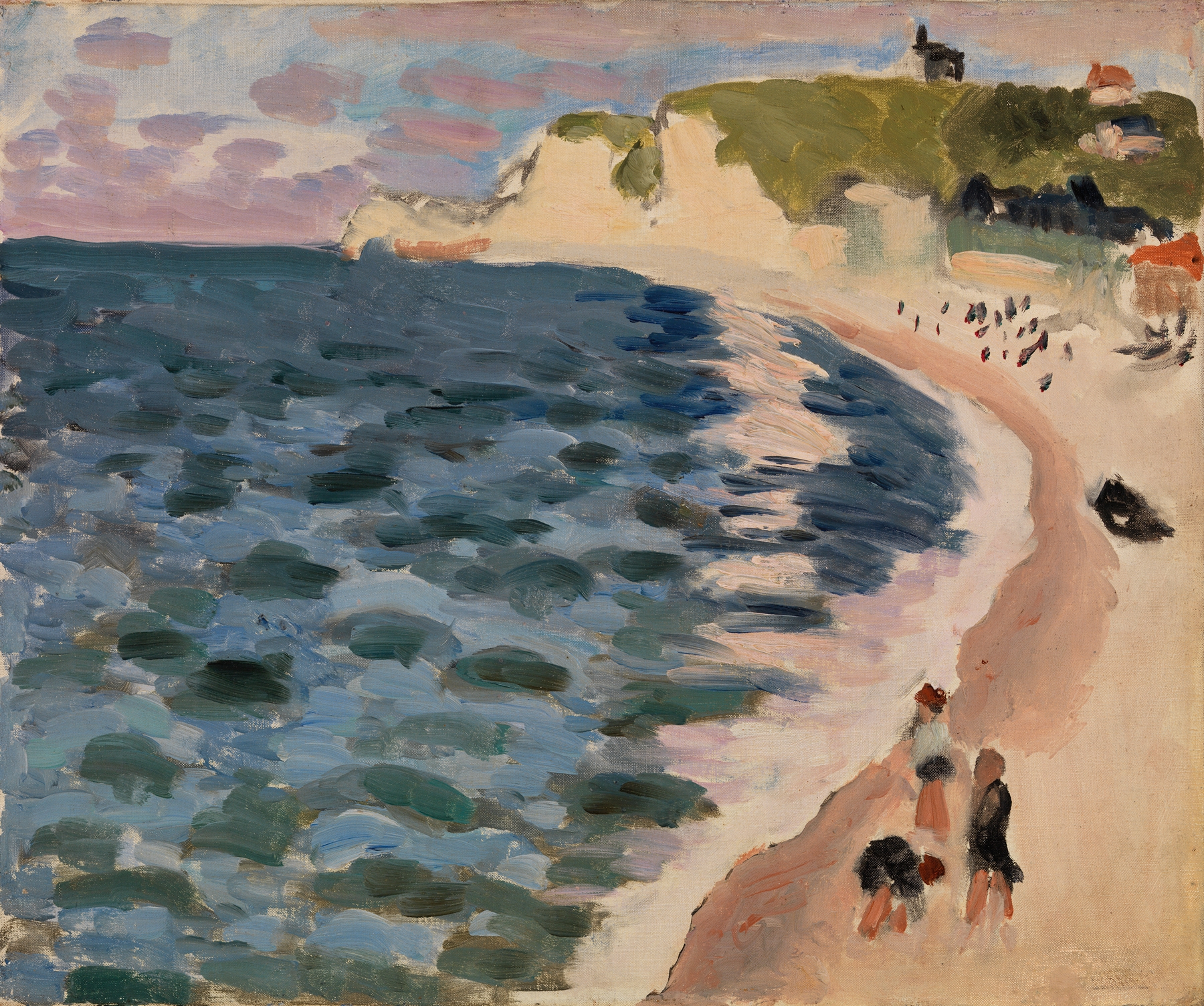
Can paint confess what words never could? Amidst the swirling chaos of life, Blue Villa stands as a testament to the turbulent emotions that often elude verbal expression. Look to the left, where vivid blues and greens meld into a tranquil yet disordered scene. The villa, bathed in cool hues, beckons the eye, its contours softened by Matisse’s brushwork. Notice how the light spills through the open window, illuminating splashes of warm yellow that dance across the surface like fleeting thoughts.
The composition pulls you in, creating a sense of harmony even as the colors conflict, suggesting a duality between serenity and unrest. The painting invites contemplation of home, yet it brims with an underlying chaos. The vibrant color palette exudes warmth and comfort, yet the distorted shapes and jarring hues speak to the complexities of domestic life. Each stroke seems to reflect the artist's state of mind, revealing layers of emotion that oscillate between joy and turmoil, framed within the confines of a single space.
The villa appears to whisper secrets of happiness and strife, embodying the essence of personal struggle and artistic liberation. In 1918, Matisse was settled in Nice, grappling with a world reshaped by war and personal challenges. His vibrant explorations of color and form were a departure from the academic traditions of his earlier works, showcasing his response to the chaos surrounding him. This painting emerged during a period of transition, not only in his career but also in the broader landscape of modern art, as artists sought new means to express the complexities of human experience.