Brazilian Village — History & Analysis
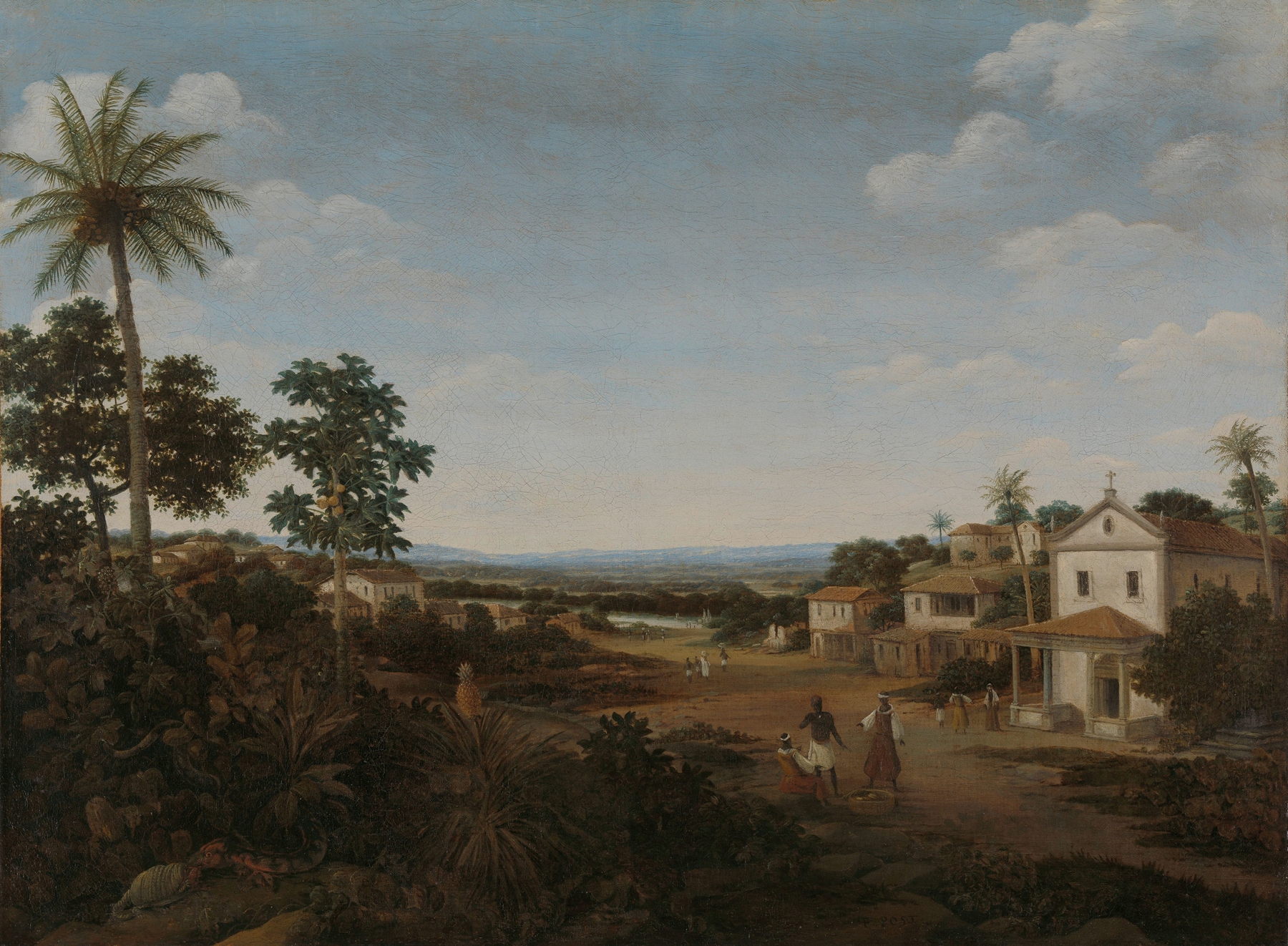
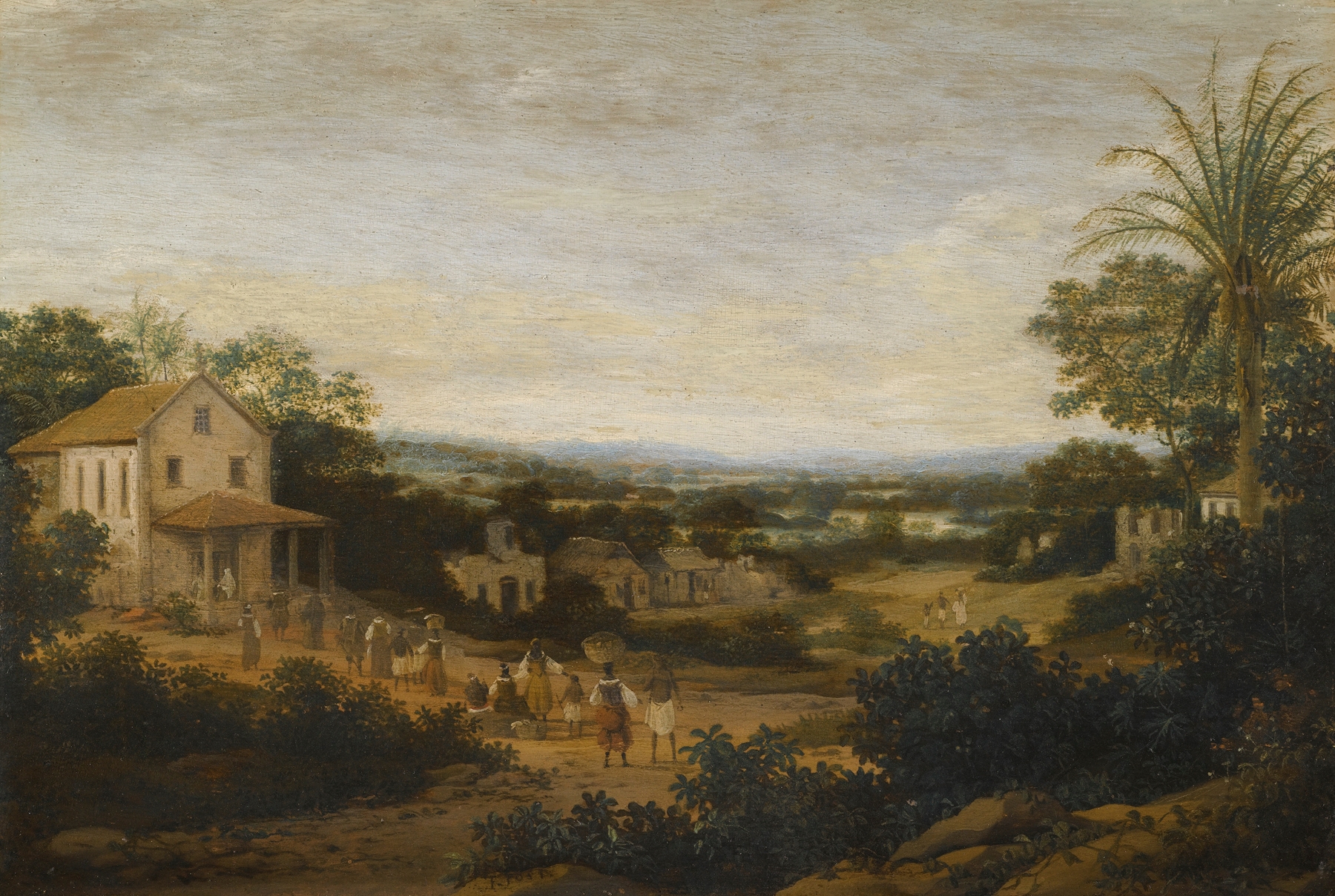
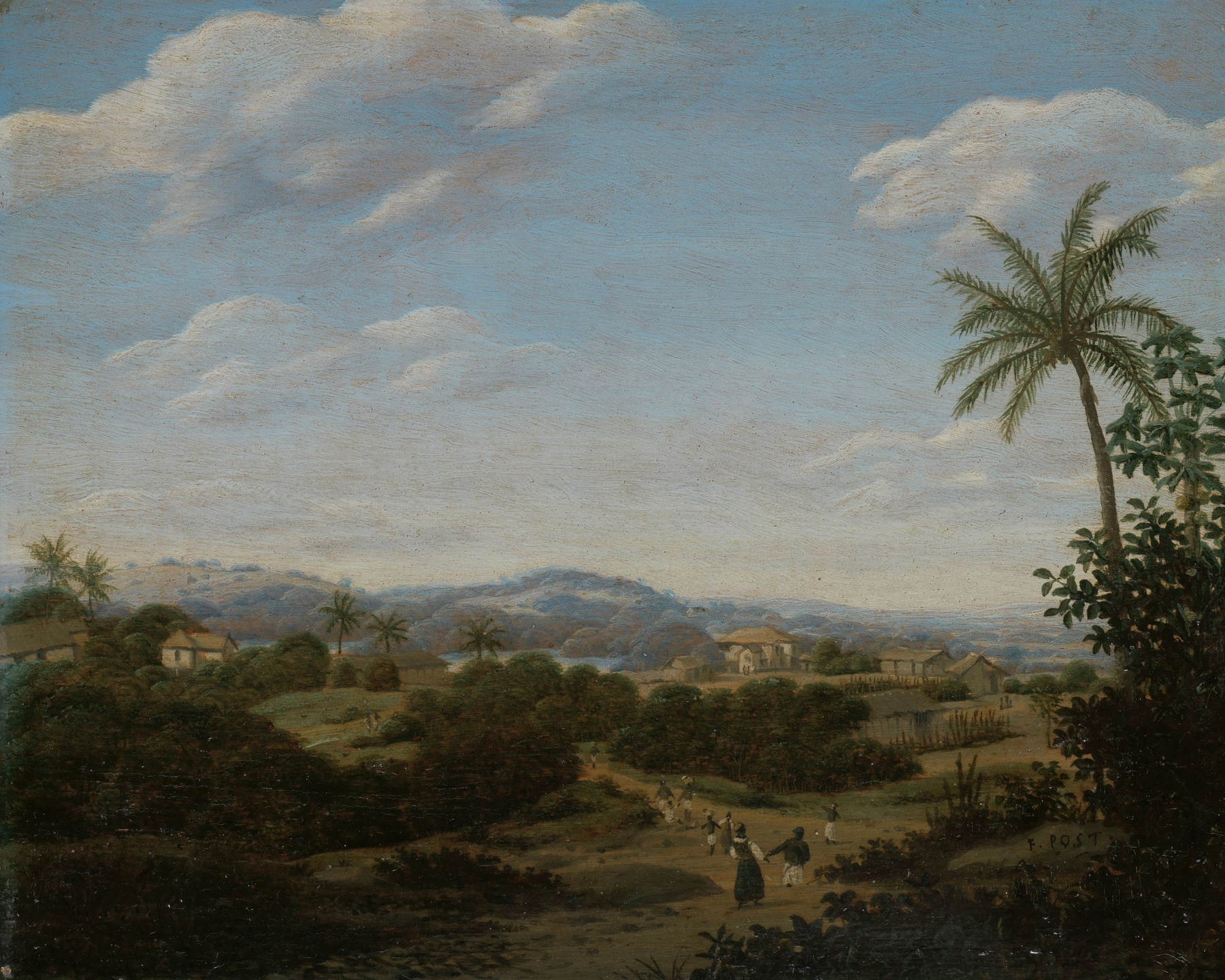
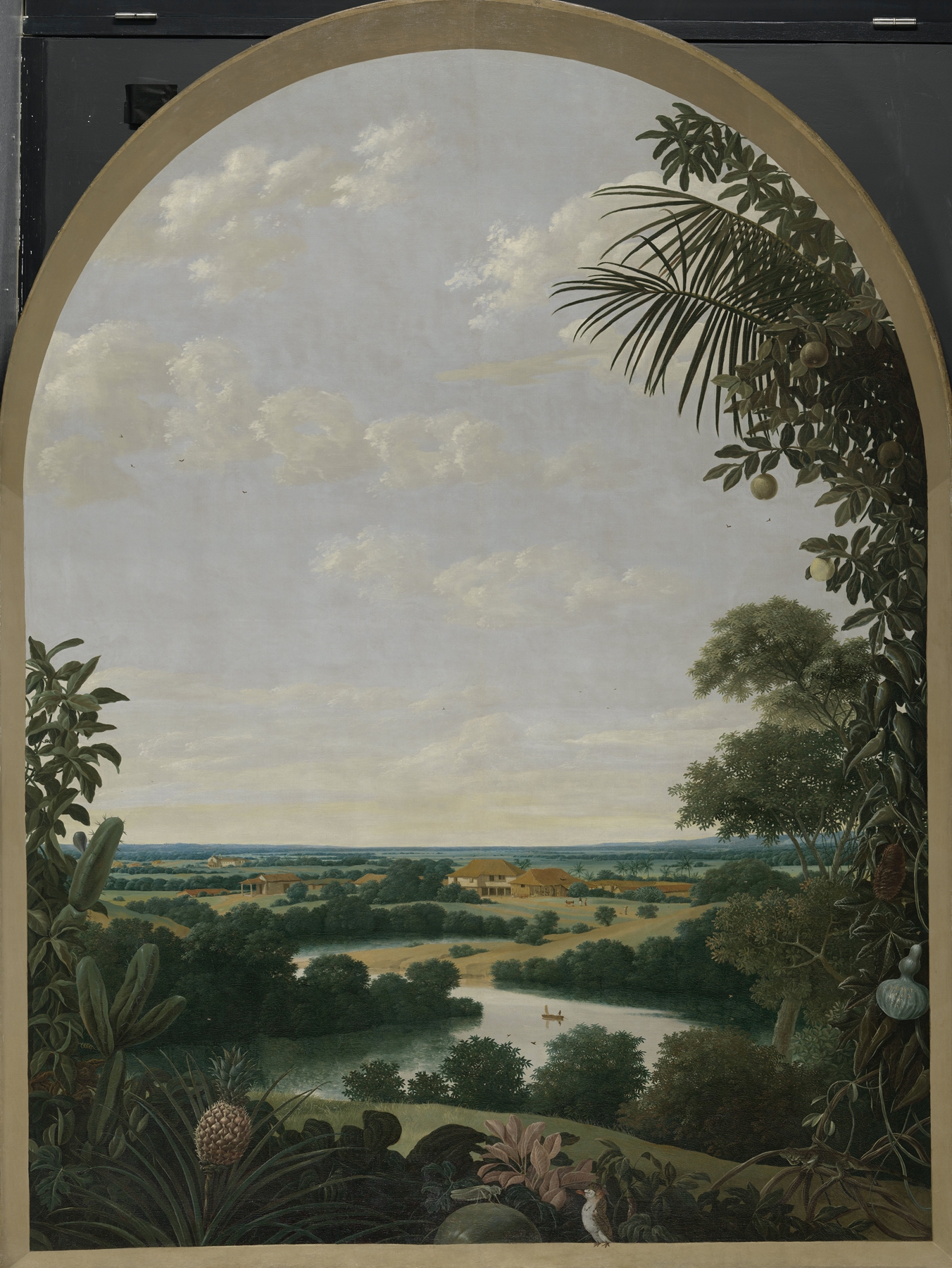
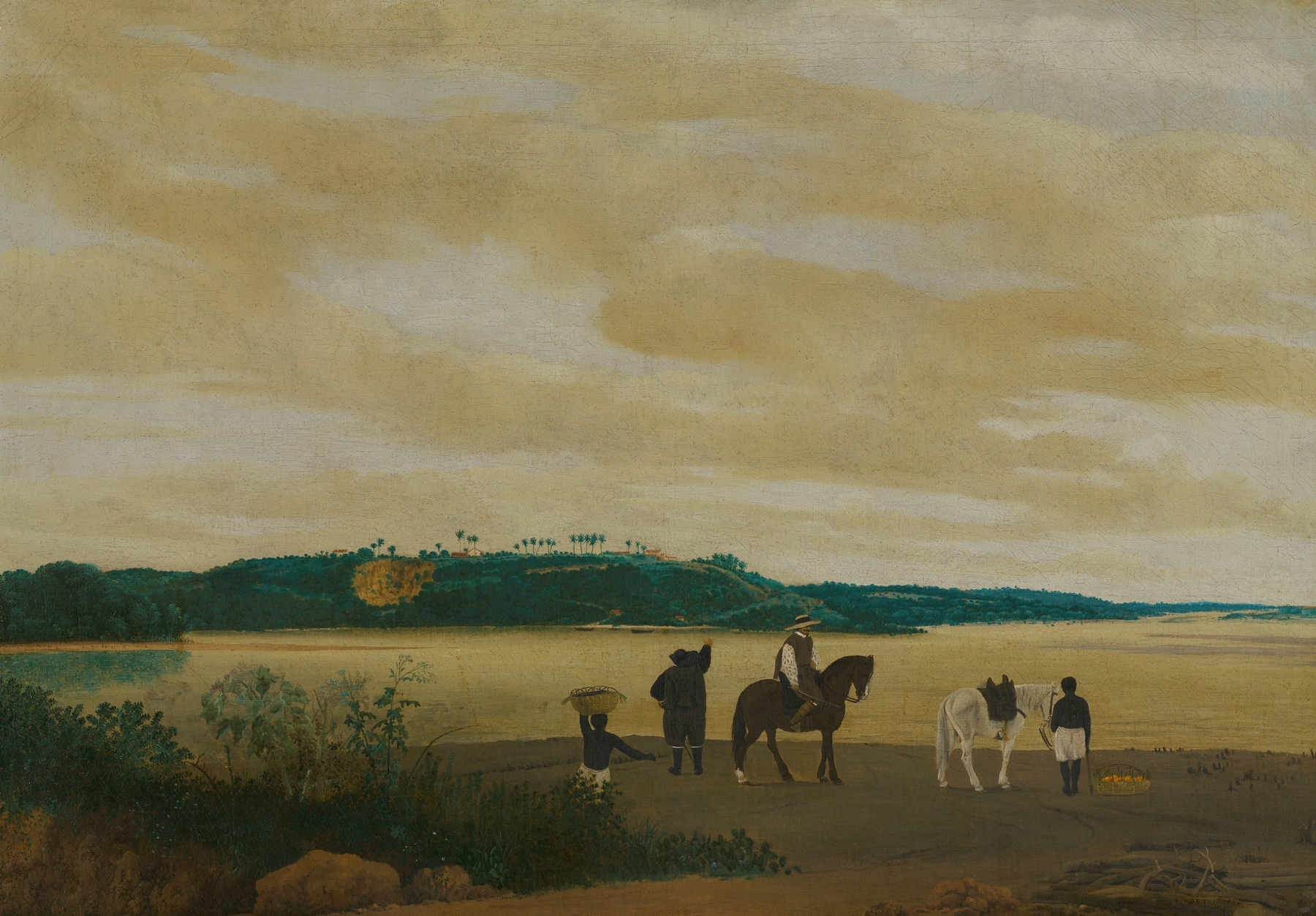
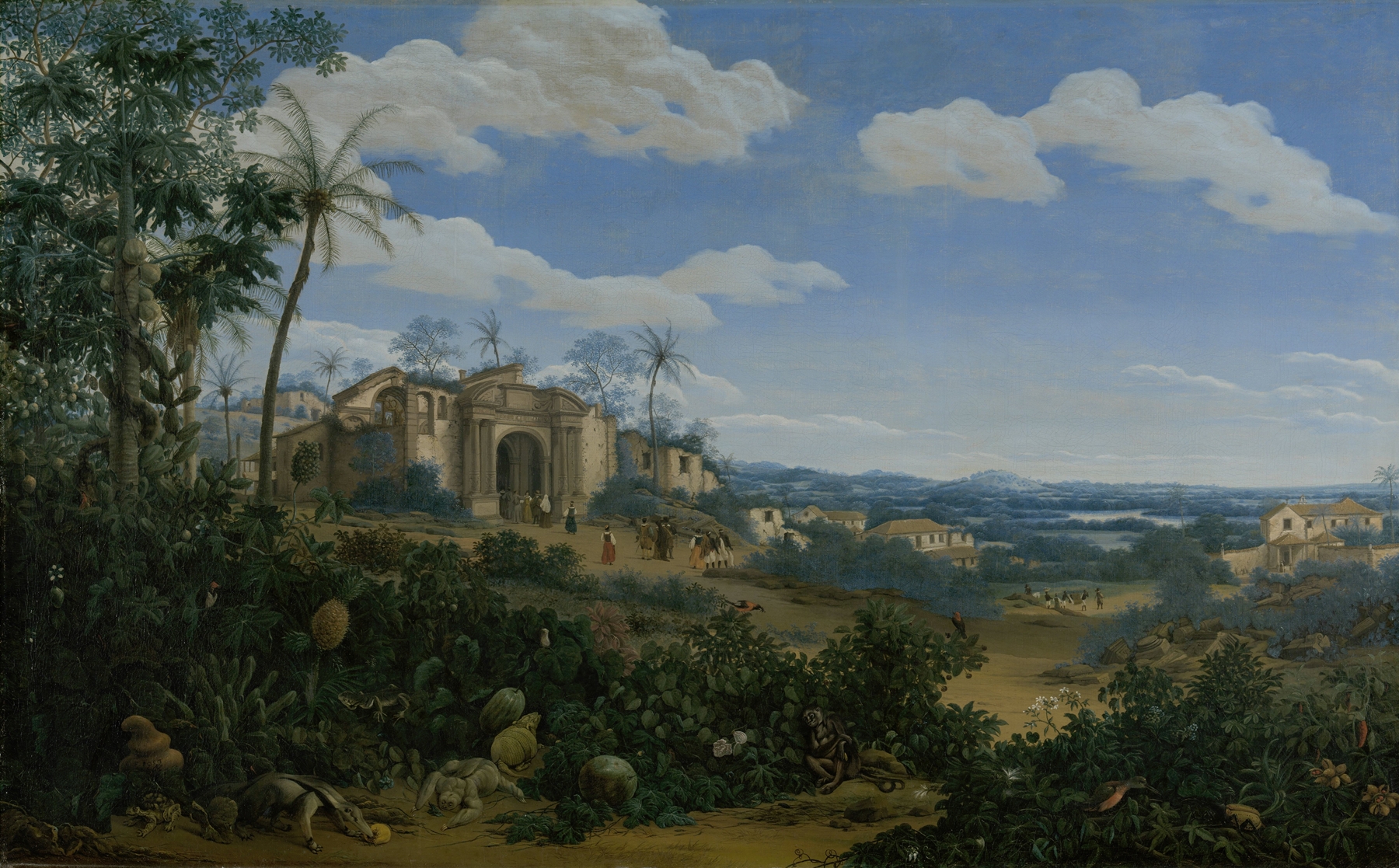
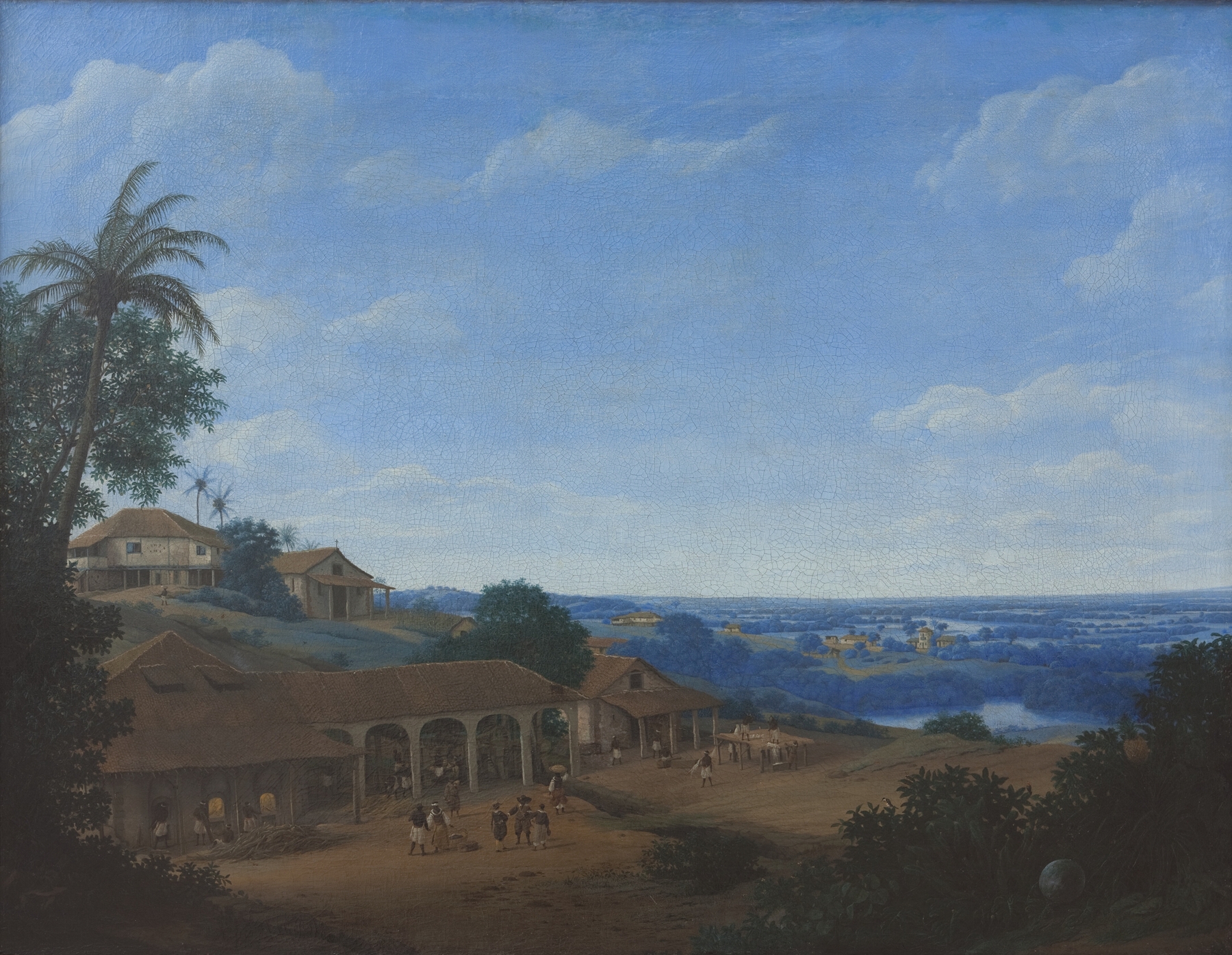
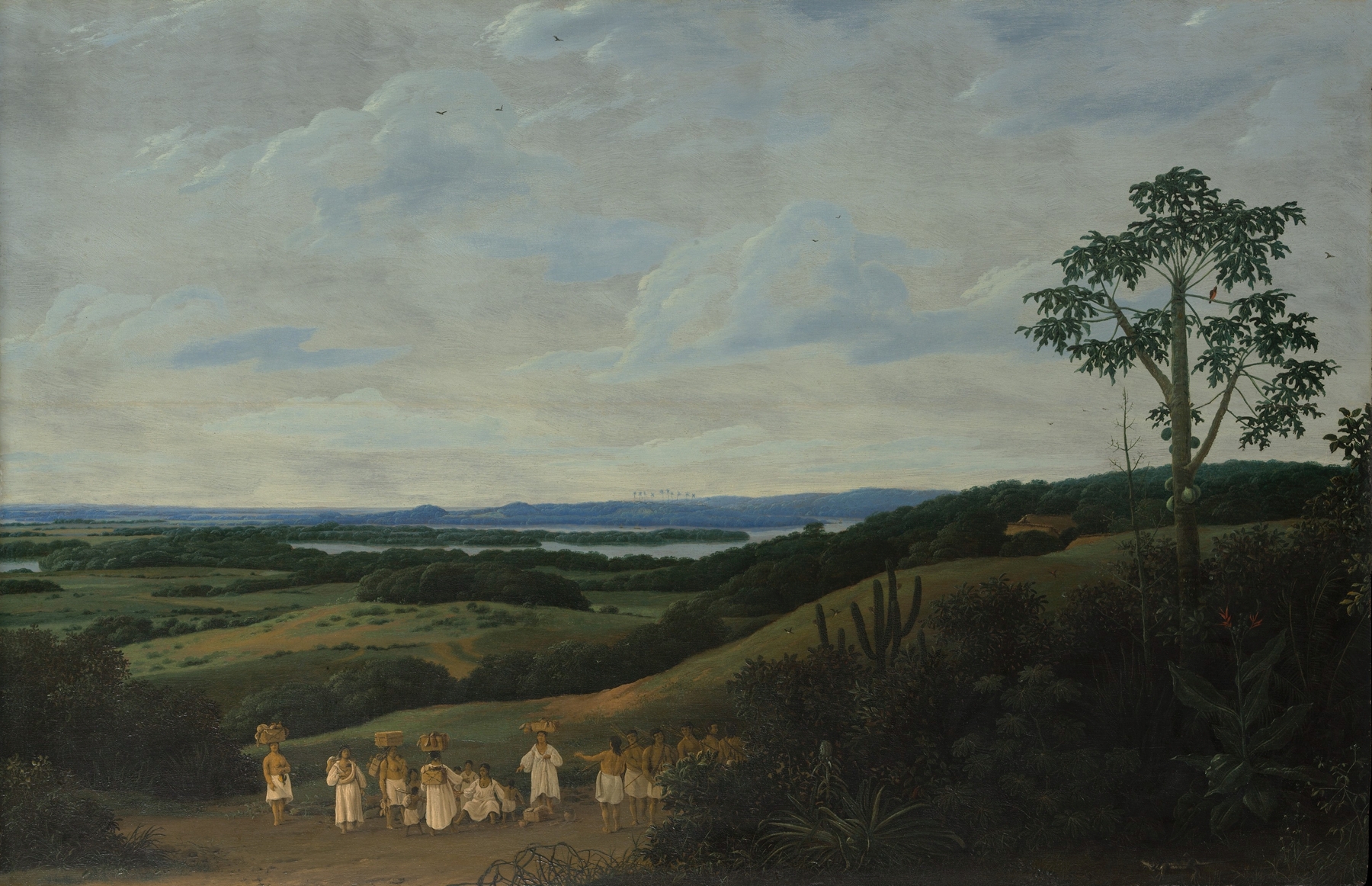
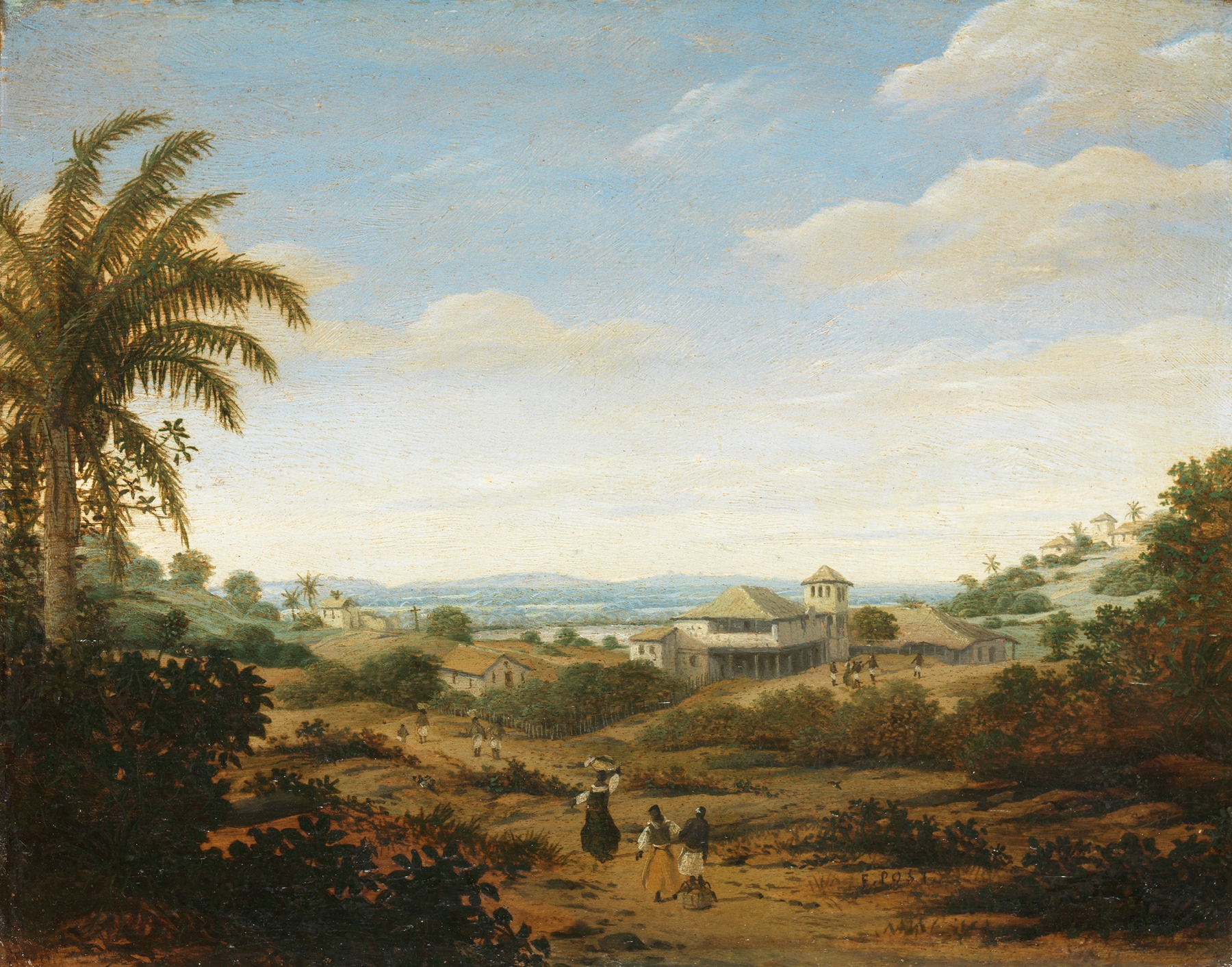
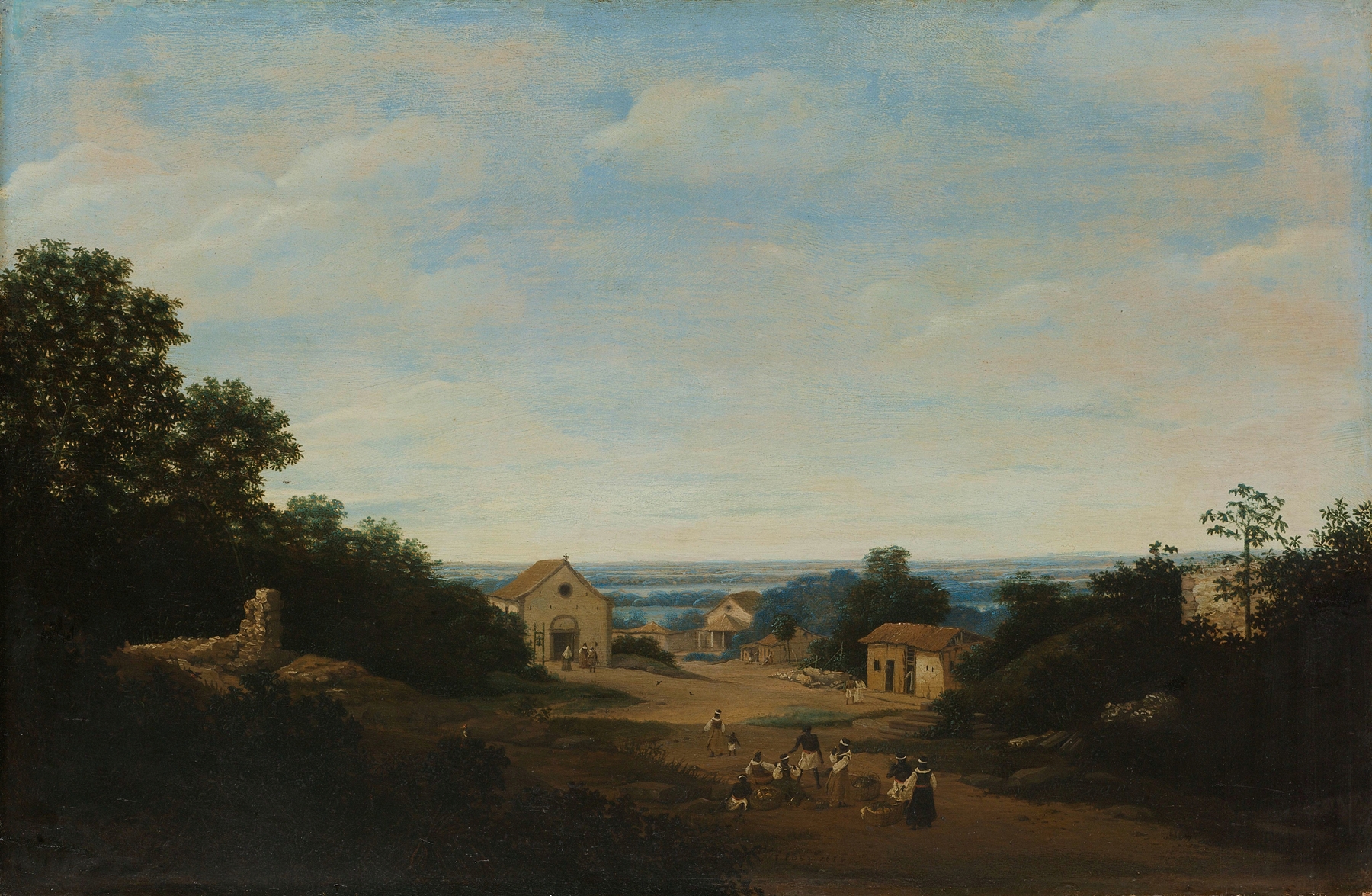
Can beauty exist without sorrow? In the intricate landscape of a Brazilian village, destiny intertwines the vibrant life and the underlying pulse of melancholy. Look to the left where dense greenery embraces modest dwellings, each brushstroke revealing the textured harmony of nature and humanity. Notice how the vivid hues of the houses contrast with the gentle, muted tones of the earth, suggesting a fragile coexistence between civilization and the wilderness.
The light cascades softly, illuminating the scene in a warm, golden glow, while shadows hint at the untold stories lurking beneath the surface. Delve deeper into the details, and you’ll find a silent dialogue emerging from the figures scattered throughout. The villagers appear engaged in their daily lives, yet their expressions convey a sense of longing, perhaps a yearning for what lies beyond the horizon. The juxtaposition of lively color against the subtle hints of isolation creates a tension that resonates with the viewer, prompting a reflection on the complexities of life in a burgeoning landscape.
Created between 1675 and 1680, the artwork emerged during a time when Post was deeply immersed in the exploration of the New World. Settled in Brazil, he was influenced by the richness of the landscape and the complexity of its cultures, keenly aware of the broader historical narratives at play. This work not only showcases his mastery of capturing natural beauty but also serves as a testament to the layered realities of colonial life that defined his experiences as an artist.