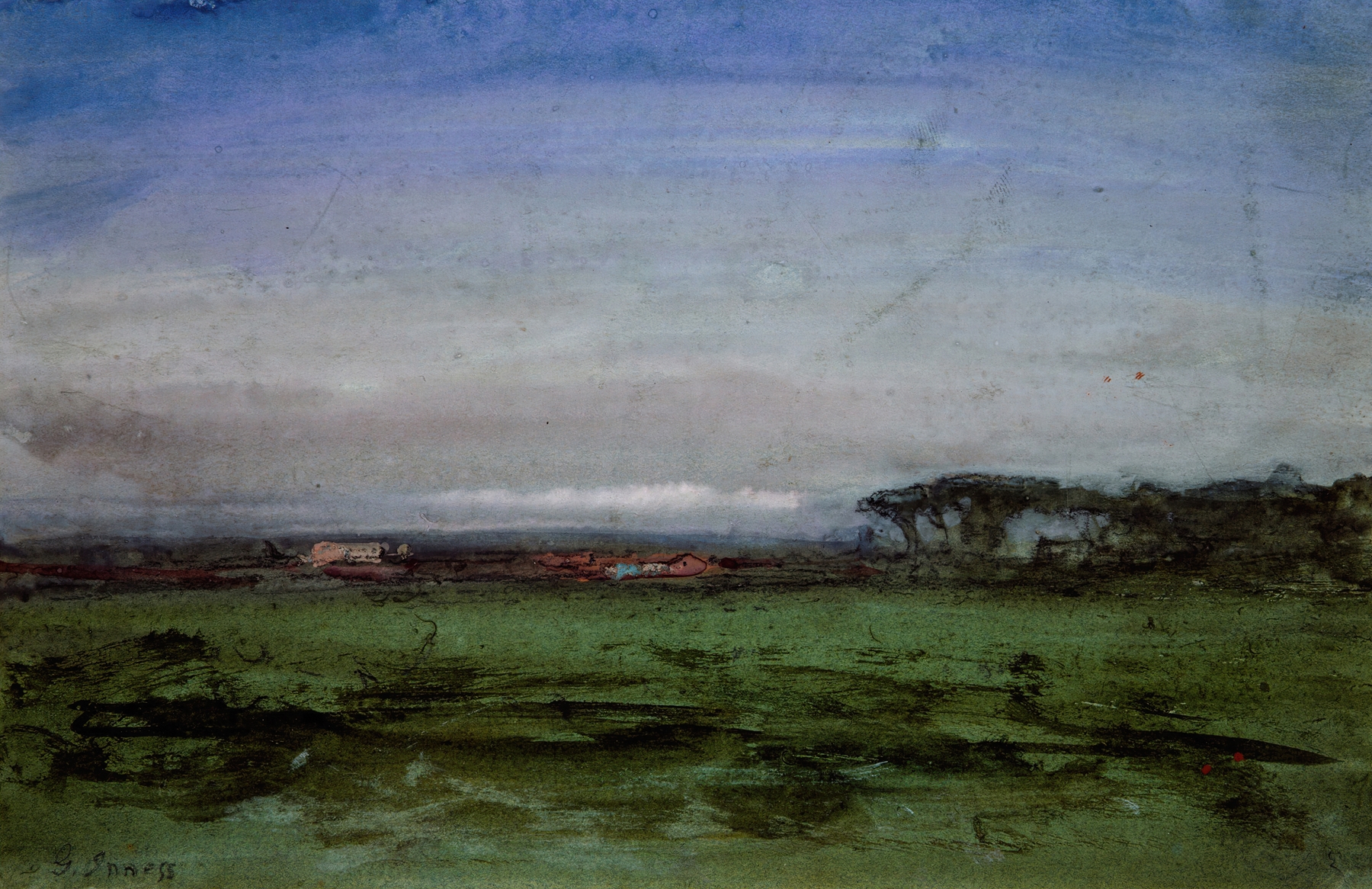
By The Old Aqueduct, Campagna, Italy — History & Analysis
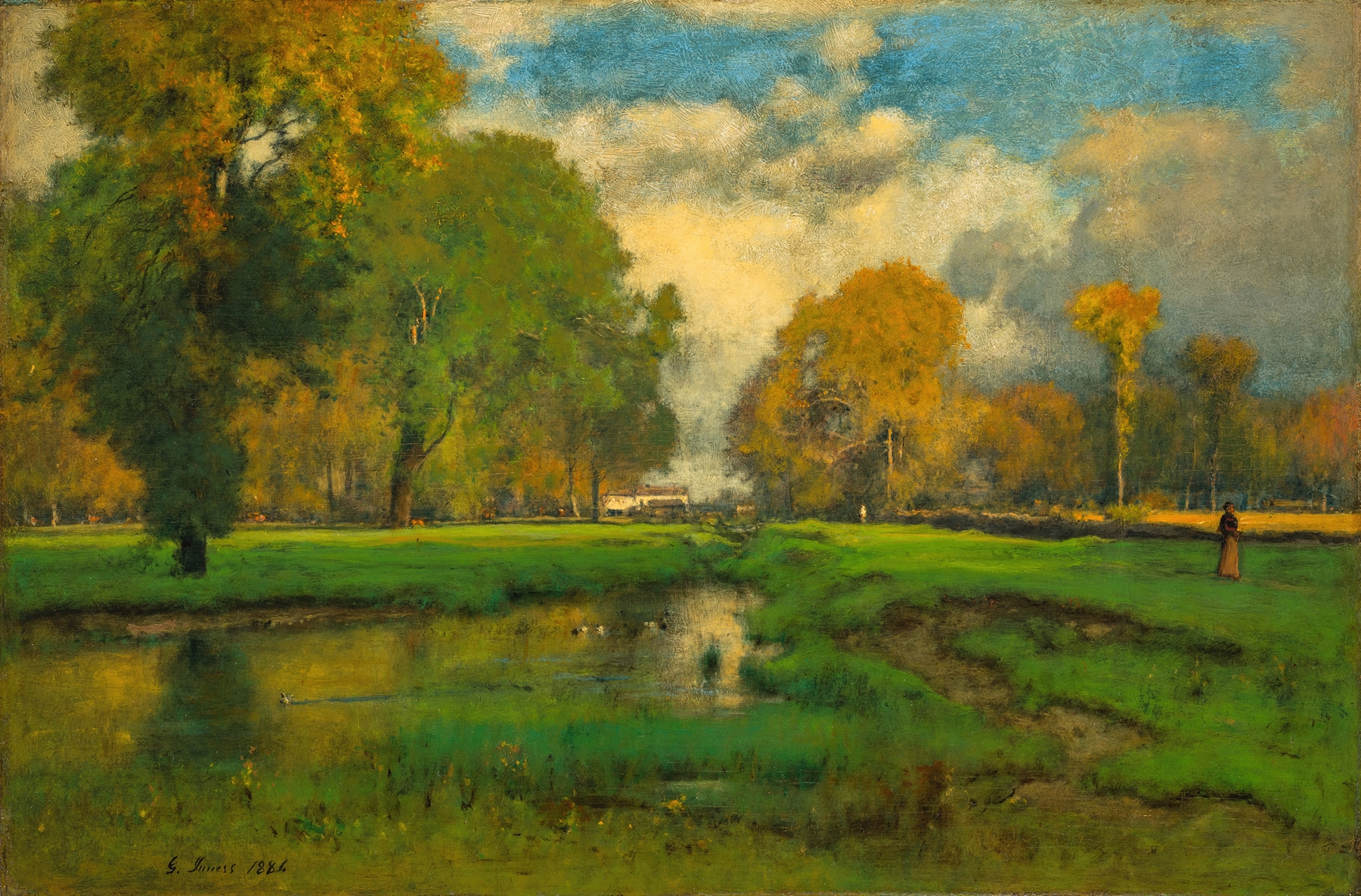
Can paint confess what words never could? In By The Old Aqueduct, Campagna, Italy, a world unfurls where nature and spirit coalesce in a silent communion of awe. Look to the foreground where the ancient aqueduct stands, a majestic testament to human endeavor, its arches framing the lush landscape beyond. Notice how the light spills softly over the rolling hills, bathing the scene in a golden warmth that invites contemplation. The palette is rich yet subtle, with verdant greens and earthy browns whispering secrets of the Italian countryside.
As your gaze travels upward, the sky, filled with gentle clouds, hints at the vastness above and the fleeting nature of time, inviting a sense of wonder. The juxtaposition of the sturdy aqueduct and the ephemeral clouds draws attention to the themes of permanence versus transience. This interaction suggests that even in the face of man's creations, nature persists with its own quiet beauty. The delicate interplay of light creates a dreamlike atmosphere, inviting viewers to ponder the relationship between humanity and the natural world—a dialogue where awe is the only response.
Every stroke seems infused with reverence, transforming a simple landscape into a profound meditation. In 1873, George Inness painted this piece during a period of personal exploration and shifting artistic philosophies. Living in a time when the Hudson River School was giving way to a more impressionistic approach, Inness sought to capture not just the visual details but the emotional resonance of the scene. The world was changing, and so was the language of art, pushing Inness to explore the spiritual connections found within nature, ultimately giving life to this breathtaking moment in the Campagna.