By the River — History & Analysis
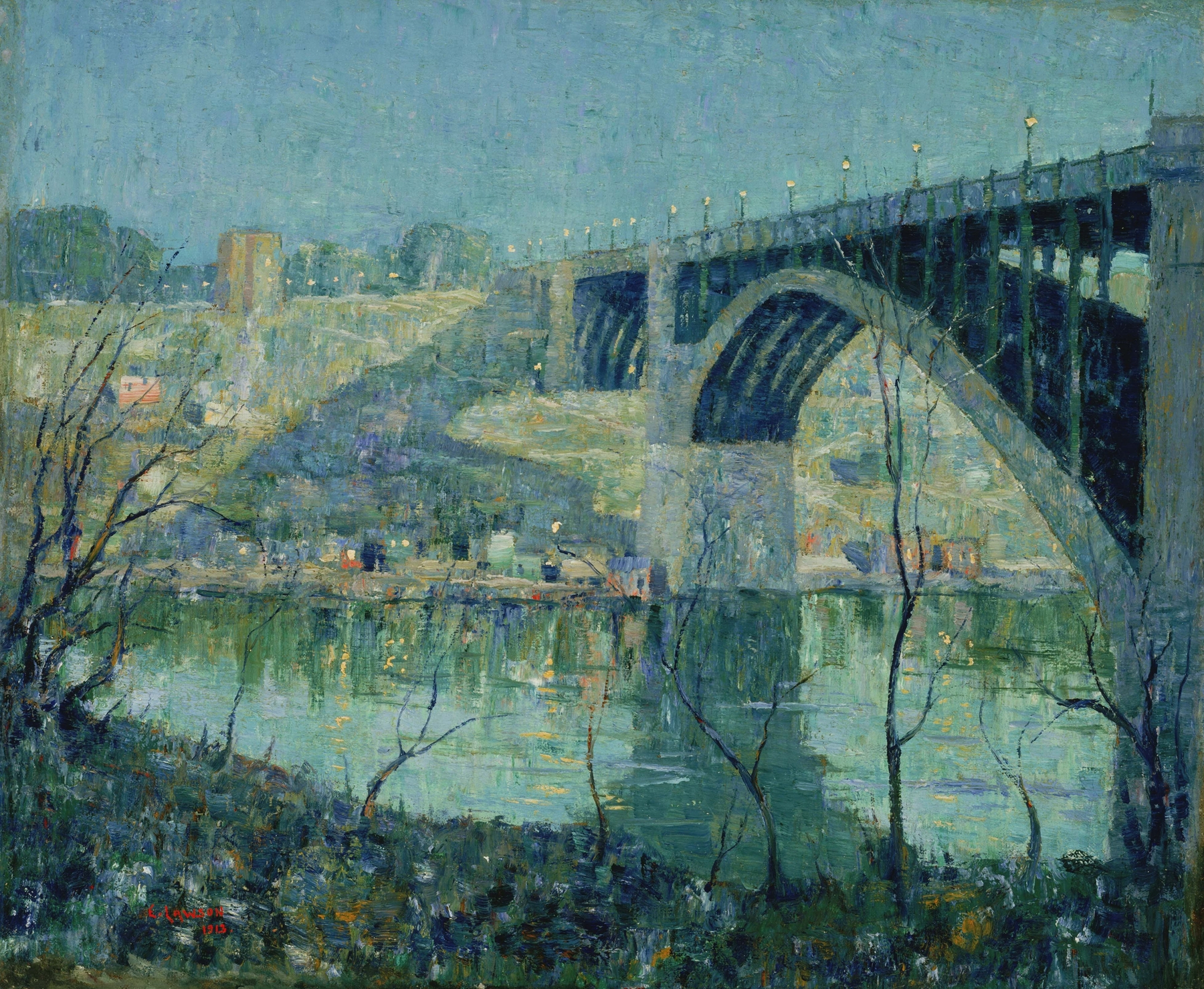
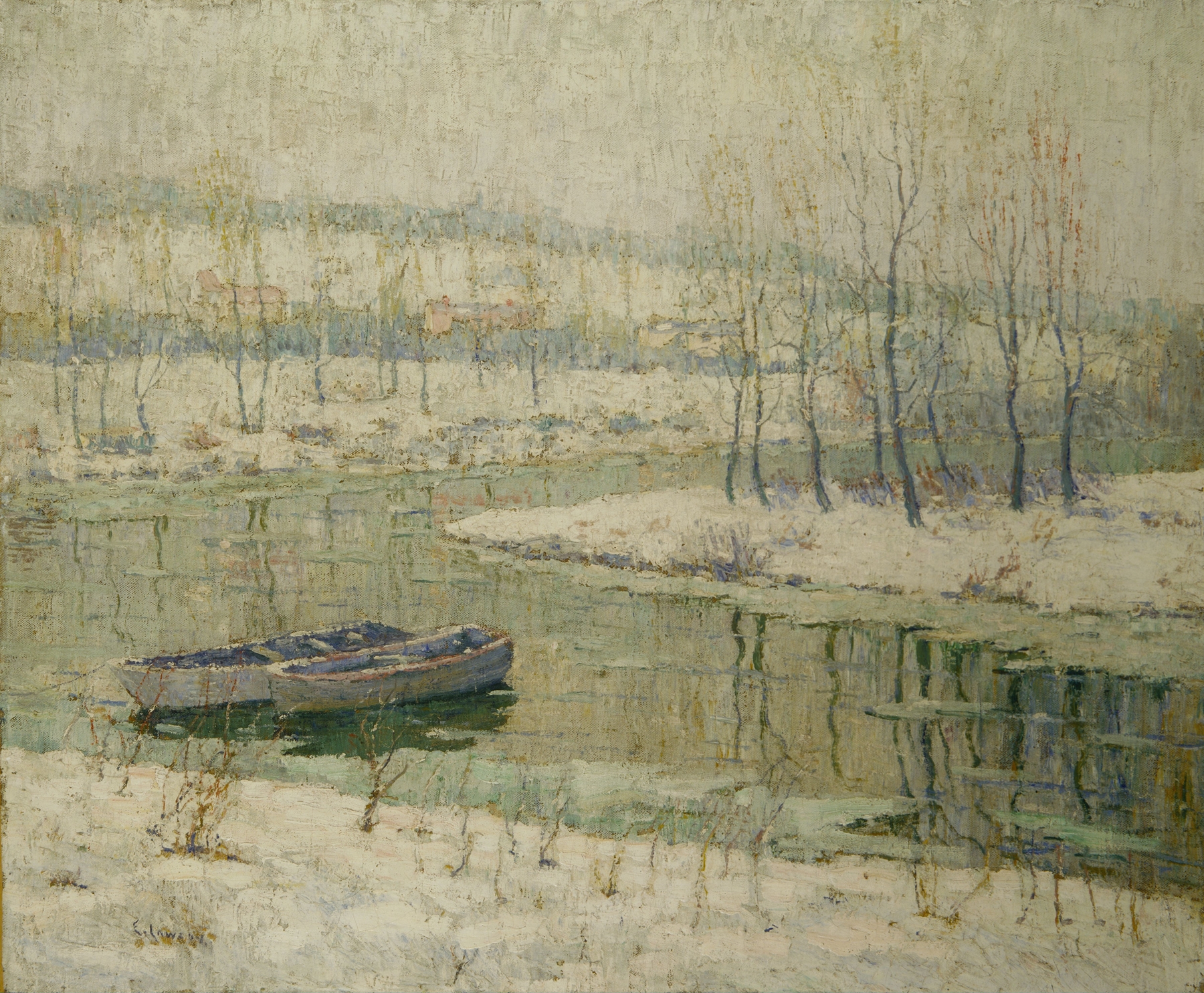
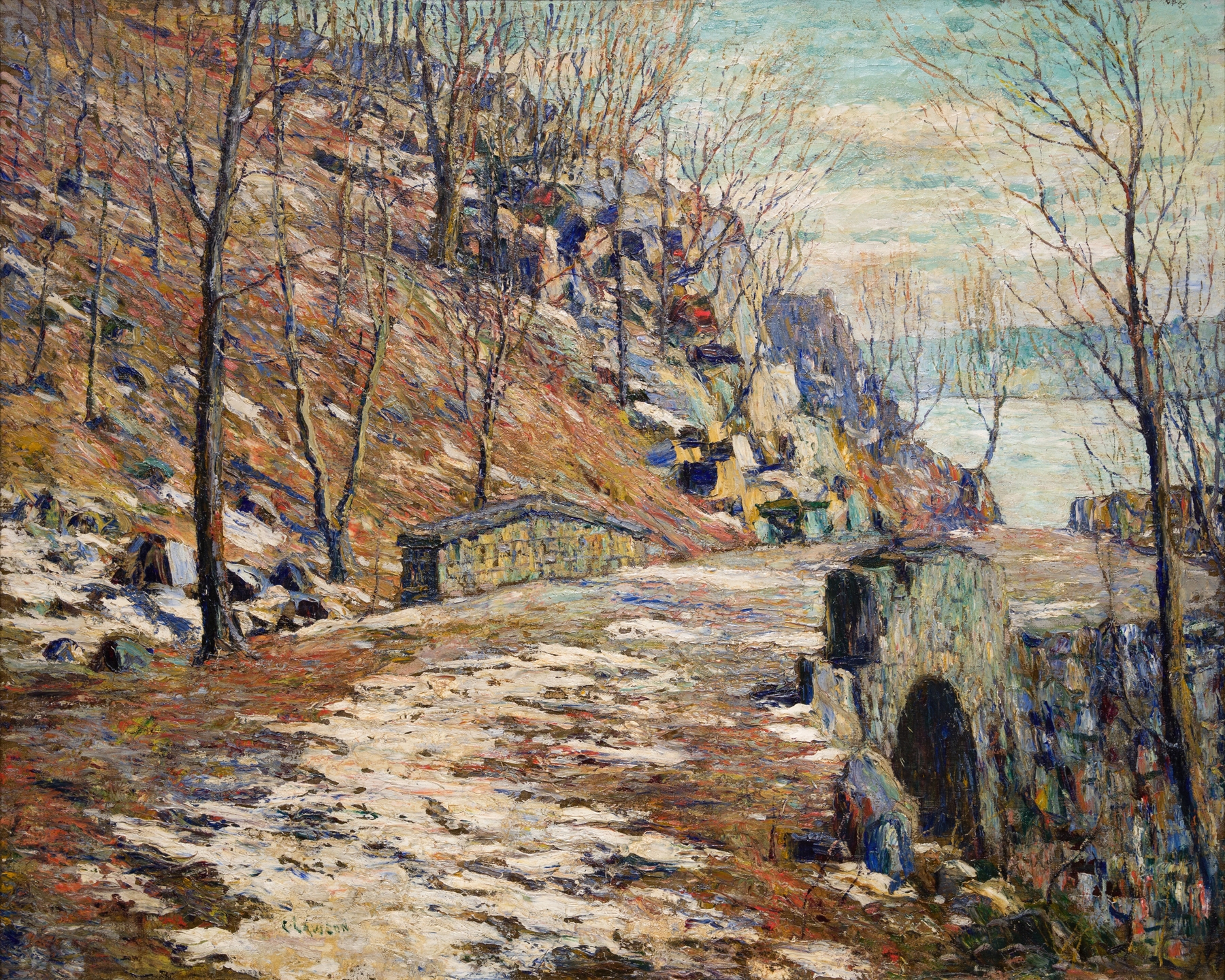
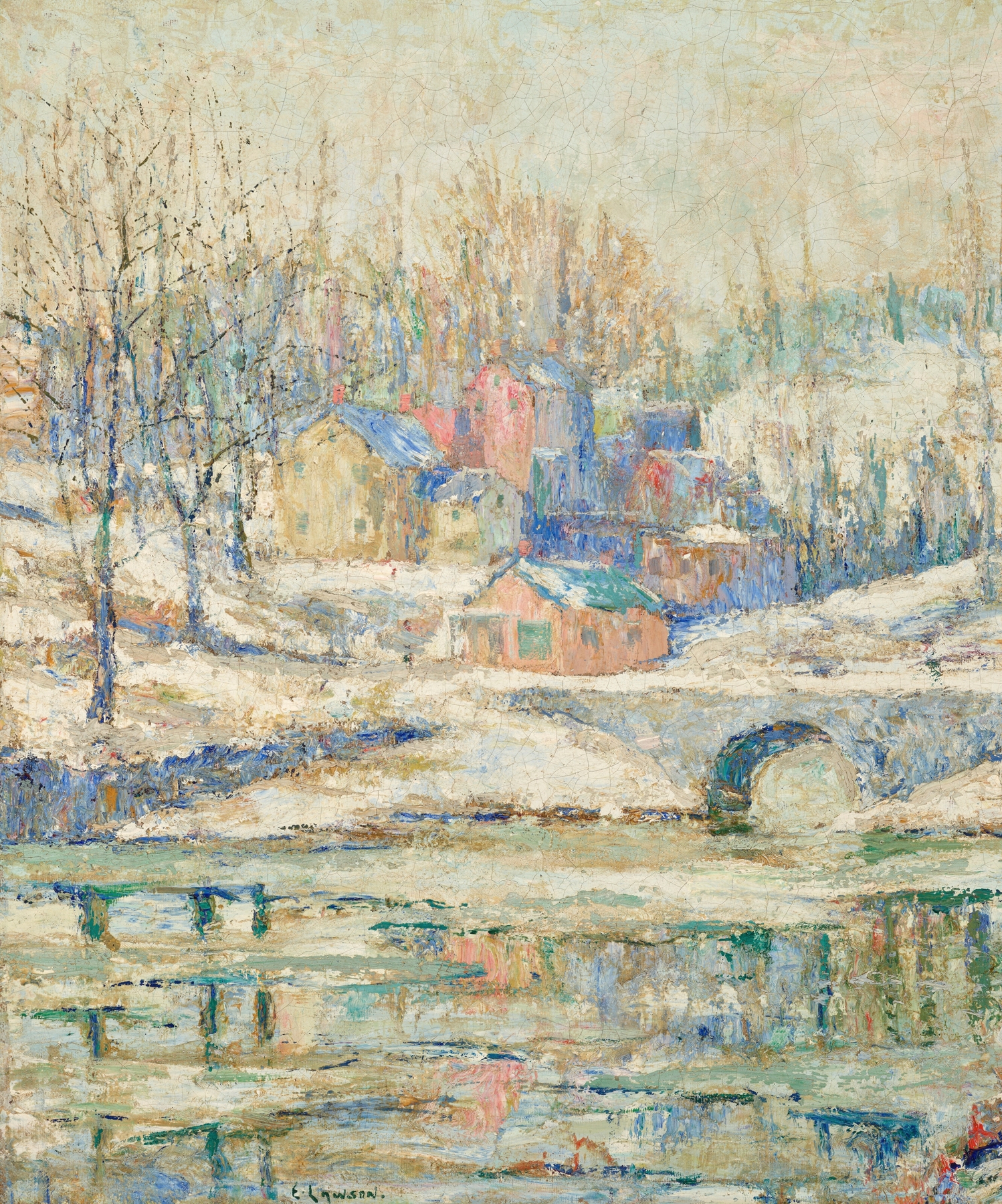
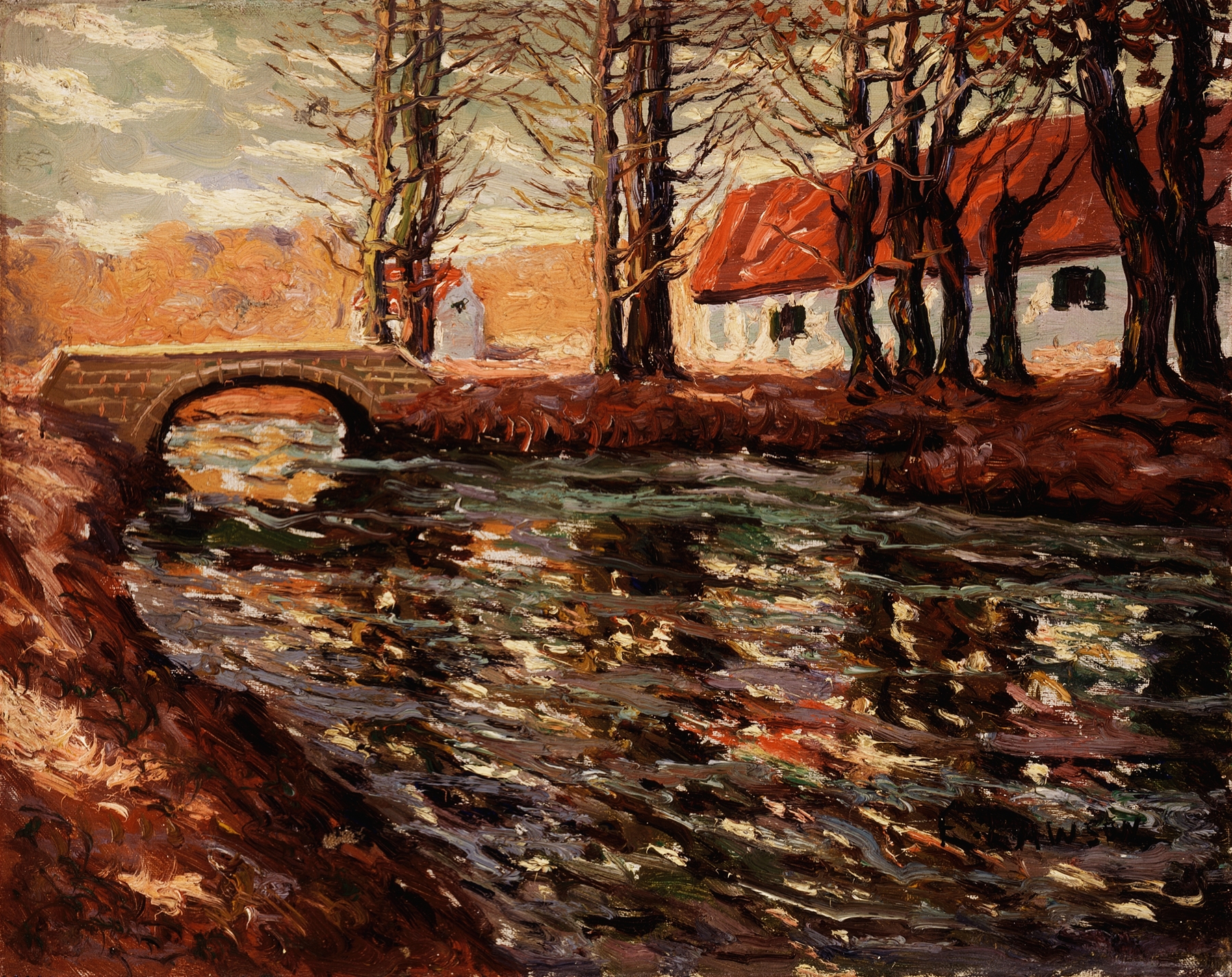
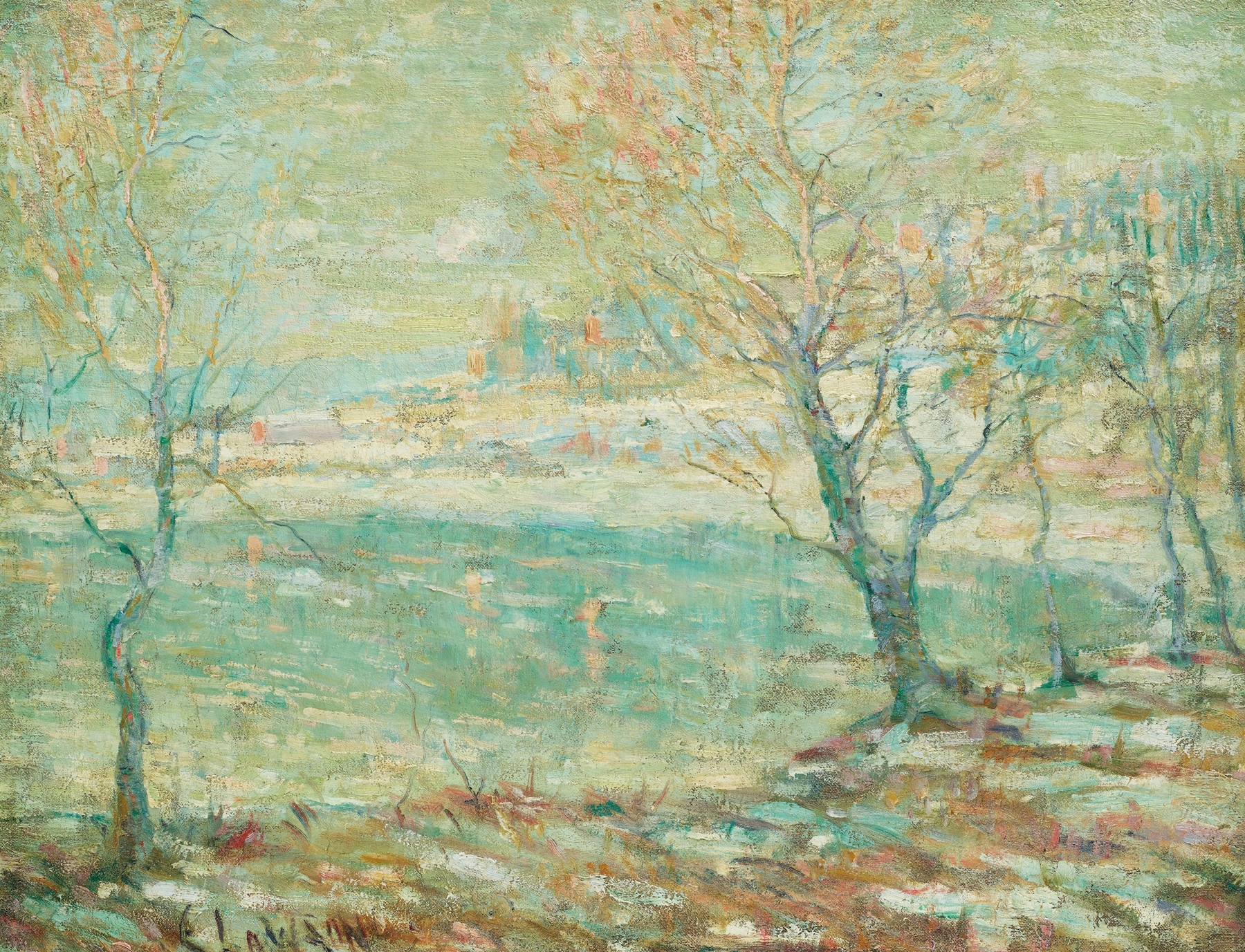
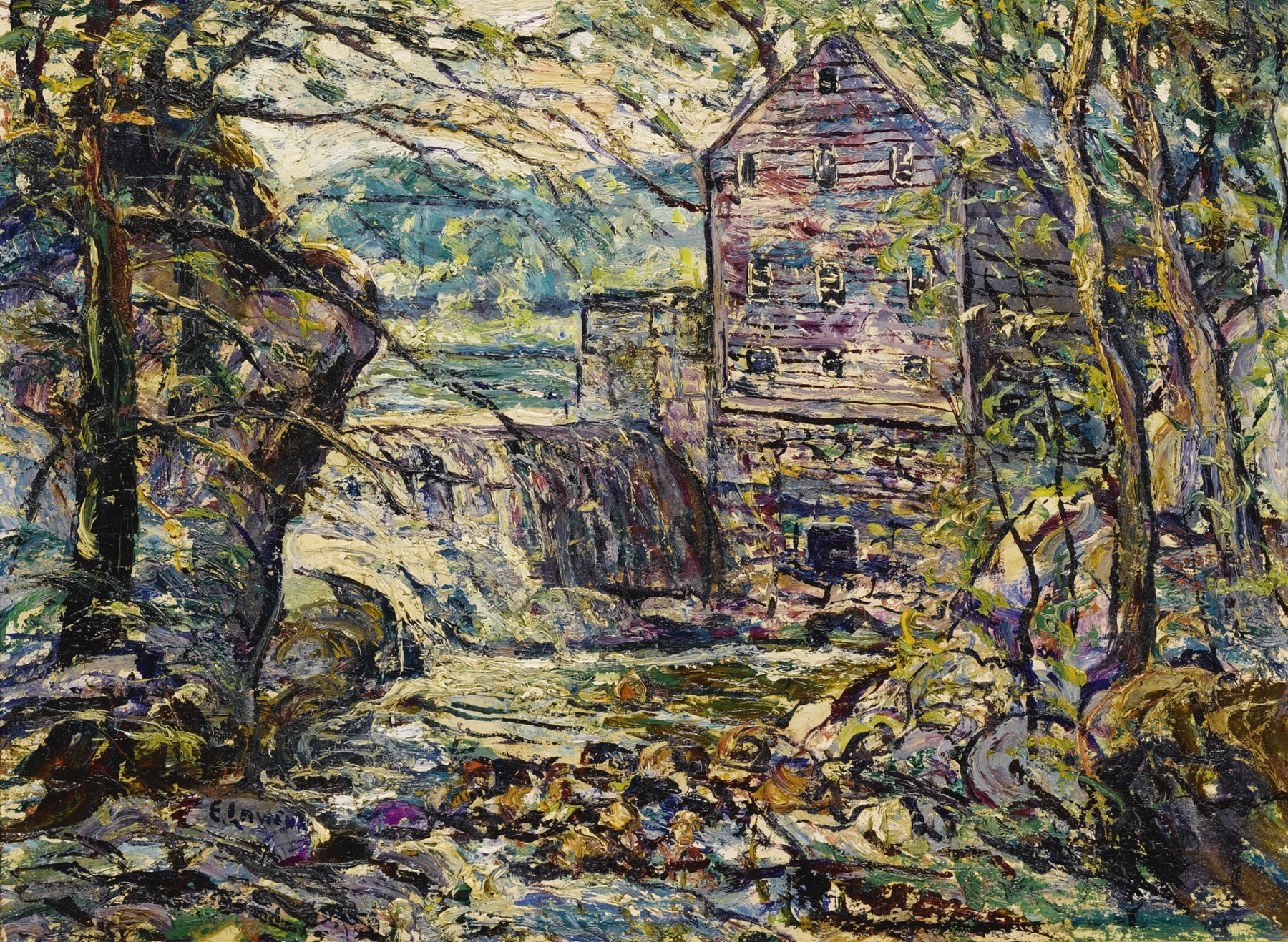
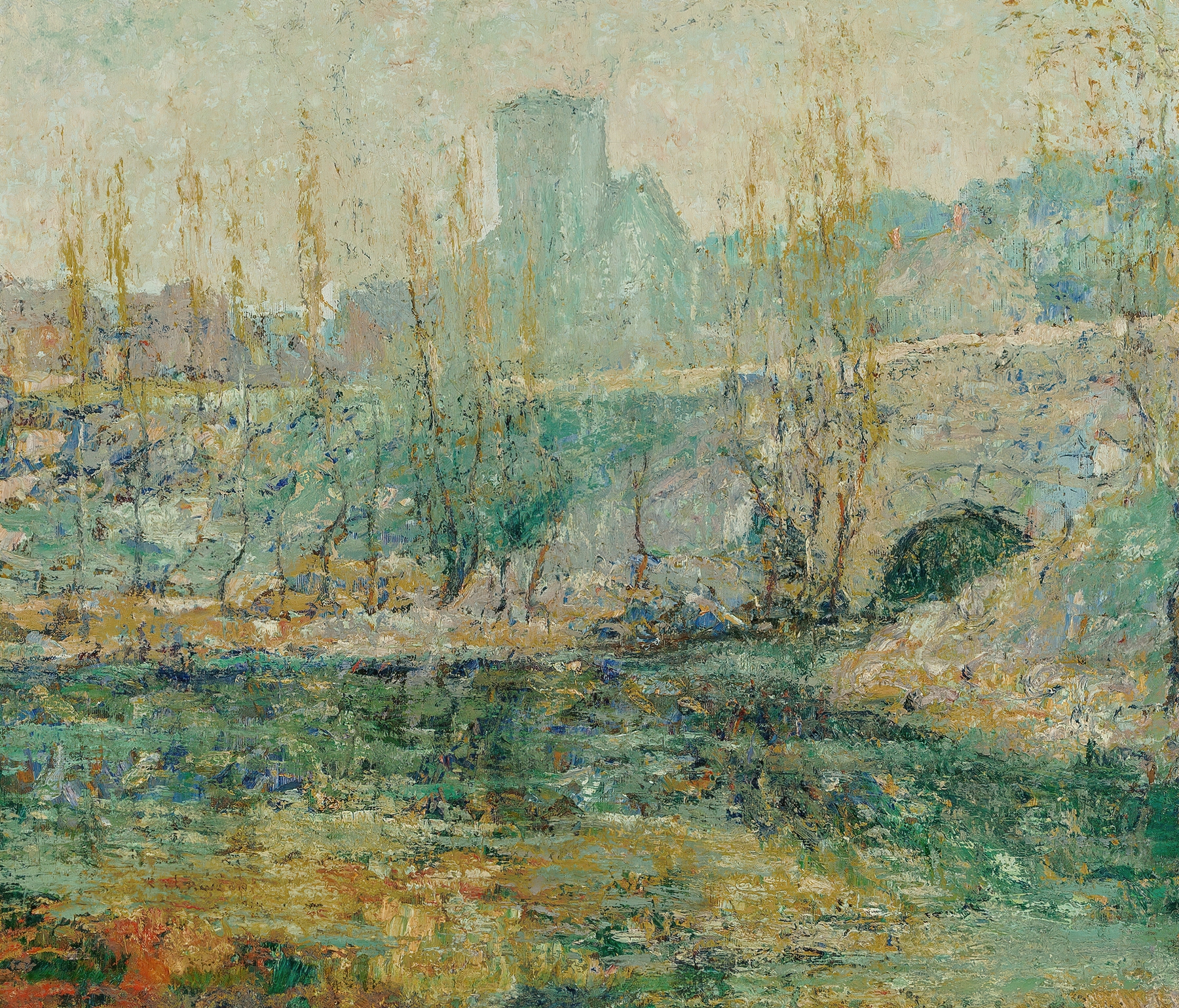
“Sometimes beauty is just pain, disguised in gold.” In By the River, a delicate balance of movement and stillness reveals the profound emotions hidden within beauty's embrace. The brushstrokes vibrate with life, inviting the viewer to dive deeper into the essence of the scene. Look to the lower portion of the canvas where the river flows gracefully, shimmering softly with golden reflections. The gentle curves and ripples guide the viewer's gaze, while the verdant trees on the banks evoke a sense of tranquility. Notice how Lawson uses a harmonious palette of greens, blues, and warm earth tones to create a peaceful yet dynamic atmosphere.
The teeming brushwork suggests the constant movement of water, as if the river breathes, pulsing with life. Yet, beneath this serene exterior lies a tension between nature’s beauty and its transience. The lush foliage, vibrant yet fleeting, mirrors the fleeting moments of joy in life, echoing an unspoken yearning. This juxtaposition invites contemplation about the inevitability of change, with the river representing both a passage of time and an escape into solace.
Small details—a solitary figure in the distance or a glimmer of sunlight piercing through the leaves—add layers of meaning, hinting at the interconnectedness of human experience with the natural world. Ernest Lawson completed this work in 1906, during a period marked by the rise of American Impressionism. Living in New York City, he was influenced by the changing landscapes of American life and the burgeoning interest in capturing natural beauty through spontaneous brushwork and vibrant colors. Amidst a time of artistic evolution, Lawson sought to express both the ephemeral nature of beauty and the emotional currents that underlie our perception of the world.