Church of the Virgin Mary — History & Analysis
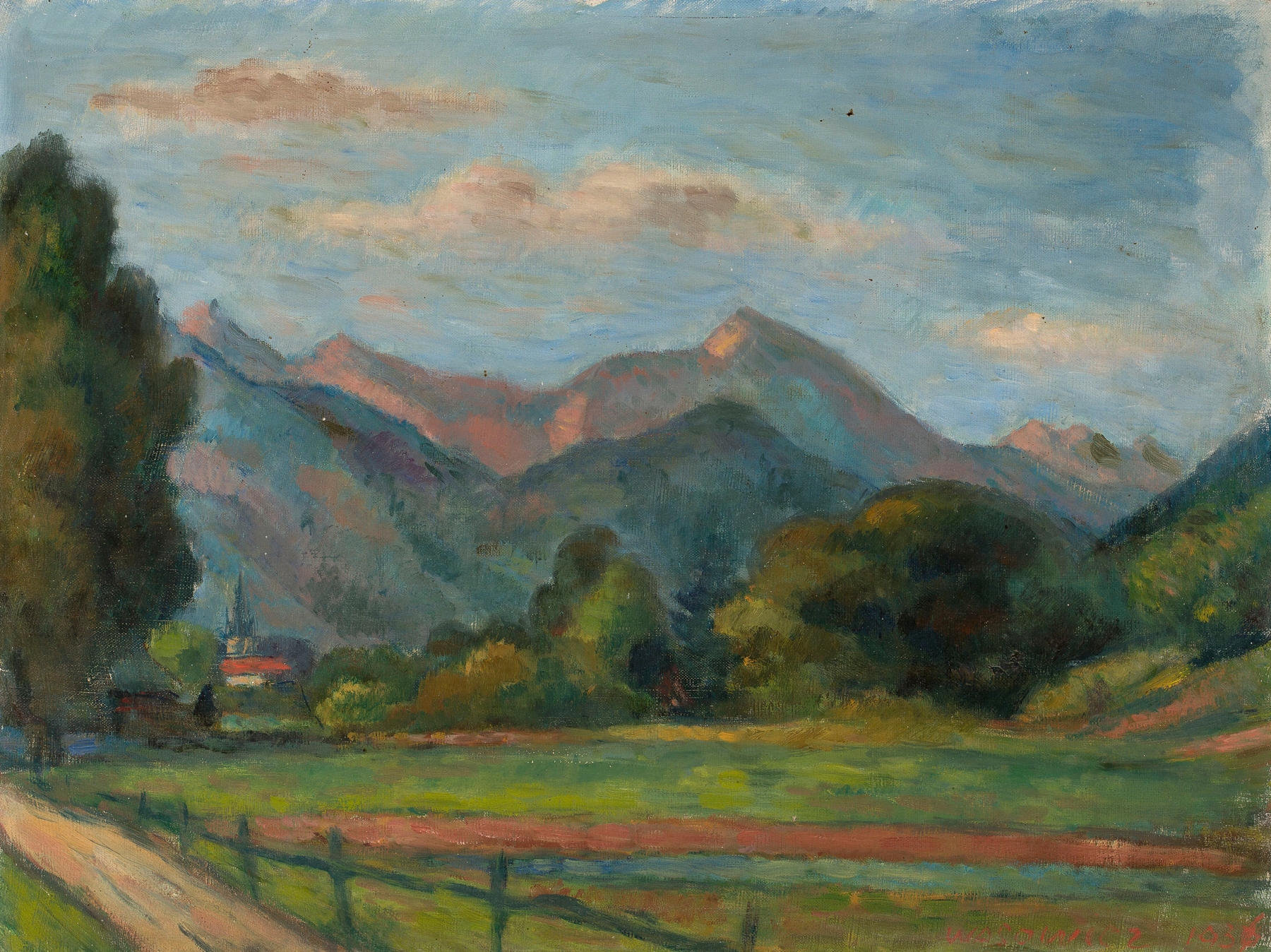
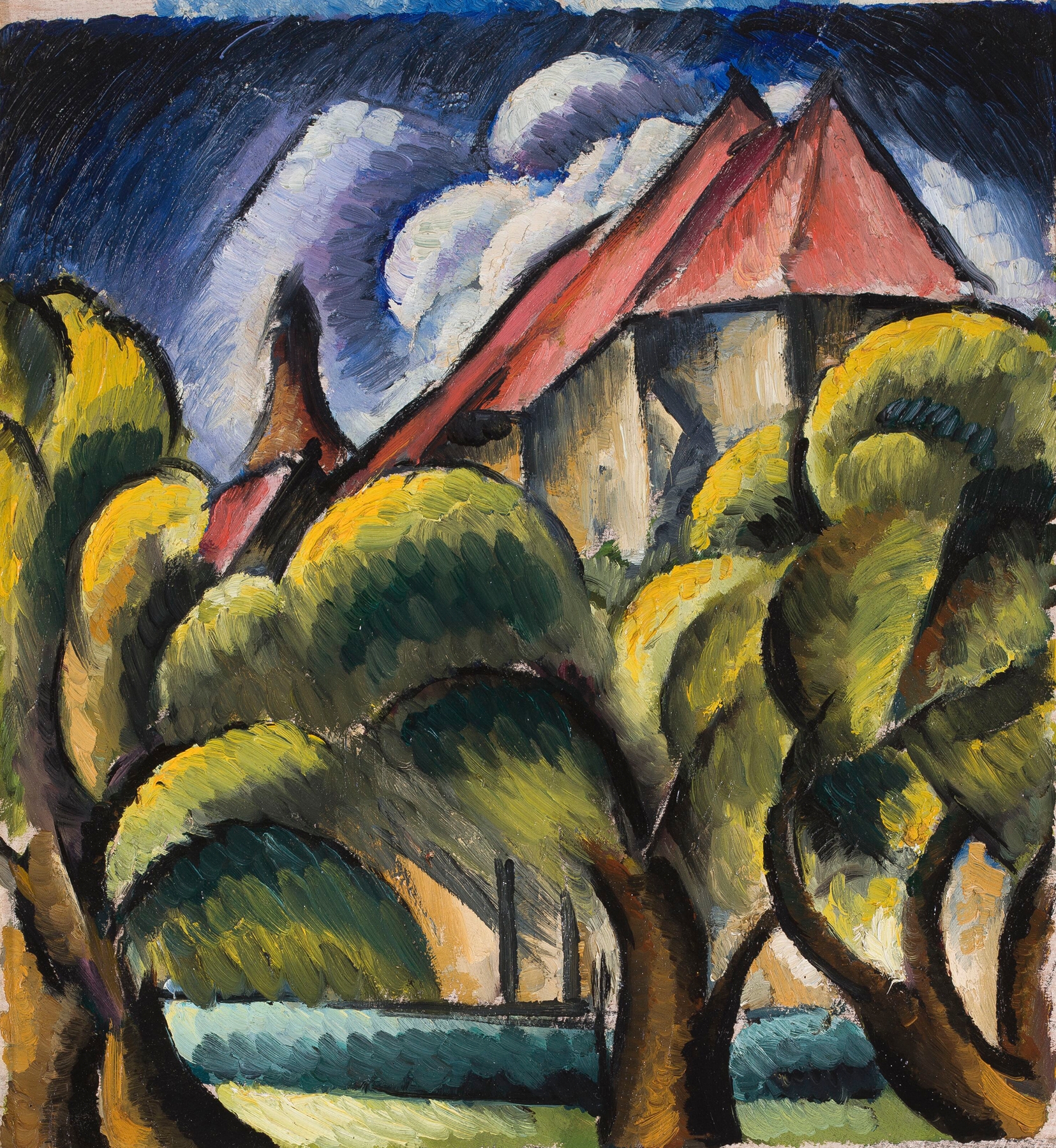
What if silence could speak through light? In Wacław Wąsowicz's Church of the Virgin Mary, the interplay between illumination and architectural grandeur invites a profound revelation, urging us to contemplate the whispers of spirituality that linger in sacred spaces. Look to the left at the soaring spires, reaching upwards in a silent plea for connection with the divine. Notice how the soft light bathes the façade, revealing intricate details in the stonework that seem to breathe life into the structure.
The muted color palette enhances the ethereal quality of the scene, while shadows dance gently across the entrance, creating a contrast that emphasizes both the solidity of the building and the delicacy of the moment. Delve deeper into the composition, where the juxtaposition of light and shadow evokes a sense of tranquility, even as underlying tensions emerge. The figure standing at the threshold embodies a conflict — caught between the worldly and the heavenly, she seems to absorb the sacred energy emanating from the church. This duality reflects the broader human experience: the struggle to find faith amidst uncertainty, a theme that resonates through the ages.
Painted between 1925 and 1927, this work emerged during a period of considerable change for Wąsowicz. Living in a post-war landscape, he sought to reconcile modernity with tradition through his art. The struggle between light and dark in Church of the Virgin Mary mirrors the artist’s own journey as he navigated the evolving world of Polish art, seeking solace and understanding in the architecture of faith.