Kąpiąca się — History & Analysis
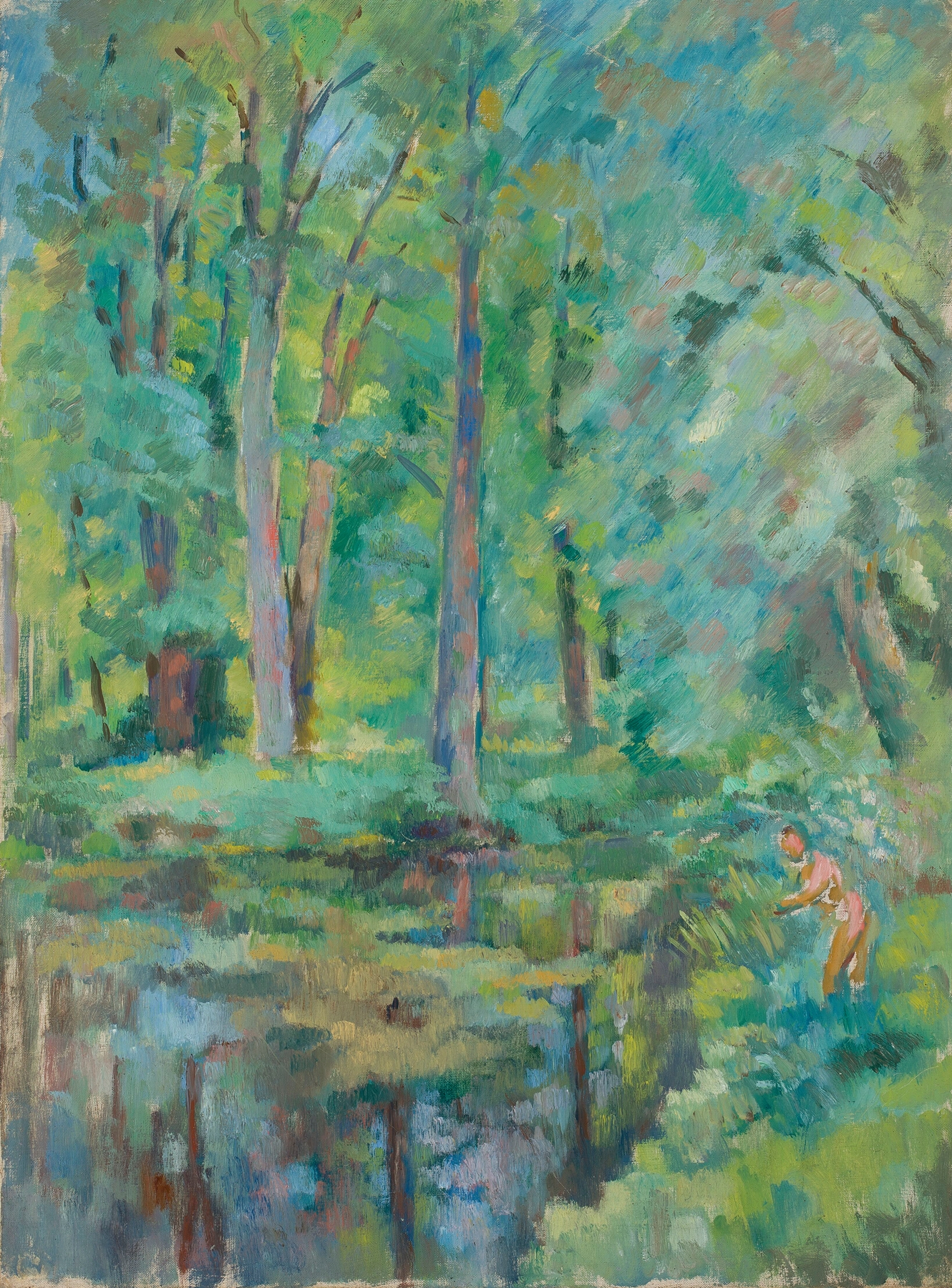
When did color learn to lie? In a world where hues often scream for attention, this piece whispers a serene truth, inviting contemplation in the midst of chaos. Look to the center of the canvas where a figure, relaxed yet poised, emerges from soft washes of muted pastels. The light dances upon her skin, a gentle caress that highlights the curve of her arm and the delicate arch of her back. Notice how the water reflects shades of turquoise and lavender, merging seamlessly with the figure, creating a harmonious dialogue between the human form and nature.
The composition feels intimate, almost like a secret glimpse into a moment of tranquility. Yet beneath this calm surface lies a tension between vulnerability and strength. The way the figure’s body bends gracefully suggests surrender to the water’s embrace, while her expression embodies a quiet resolve. The surrounding landscape, painted with loose, flowing strokes, envelops her, suggesting both connection and solitude.
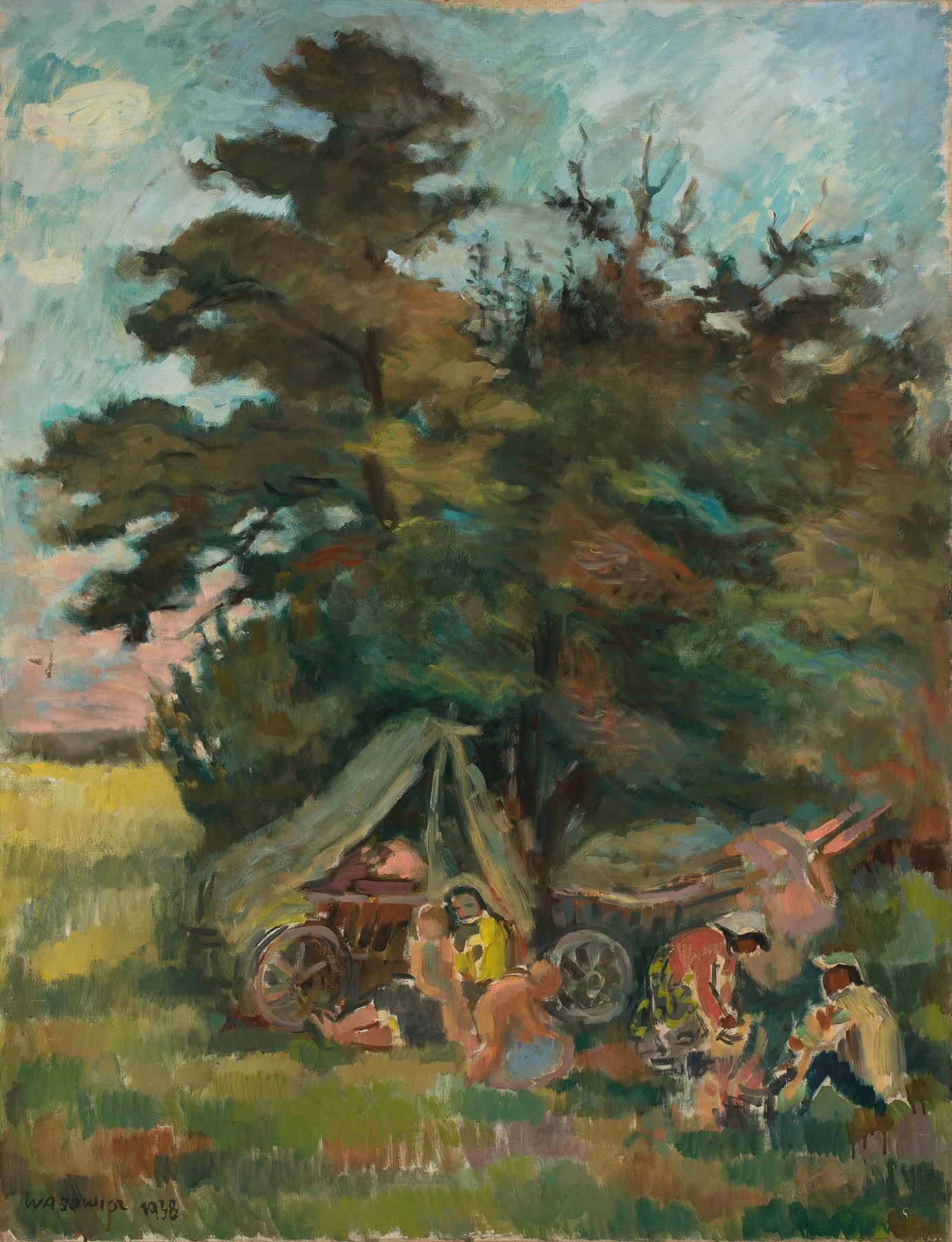
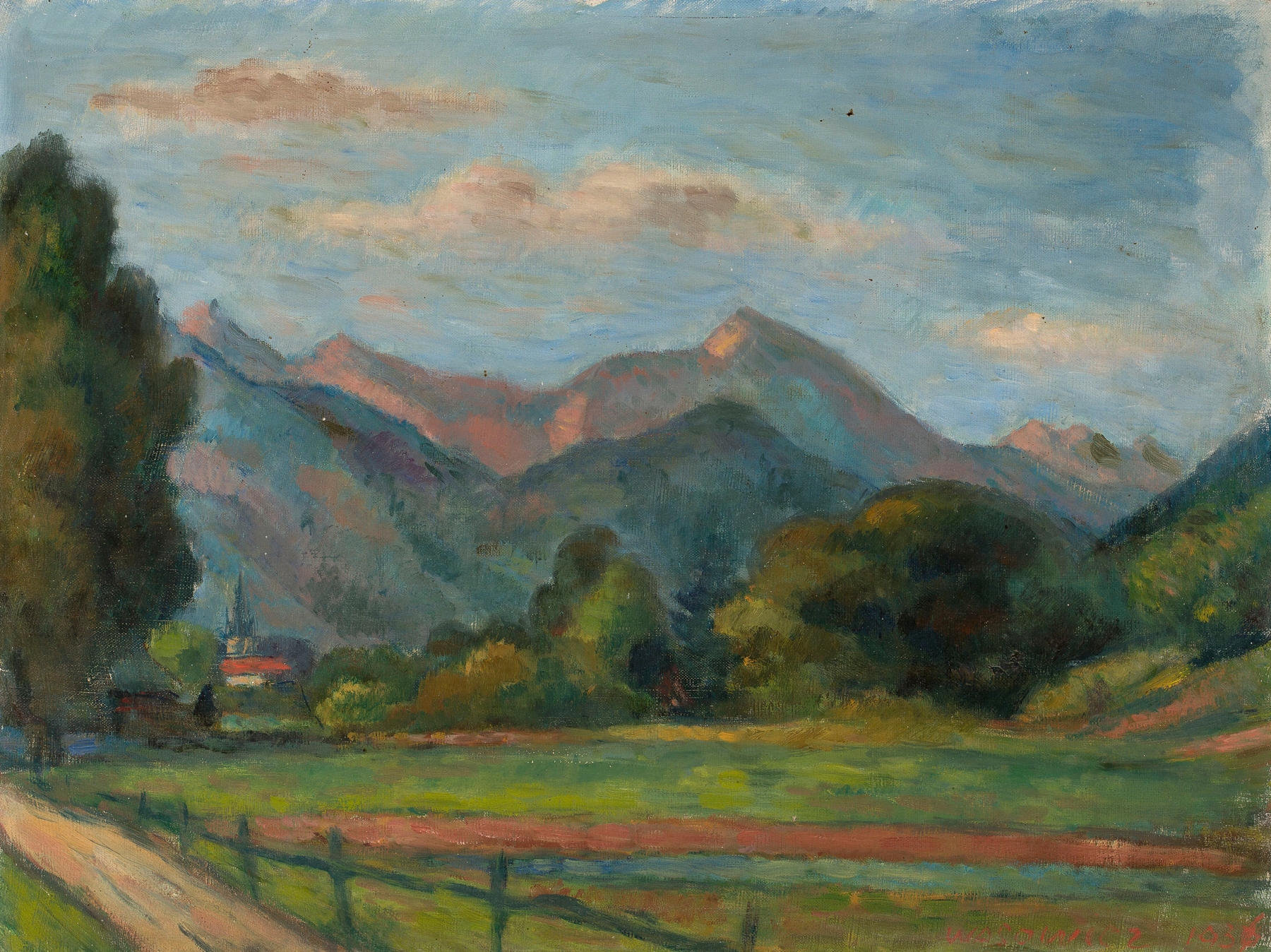
This duality creates an emotional richness, inviting viewers to ponder the relationship between self and environment, safety and exposure. In 1938, Wacław Wąsowicz painted this evocative work during a time of personal upheaval, grappling with the socio-political tensions of pre-war Europe. He sought to explore themes of identity and existence against a backdrop of uncertainty. His artistic journey during this period reflected a desire to capture the ephemeral beauty of life, ensuring that moments of serenity, like the one depicted, could transcend turmoil.