Park w Jarłoni — History & Analysis
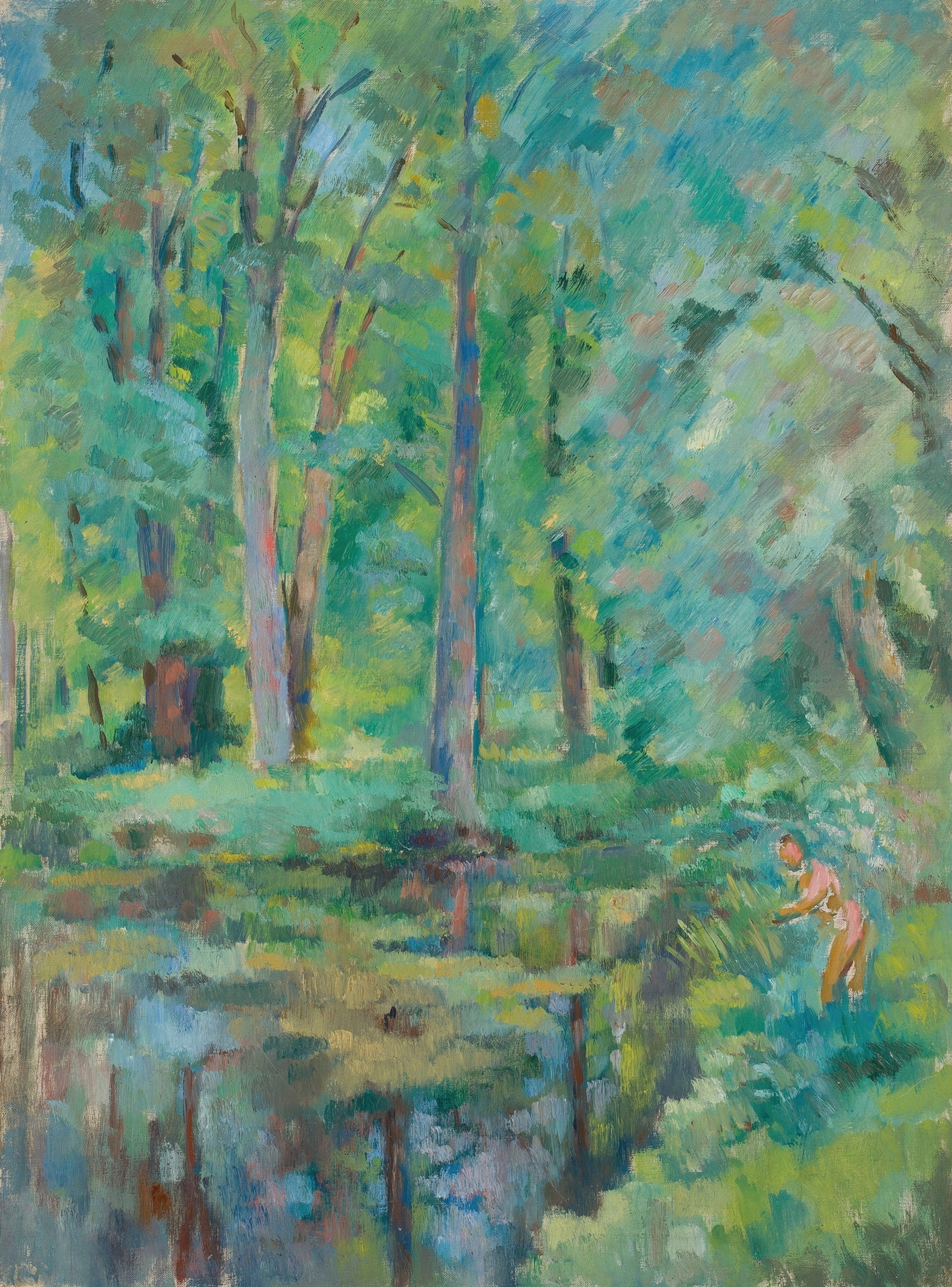
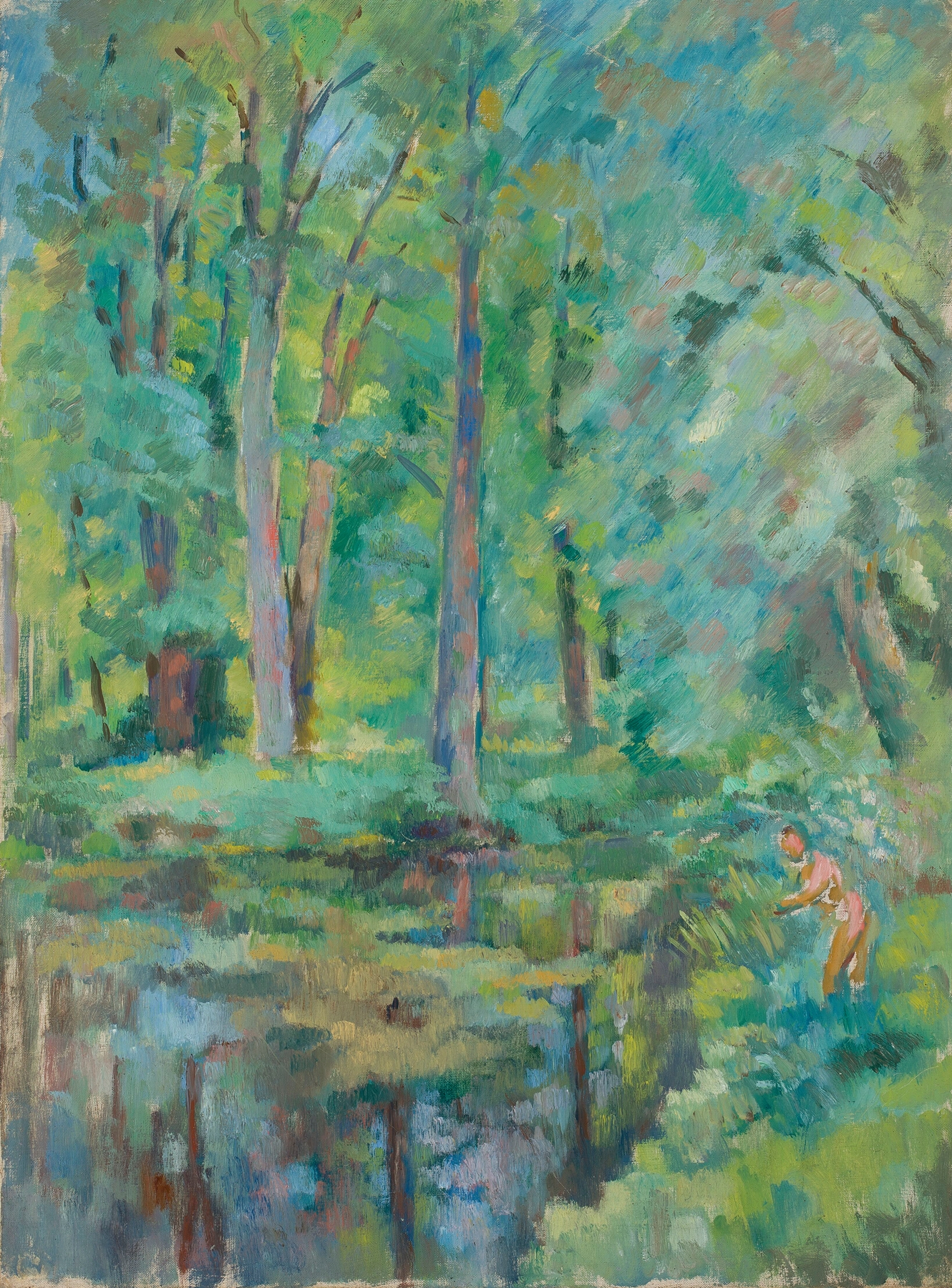
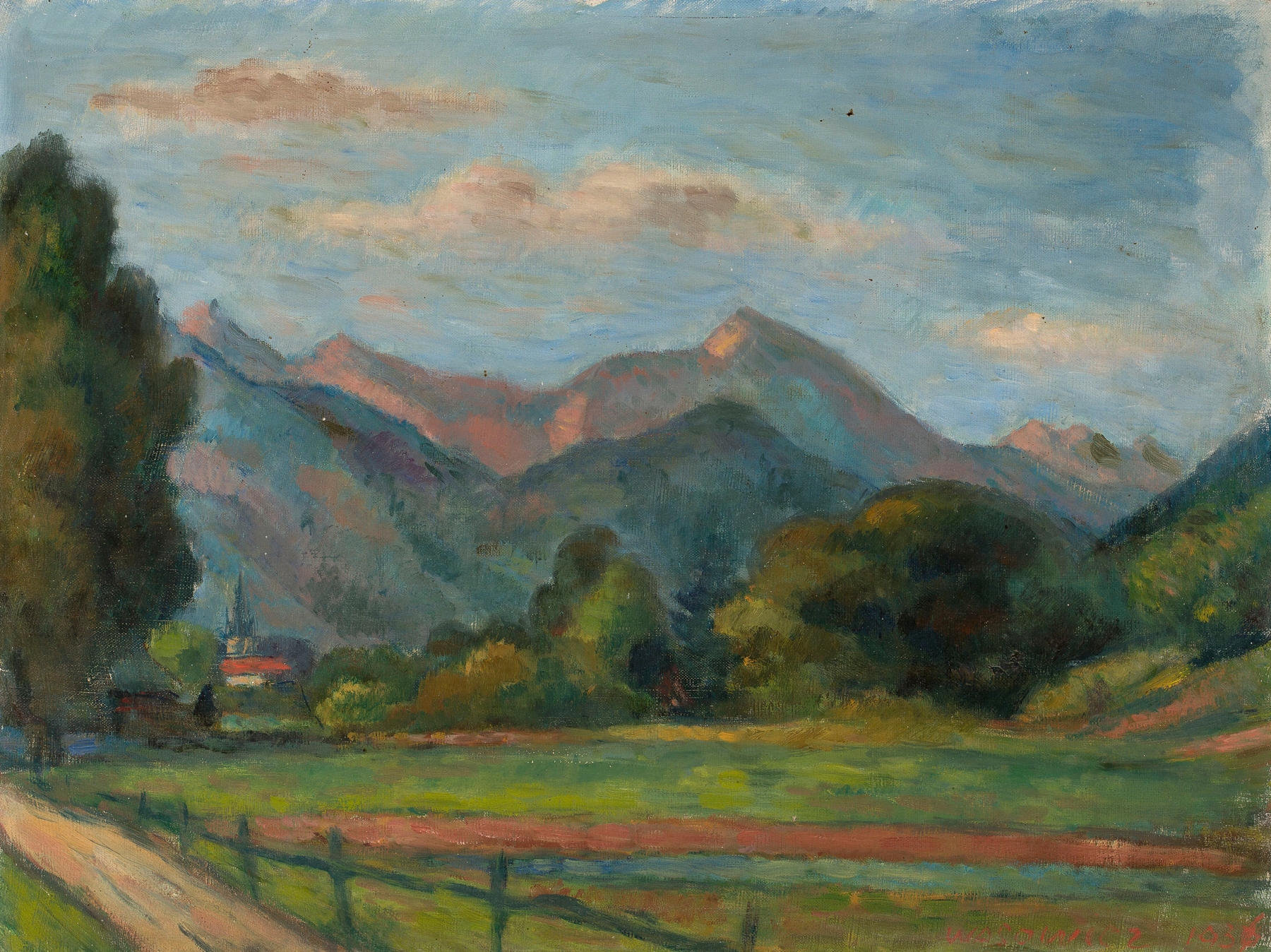
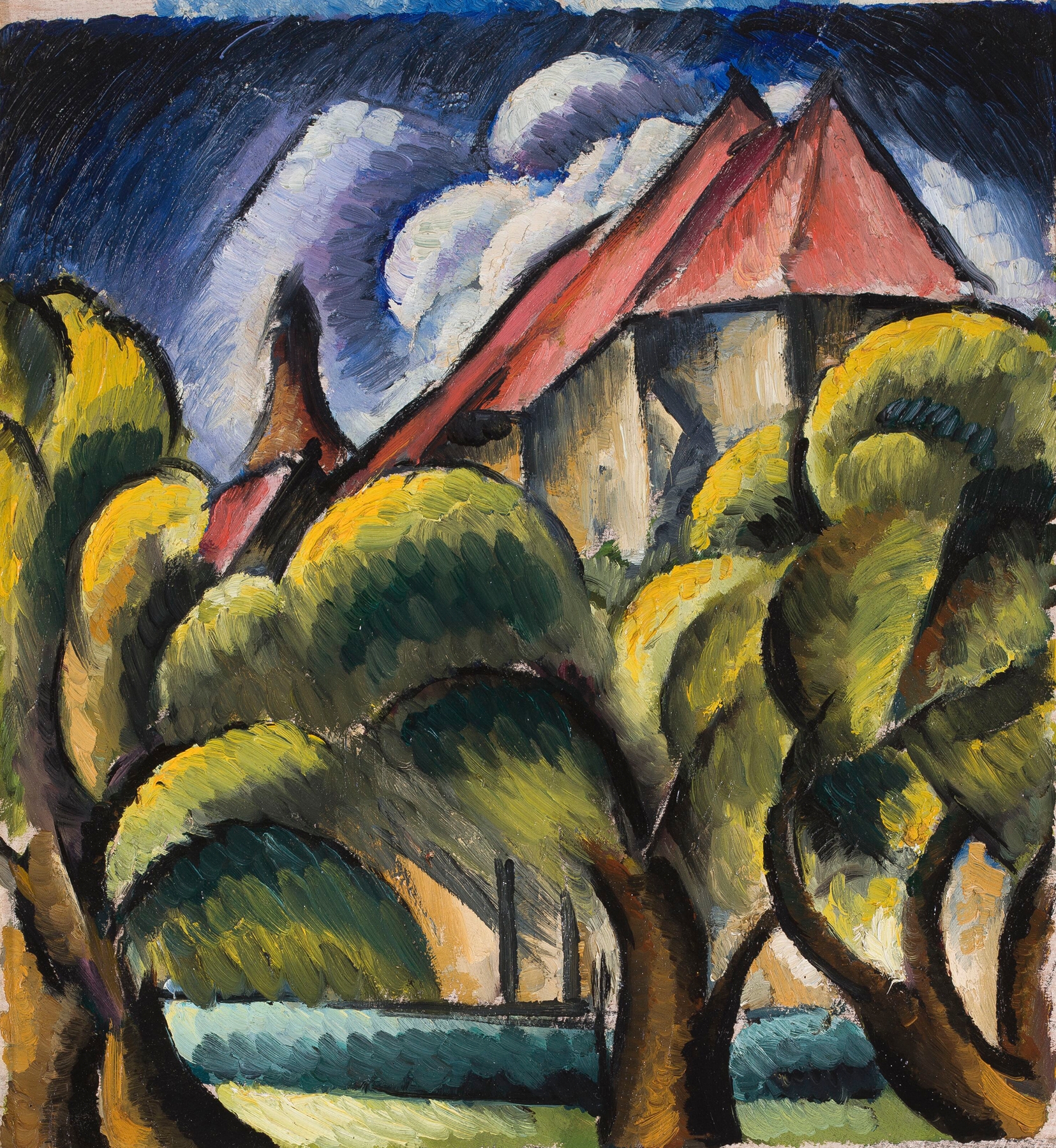
Where does light end, and longing begin? In this haunting piece, the interplay of shadow and illumination speaks volumes about the human experience of yearning. Look to the left at the delicate strokes that portray the rustling leaves, their vibrant greens almost luminous against the subdued tones of the path winding through the park. The artist employs an ethereal quality of light filtering through the branches, creating a sense of sanctuary yet also of isolation.
Notice how the composition draws your gaze down the path, inviting you to both explore and retreat, a blend of hope and nostalgia captured masterfully through a gentle yet poignant palette. As you delve deeper, there are contrasts that evoke profound emotions: the warmth of the sunlit areas juxtaposed with the cooler shadows that appear to hold secrets. The winding path symbolizes life’s journey, suggesting a longing for connection and belonging, while the solitary trees stand as silent witnesses to the narratives of those who have walked before. Each brushstroke echoes with the weight of memories, leaving viewers to ponder their own stories intertwined with this tranquil setting.
Wacław Wąsowicz, an artist who flourished in the early to mid-20th century, created Park w Jarłoni during a time of personal and artistic exploration. Rooted in post-war Poland, he engaged with themes of nature and solitude while experimenting with light and color, reflecting both the broader societal shifts and his own introspective quest. The tranquility of this work belies the tension of a world in transition, allowing for both escape and contemplation.