Tatra landscape — History & Analysis
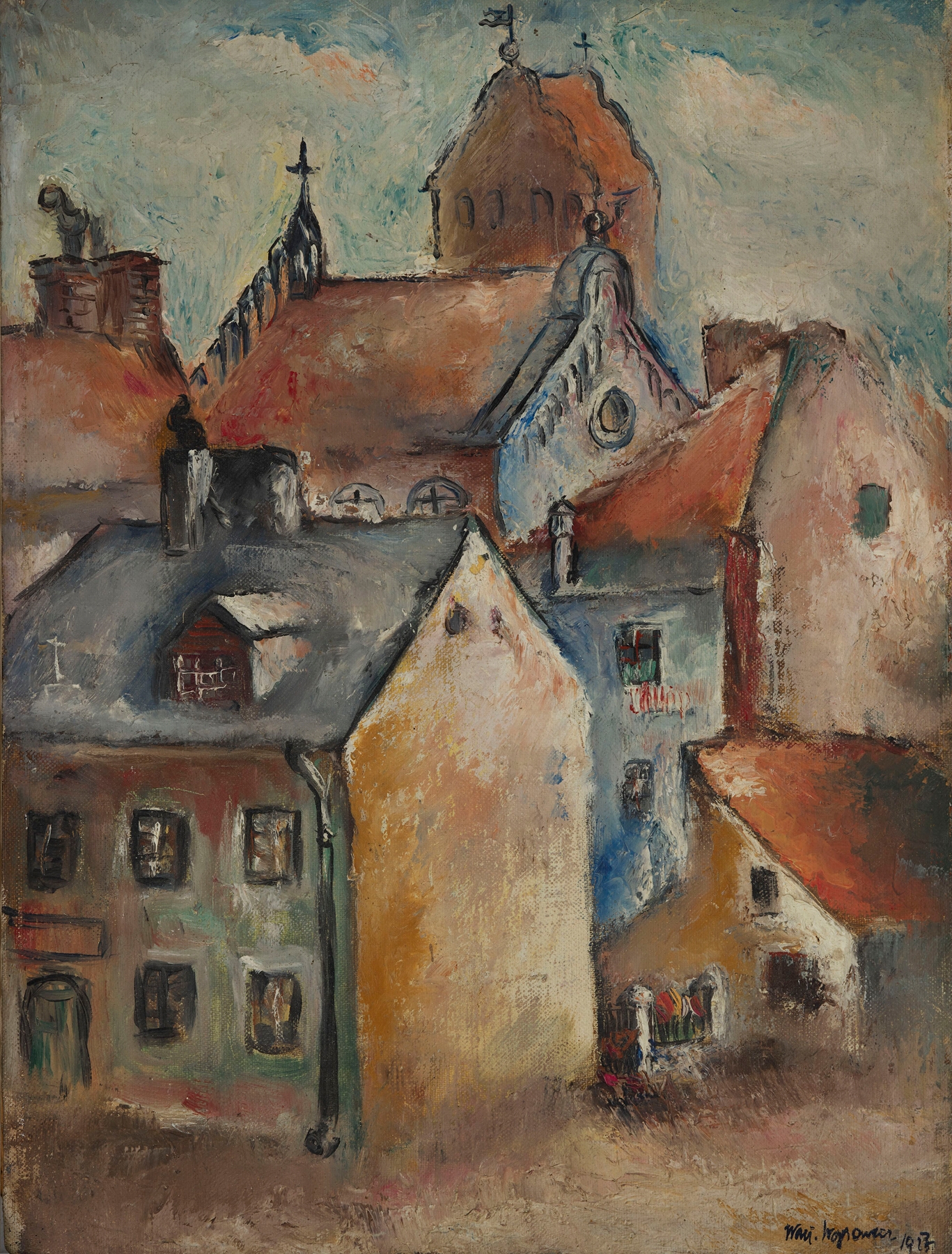
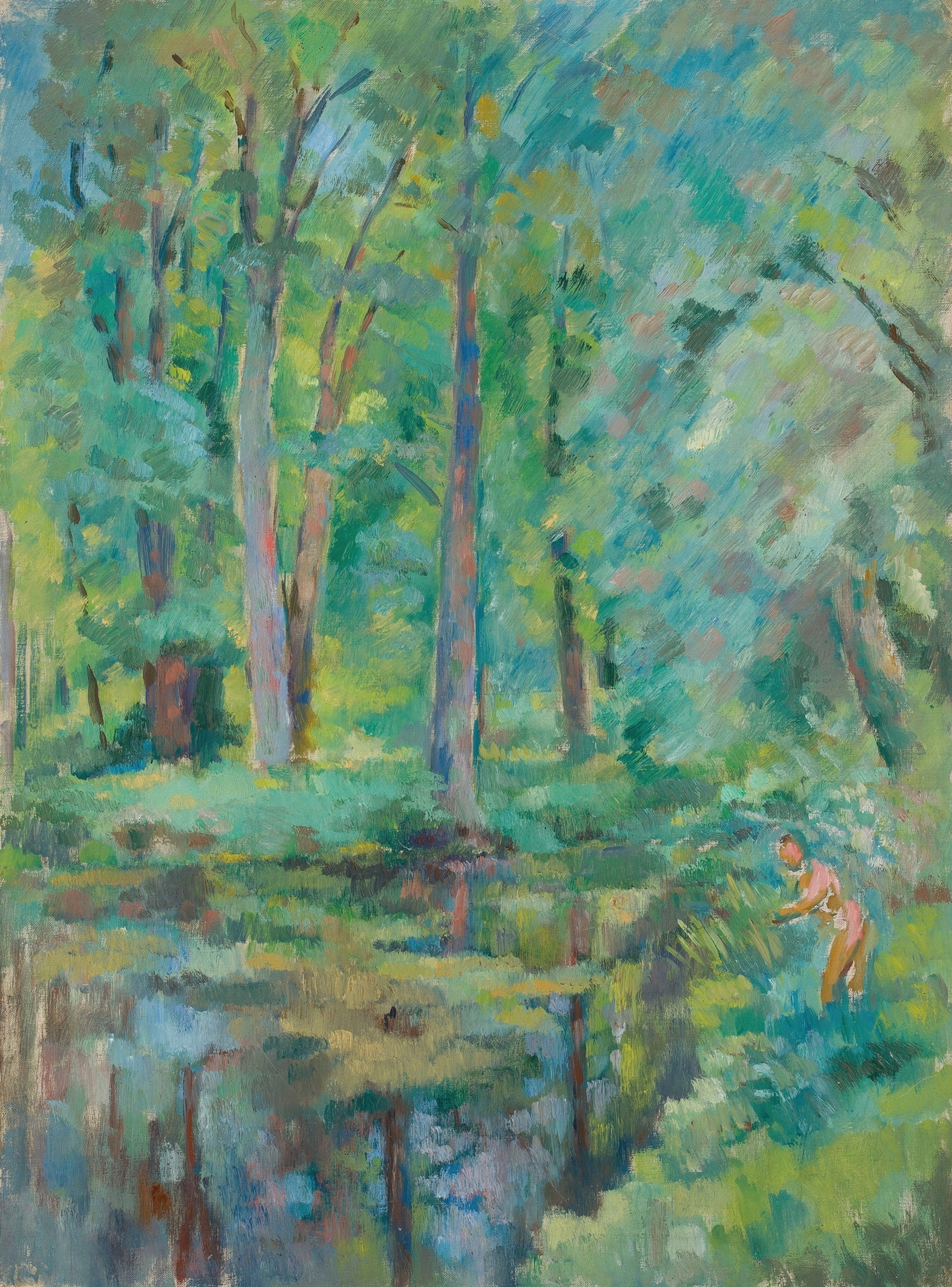
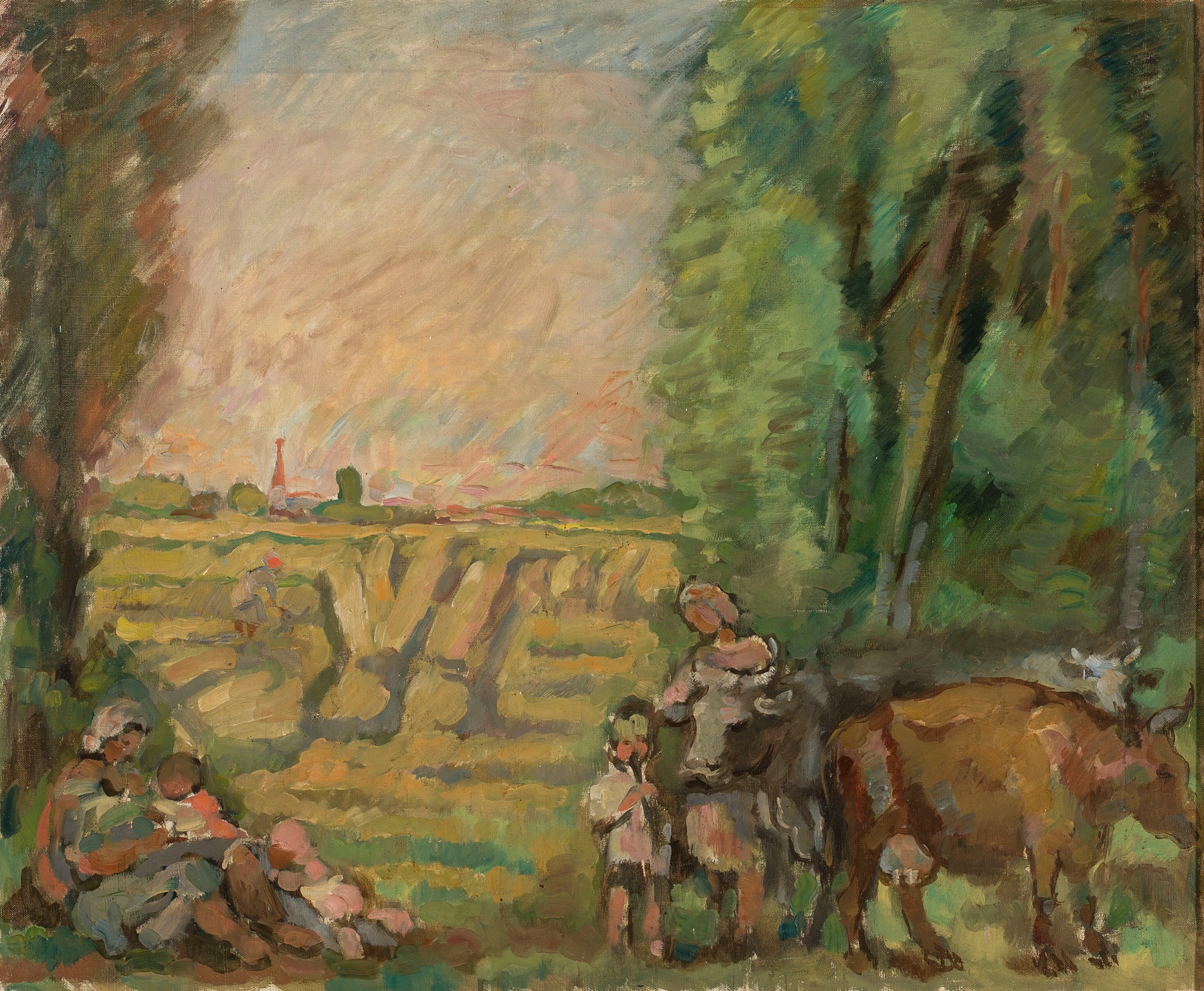
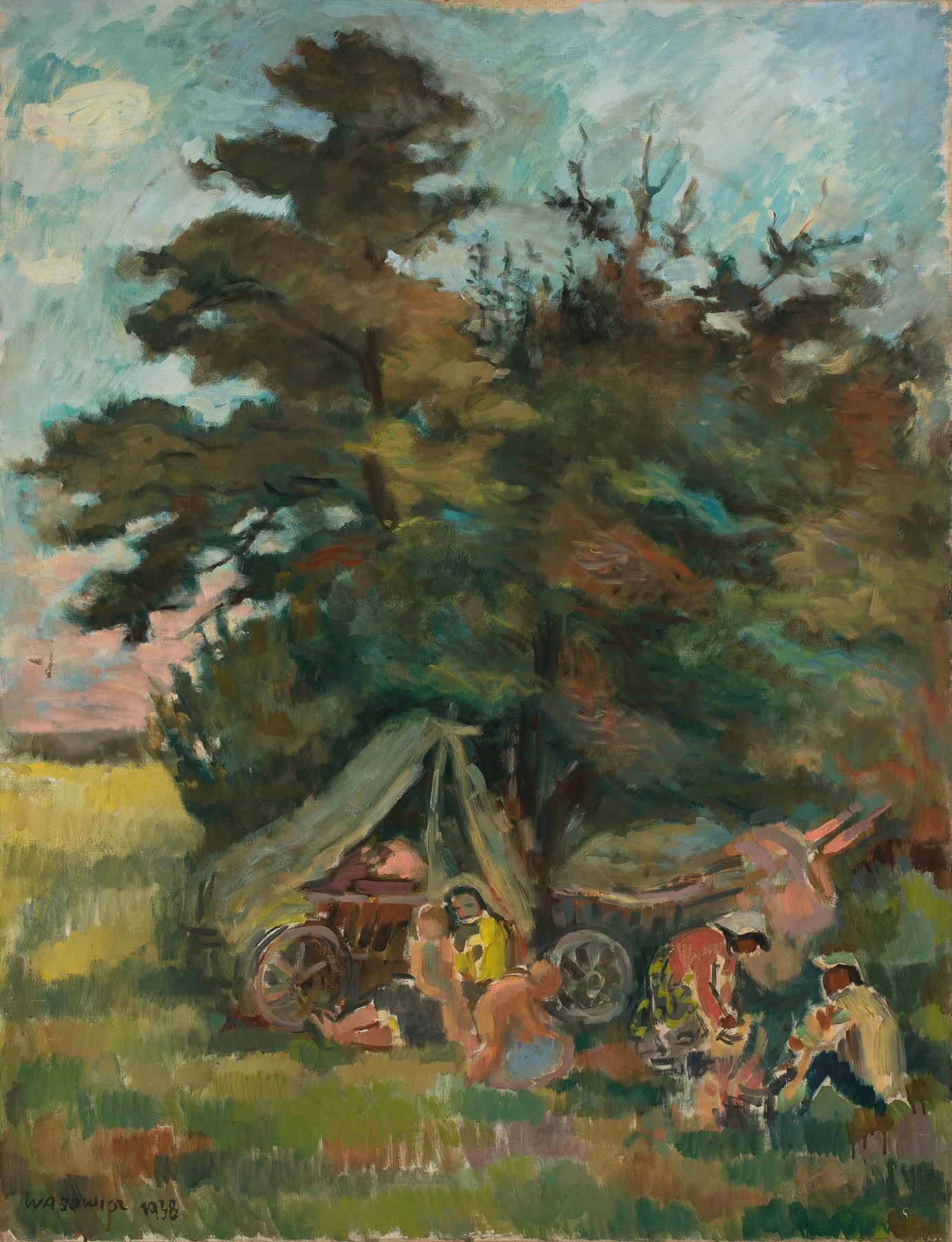
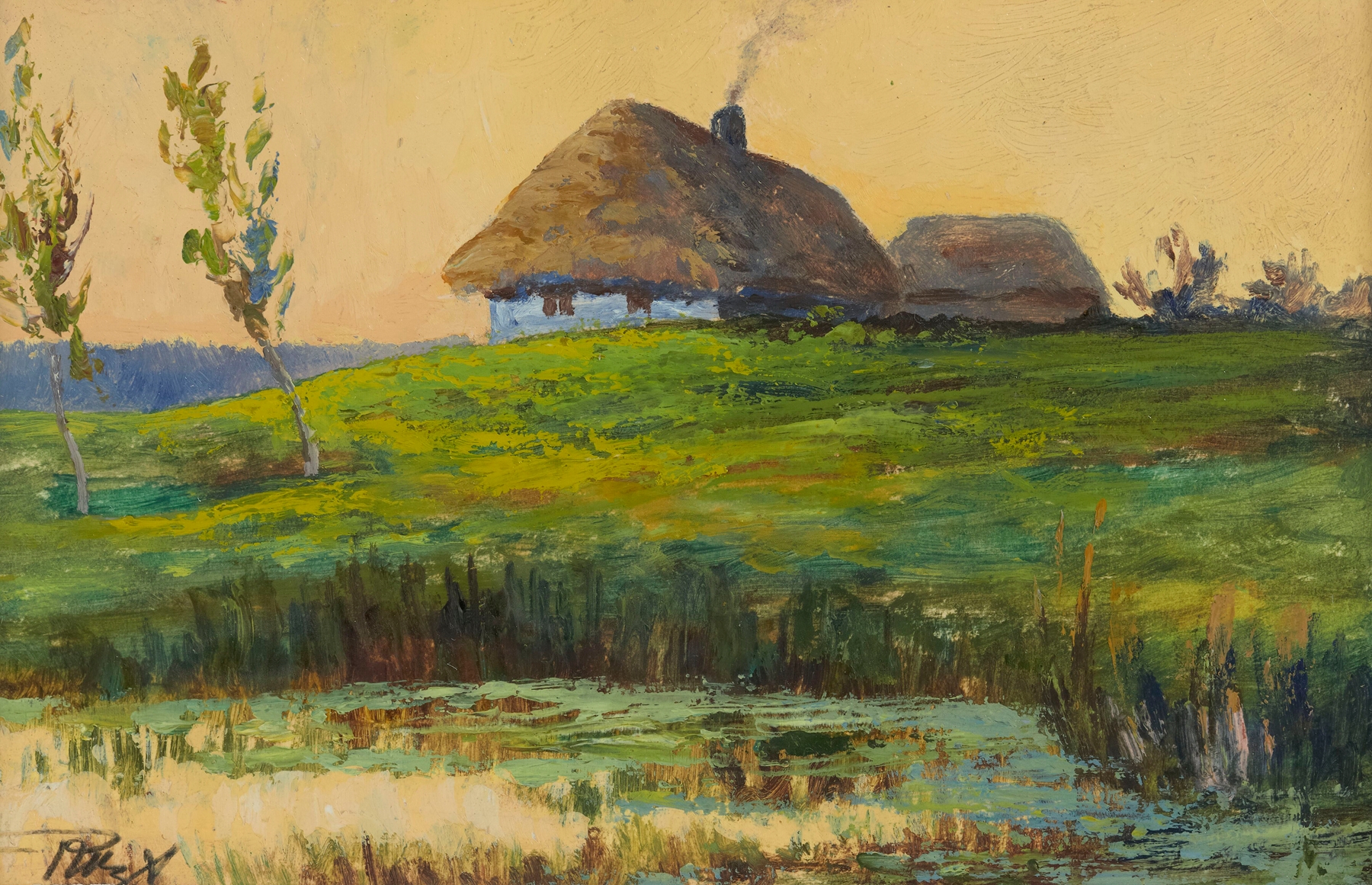
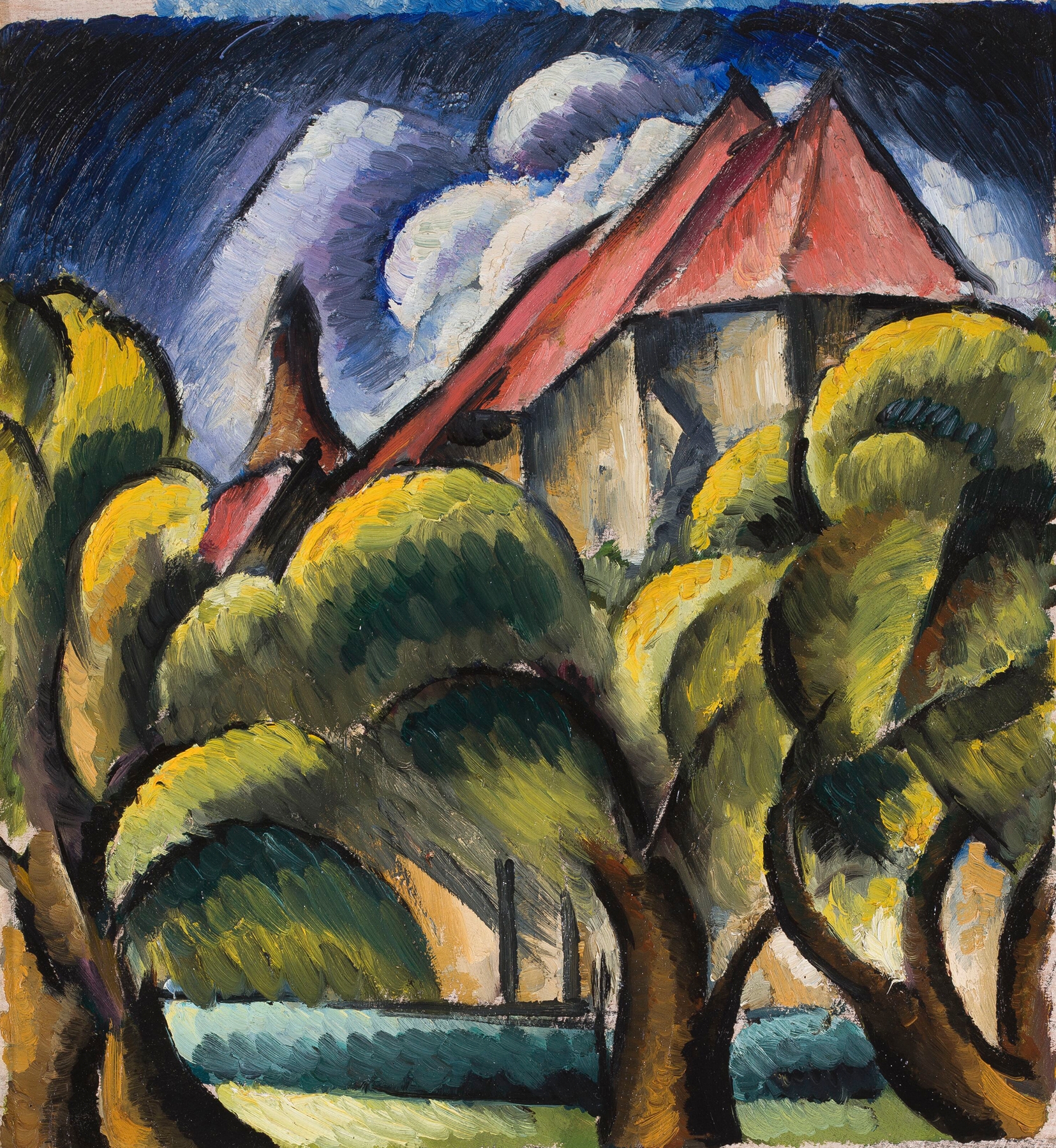
Where does light end, and longing begin? In the vast expanse of nature, the interplay of illumination can evoke the deepest of betrayals, where beauty disguises a lingering ache. Look to the right at the jagged peaks towering against the cobalt sky, their rugged forms etched with a delicate touch of snow. The artist captures the essence of the Tatra mountains with a masterful blend of subtle greens and earthy browns, allowing the light to dance across the canvas in a breathtaking display.
Each brushstroke reveals the texture of the landscape, inviting viewers to explore the intricate details of the foreground, where wildflowers whisper tales of resilience amidst a backdrop of stoic cliffs. As you delve deeper, notice the shadows lurking at the edges of the bright sunlit areas, representing the duality of nature — a realm both inviting and treacherous. This contrast between light and shadow evokes stark emotional tensions, suggesting a betrayal not just of the landscape but of the self. The vivid hues embody an inherent beauty, yet the overhanging clouds hint at an impending storm, a metaphor for the internal struggles that often accompany longing and loss.
In the late 1930s, Wacław Wąsowicz created this piece during a time of socio-political upheaval in Europe, with tensions rising before the outbreak of World War II. Living and working in Poland, he was deeply influenced by the surrounding landscapes and the emotional currents of the era, which shaped his artistic vision. This painting serves as a reflection of both the natural world and the tumult of human experience, capturing a poignant moment in his evolving artistic journey.