Landscape with huts on a hill — History & Analysis
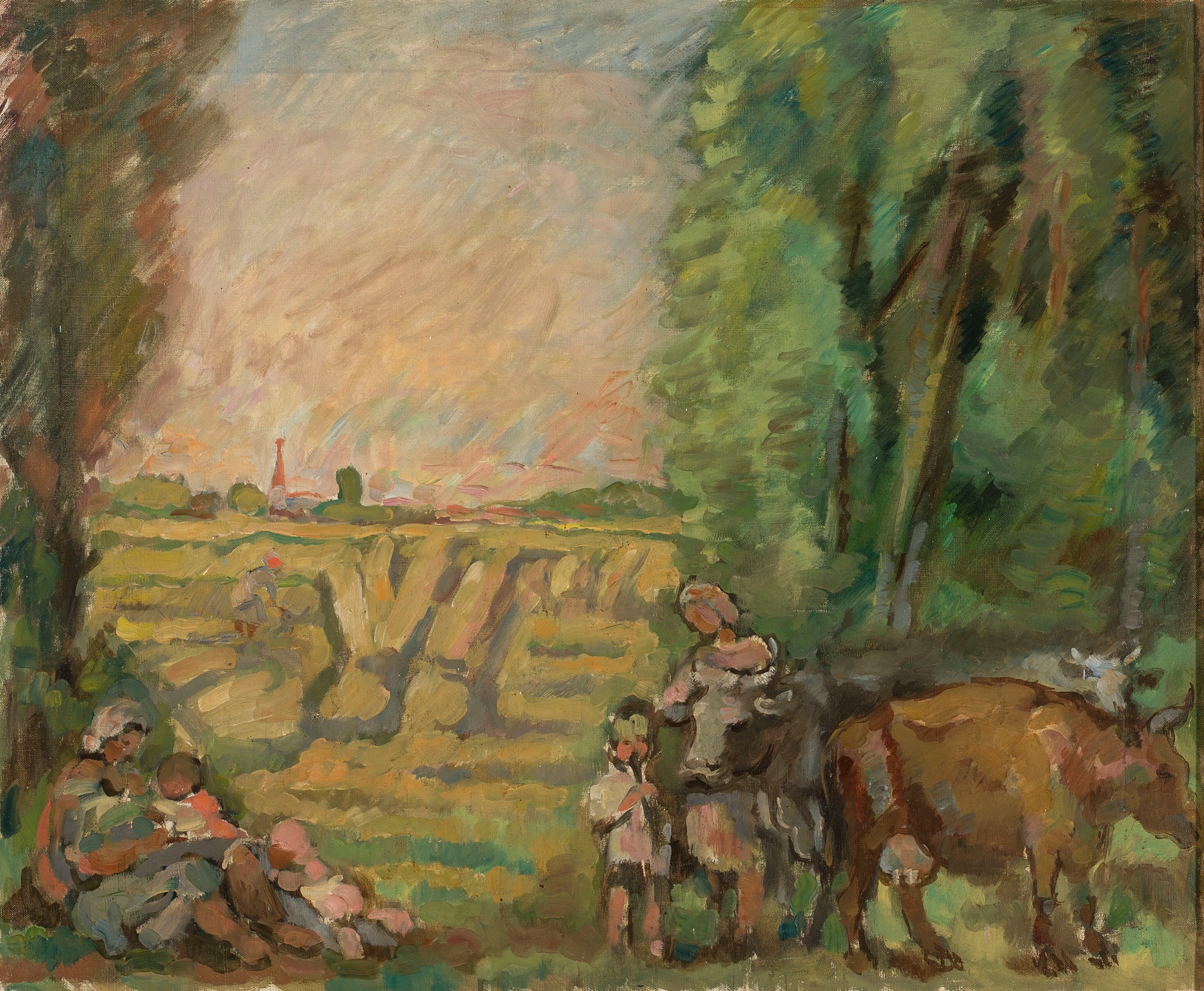
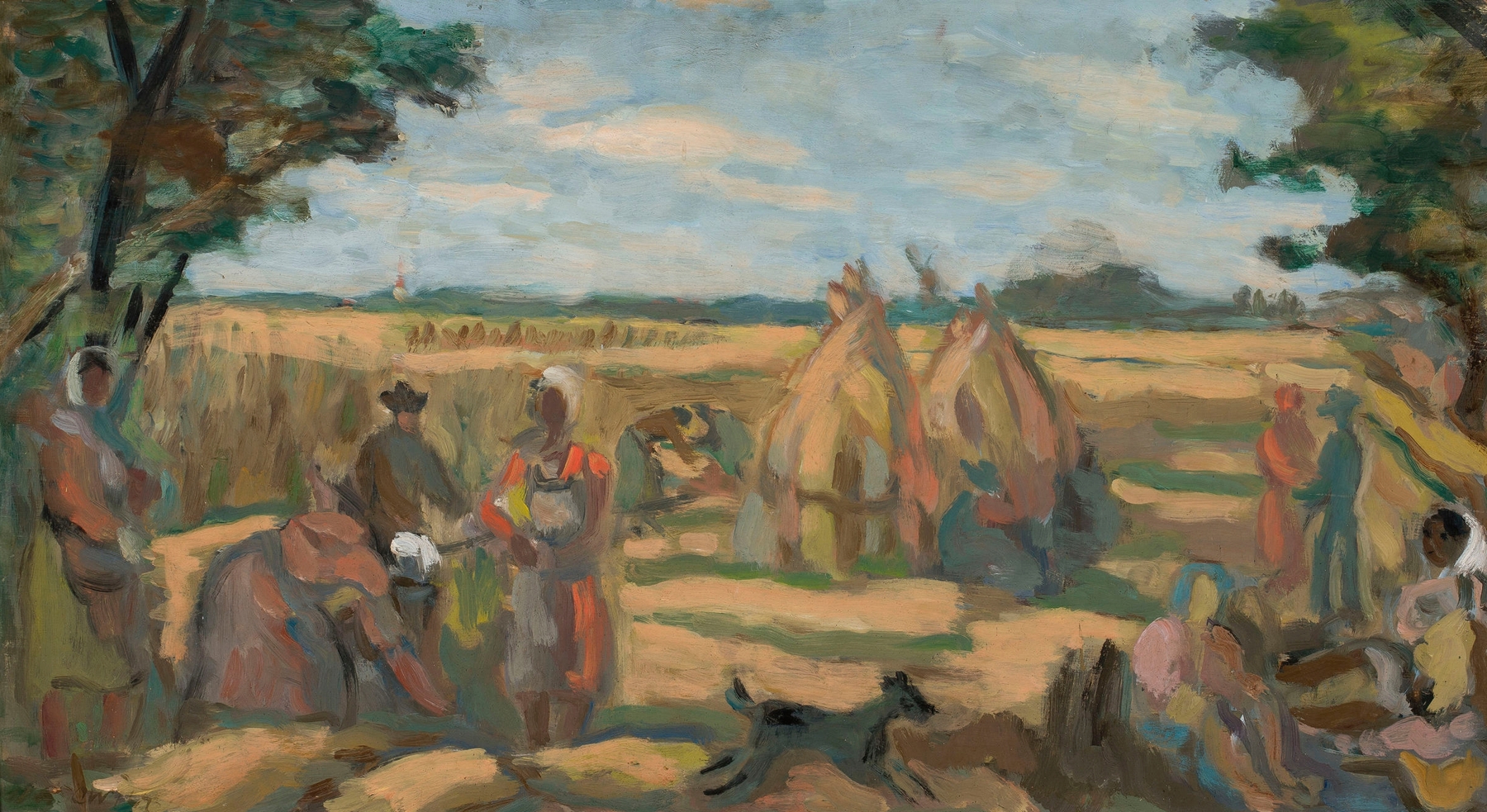
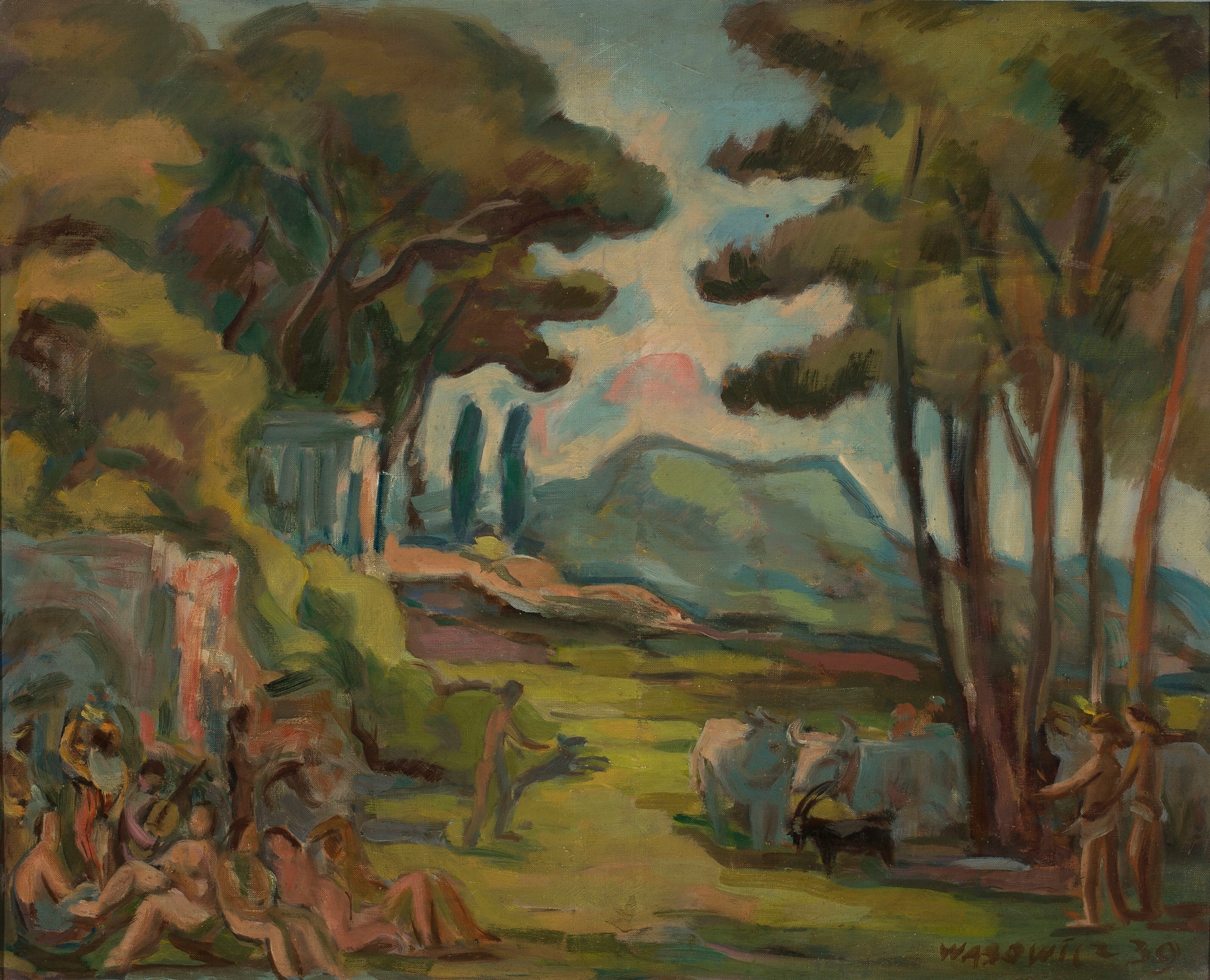
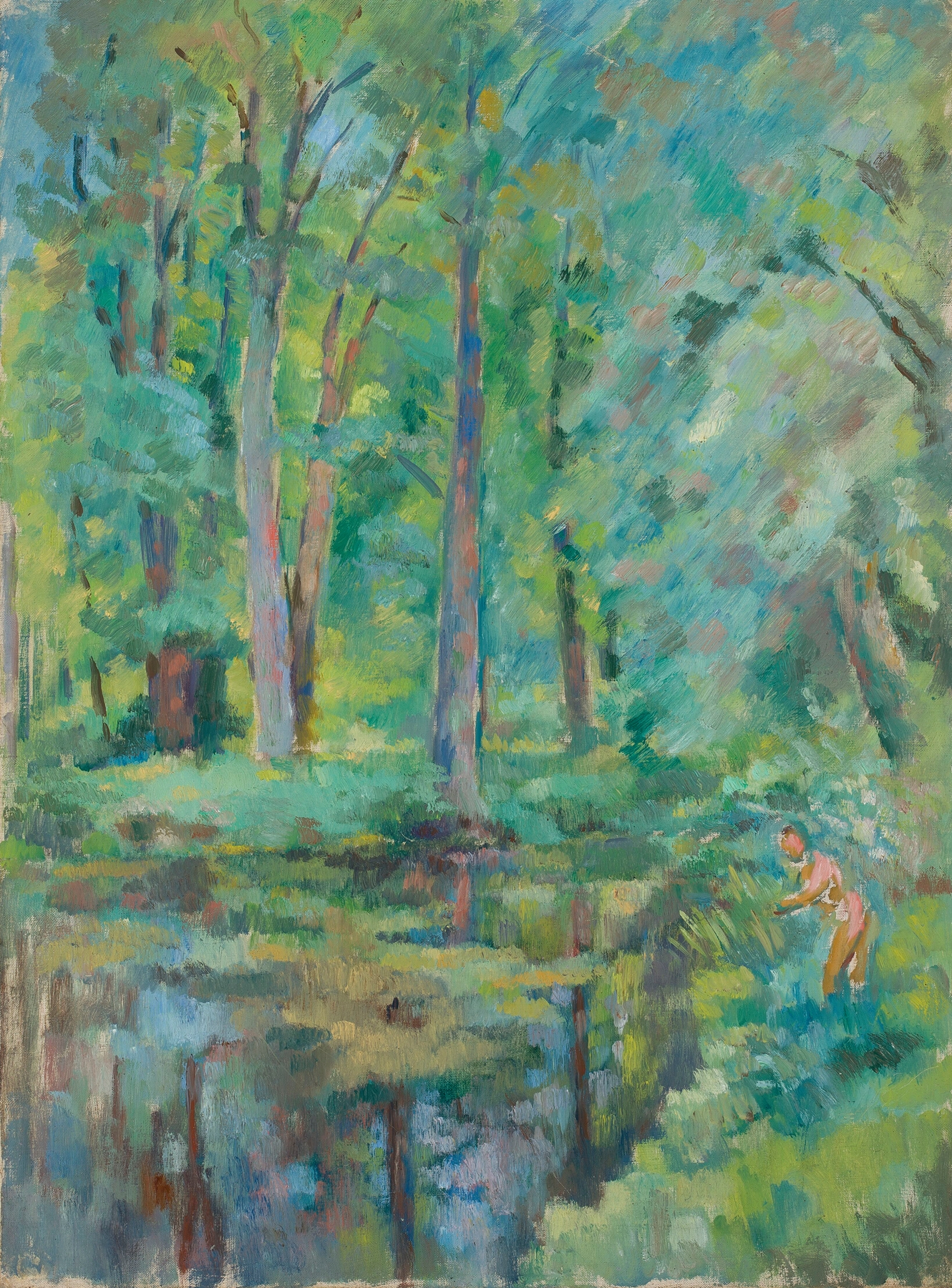
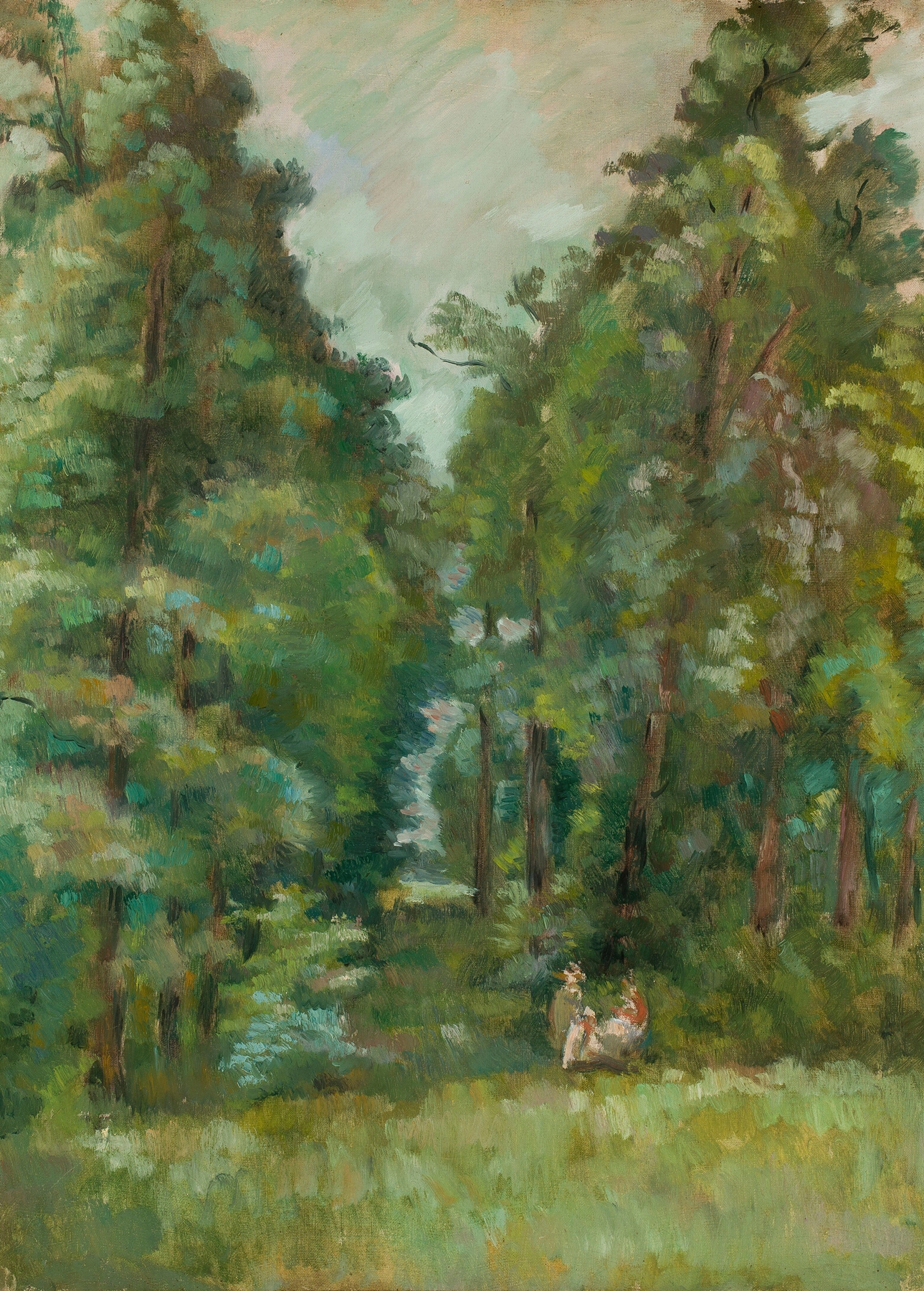
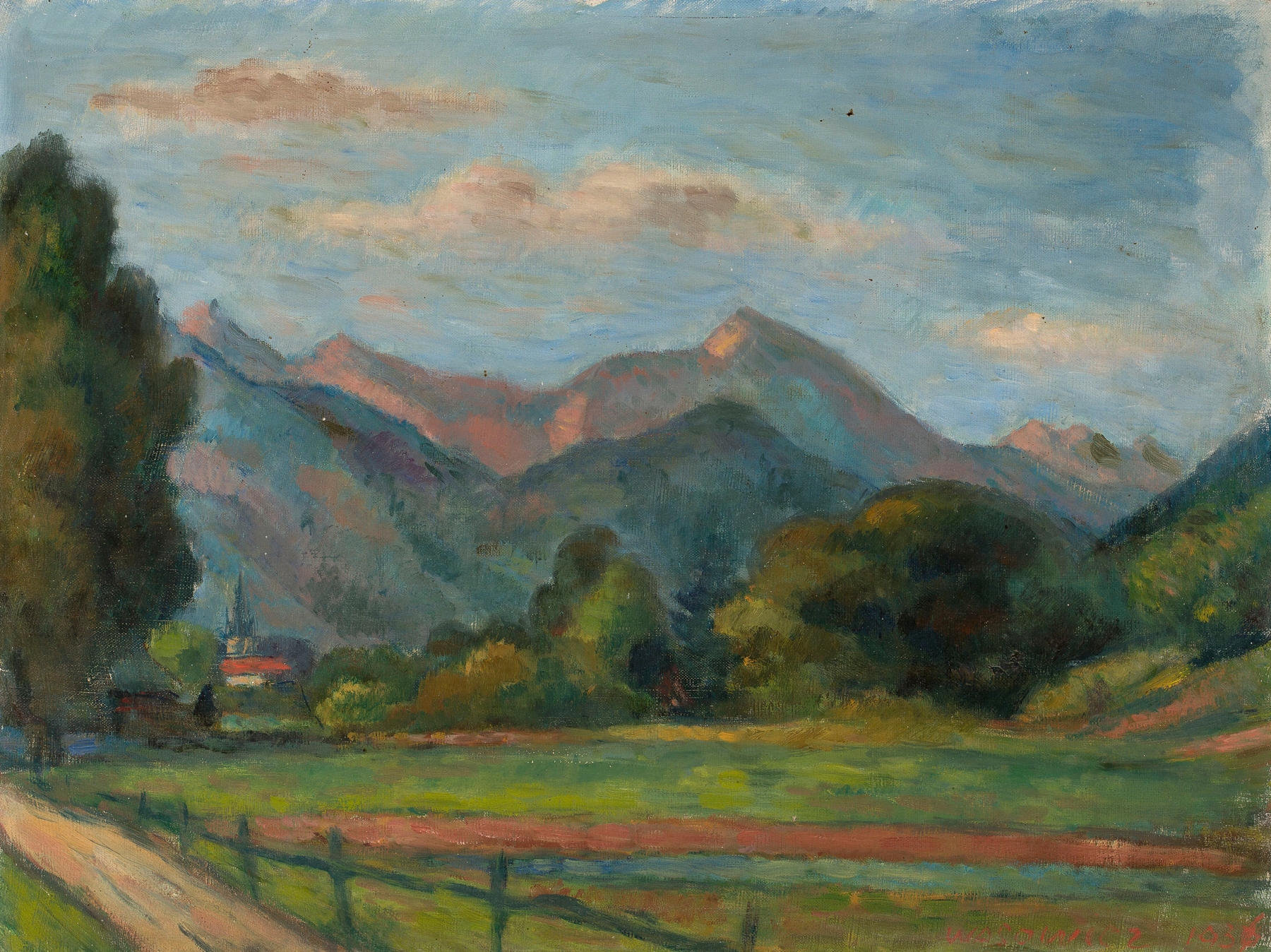
Can paint confess what words never could? In the stillness of Landscape with huts on a hill, a silent narrative unfolds, revealing the deep emptiness that often lies beneath the surface of human existence. Look to the lower right at the humble huts, their earthy tones blending seamlessly with the dry, muted palette that dominates the canvas. Each structure appears as if it were hewn from the very land it inhabits, evoking a sense of fragility amid the vastness of the surrounding hills.
Notice how the soft strokes of the brush convey a quiet, almost melancholic atmosphere, while the horizon stretches infinitely, emphasizing the solitude of the scene. The emotional tension in this landscape arises from the juxtaposition of human endeavor and the overwhelming presence of nature. The huts, symbols of life, are dwarfed by the expansive emptiness around them, suggesting a profound isolation. The absence of figures compounds this feeling, inviting contemplation on the human condition and the existential void that often accompanies it.
The color choices—muted greens and browns—enhance the sense of quietude, as if time itself has paused. Wacław Wąsowicz painted this piece during a period in the early 20th century when he sought to capture the essence of rural landscapes in Poland. Living in a time of significant change, both socially and artistically, Wąsowicz turned to the simplicity of rural life, reflecting on themes of solitude and connection to nature. His work, much like this landscape, speaks to the timeless struggle of individuals seeking meaning amidst the vast emptiness of existence.