Kompozycja włoska — History & Analysis
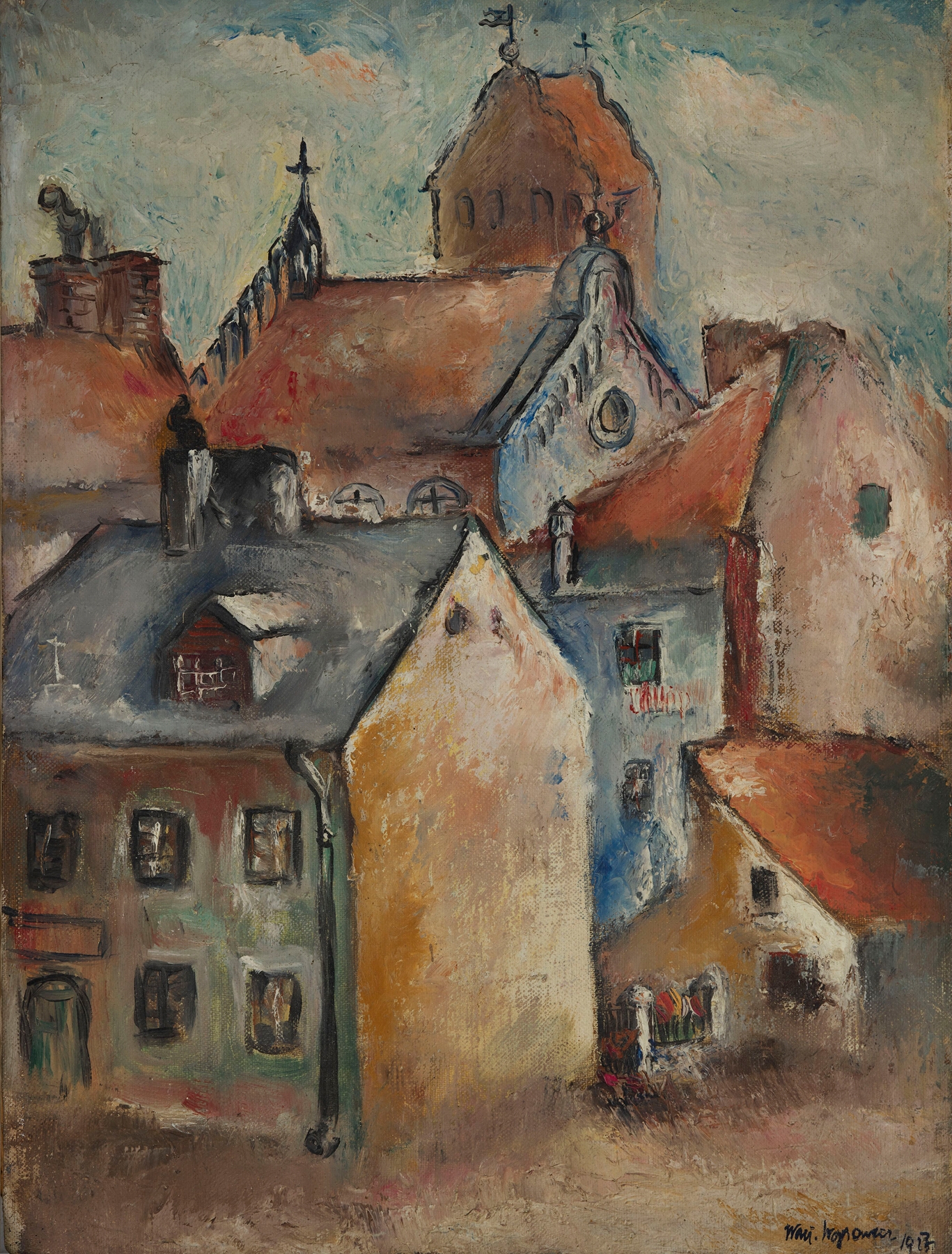
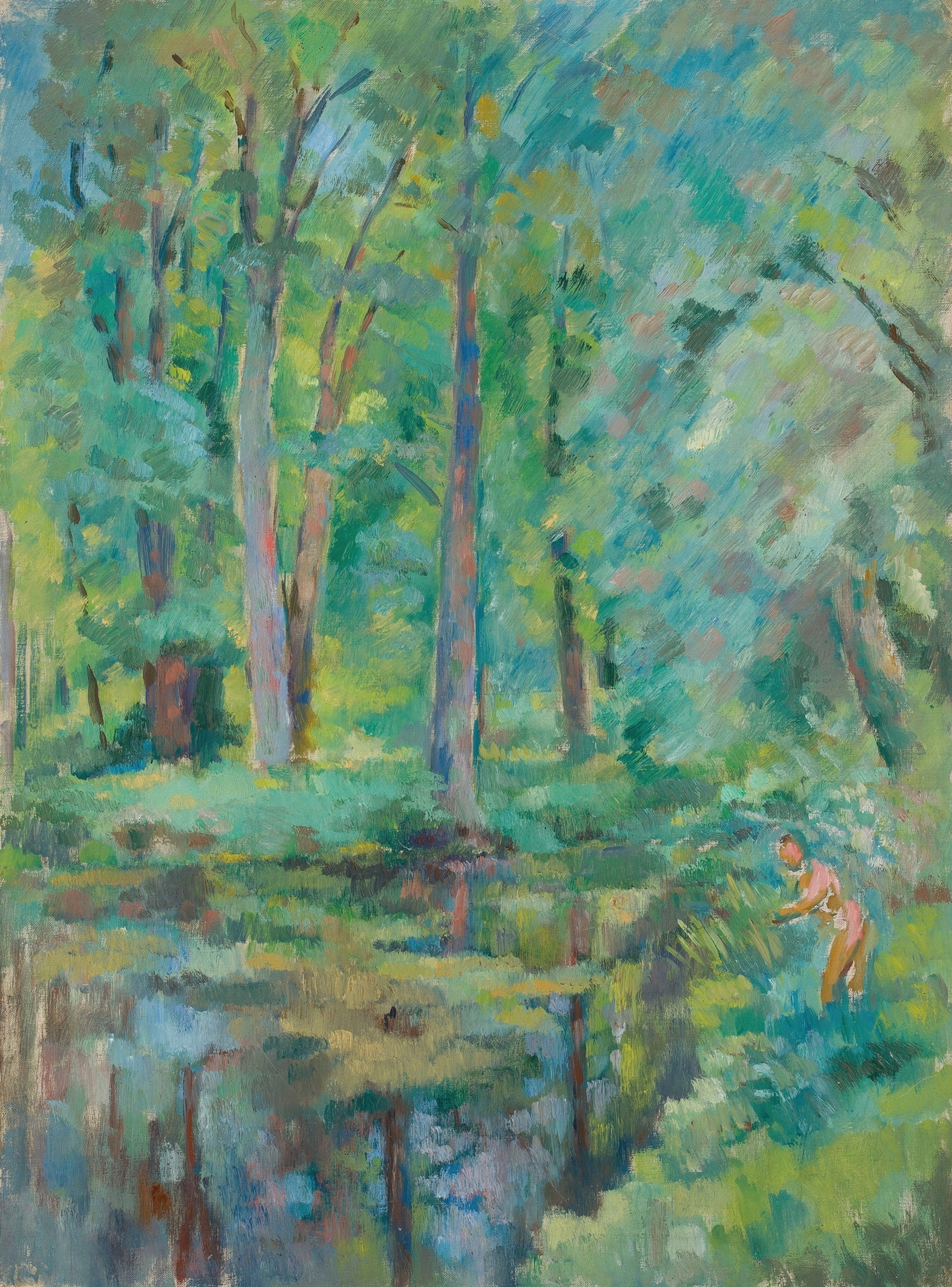
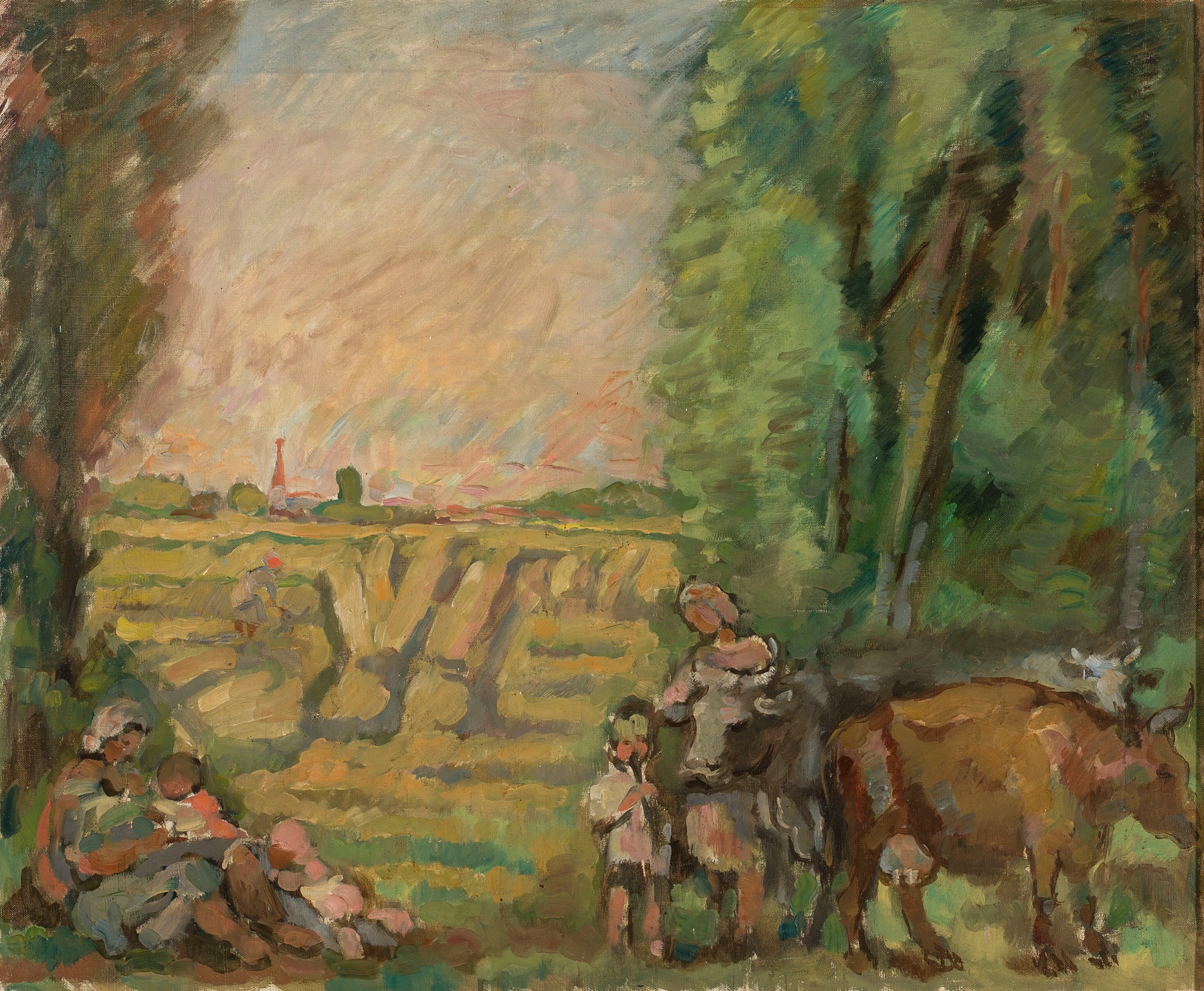
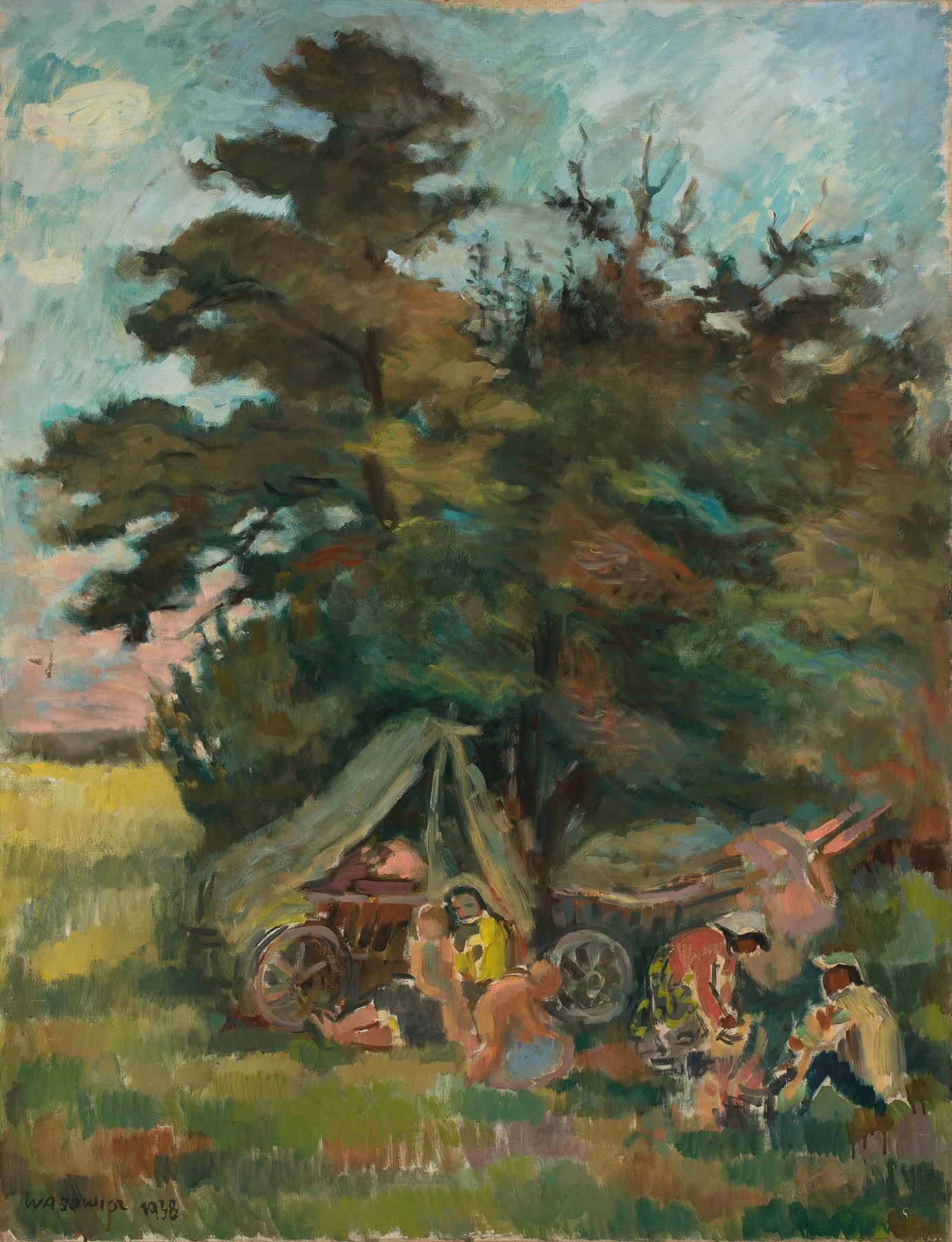
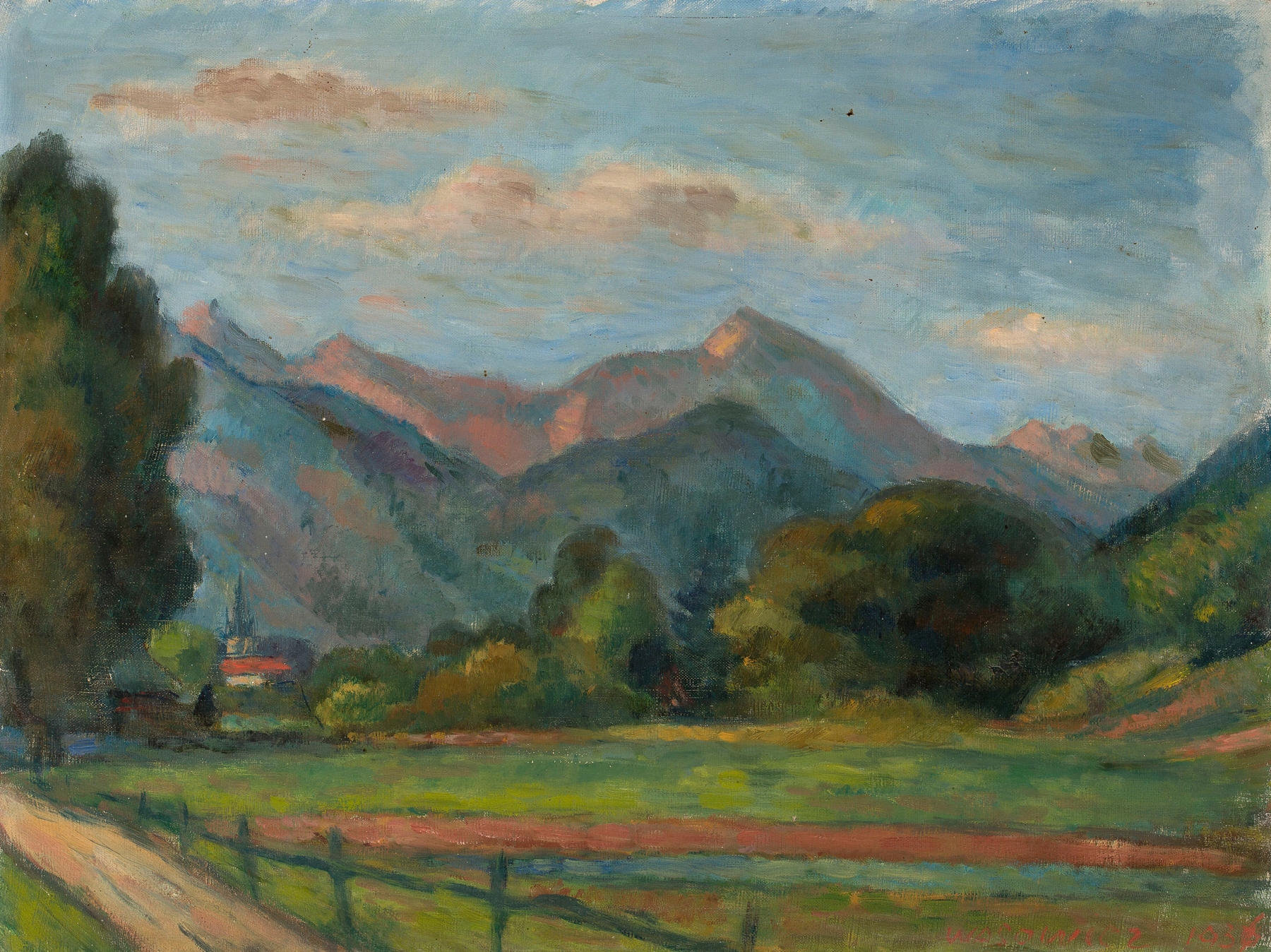
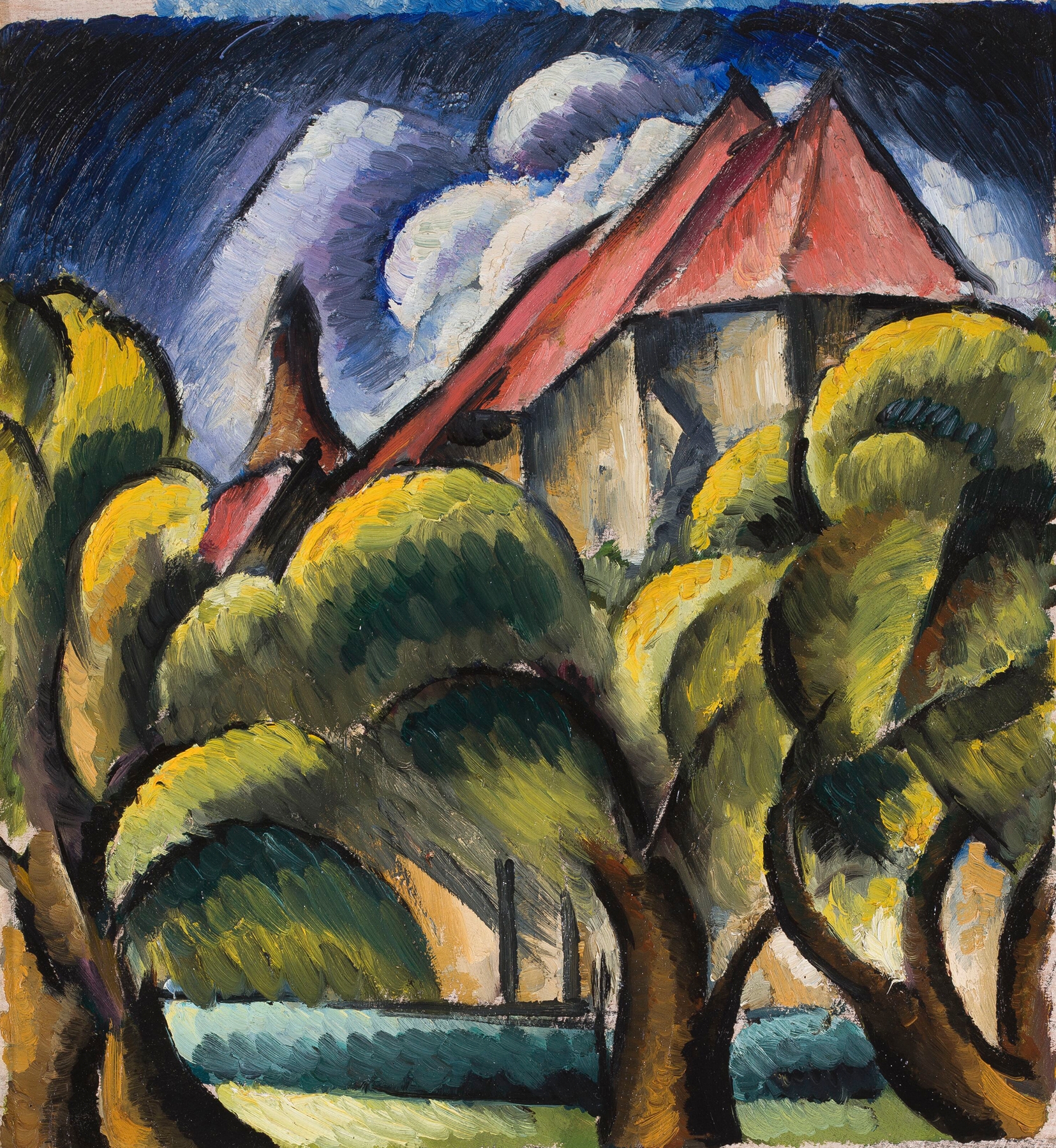
“Every brushstroke is a heartbeat remembered.” In Kompozycja włoska, Ominous shadows weave through the composition, echoing the pain of betrayal. The visual landscape, though abstract, speaks to the very essence of trust broken and relationships severed, inviting us to confront our own vulnerabilities. Look closely at the center; the vibrant reds and deep blacks pull your gaze toward a jarring contrast. The thick, aggressive strokes create a sense of chaos, while softer hues linger at the edges, representing fleeting moments of peace.
Notice how the jagged lines clash with the smoother forms, as if illustrating a conversation torn apart. Each color blends into another, yet the tension remains palpable, suggesting an emotional tumult that words alone cannot convey. As you delve deeper, consider the overlapping shapes that hint at hidden connections; some appear to reach out, while others retreat in fear or anger. This dynamic interplay reflects the intricacies of human relationships, where intimacy and betrayal often coexist.
The artist seems to capture not just the essence of a fractured bond, but the weight of sorrow and nostalgia that colors our memories of what was once whole. Painted in 1939, this work emerged during a tumultuous time in Europe, as the specter of war loomed large. Wacław Wąsowicz, navigating his own path in the art world amidst political unrest, sought to articulate complex emotions through abstraction. This piece stands as a testament to a moment in history where personal and collective betrayals intertwined, reminding us of the fragility of trust in both art and life.