De aanleg van het Noordzeekanaal — History & Analysis
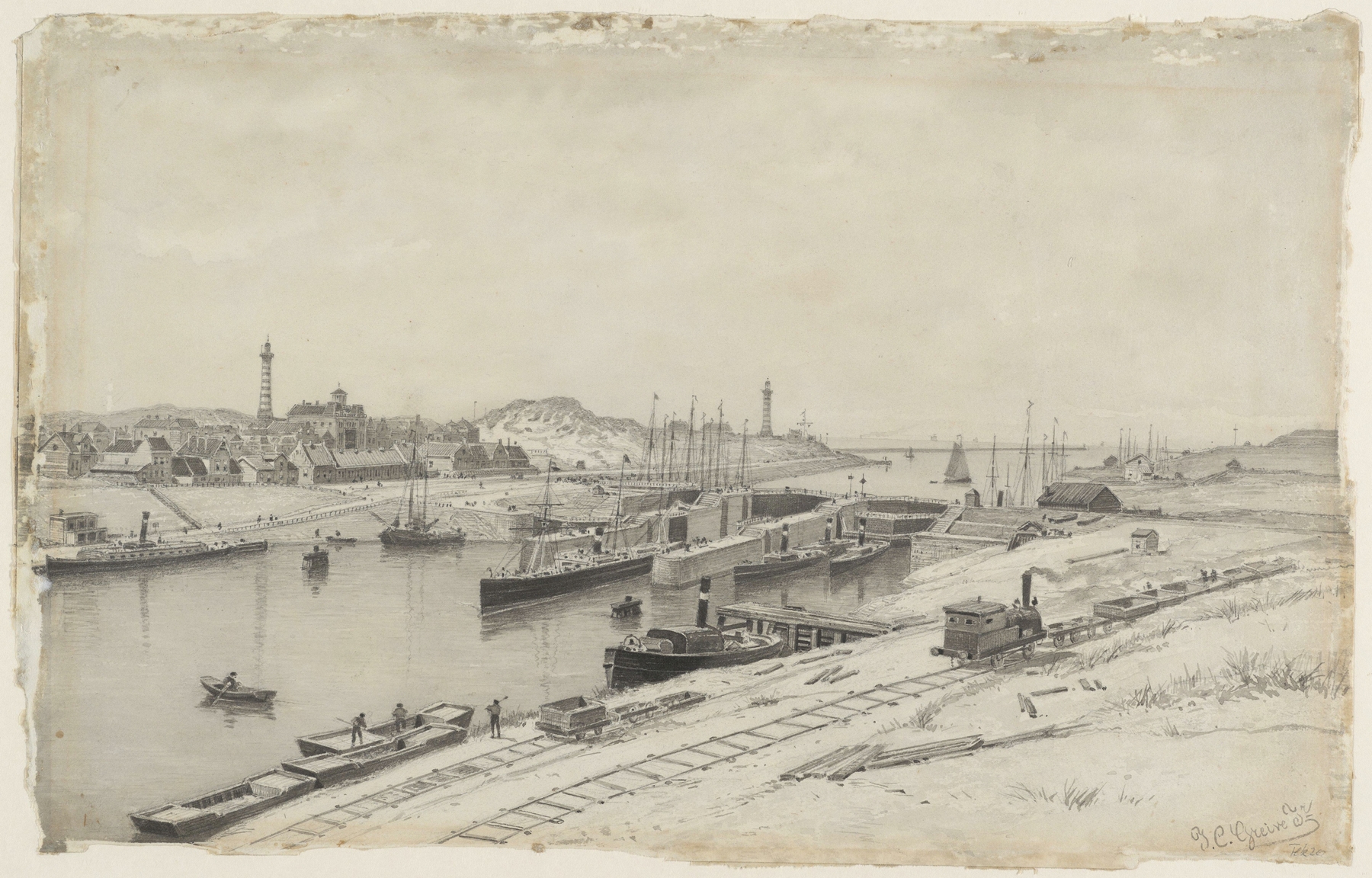
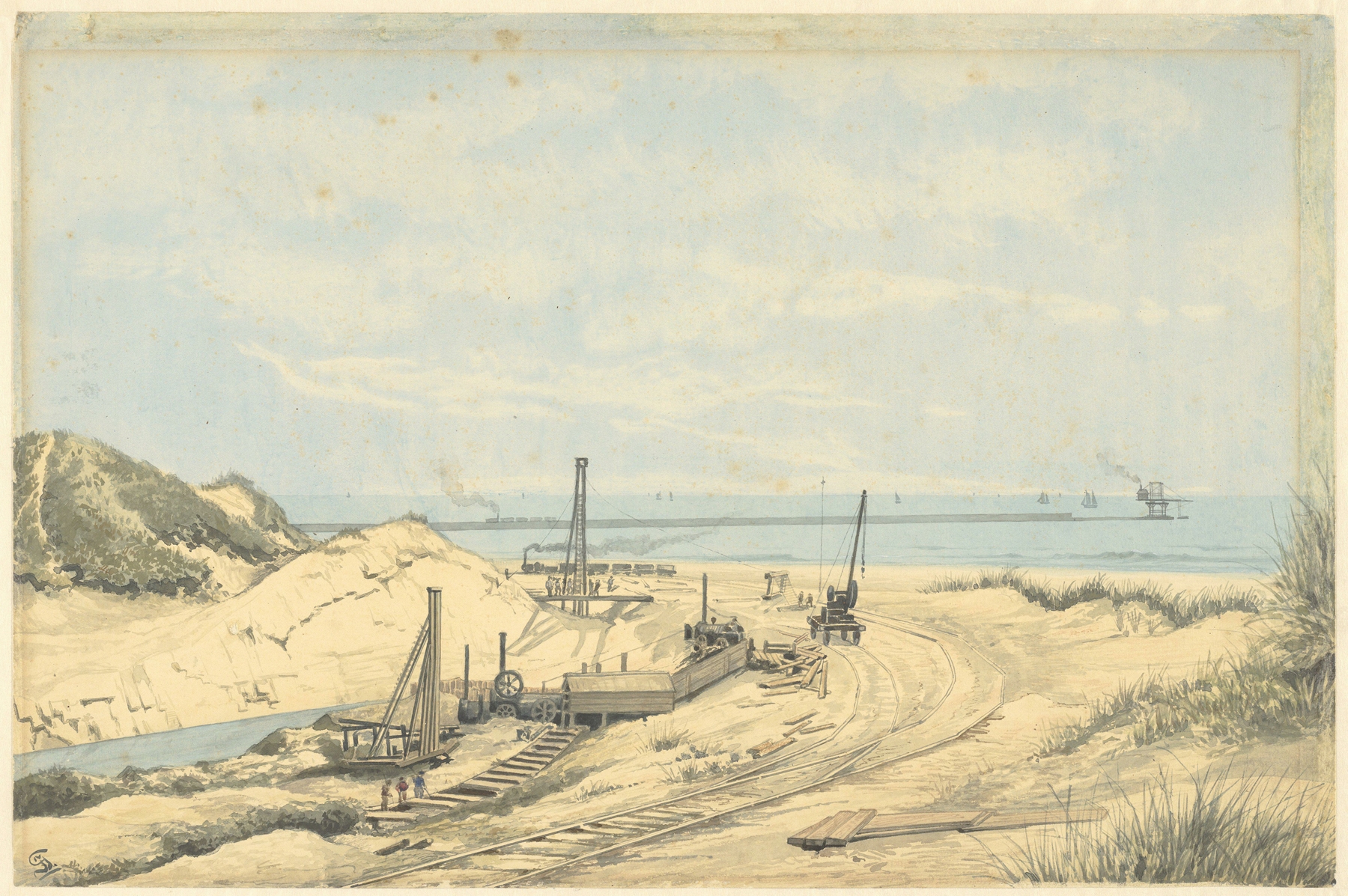
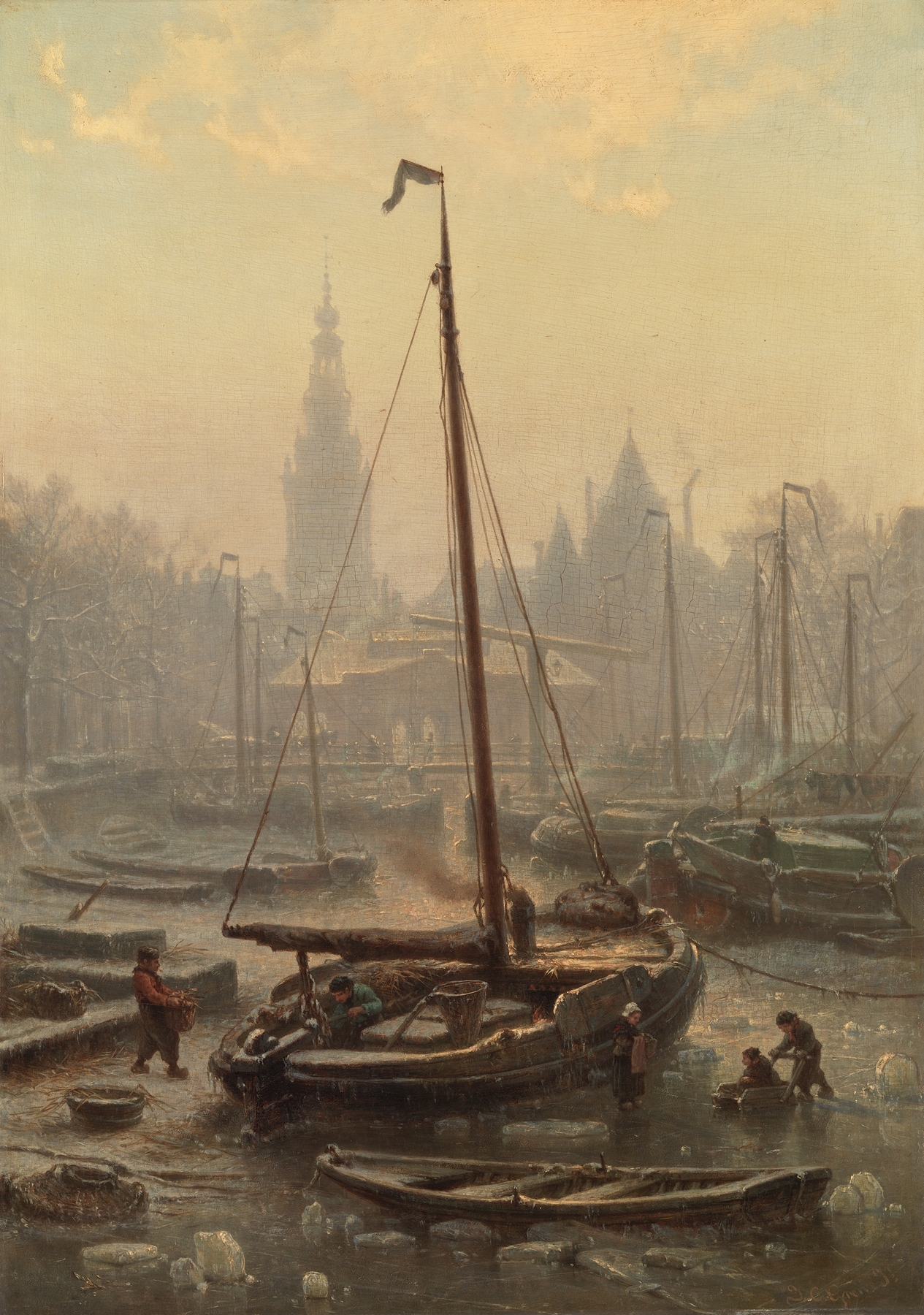
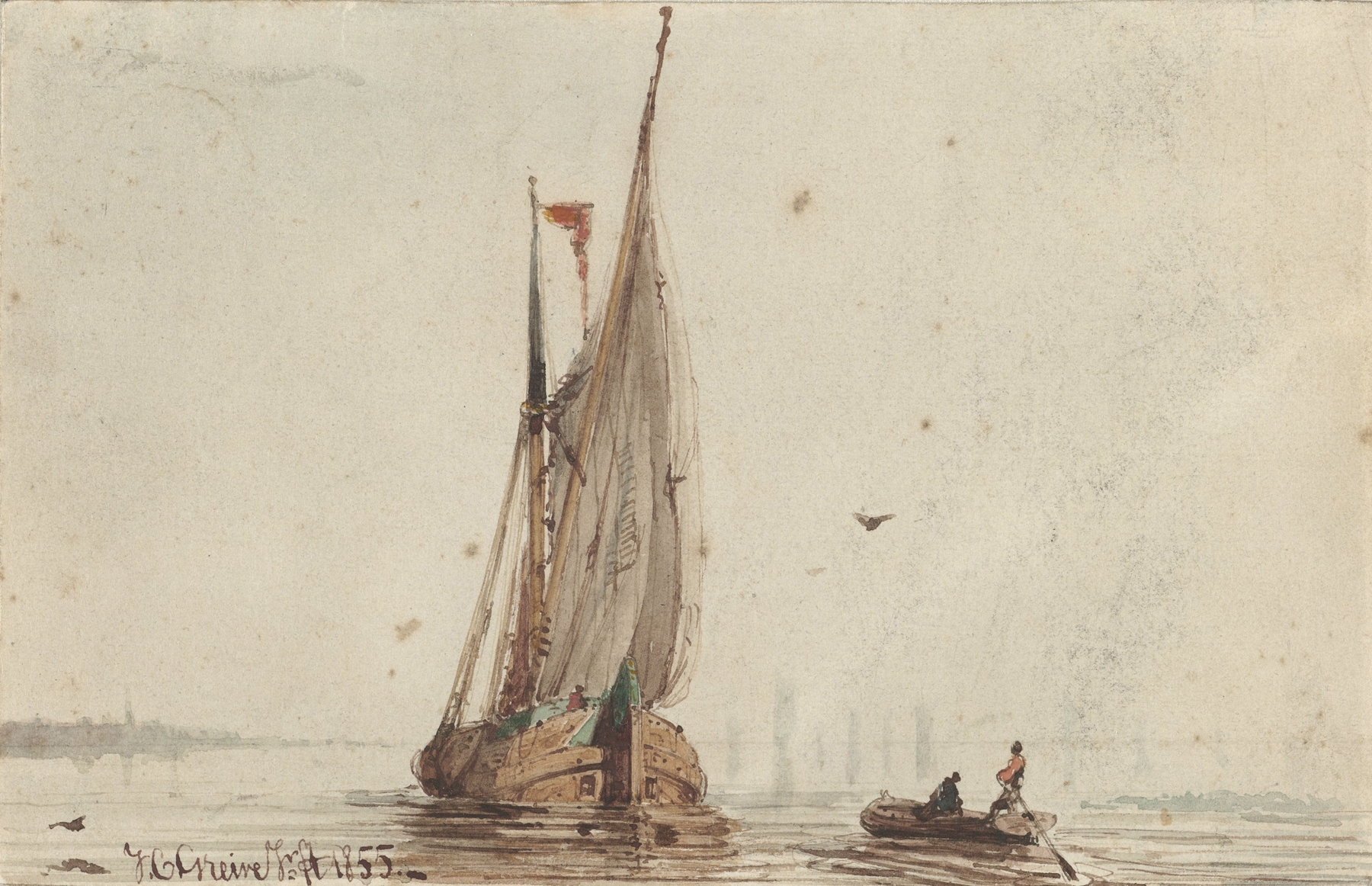
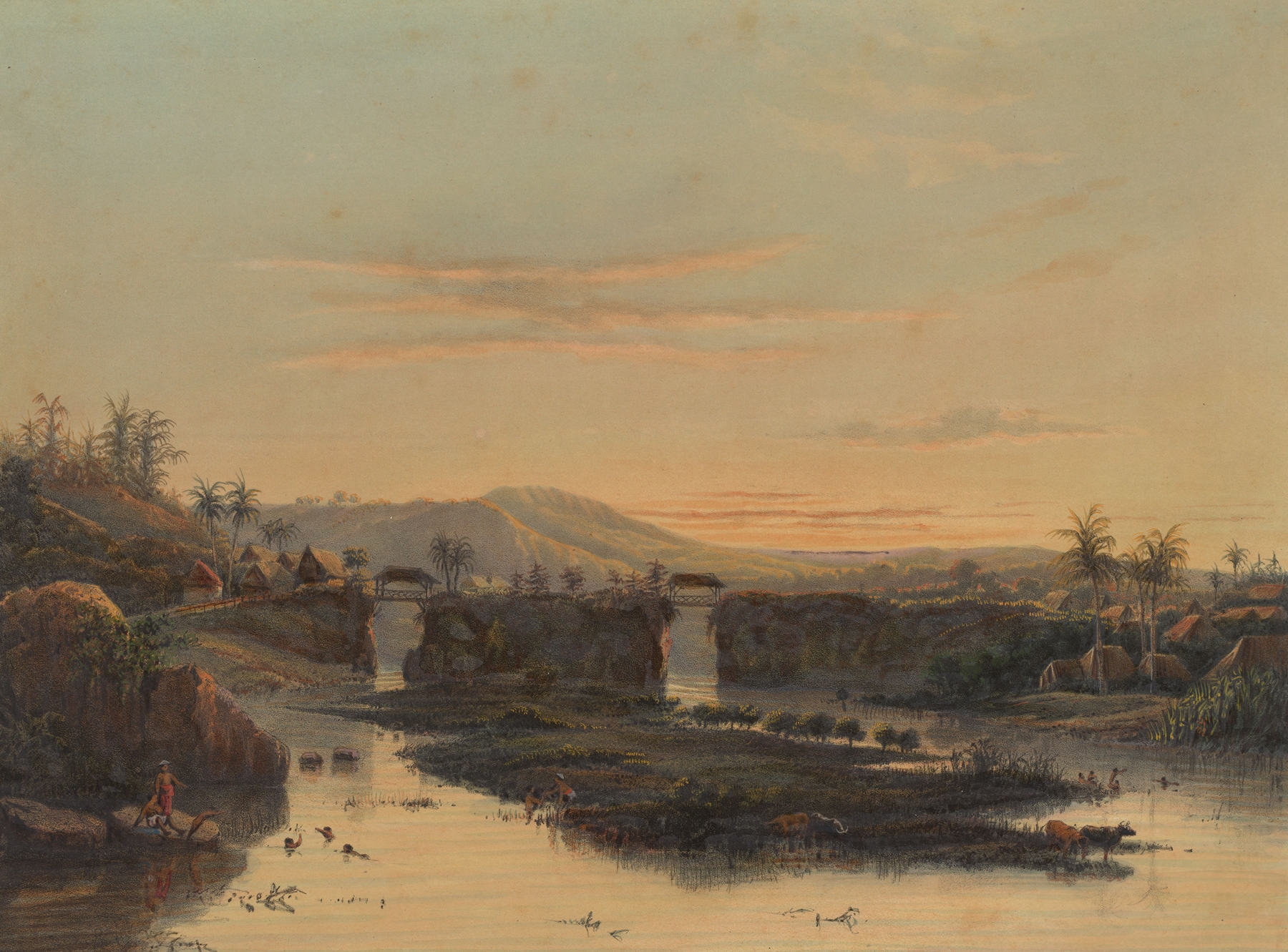
What if silence could speak through light? In De aanleg van het Noordzeekanaal, Johan Conrad Greive captures the essence of longing, where stillness breathes life into the scene. Look to the left at the imposing figures of workers laboring on the canal’s edge, their silhouettes softened by the warm glow of the setting sun. The interplay of light and shadow draws your gaze across the canvas, revealing the intricate details of their toil. Notice the gentle ripples of water reflecting the hues of dusk, a serene contrast to the industriousness depicted.
The composition expertly guides your eye along the horizon, where the sky merges with the earth, evoking a sense of vastness and possibility. The emotional heaviness of this work lies in its contrasts. The laborers, rugged and focused, embody the human struggle against the elements, while the tranquil water invites contemplation of nature’s beauty. There is a palpable tension between aspiration and reality, as the canal signifies progress yet also an unfulfilled yearning for completion.
Each brushstroke speaks of a deeper desire for connection—to land, to purpose, and to one another. In 1875, Greive painted this piece during a transformative period for European art, amidst the rise of realism and industrialization. Working in the Netherlands, he sought to document the changing landscape, reflecting both the technological advancements of his time and the deep-rooted human emotions tied to such progress. The artwork stands as a testament to an era of both hope and labor, capturing the bittersweet essence of a world in transition.