De bespotting van Christus — History & Analysis
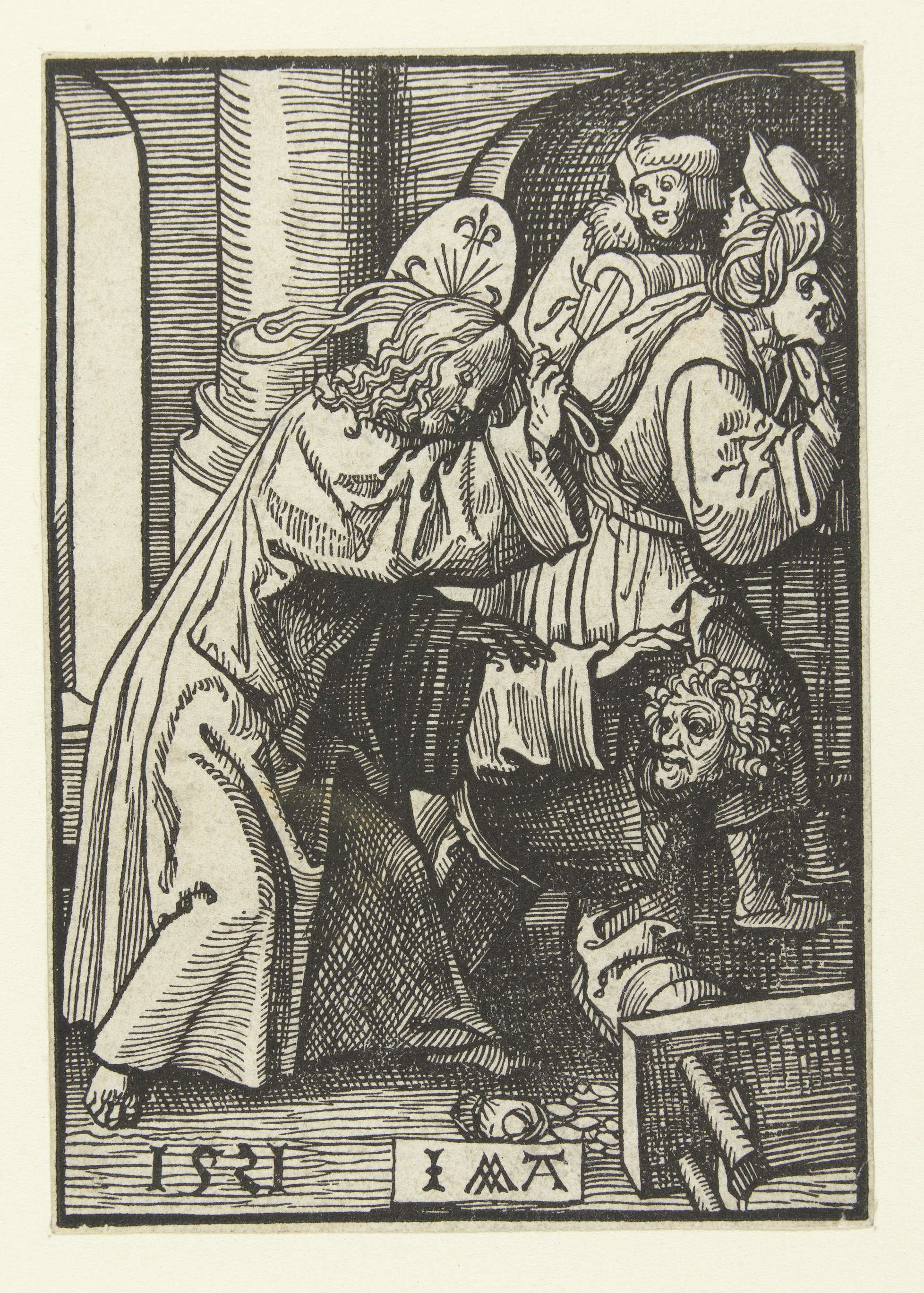
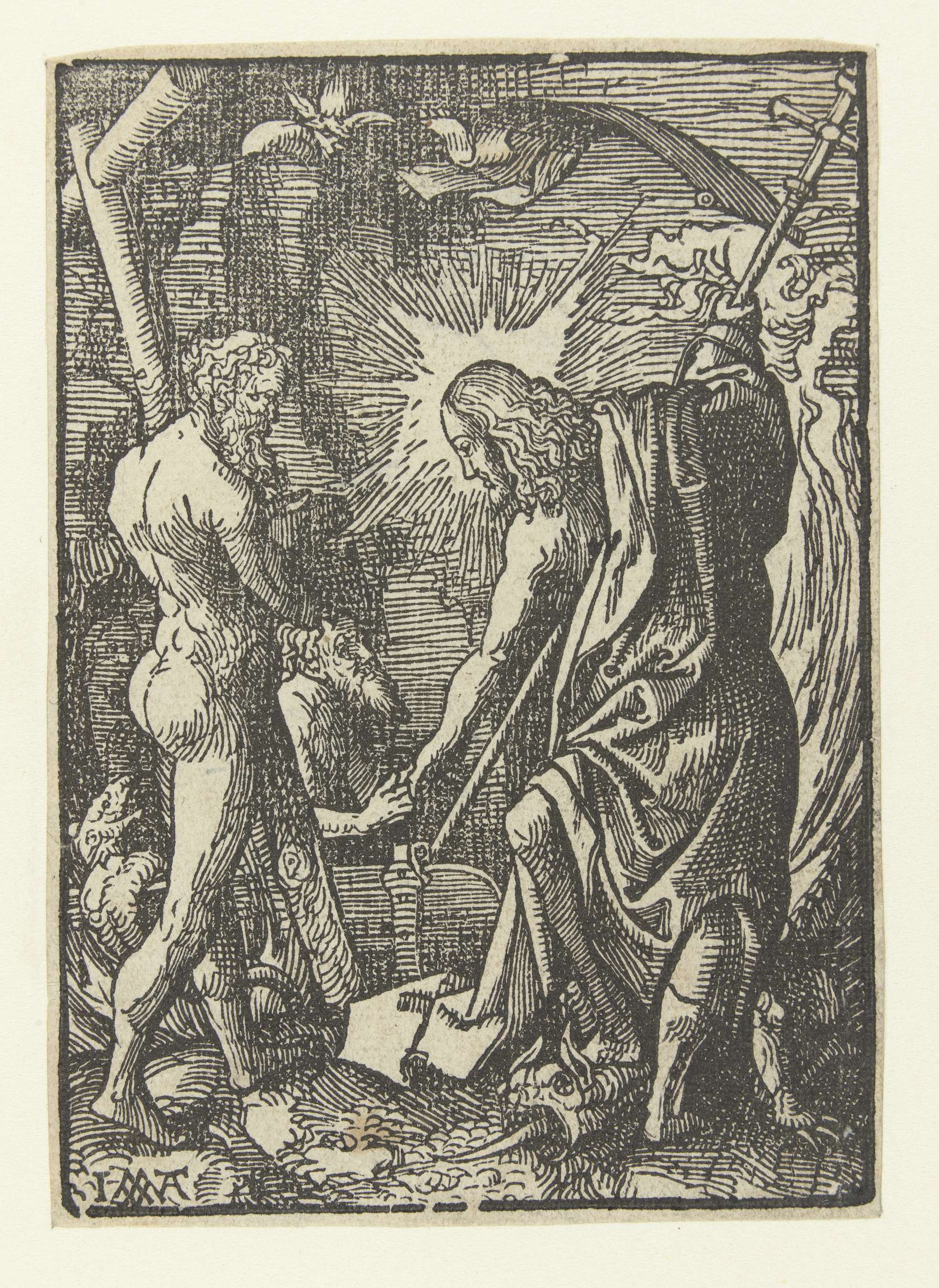
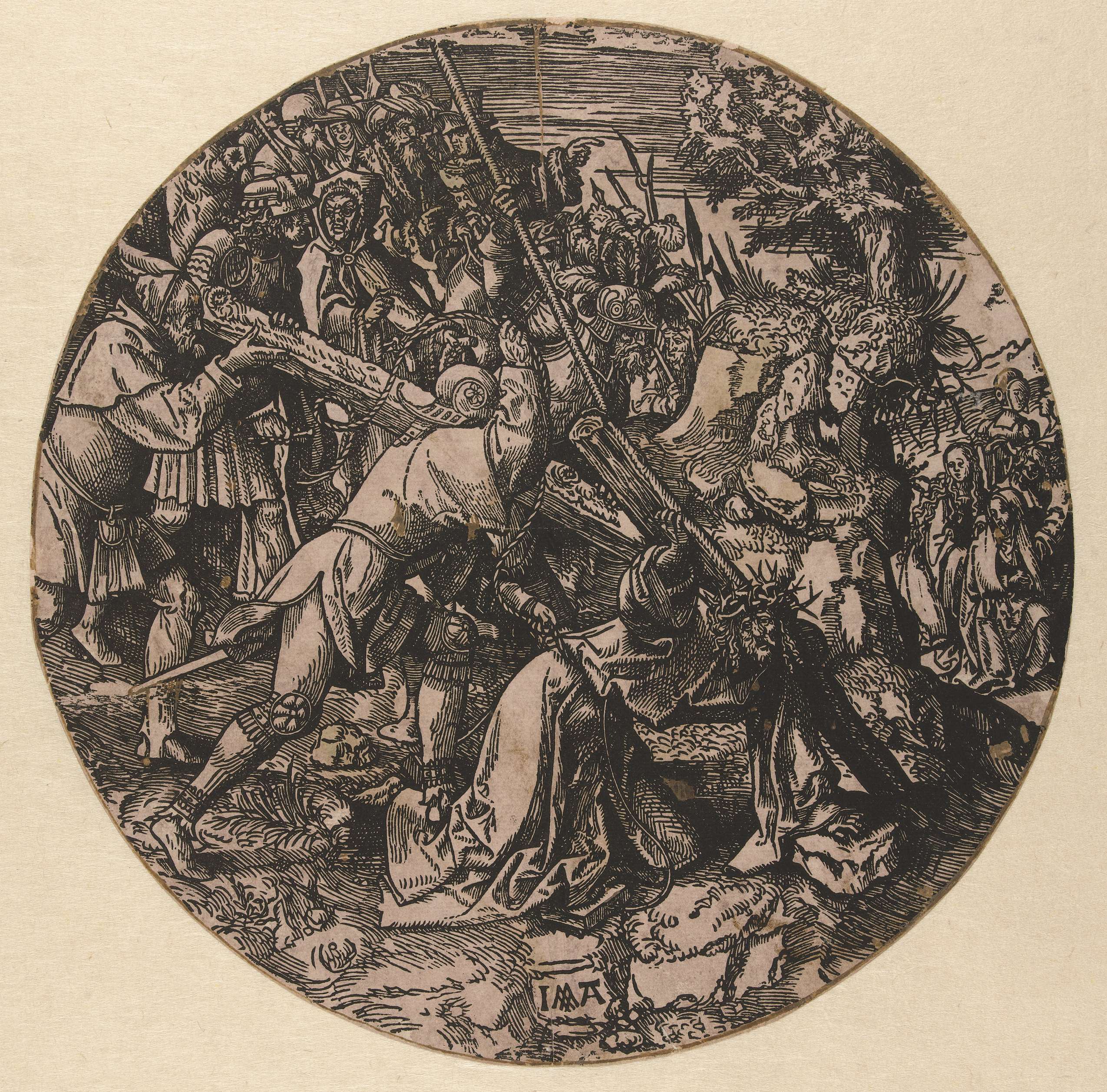
Can beauty exist without sorrow? The poignant tension between reverence and ridicule in this work invites us to explore the duality of human experience and legacy. Look to the center, where a figure stands tall yet vulnerable, enveloped by a cacophony of sneering faces. The artist employs a palette of muted earth tones, enhancing the somber atmosphere while light subtly illuminates the figure's pained expression.
Notice how the contrasting dark shadows deepen the emotional weight of the scene, pulling your gaze back and forth between the ridicule of the crowd and the quiet dignity of the central figure. Upon closer inspection, the gestures of the surrounding figures reveal a spectrum of emotions, from mockery to indifference. The twisted expressions and tense postures of the onlookers suggest a tumultuous internal struggle, raising questions about faith, sacrifice, and the cost of legacy. The intricate details of the fabric—richly woven yet tattered—echo the theme of suffering intertwined with beauty, speaking to the human condition that resonates through the ages.
Created in 1517 during a period of significant religious upheaval in Europe, the artist was influenced by the rising Reformation. Working in Holland, he sought to capture the complexities of faith and the societal implications of belief. This piece reflects not only his personal exploration of spirituality but also the broader cultural dialogues surrounding the nature of suffering and legacy in art.