De gevangenneming van Christus — History & Analysis
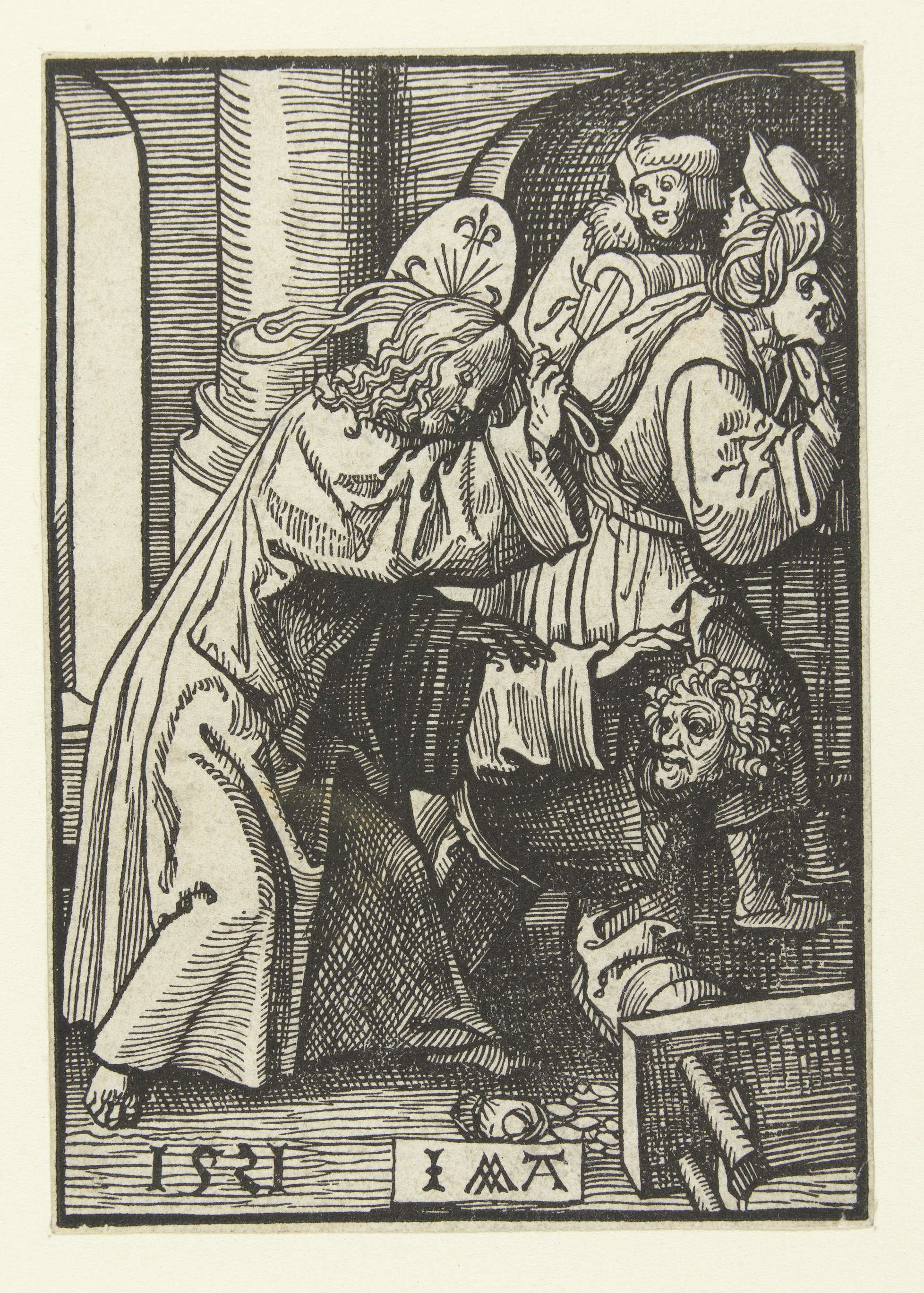
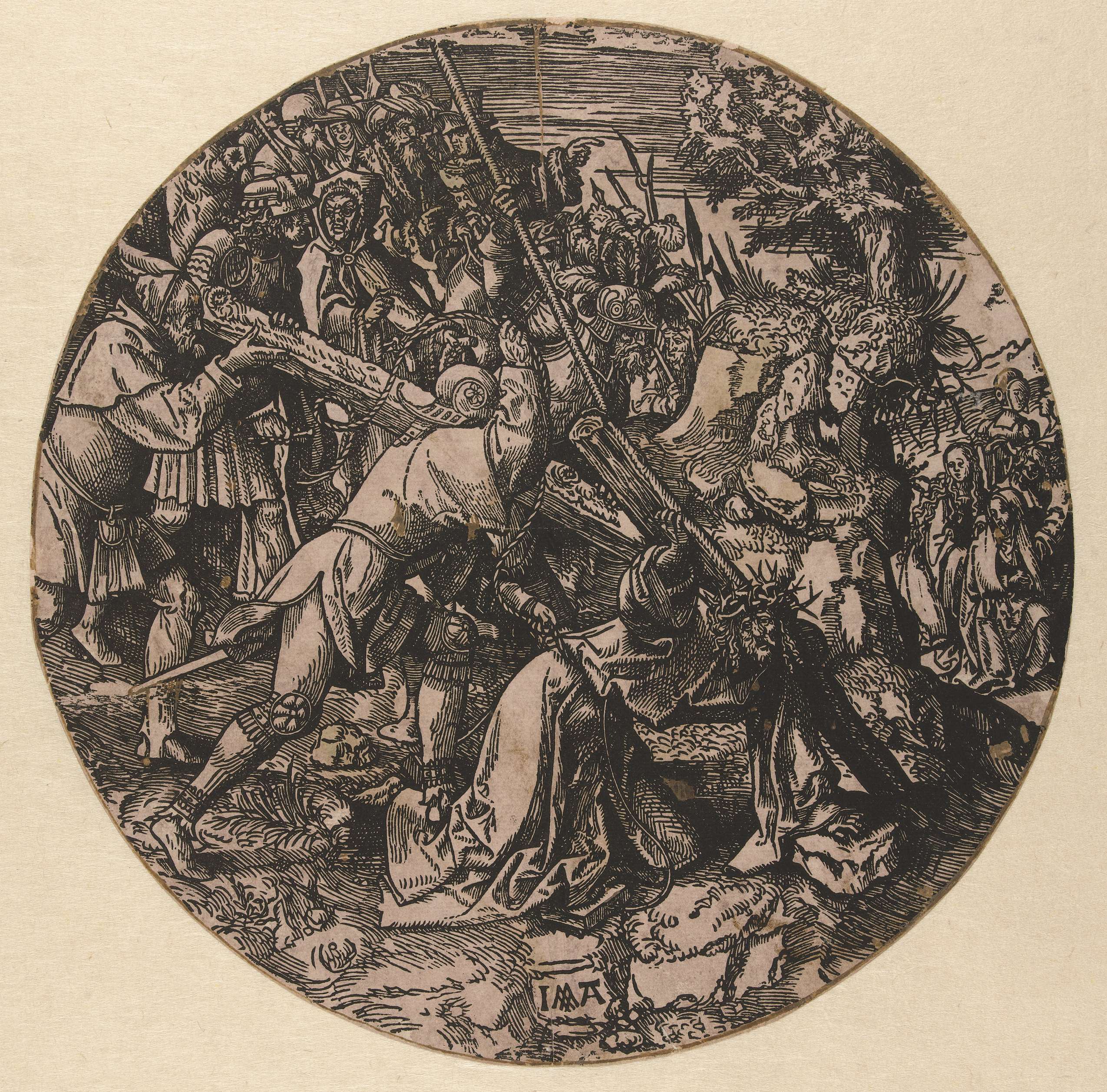
“Under the brush, chaos becomes grace.” In De gevangenneming van Christus, the tumult of a world at the precipice finds its expression through intricate detail and vivid emotion. The tension between ecstasy and despair unfolds, inviting the viewer to witness the arrest of Christ, a moment thick with significance. Look closely at the figure of Christ, centrally positioned, where the light dramatically illuminates His serene face amidst the surrounding turmoil. Notice how the rich, earthy tones of the soldiers’ garments contrast with His ethereal presence, creating a palpable sense of conflict.
As your gaze travels to the right, the expressions of the onlookers vary—some rueful, some resolute—each captured in a moment of frozen time, as if the canvas itself breathes with their collective gasp. Delving deeper, the painting reveals layers of meaning that extend beyond the physical act of capture. The dynamic interplay between Christ's stillness and the soldiers’ aggressive postures encapsulates the struggle between divine grace and human violence. The juxtaposition of light and shadow not only accentuates this dichotomy but also hints at the hope that exists even in moments of despair.
The swirling chaos of the crowd, rendered in meticulous detail, reflects the emotional upheaval of the onlookers, indicating an internal conflict that mirrors the larger narrative. In 1517, the artist created this piece during a transformative period in the Northern Renaissance. Working in Amsterdam, he was influenced by both the emerging humanist ideals and the tumultuous religious landscape of the time. As the Reformation gained momentum, the tension between faith and expression flourished in the art world, marking a significant evolution that would define the era and shape the legacy of works like this one.