De kruisiging en de graflegging van Christus — History & Analysis
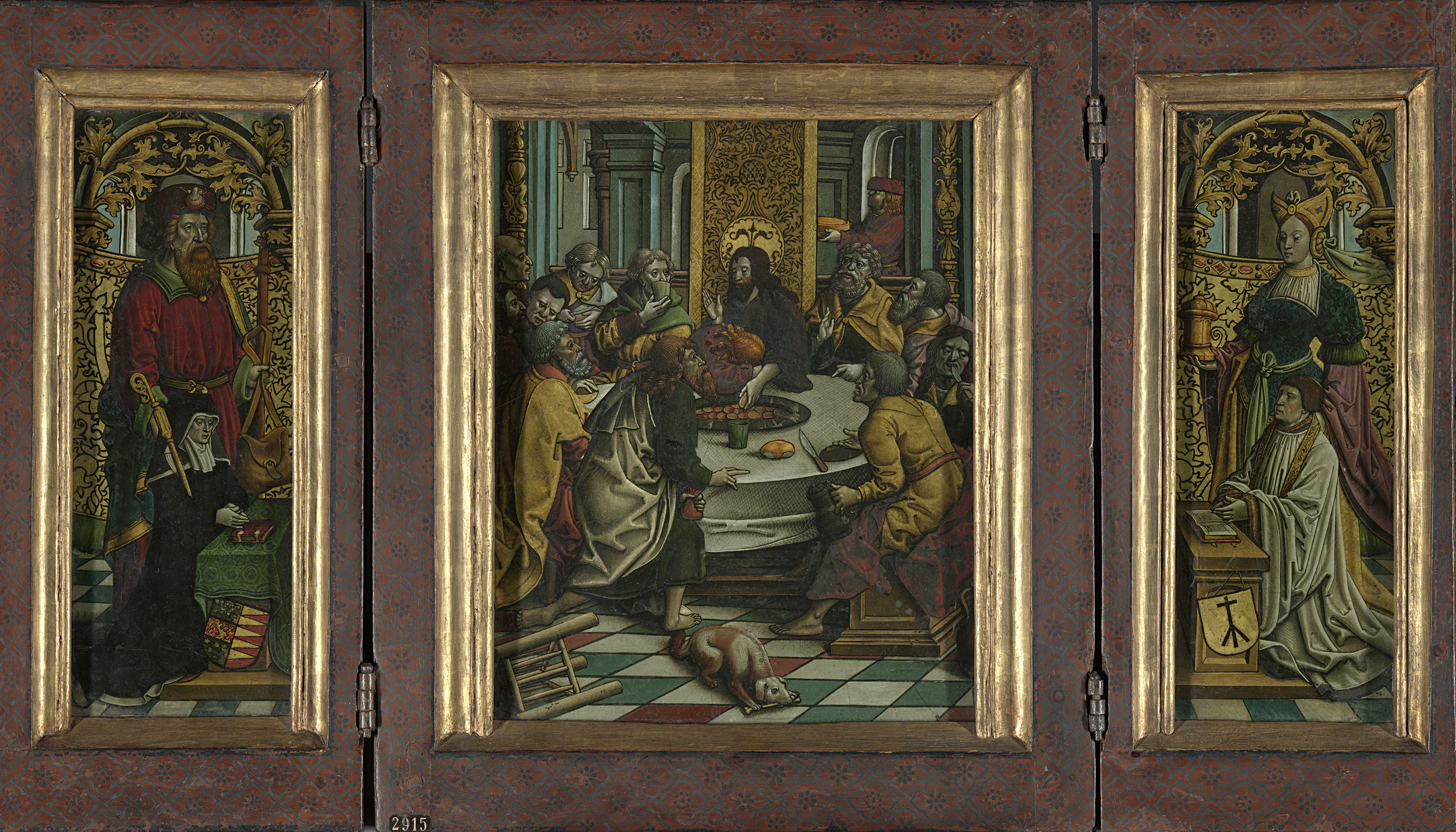
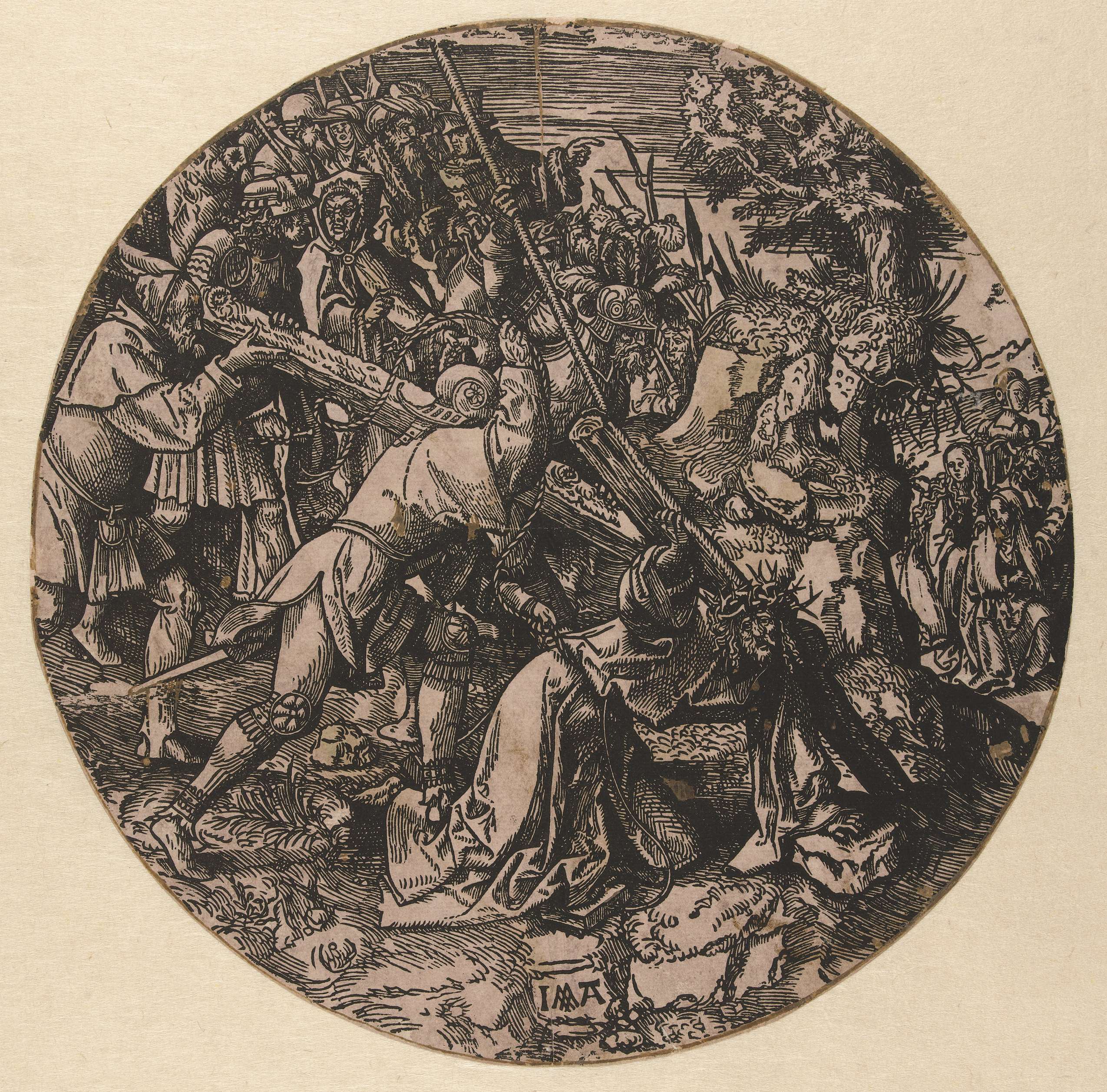
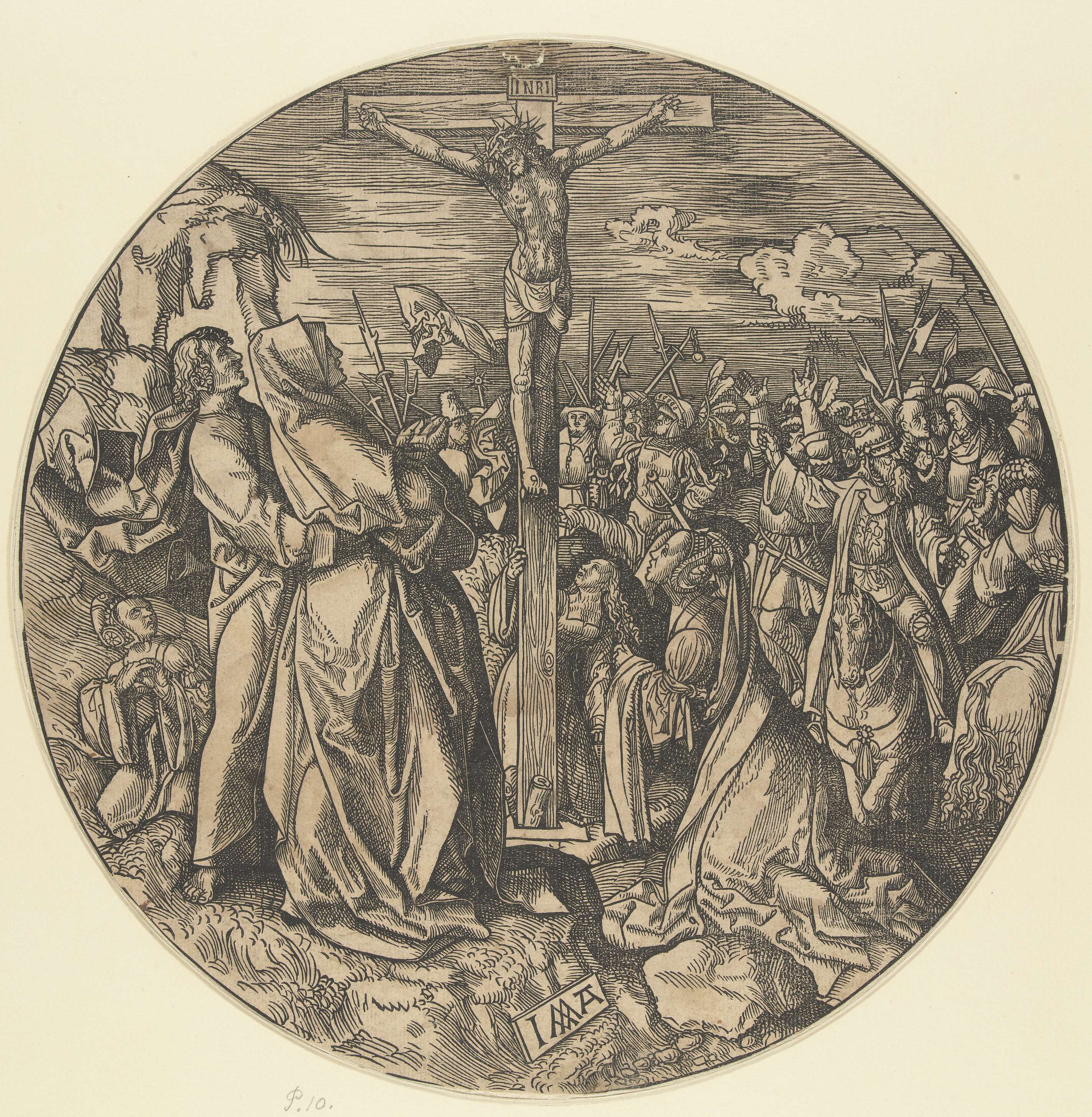
Could a single brushstroke hold eternity? In De kruisiging en de graflegging van Christus, the weight of divine sacrifice and human sorrow is captured with an awe that transcends time. Look to the central figure of Christ, where vibrant reds and deep blues intertwine, drawing your gaze like an unyielding magnet. The juxtaposition of light and shadow reveals the emotional intensity of the moment; notice how the soft golden hues illuminate the faces of the mourners, their expressions carved with anguish and reverence.
The meticulous details of fabric and the delicate play of textures invite a close examination, suggesting not just a scene from scripture but a complex narrative of grief and hope. As you explore the edges of the composition, subtle contrasts emerge: the solidity of the cross against the ethereal atmosphere of the sky. One can sense the tension between life and death, visible in the slight tremor of the figures’ hands and the almost imperceptible quiver of the leaves. The darker undertones represent despair yet hint at resurrection, embodying the duality of existence that defines the human experience.
Painted in 1520, this work emerged from the vibrant cultural currents of the Northern Renaissance, a period when religious themes dominated the art world. Jacob Cornelisz van Oostsanen, a pivotal figure in Dutch painting, was in Amsterdam—a thriving center of commerce and artistry. This period was marked by the interplay of burgeoning humanism and traditional religious fervor, reflecting a community in search of deeper meaning amidst societal change.