
De Preekstoel, Ostende — History & Analysis
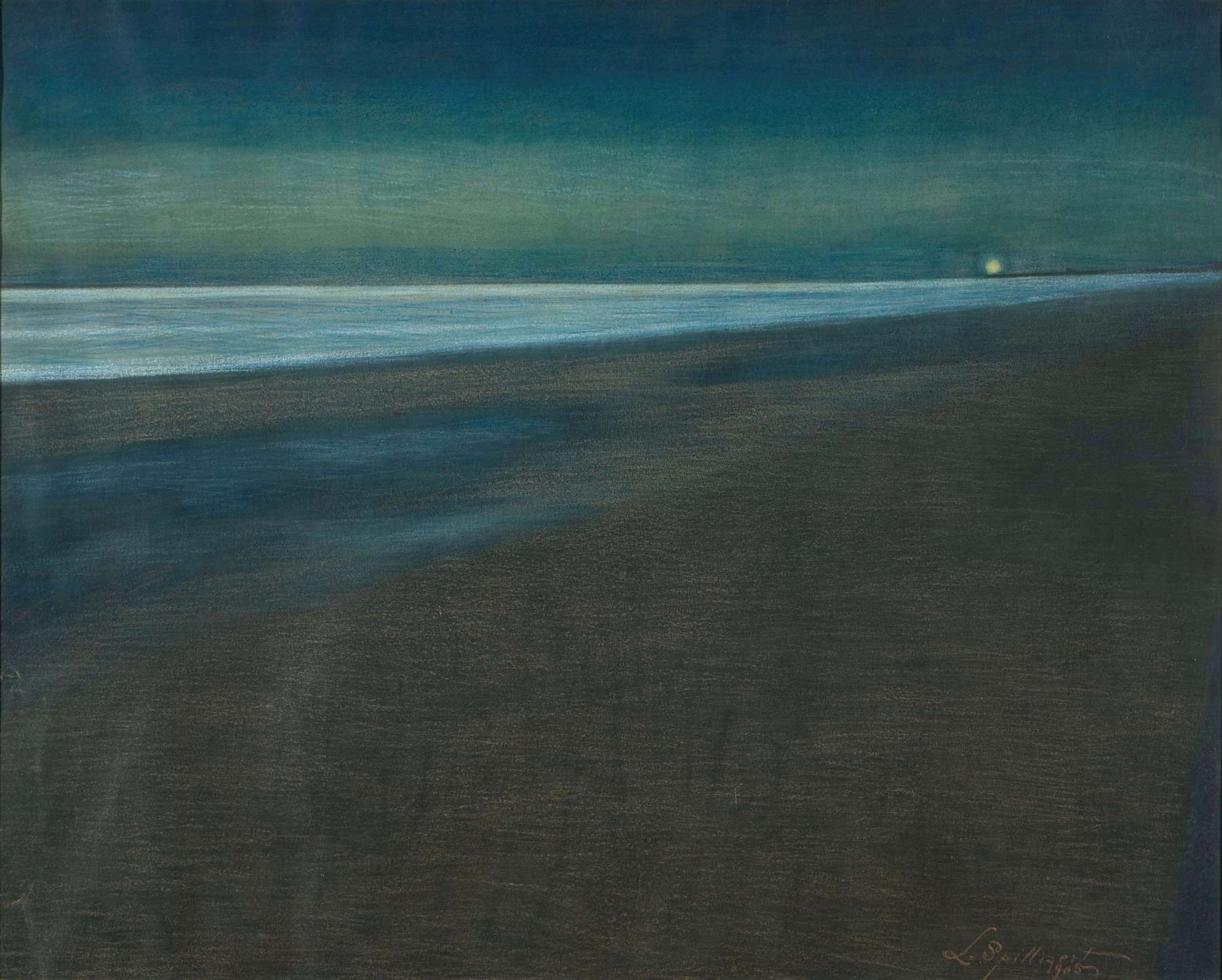
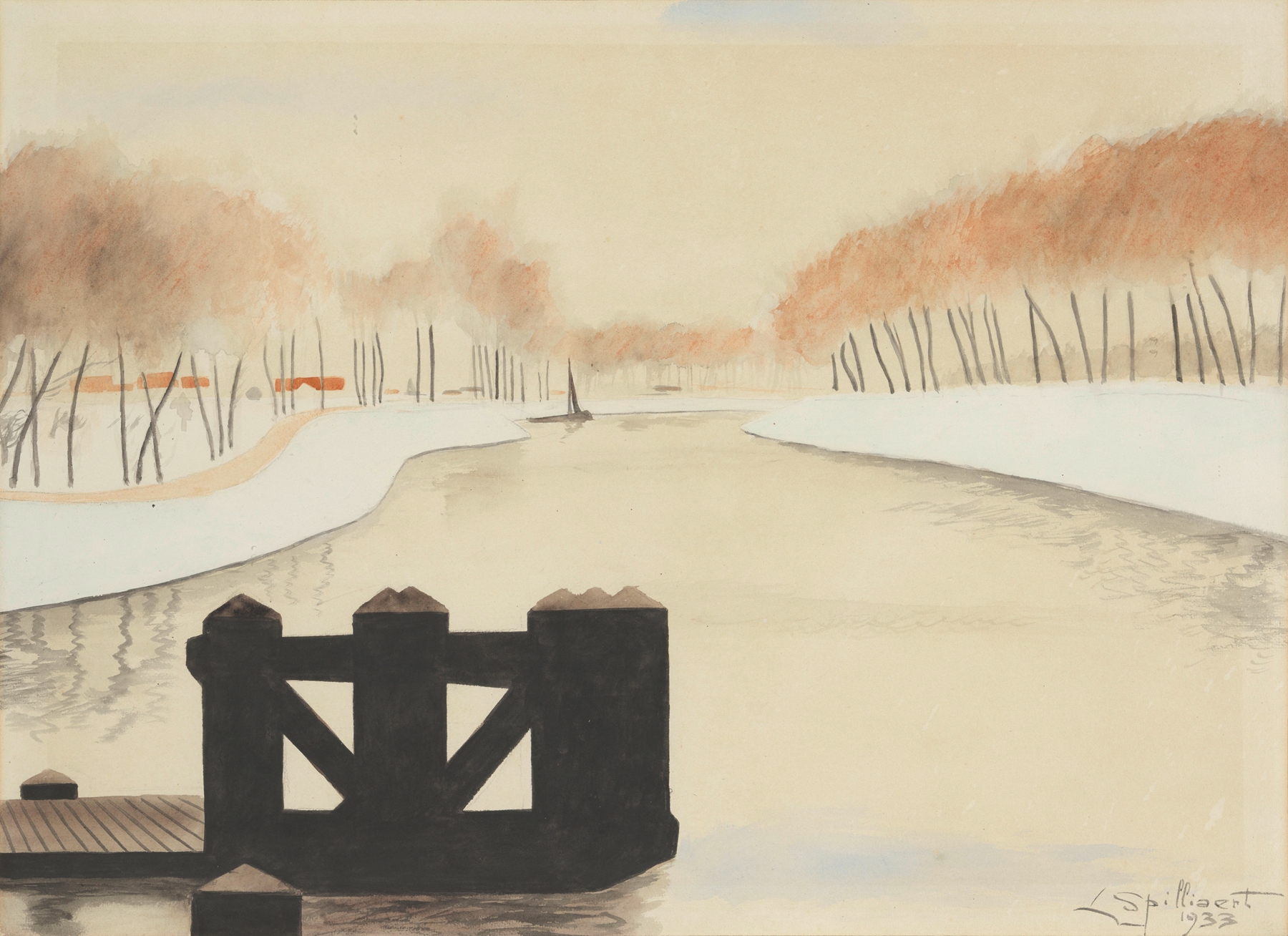
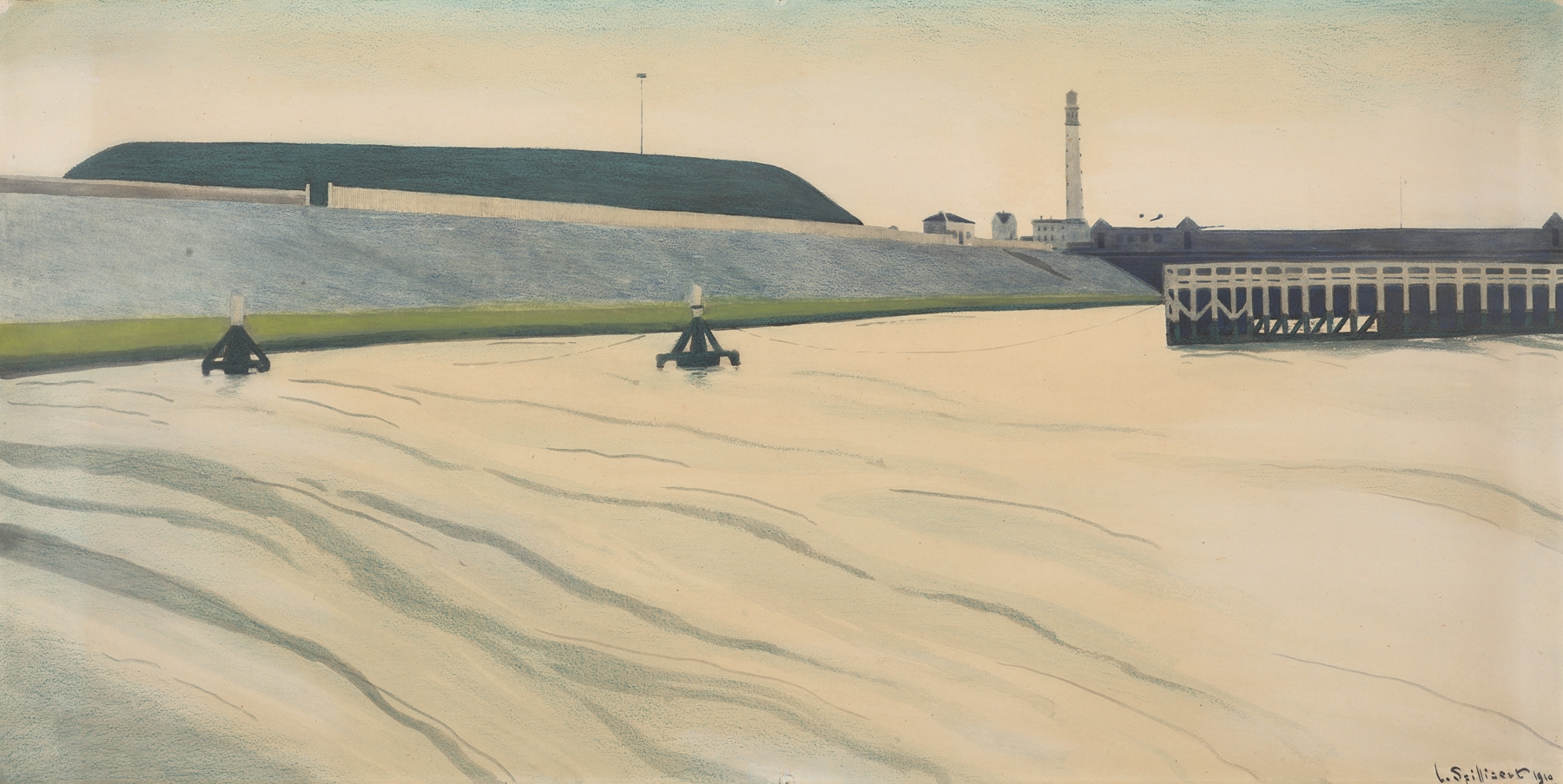
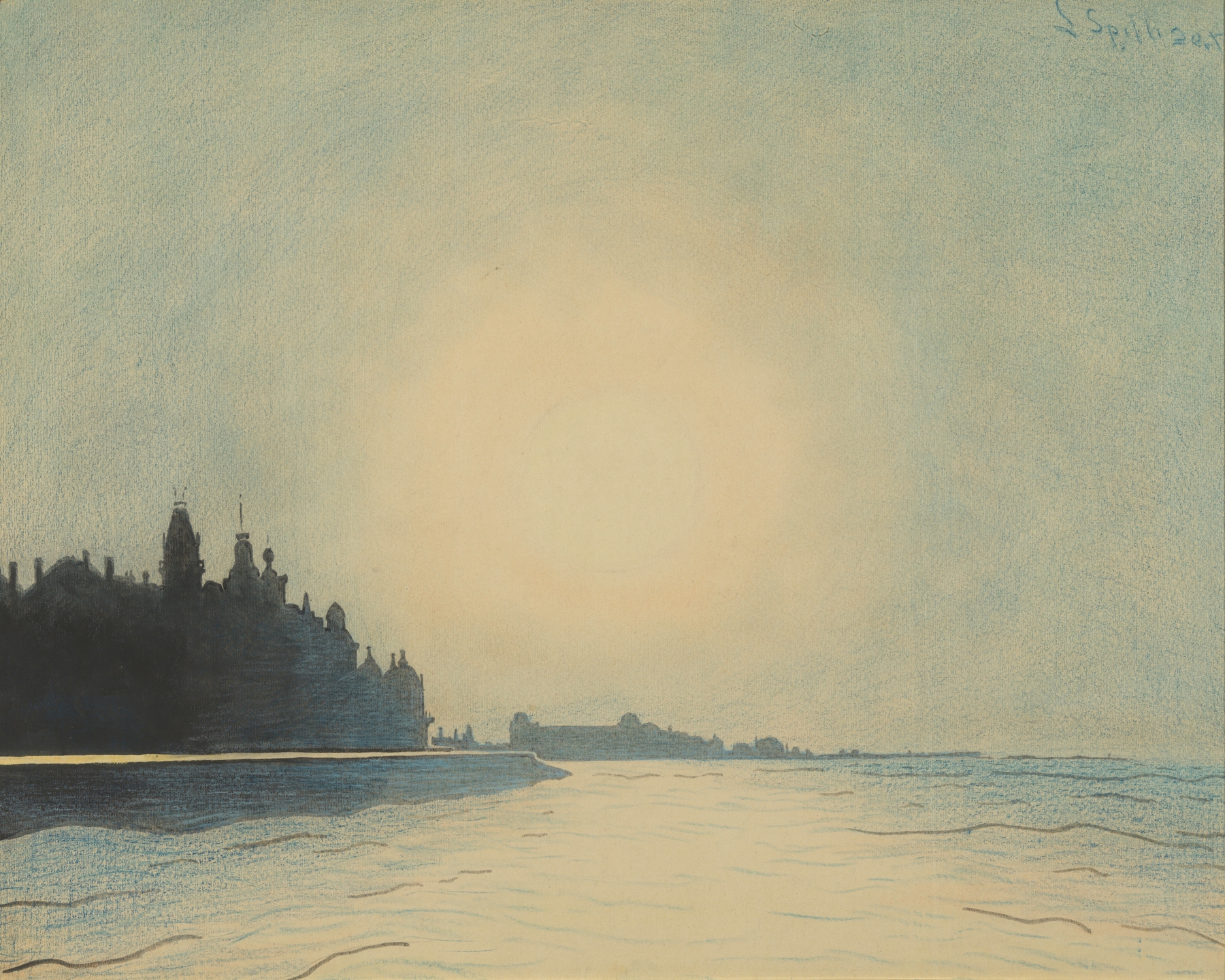
“Between color and silence, truth hides.” This delicate balance of time and emotion is palpable in the layers of this captivating work. Look to the center, where the stark, angular pulpit rises against an ethereal background, both mysterious and inviting. The palette consists of muted greens and deep blues, contrasting with the bright, almost luminescent white of the pulpit. The juxtaposition of these colors creates a sense of depth, as light seems to emerge from within the painting, illuminating the intricate details of the wooden structure.
Notice how the brushwork conveys both solidity and fragility, inviting contemplation rather than immediate understanding. Amidst the tranquility, there lies an undercurrent of tension. The pulpit, often a place of proclamation, stands solitary, evoking a sense of isolation and reflection. The silence surrounding it suggests a moment suspended in time, where the act of speaking and the weight of words linger heavily in the air.
This work captures the dichotomy of faith and solitude, revealing how moments of introspection can both illuminate and obscure truth in its many forms. Created between 1911 and 1913, this piece emerged during a transformative period for Léon Spilliaert in Ostende, Belgium. He was grappling with themes of introspection and existentialism, reflecting the broader artistic movements of the time that sought to explore inner realities. This era also marked a burgeoning interest in the psychology of color and form, elements that Spilliaert deftly manipulates in this striking portrayal.
![Le Phare aux signaux [De vuurtoren], by Léon Spilliaert, public domain](https://froigstrpvutwqtqikzt.supabase.co/storage/v1/object/public/art-images/artworks/15c64ea88267bb2176f857ee48f253129140e660e1928d47acf6cab808d0226d.jpg)