Distant View of Ryōgoku from Motoyanagi Bridge — History & Analysis
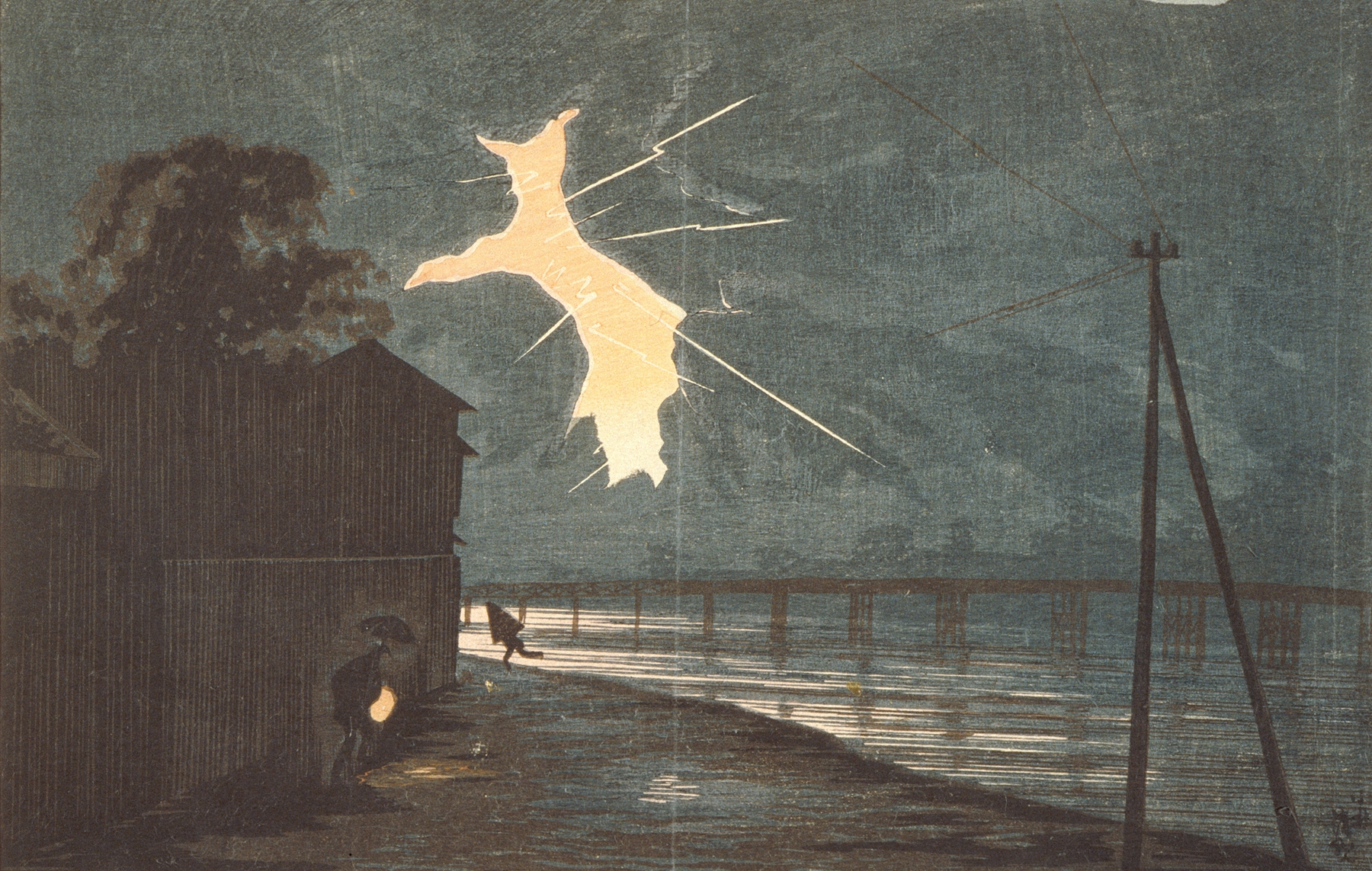
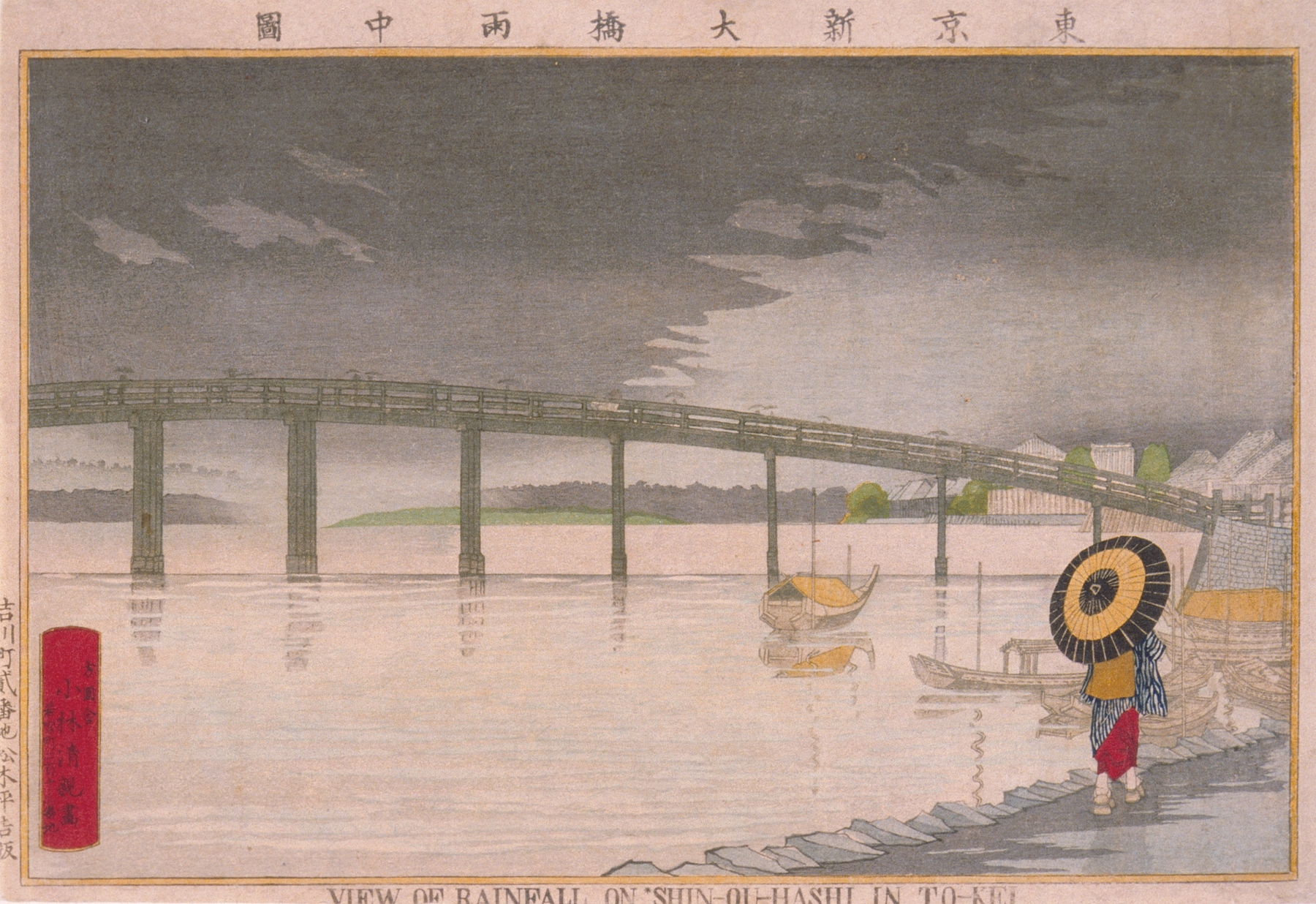
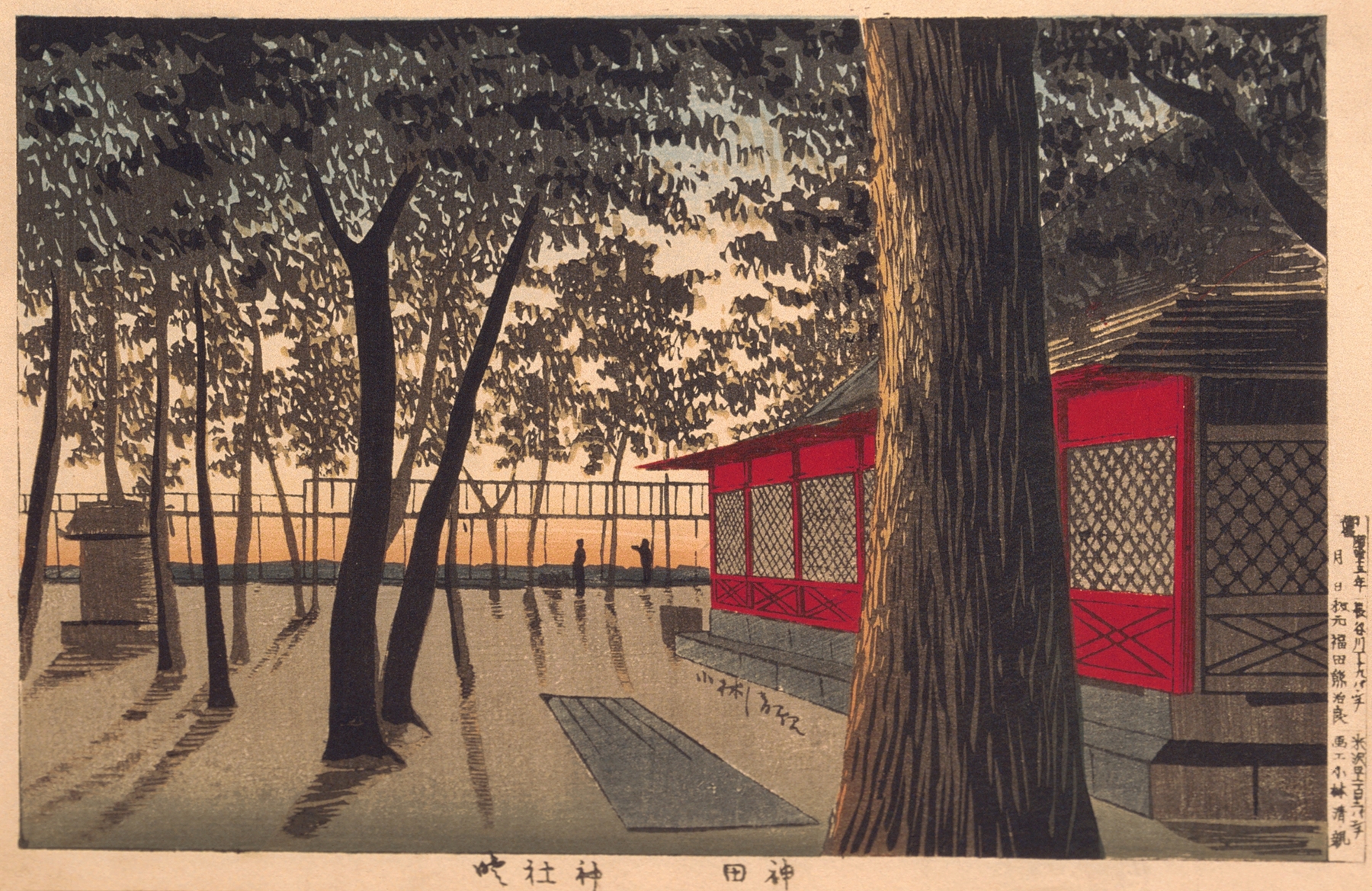
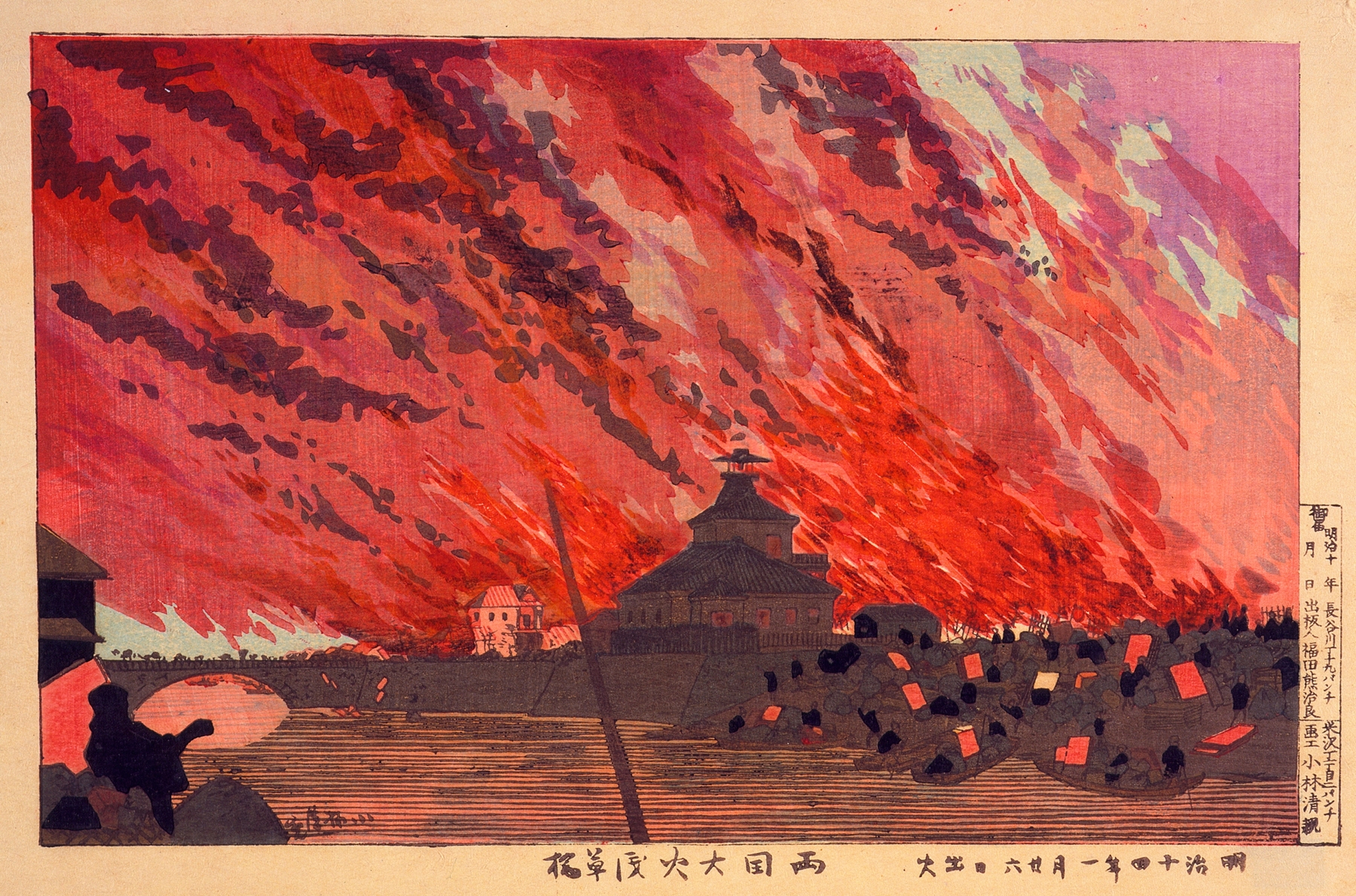
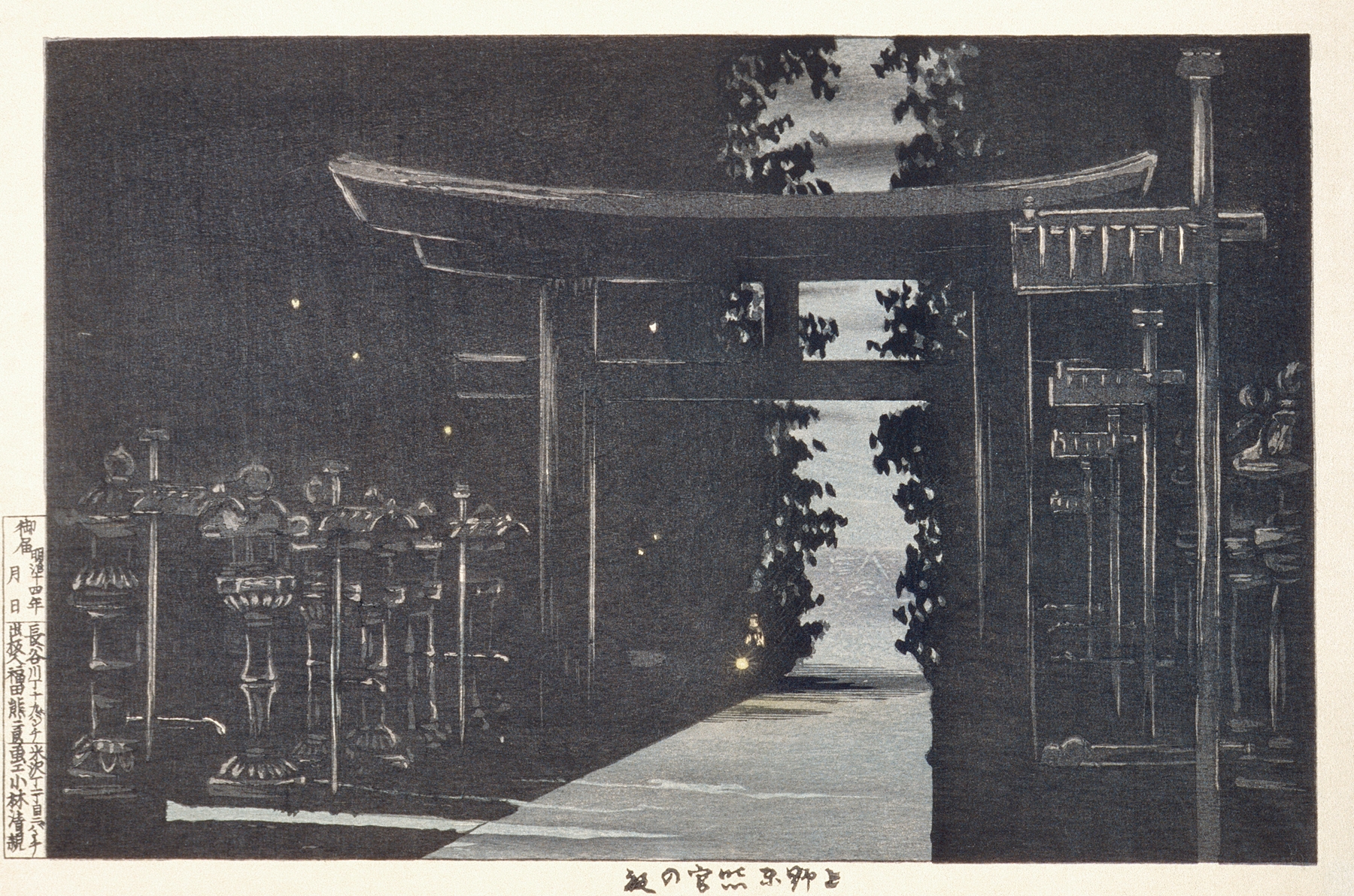
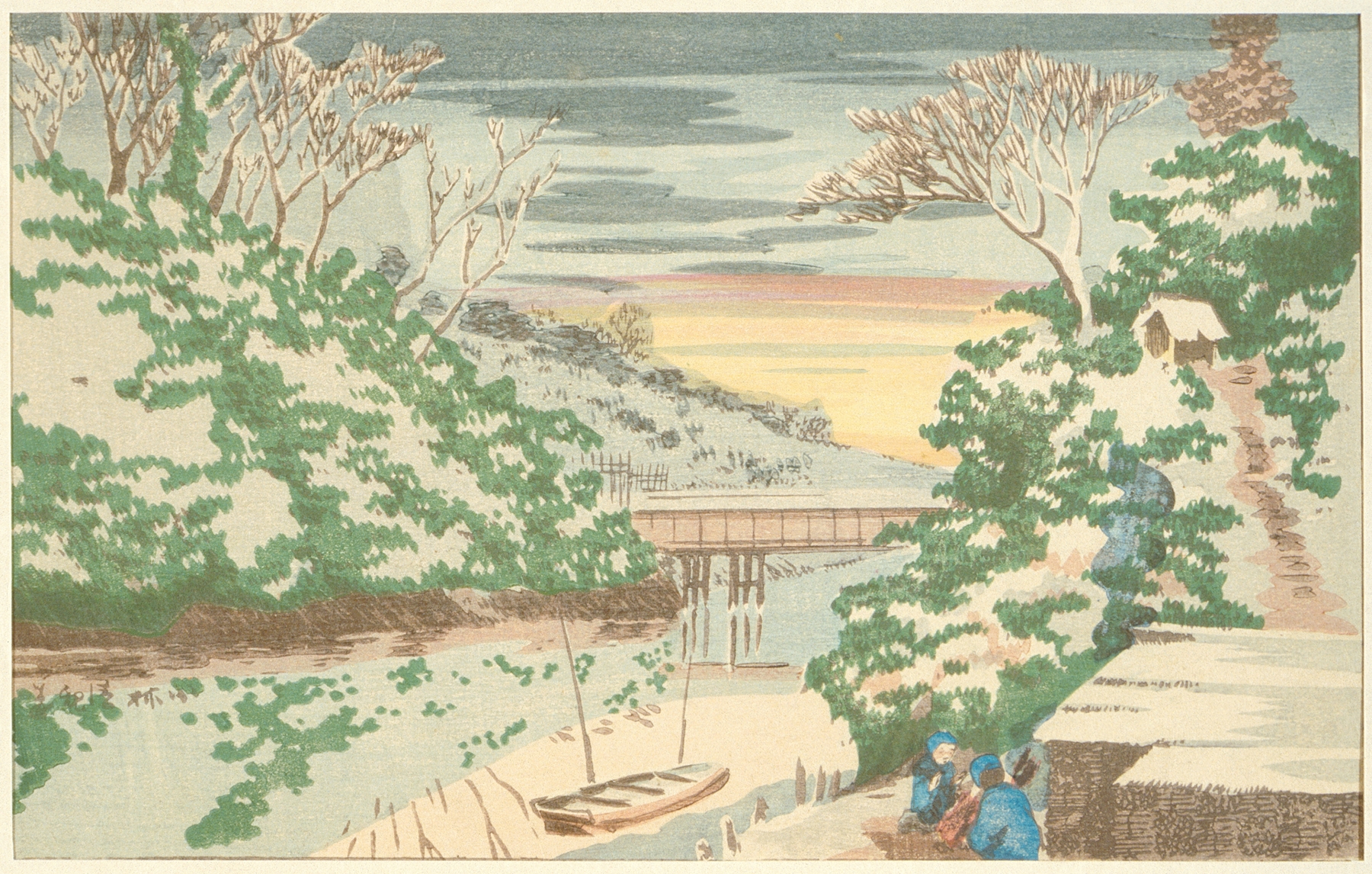
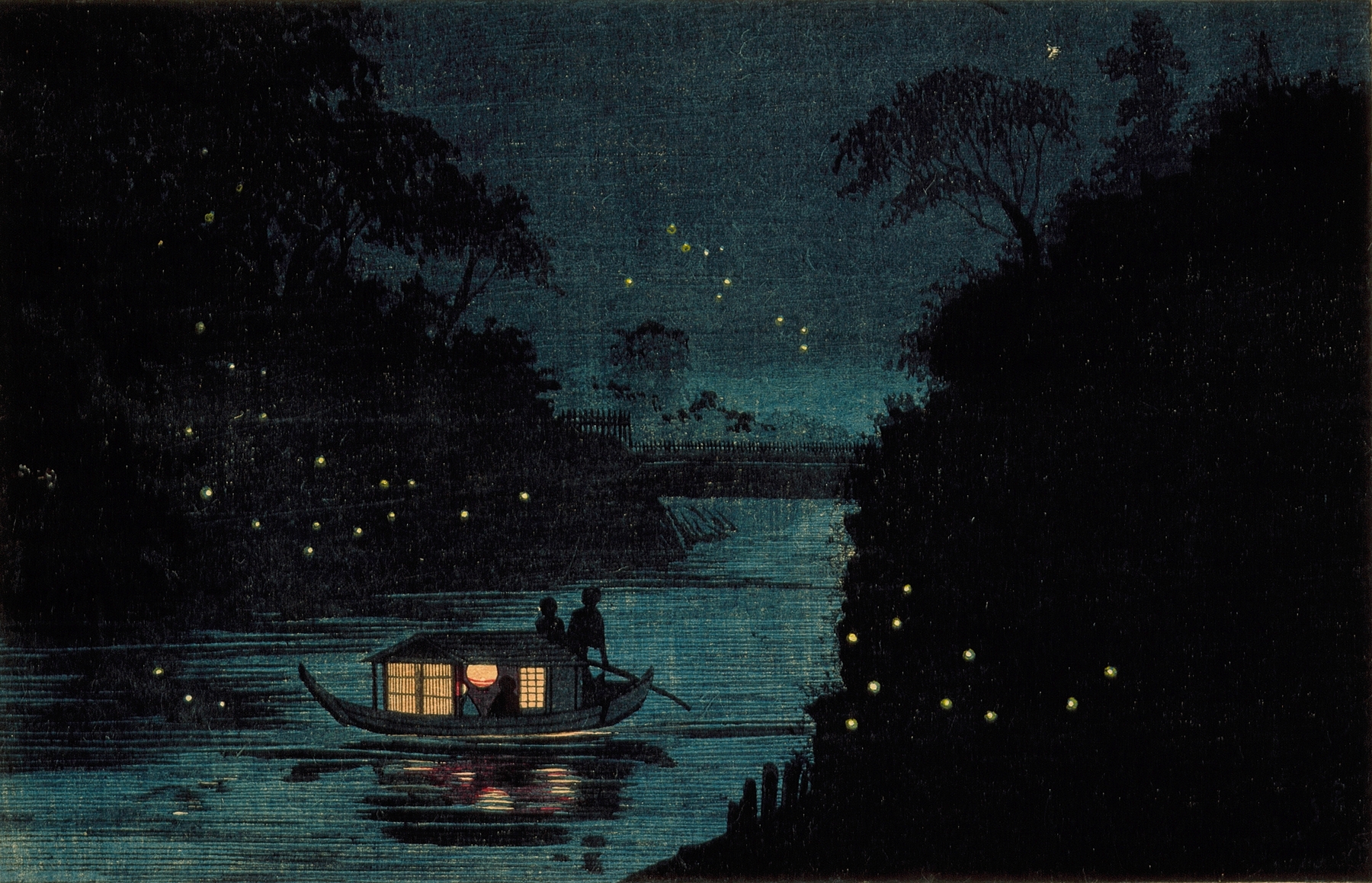
“To paint is to remember what time wants us to forget.” In the gentle embrace of twilight, the ordinary becomes extraordinary, and the divine flickers just beyond the tangible. Each brushstroke serves as a bridge, connecting the ephemeral to the eternal, inviting us to pause and reflect on a moment often overshadowed by the relentless passage of time. Focus on the horizon, where the delicate silhouettes of the buildings rise against a gradient sky, transitioning from shimmering gold to deep indigo. The scenic landscape is framed by the serene presence of the Motoyanagi Bridge, drawing the viewer’s gaze into the heart of the city.
Notice how the artist’s use of color breathes life into the scene, with soft hues that mirror the stillness of dusk while vibrant accents hint at the bustling life below, a reminder of both the chaos and beauty of existence. Beneath the serene surface lies a contrast between the sacred and the mundane. The tranquility of the bridge stands in stark contrast to the lively, human world beyond it, suggesting a divine oversight that watches over the lives unfolding below. Subtle details, such as the gentle ripples in the water and the soft glow of lanterns, evoke a sense of nostalgia while hinting at the fleeting nature of time.
The painting serves as a reminder that in every corner of life, divinity can be found among the ordinary. In 1879, during the Meiji era, Kiyochika painted this piece while observing the rapid transformation of Japan as it opened up to the West. Living in Tokyo, he was influenced by the dramatic changes in urban landscapes and the fusion of tradition with modernity. This work captures not only a literal view of Ryōgoku but also embodies the complex cultural evolution occurring in Japan at the time, marking a moment where art served as a bridge between past and future.