Dover — History & Analysis
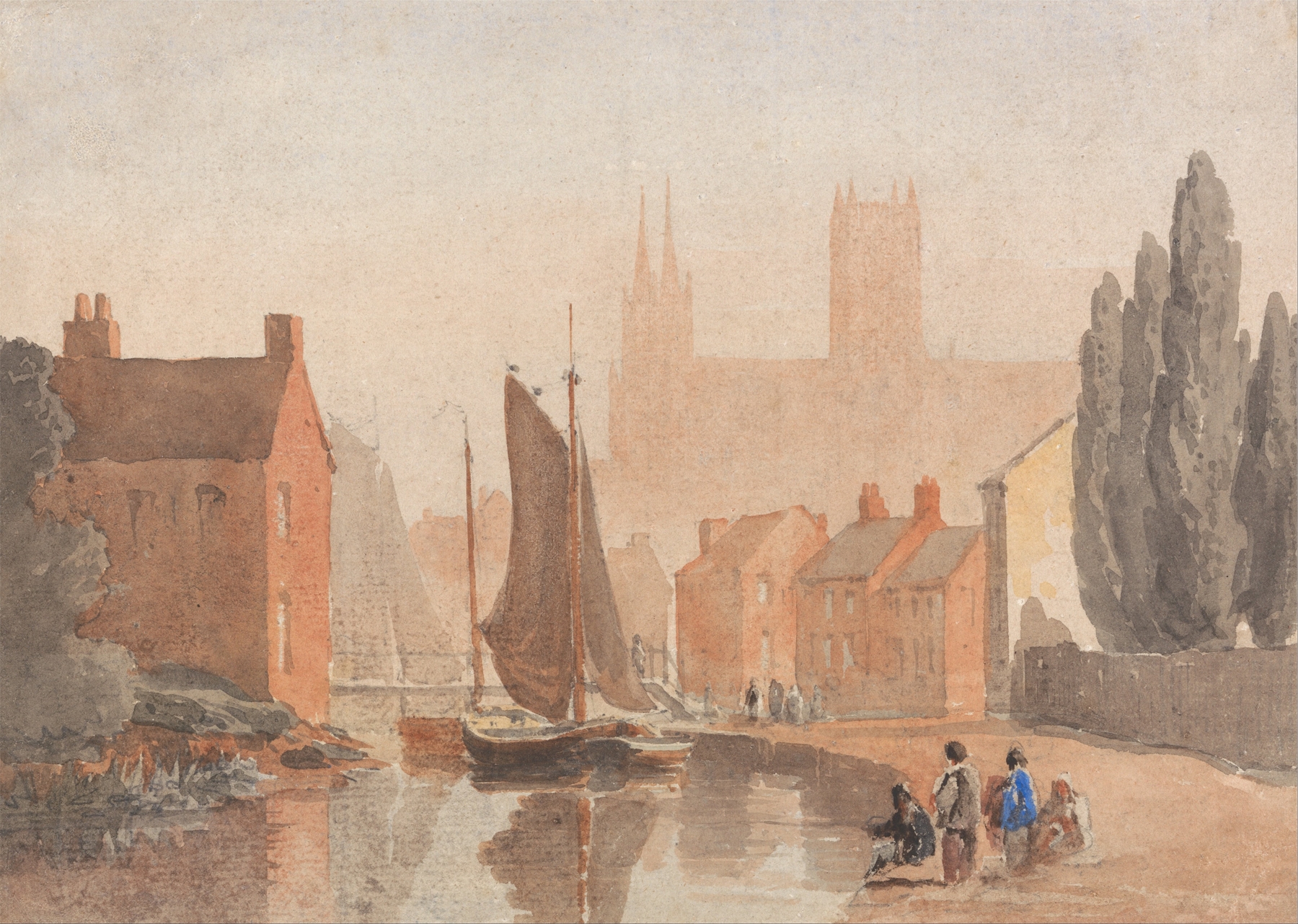
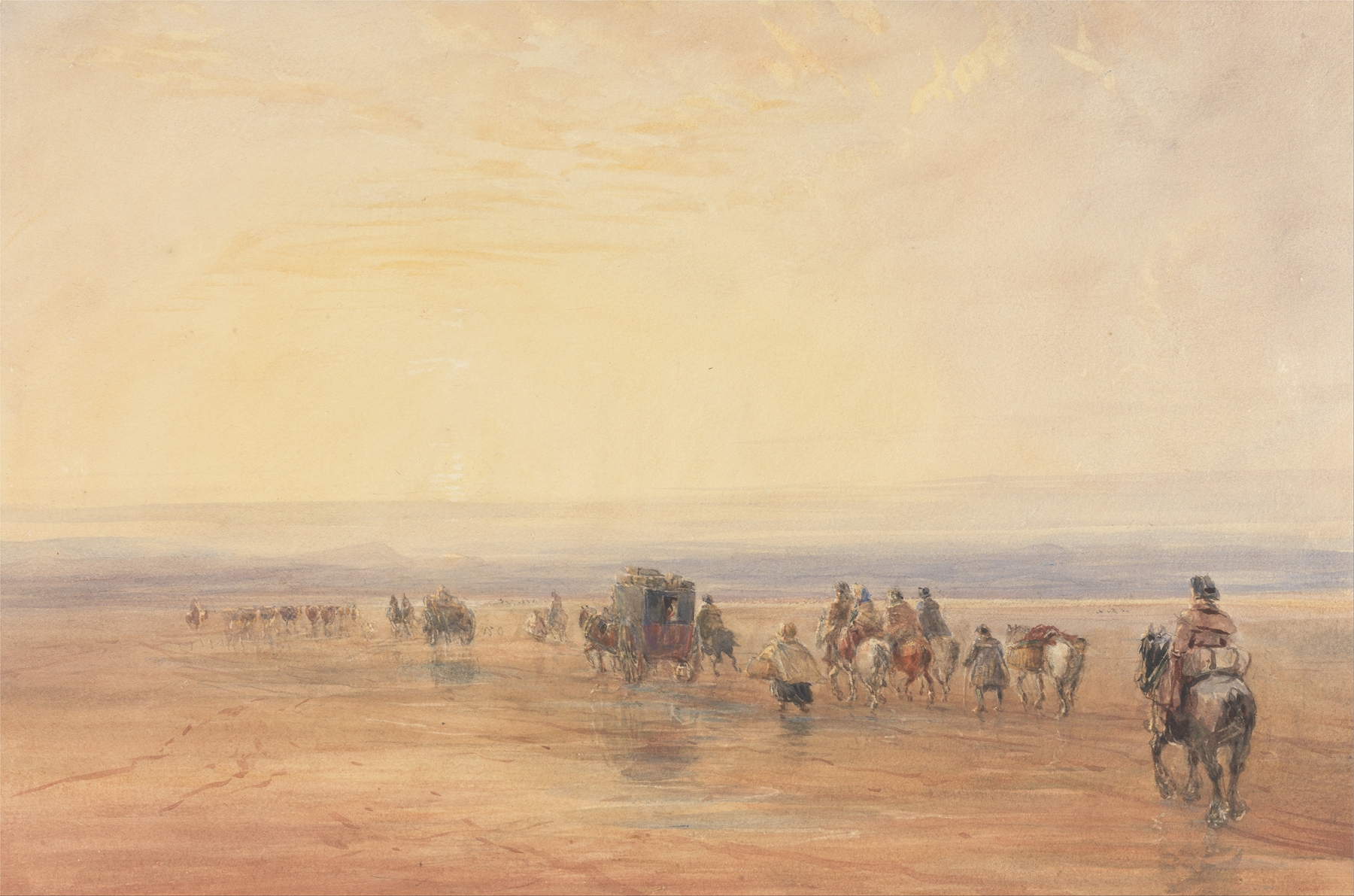
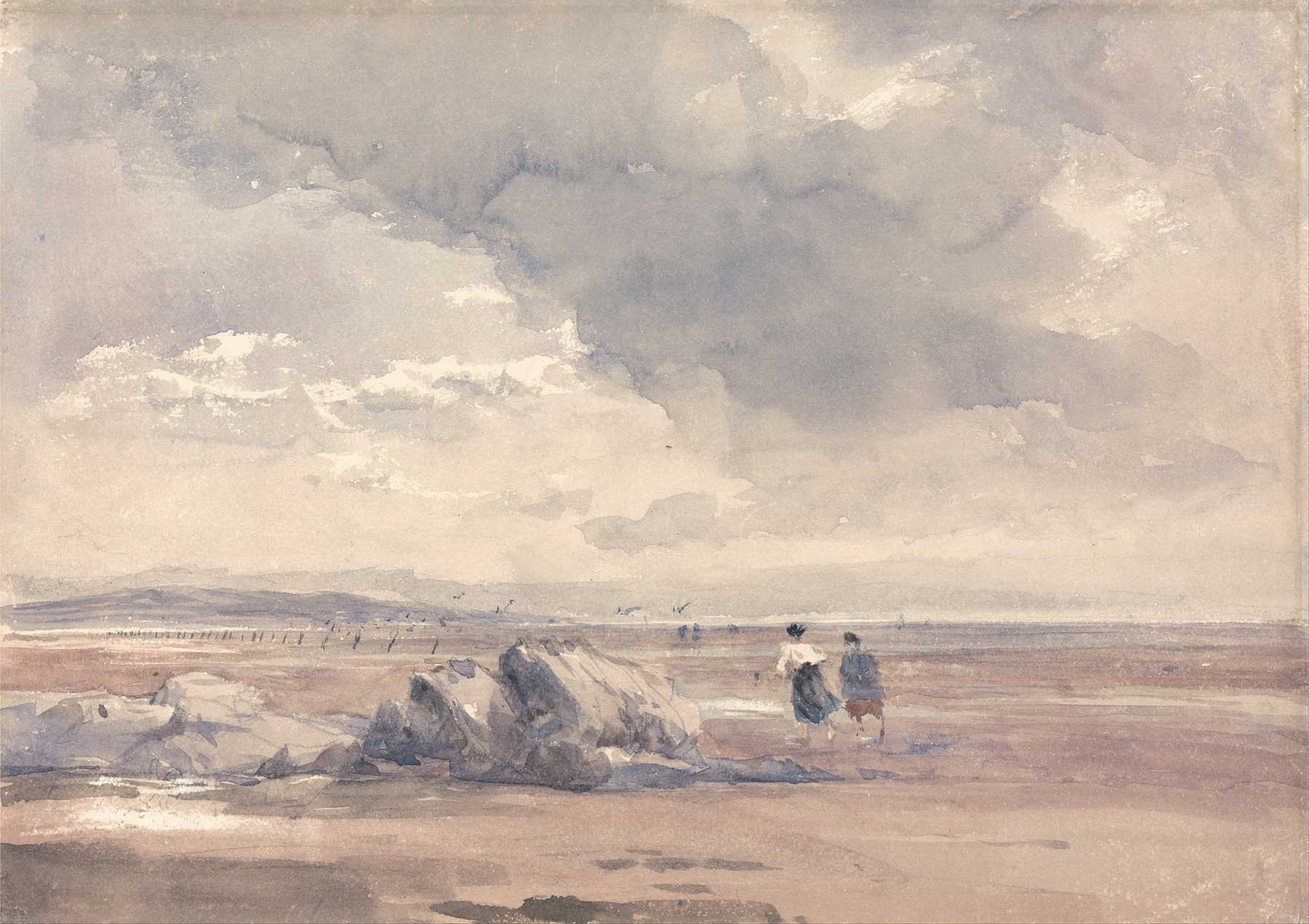
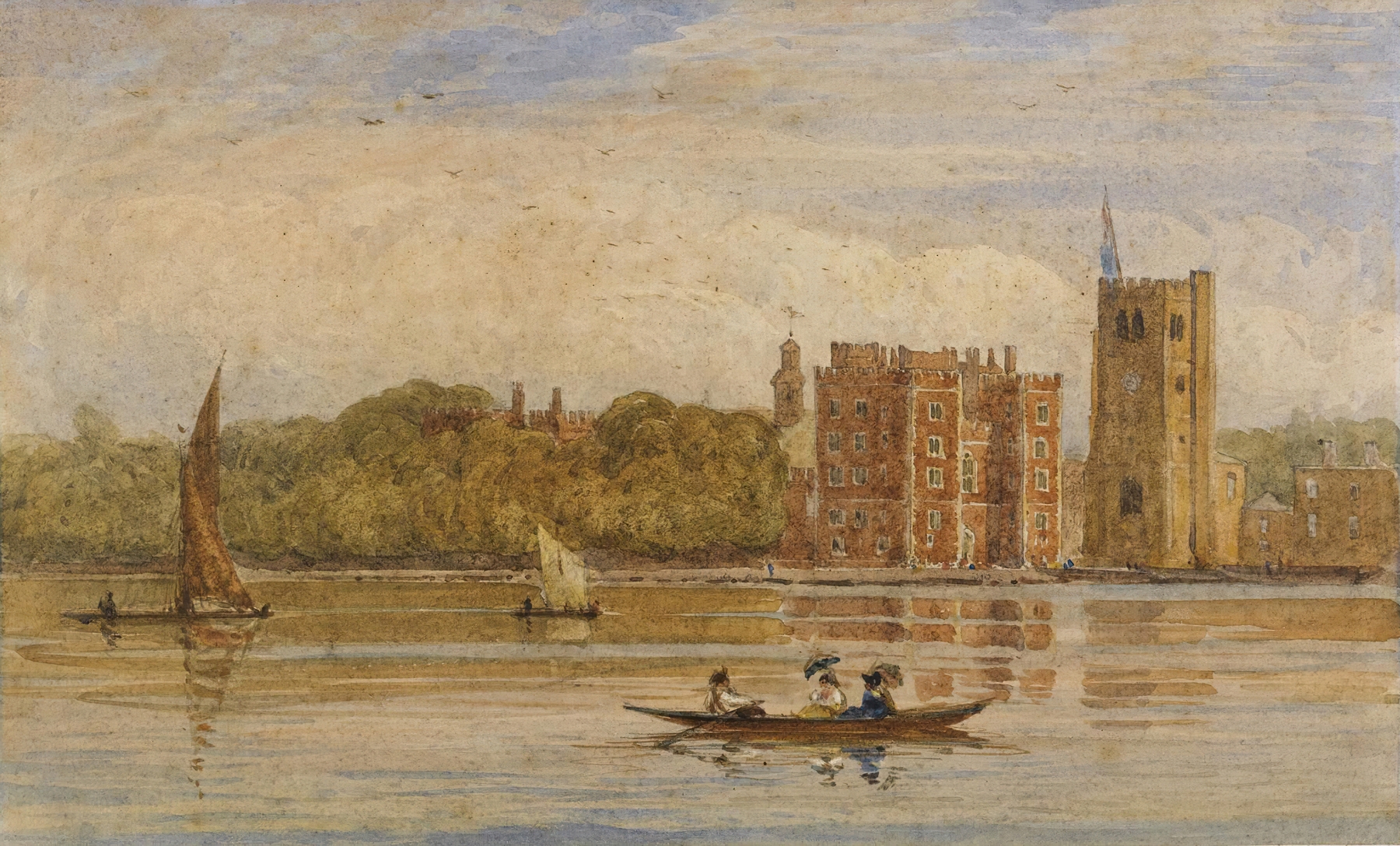
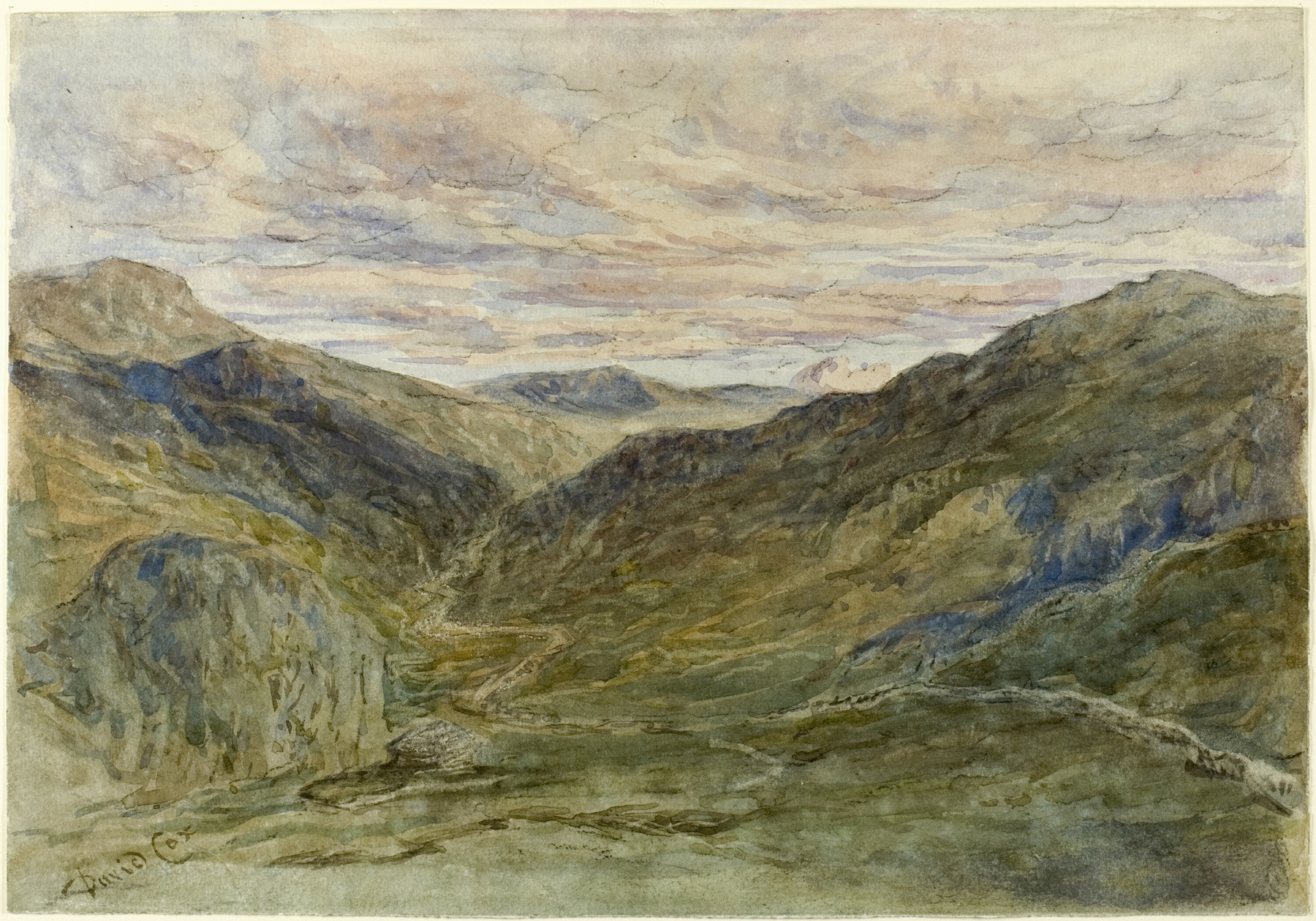
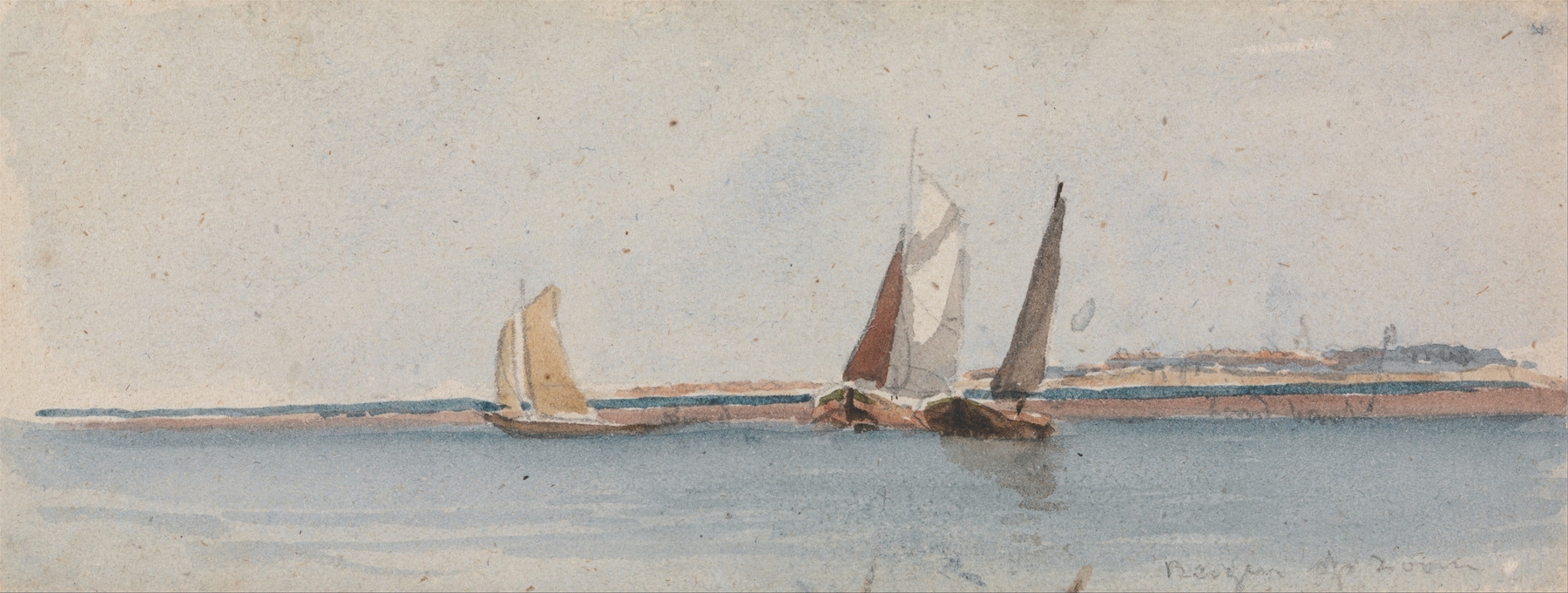
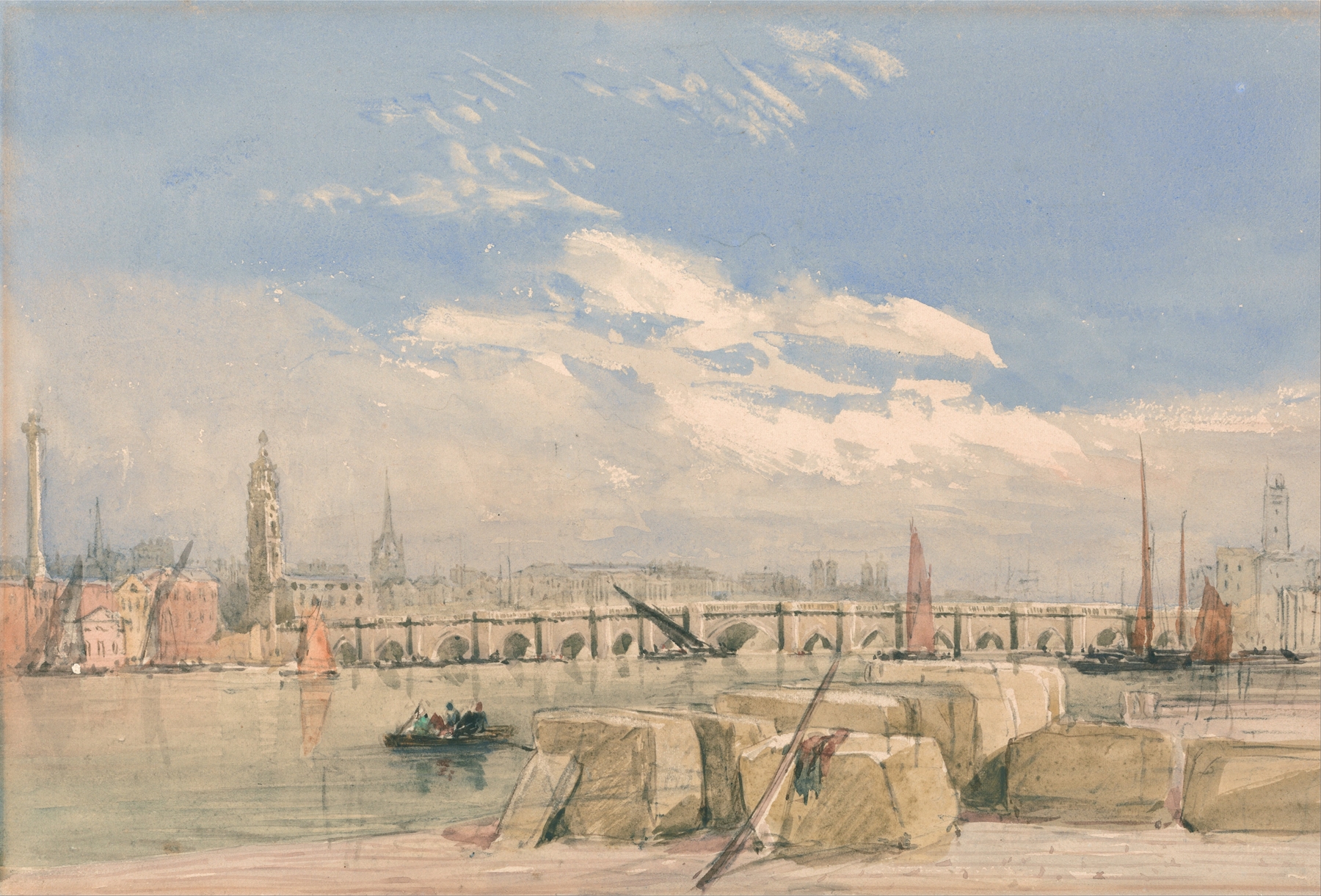
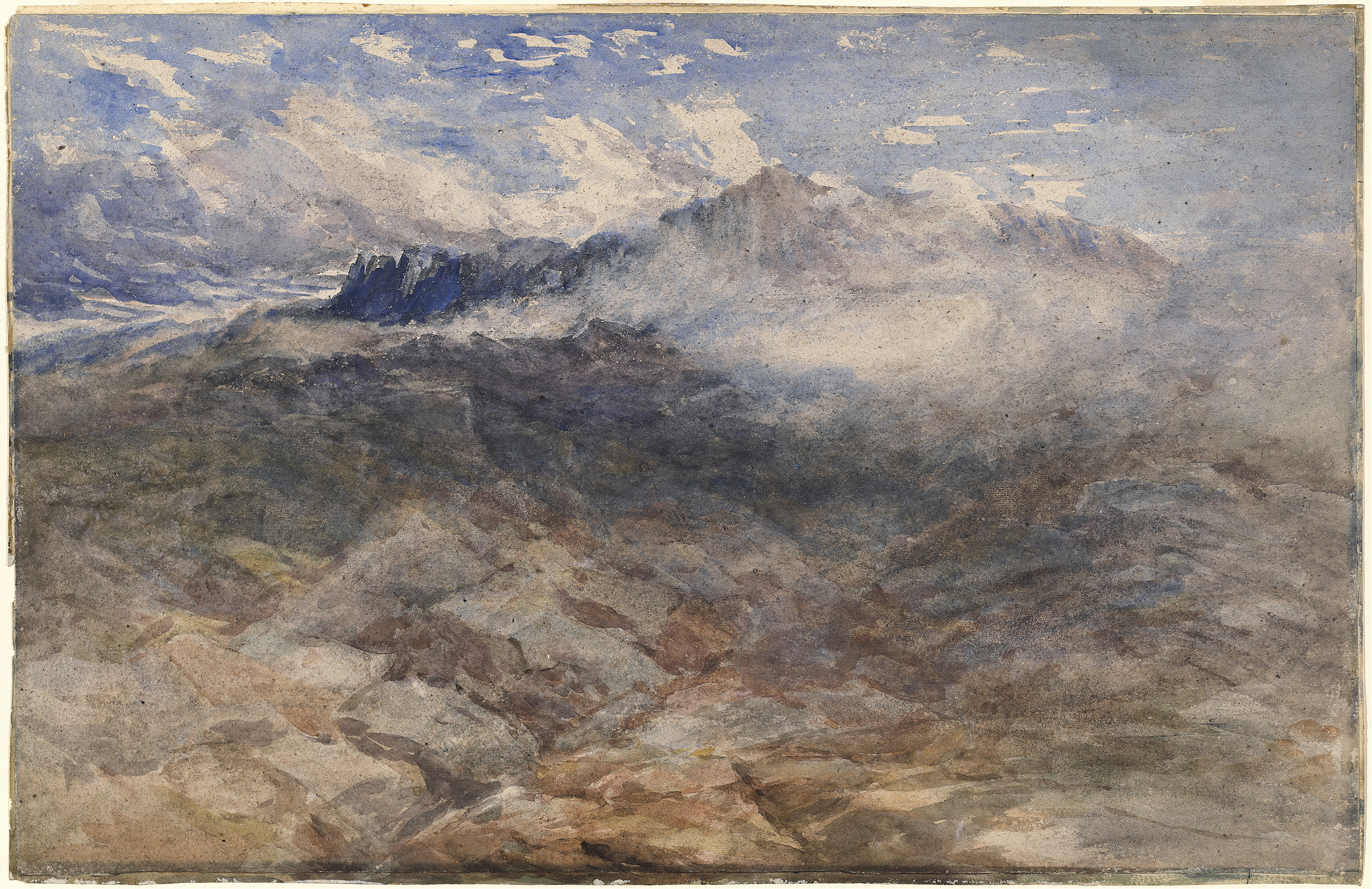
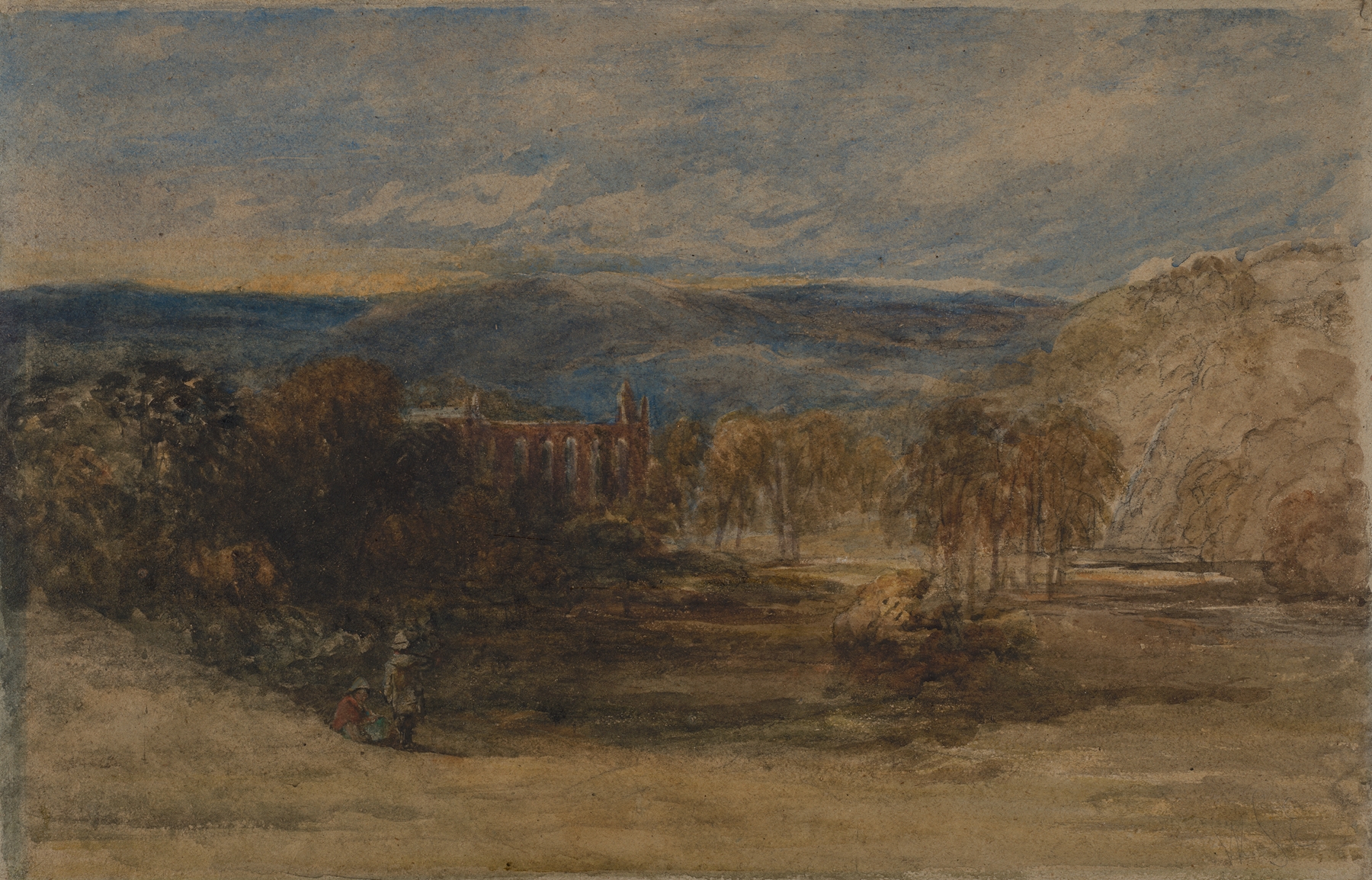
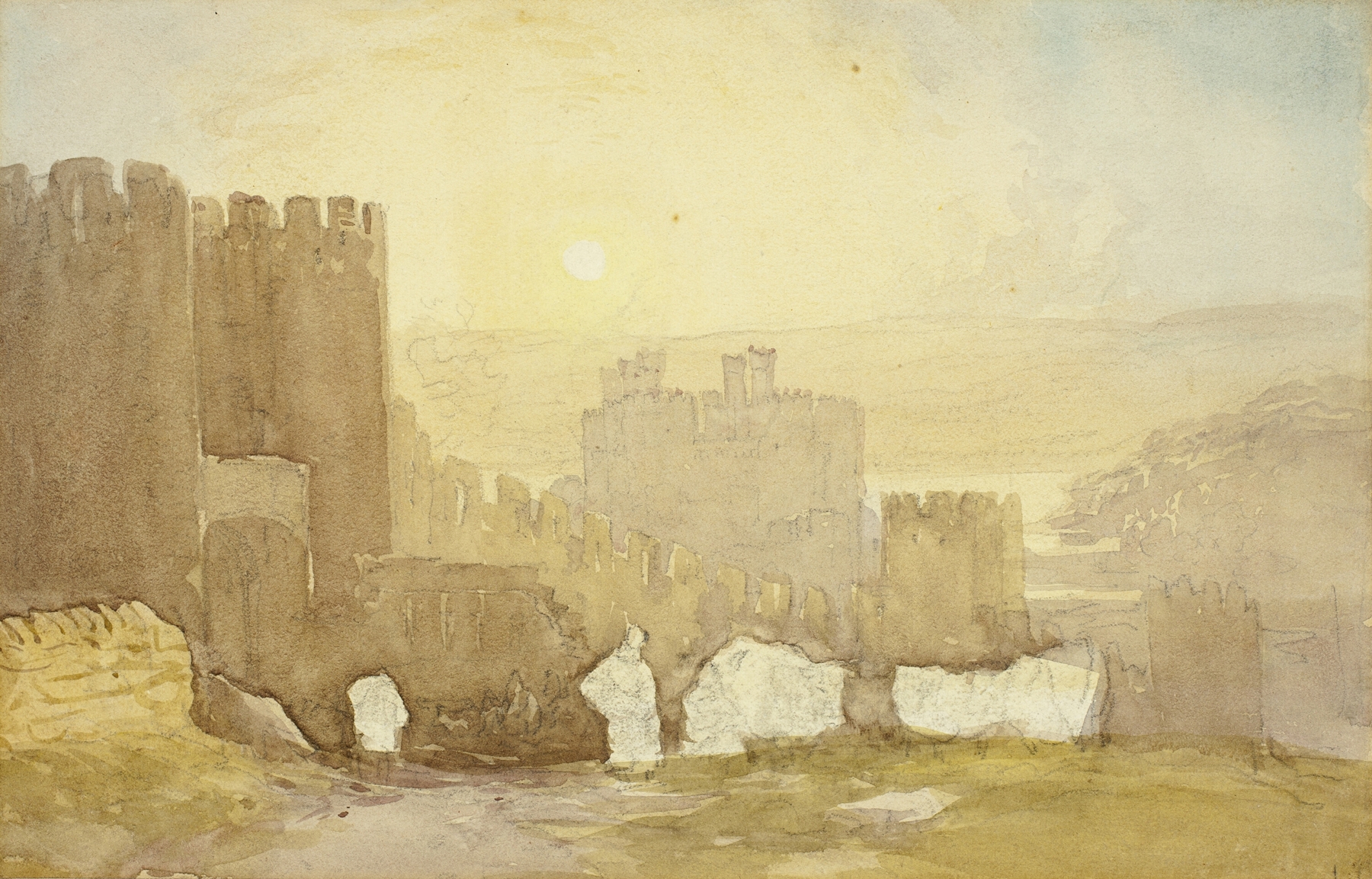
“Between color and silence, truth hides.” It is in this delicate interplay that we often find awe—an emotion that lingers in the spaces where nature and artistry converge. Look to the horizon, where soft hues of blue and gray meld seamlessly. The gentle brushstrokes convey a sense of tranquility, capturing the fleeting moment when day surrenders to night. Notice how the light dances subtly across the water, reflecting Cox's mastery of color.
The composition balances the earth and sky, inviting the viewer's gaze to wander and discover the hidden beauty within, like whispers of a forgotten conversation. The painting evokes a profound contrast between the vibrant coastal cliffs and the serene, almost melancholic sea. Each stroke tells a story of nature’s grandeur and fragility, forcing us to confront our own insignificance against such vastness. The ethereal quality of the scene hints at a deeper narrative, where awe transforms into introspection—an invitation to reflect on our relationship with the environment and the transient moments that shape our lives.
Created during a period of exploration in the early 19th century, the artist settled in England, where he developed his unique approach to landscape painting. It was a time when the Romantic movement was flourishing, emphasizing emotion and the sublime in nature. In this context, Dover exemplifies Cox's ability to capture not just a moment, but an entire atmosphere, resonating with the artist's personal growth and the evolving art world around him.