End of Winter — History & Analysis
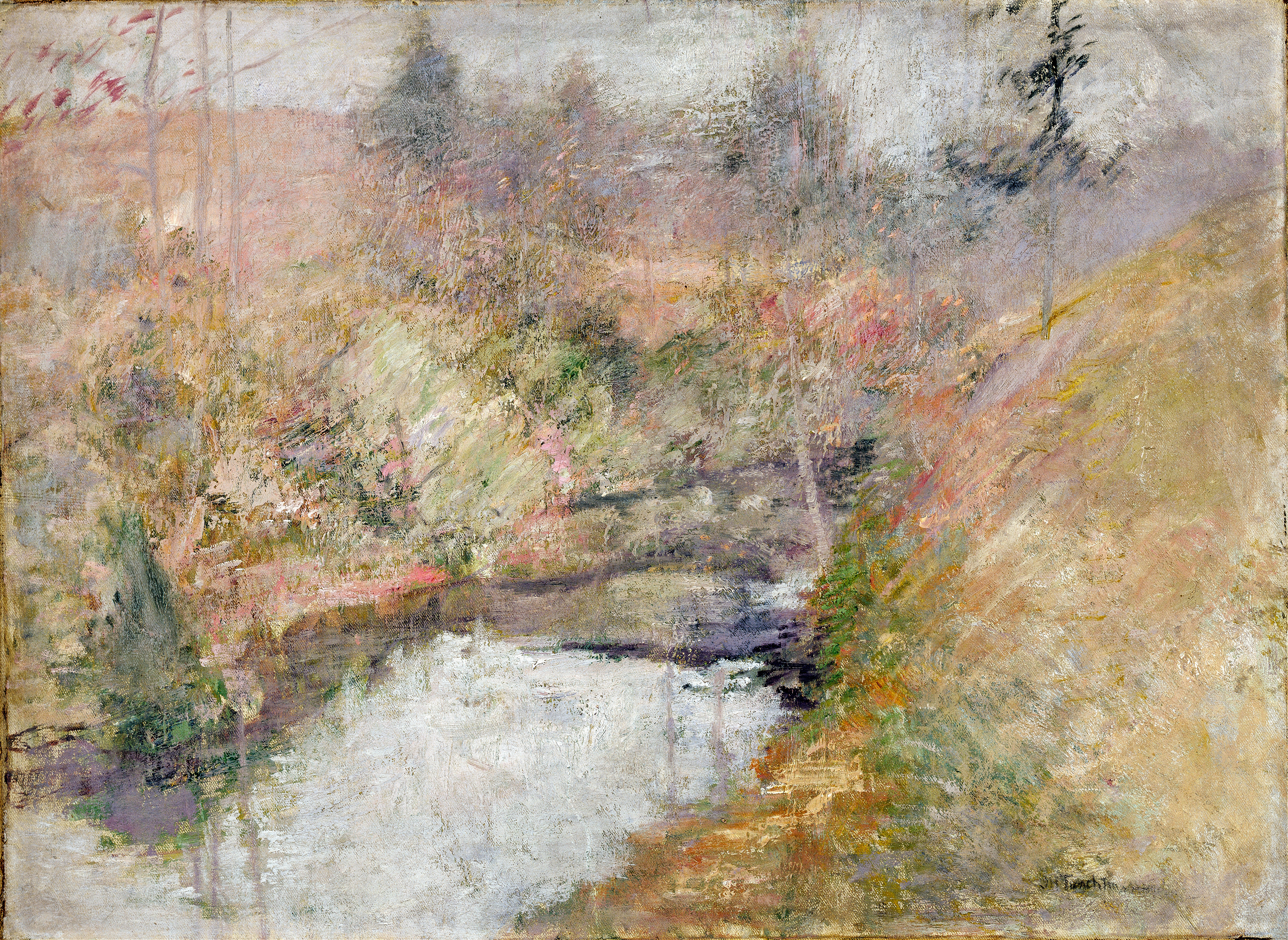
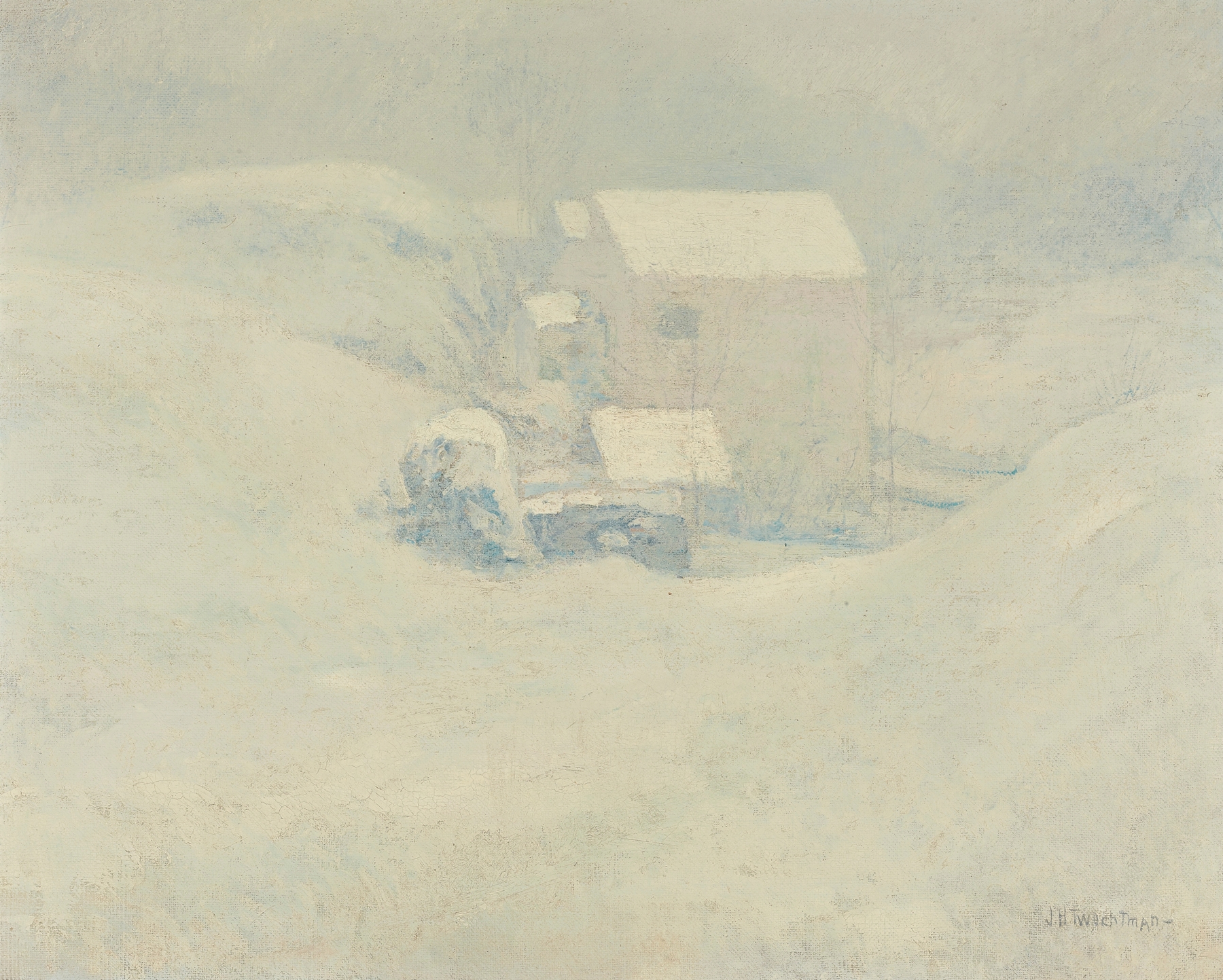
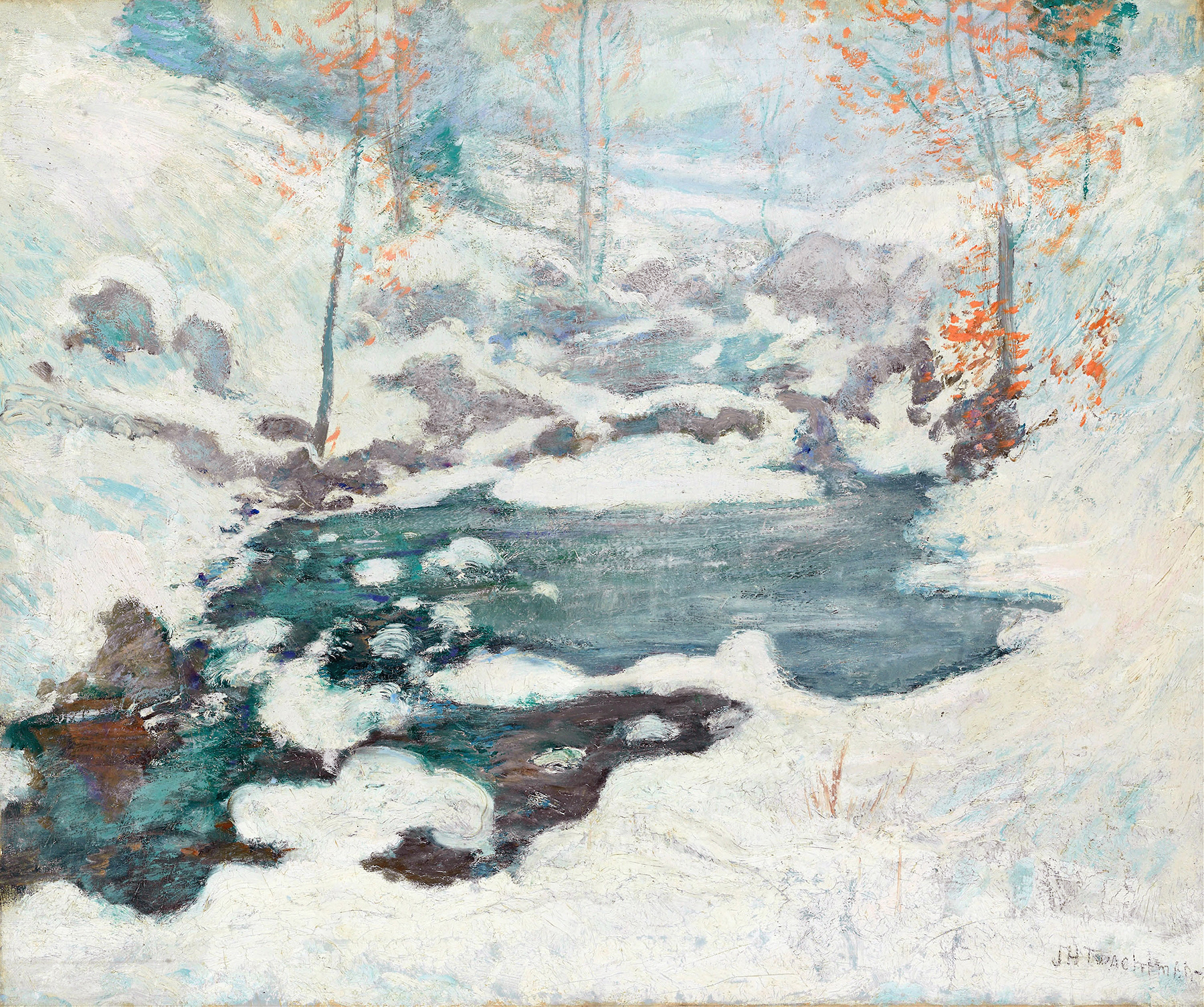
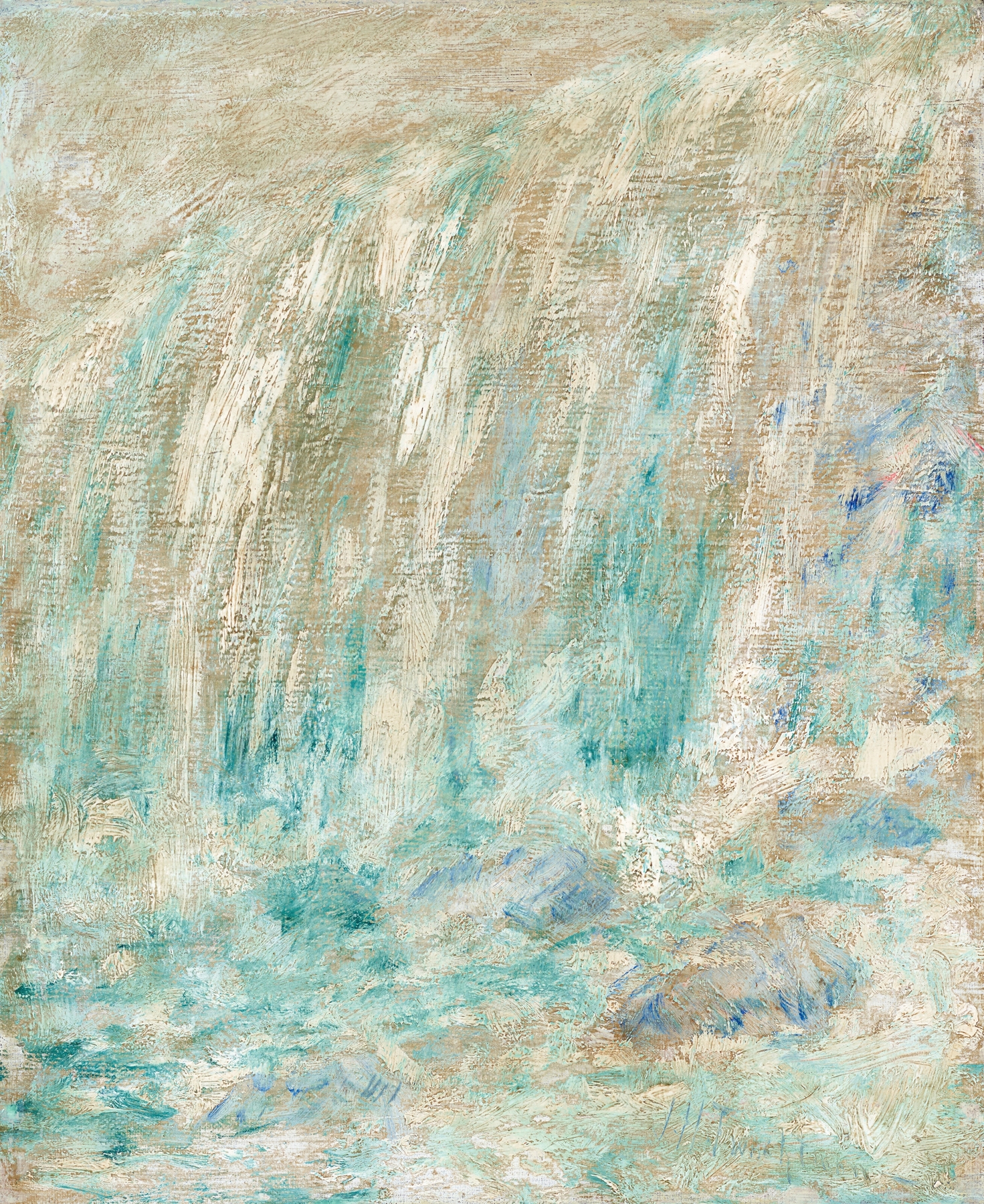
“To paint is to remember what time wants us to forget.” In the stillness of early spring, a longing for the warmth of brighter days permeates the air, as remnants of winter slowly fade. The landscape, clad in soft grays and muted blues, evokes a profound yearning, capturing both the beauty and melancholy of transition. Look to the foreground, where delicate patches of snow linger beneath draping trees. Notice how the artist expertly employs a palette of soft pastels, blending shades of white and blue to create an ethereal quality. The gentle brushstrokes invite the eye to wander, tracing the outlines of stark branches reaching skyward, mingling with the hints of budding life emerging from the earth.
This interplay of color and texture breathes life into a landscape poised between seasons. Delve deeper into the painting's subtleties, where contrasts unfold: the stark chill of winter grapples with the promise of spring's embrace. Shadows linger in the crevices, whispering of memories that cling to the frost. The juxtaposition of barren trees against the distant, hopeful hints of green reflects an inner tension—an unfulfilled desire for warmth and renewal that resonates within us all.
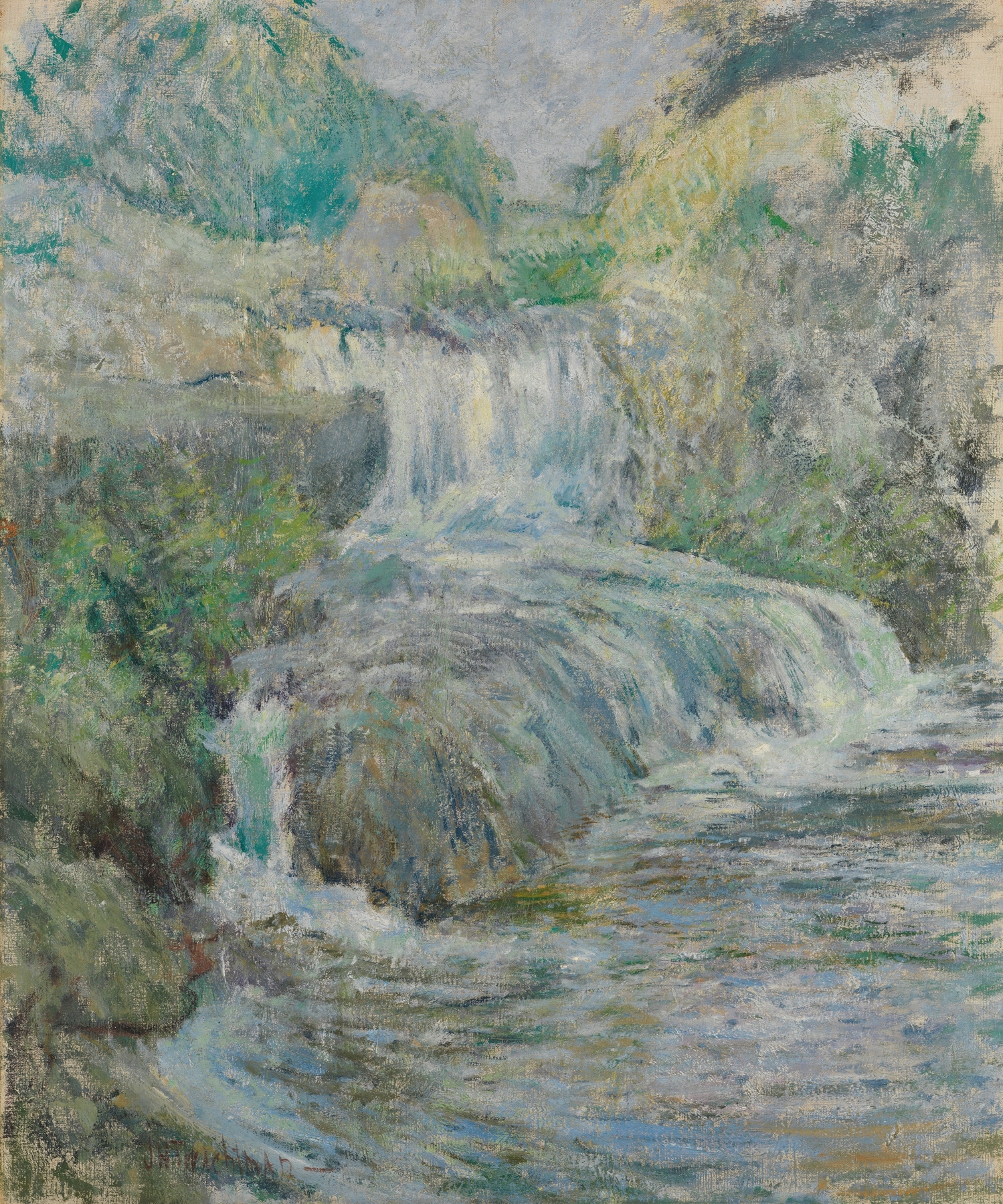
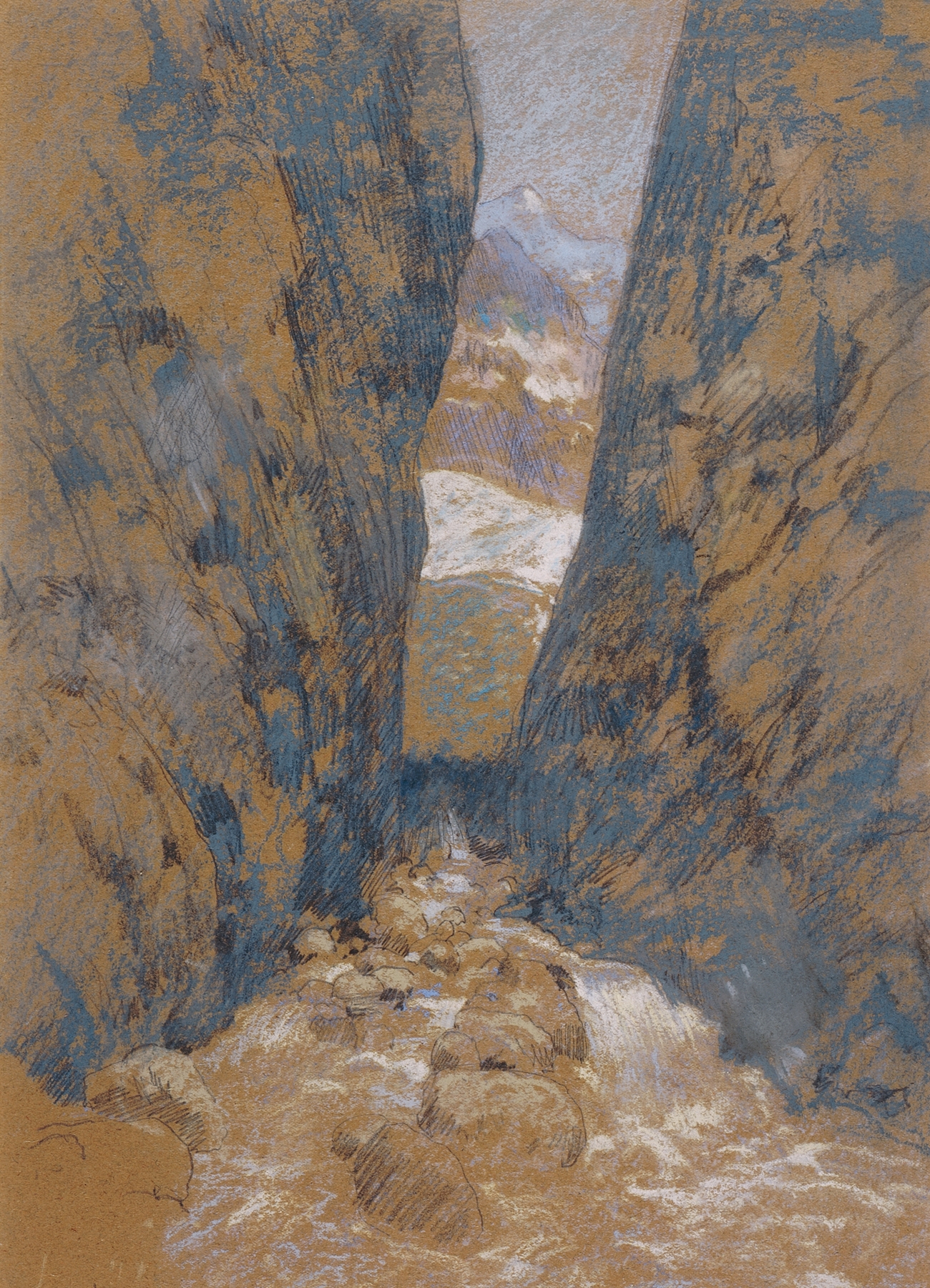
Each brushstroke tells a story of anticipation and nostalgia, creating an emotional landscape rich in meaning. Twachtman created this work in a period when he was deeply influenced by Impressionism, shortly after moving to Cos Cob, Connecticut, in the late 1880s. His surroundings became a source of inspiration, capturing both light and atmosphere. The late 19th century was marked by a growing focus on plein air painting, and Twachtman embraced this movement, seeking to encapsulate the fleeting beauty of nature as it transformed with the seasons.