Englische Berglandschaft — History & Analysis
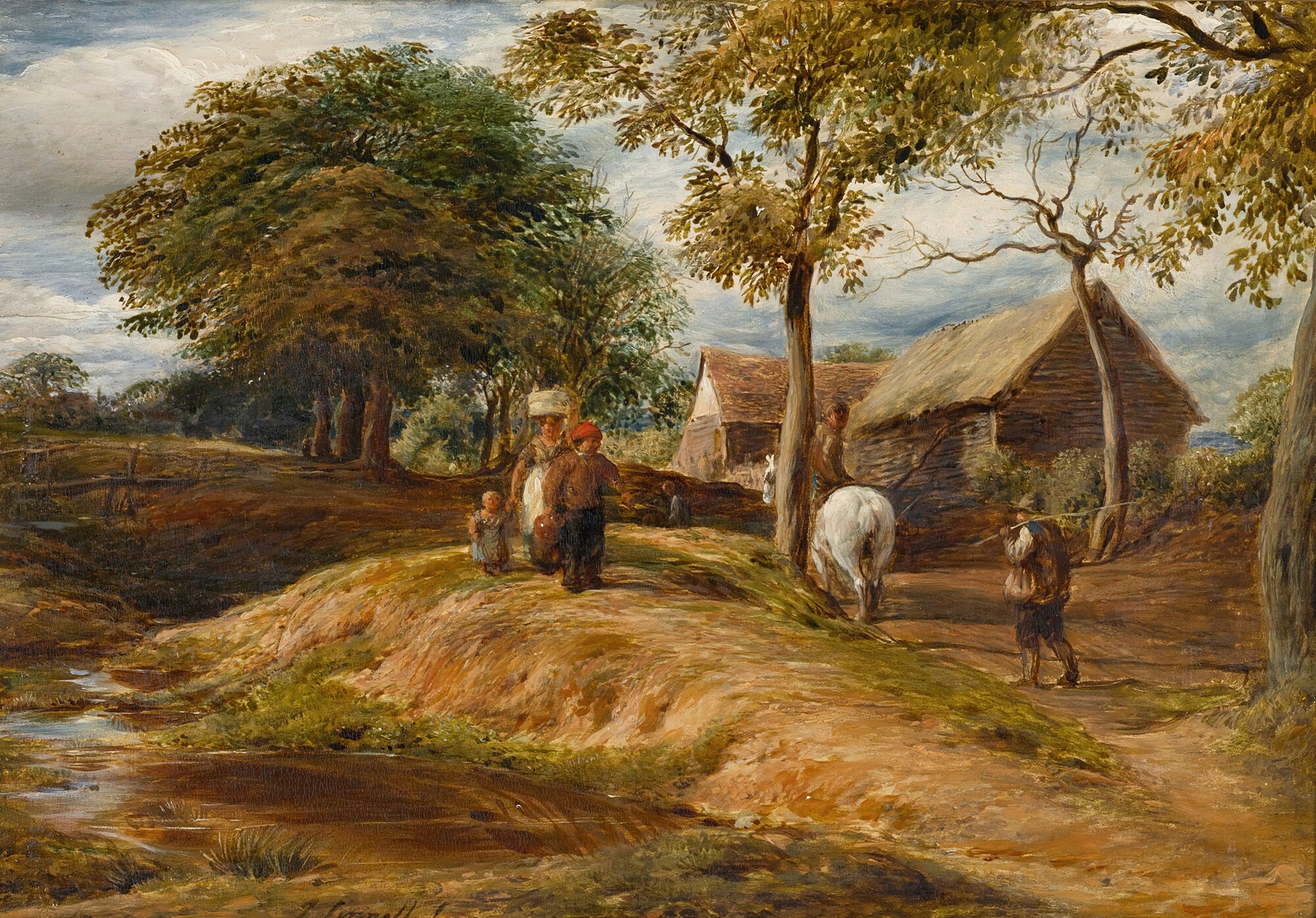
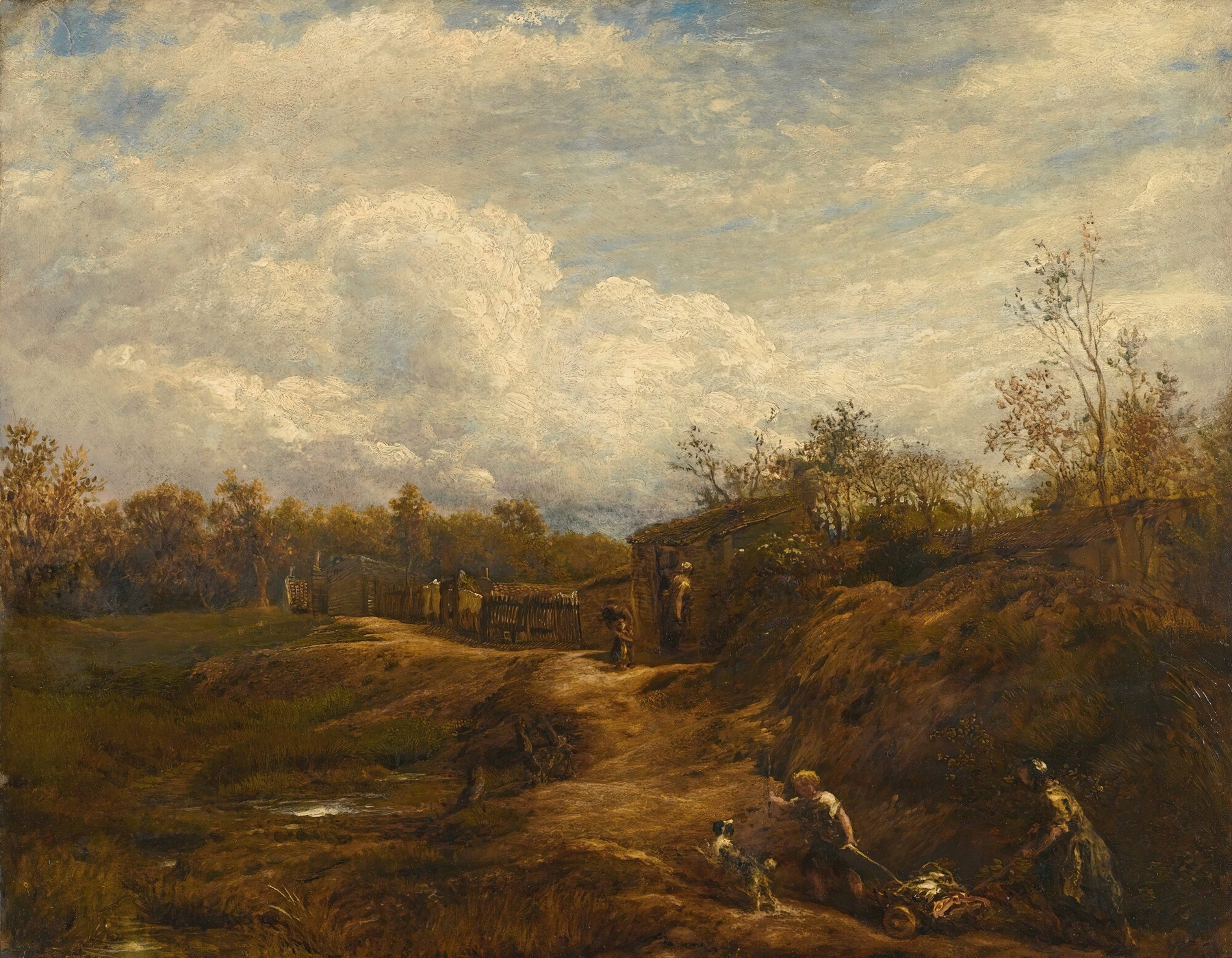
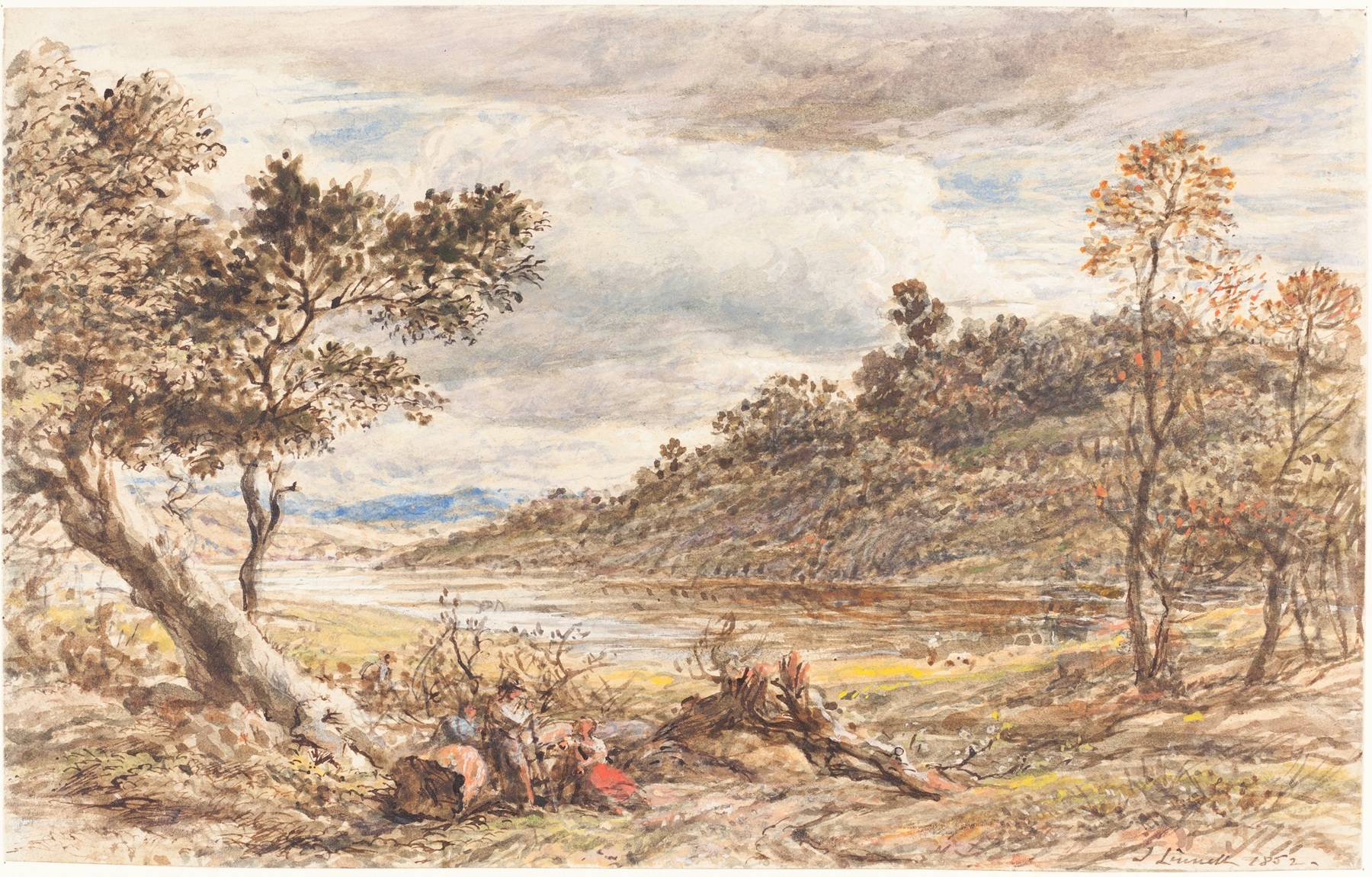
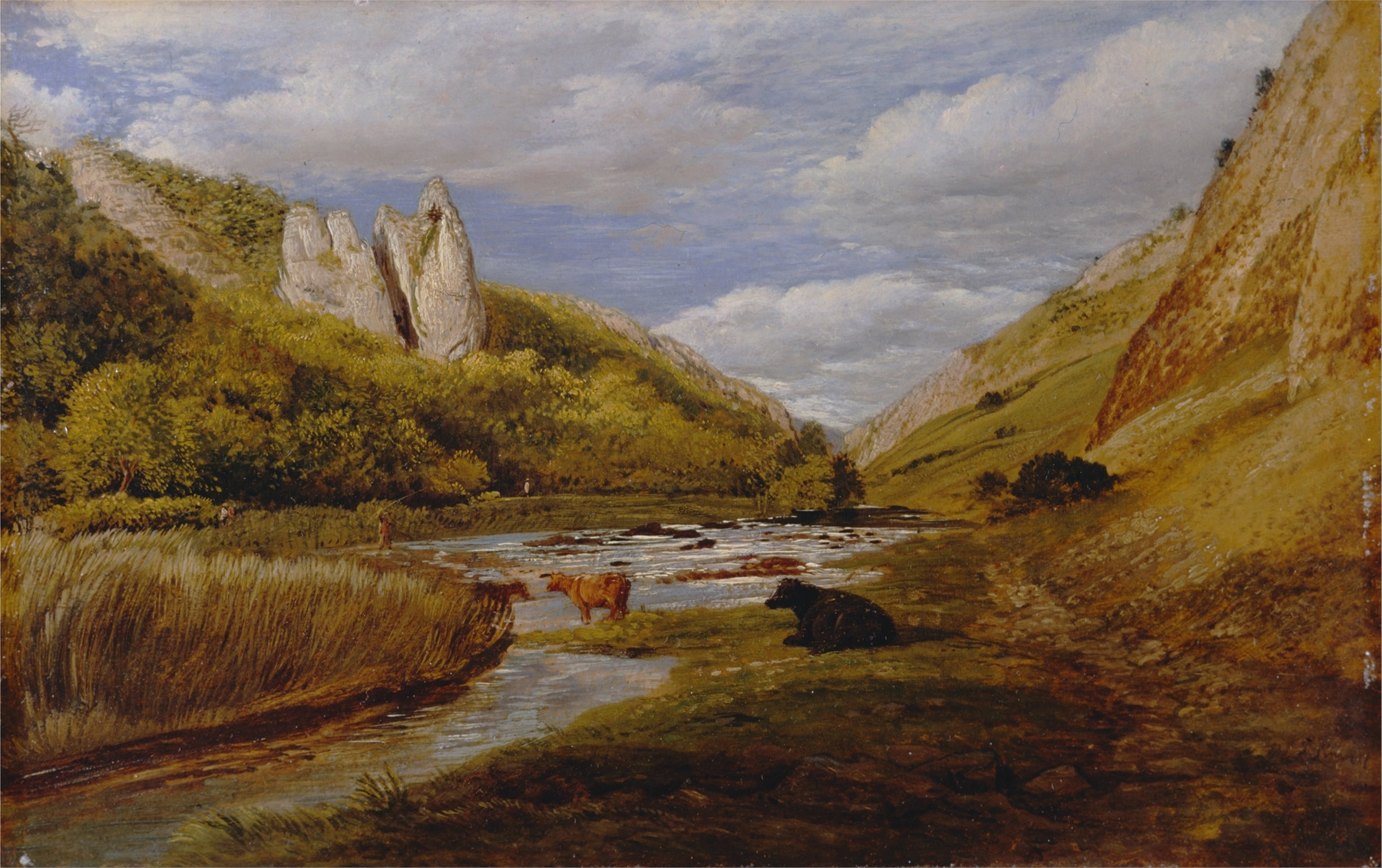
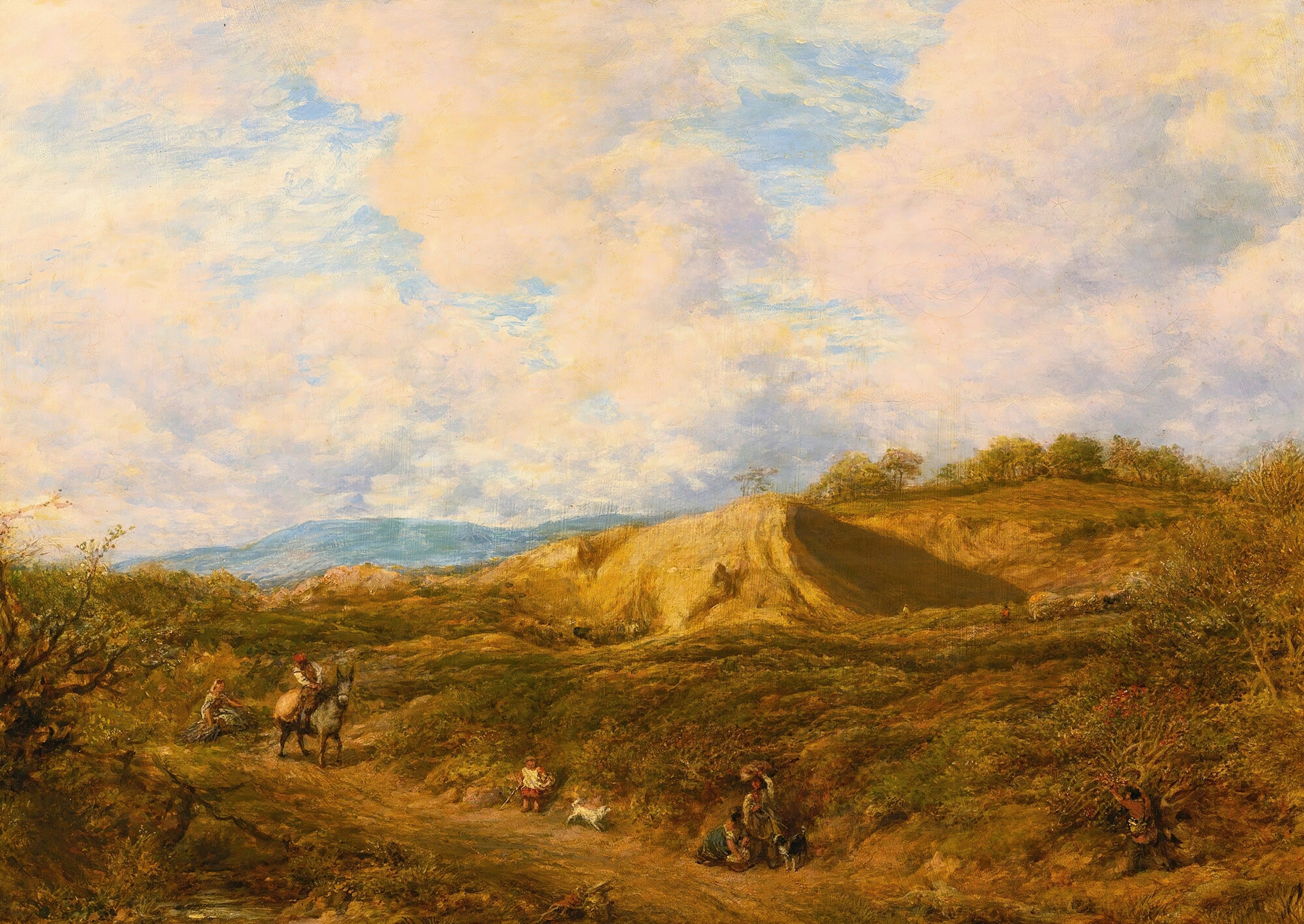
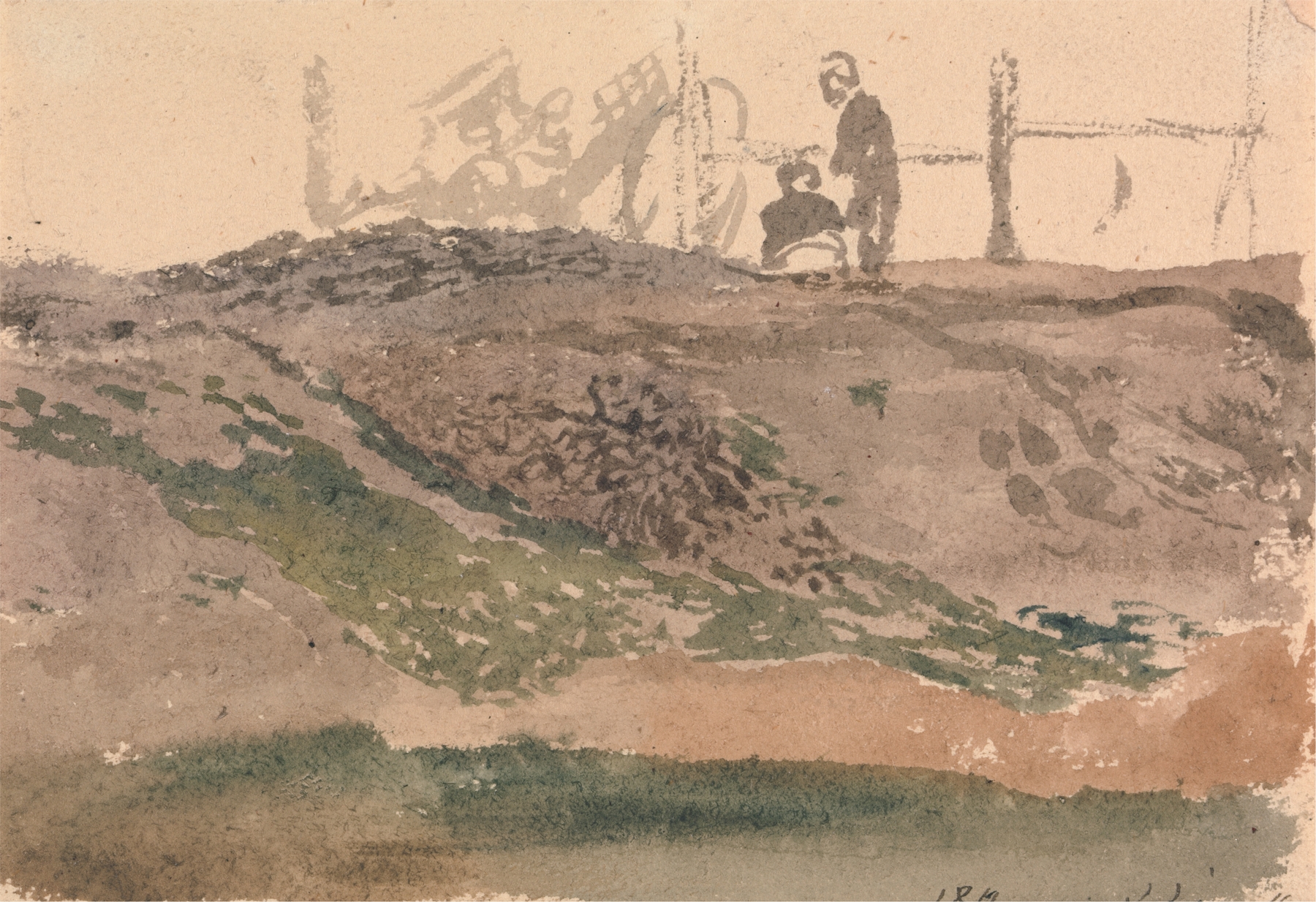
Can paint confess what words never could? In Englische Berglandschaft, a world awakes beneath the gentle brush of nature’s hand, inviting us to witness its serene beauty. Look to the left at the gently rolling hills, their lush greens merging seamlessly with the soft blues of the sky above. The sunlight filters through the clouds, casting a warm glow upon the pastoral scene, while the delicate strokes create a sense of movement in the foliage.
Note how the artist’s meticulous attention to detail draws you in, guiding your eye from the distant mountains to the tranquil stream winding through the landscape, embodying a harmonious balance between light and shadow. This painting captures a moment of pure tranquility, invoking a sense of nostalgia for simpler times. The interplay of light and dark mirrors the complexities of life, where each element harmonizes yet maintains its individuality. The presence of the meandering stream suggests a journey, both literal and metaphorical, inviting reflection on the passage of time and the cycles of nature.
In 1866, John Linnell painted this landscape during a period of personal and artistic introspection. Living in England, he was part of the Romantic movement, which emphasized nature's beauty as a source of inspiration and solace. Amidst the evolution of landscape painting, Linnell emerged as a key figure, merging detailed observation with emotional resonance, echoing the sentiments of his contemporaries while carving his unique path in the world of art.