Entenjagd im Prater — History & Analysis
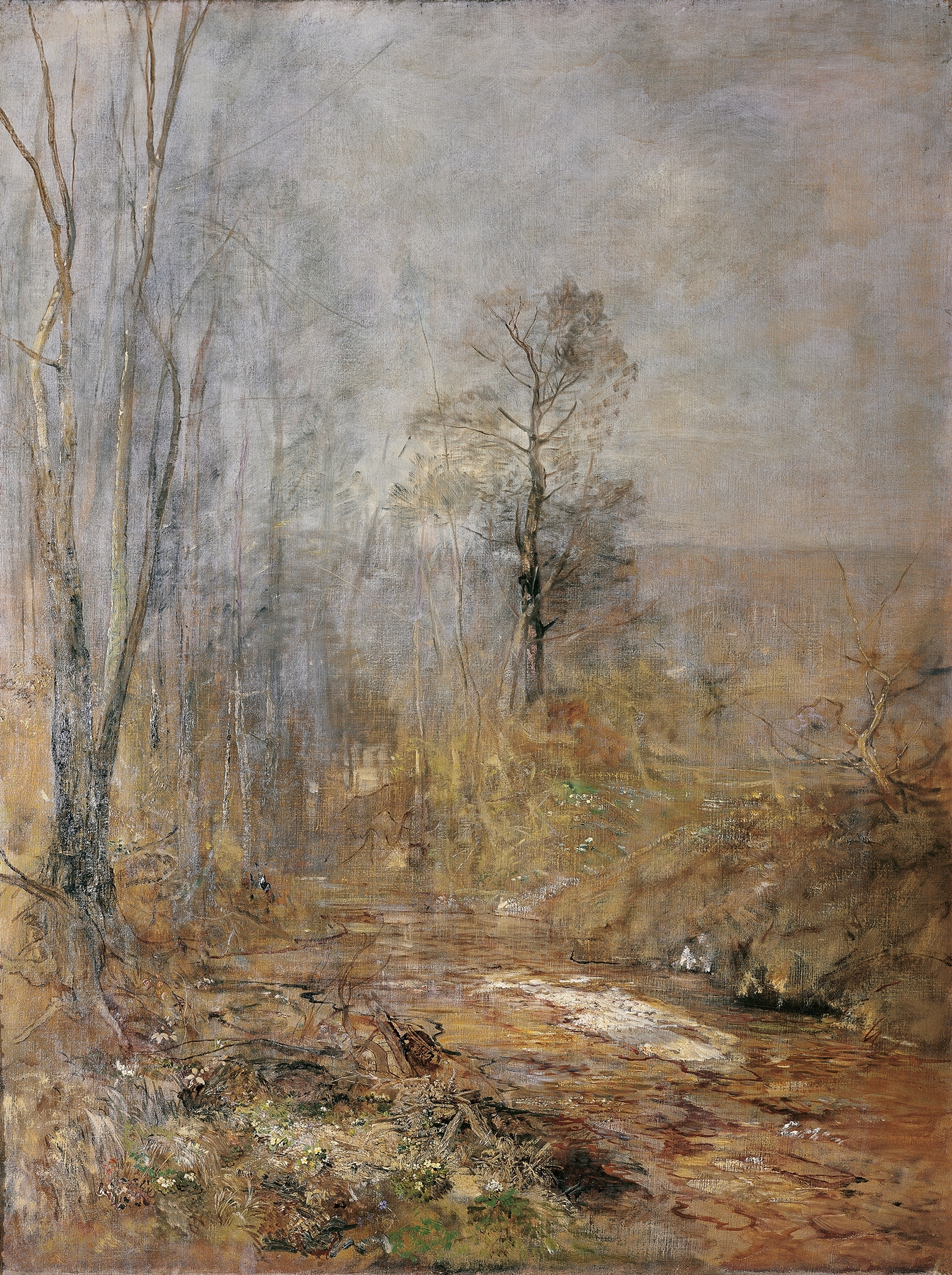
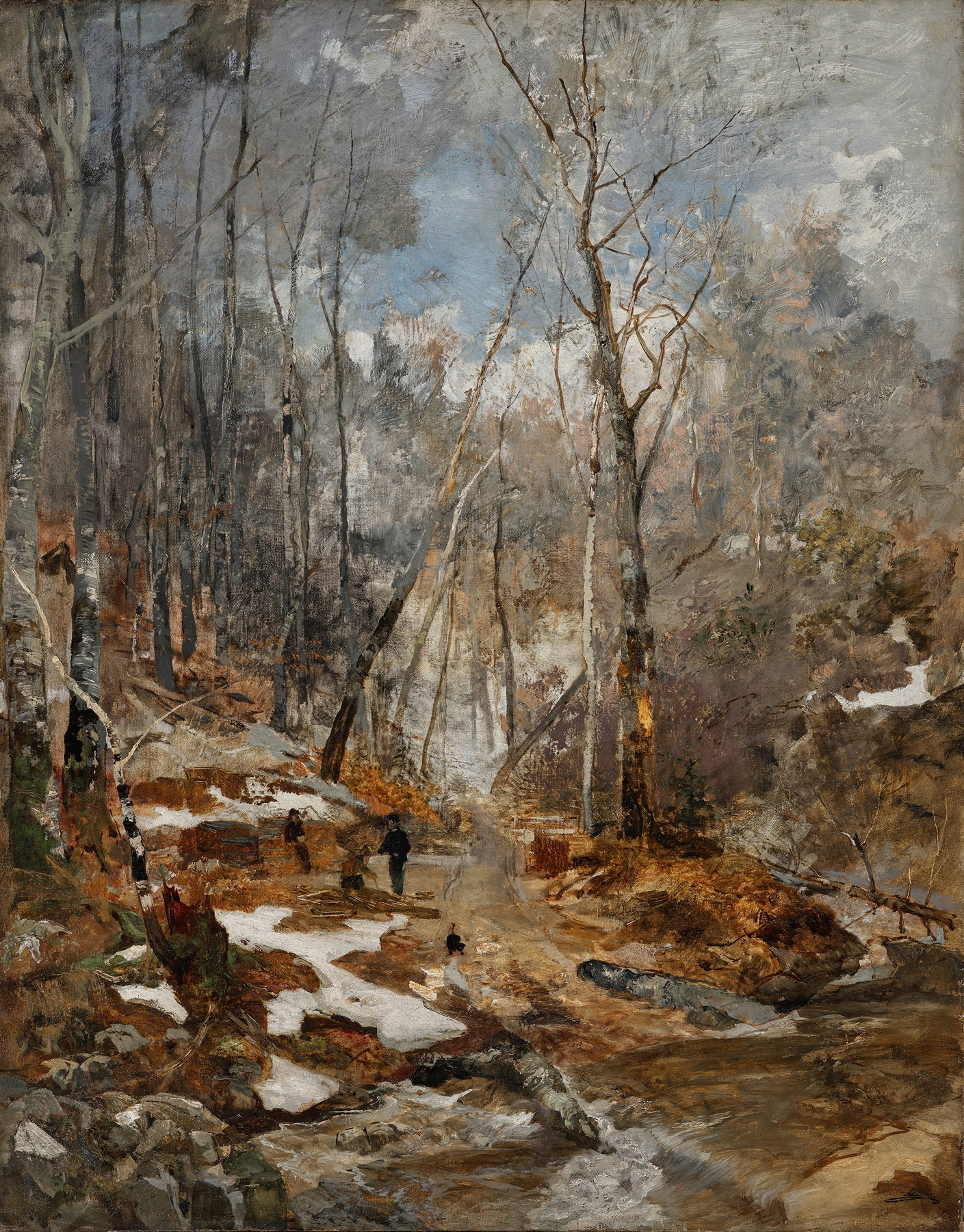
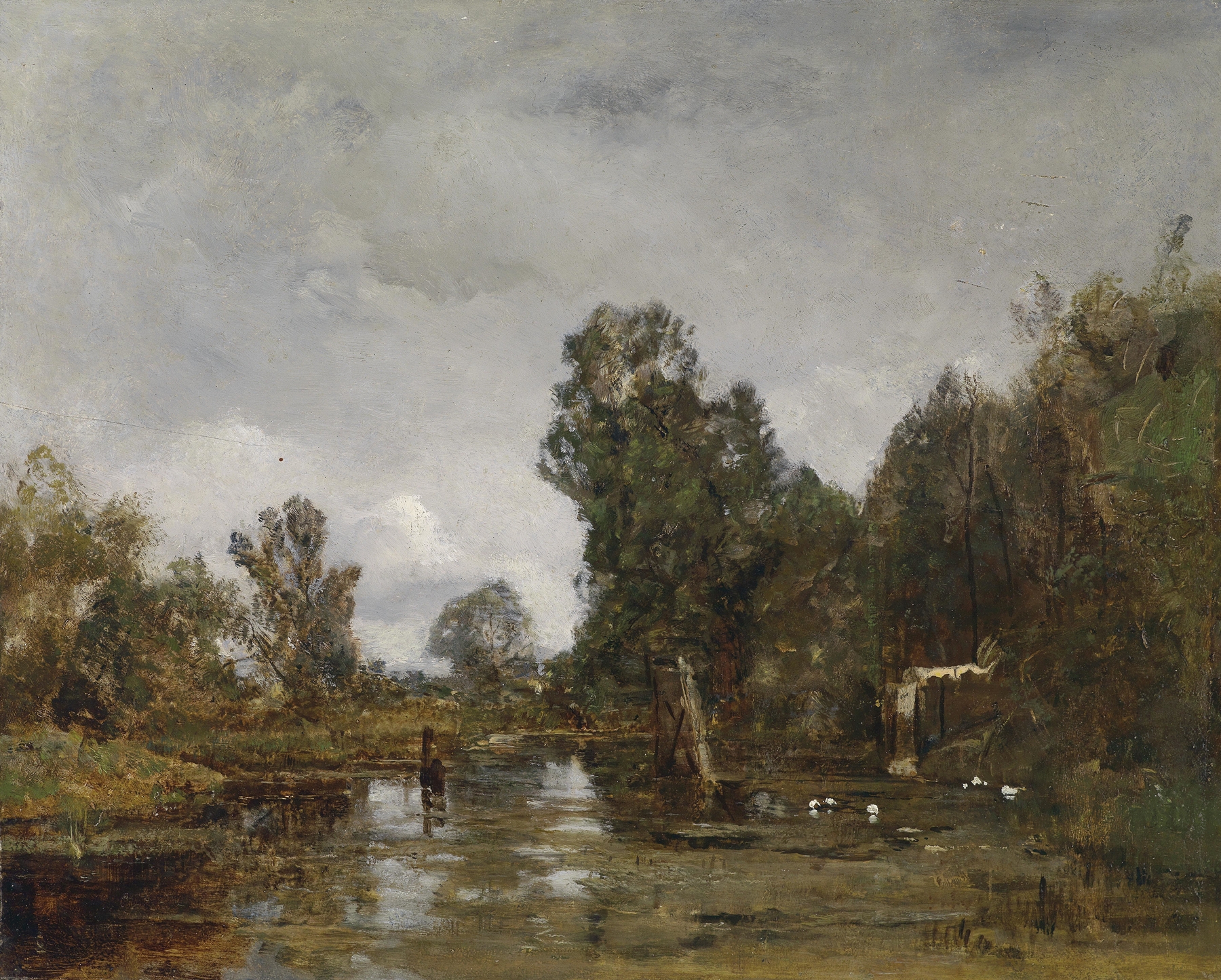
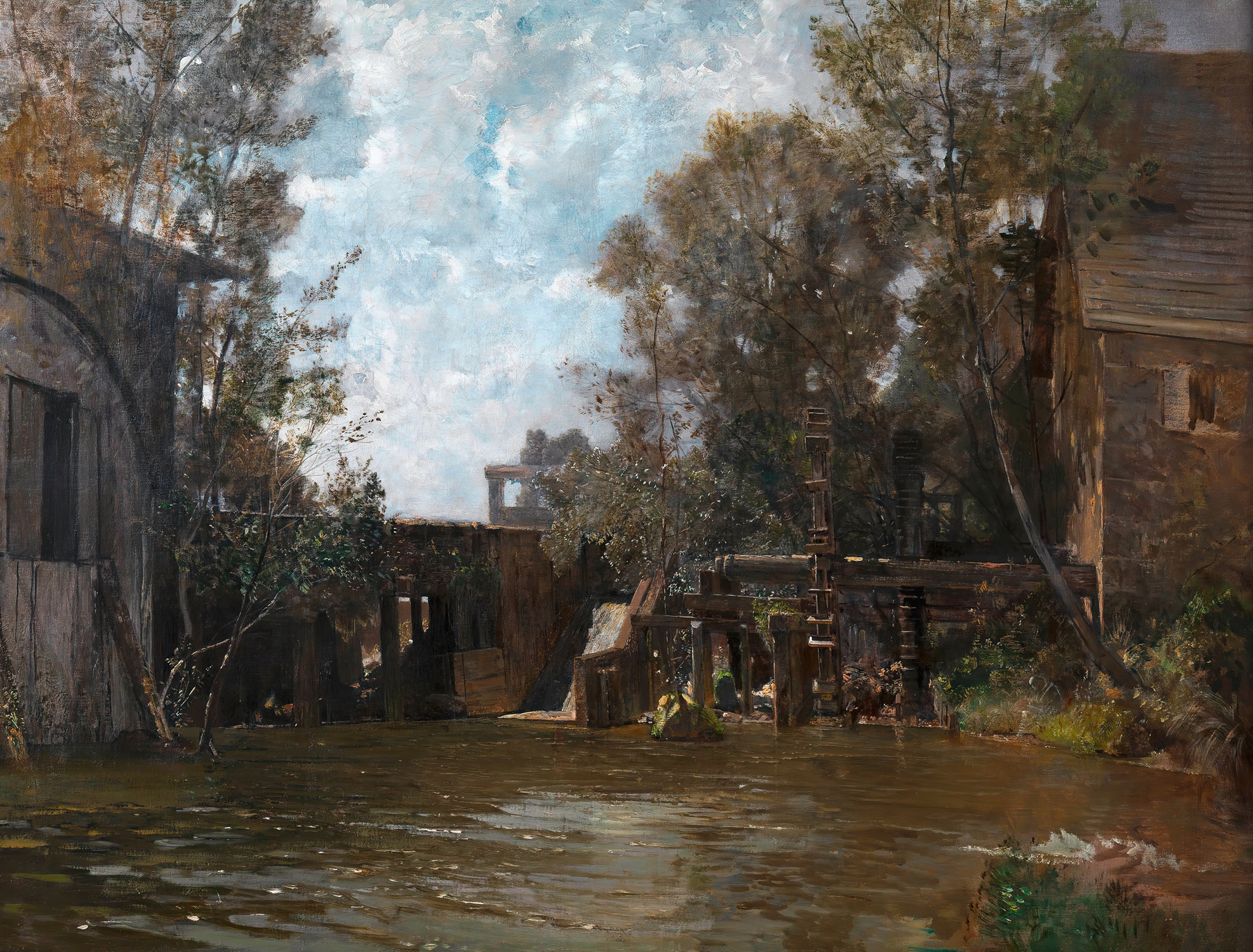
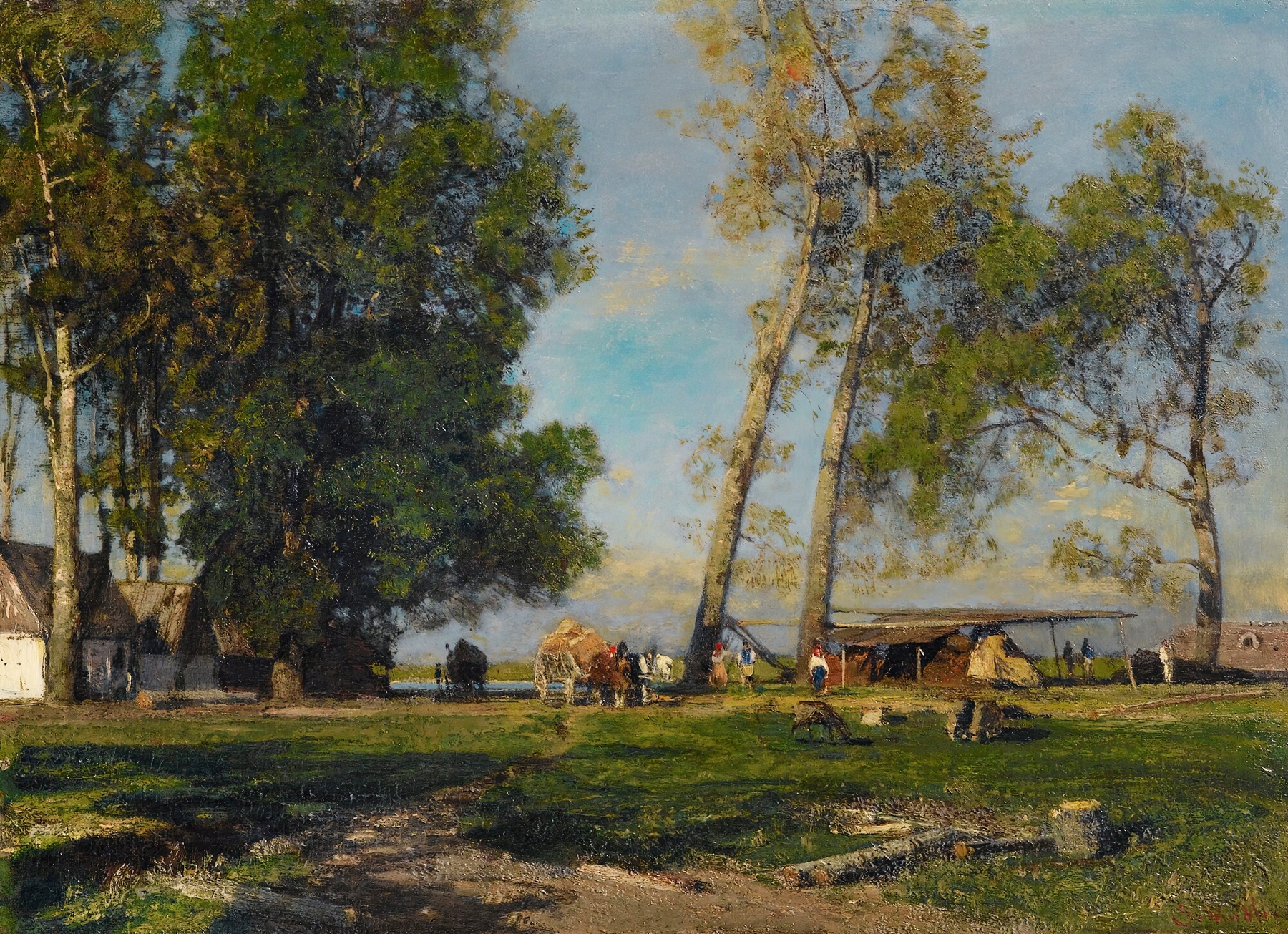
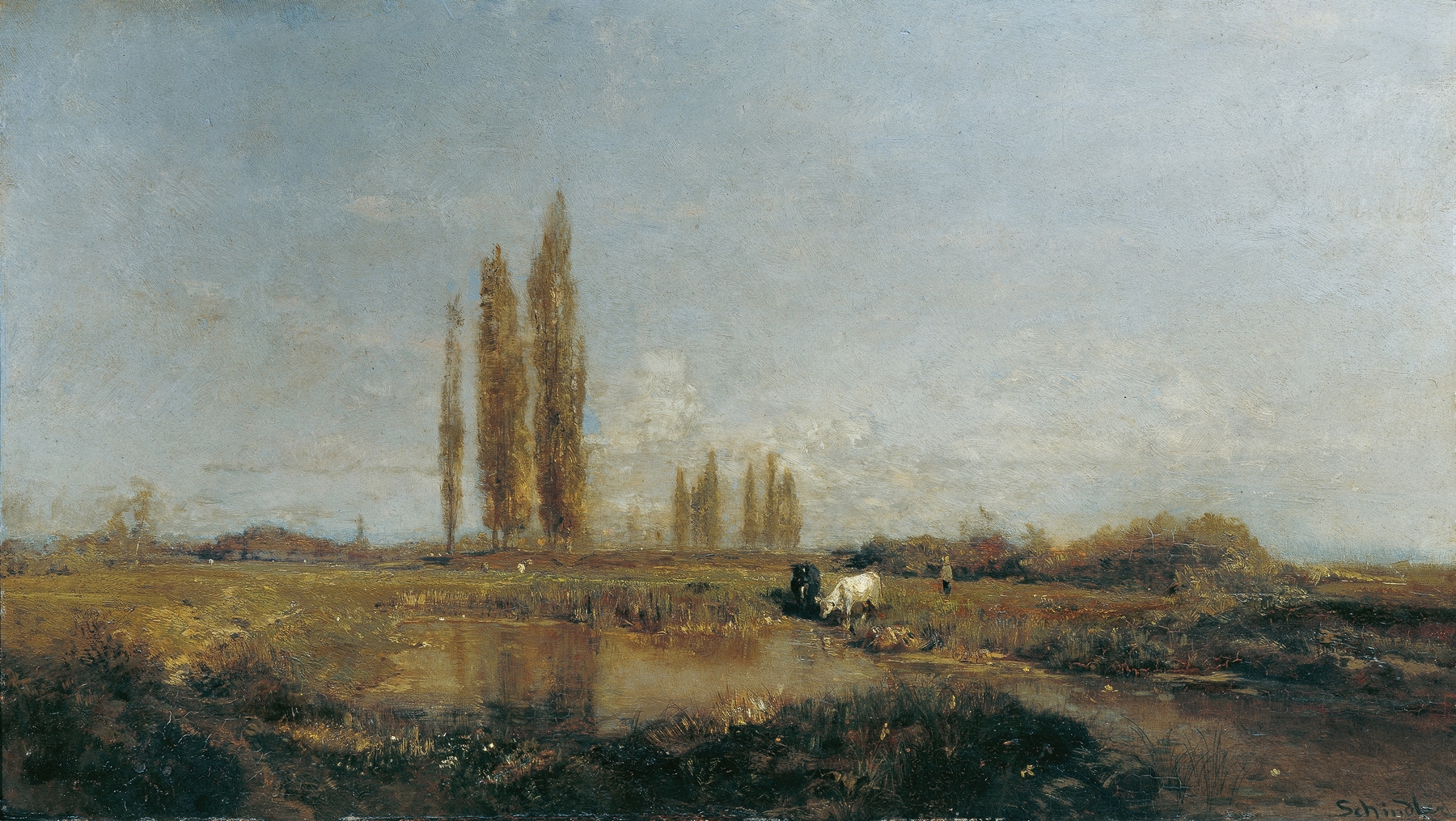
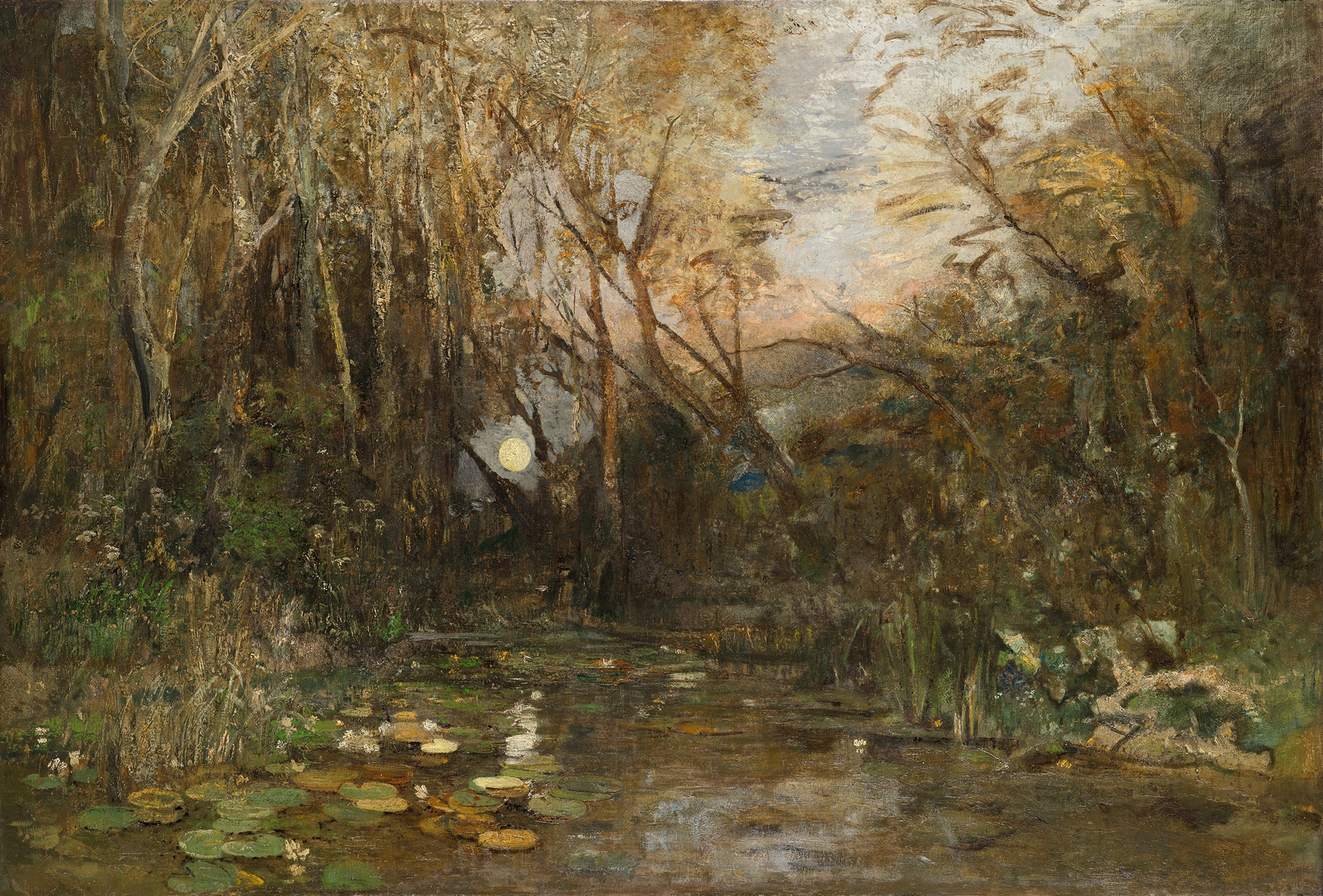
What secret hides in the quiet of the canvas? As chaos unfolds in the world outside, the serene beauty of nature holds its breath, waiting to reveal the stories within. Focus on the gentle ripples of the water, where the reflection shimmers like a whispered secret. Notice how the muted greens and browns invite you into the lush landscape, while the ducks glide effortlessly across the surface, their smooth forms contrasting with the vibrant chaos of the reeds and foliage.
The light dances through the branches overhead, creating patterns that flicker like fleeting thoughts, beckoning the viewer to explore further. Within this tranquil scene, there lies a tension between the stillness of nature and the impending chaos of the hunt. The delicate brushwork captures both the serenity of the moment and the underlying current of disruption. The ducks, seemingly at ease, hint at the fragility of peace, while the shadows cast by the trees suggest the lurking presence of hunters, blending beauty with foreboding in a landscape poised on the edge of chaos.
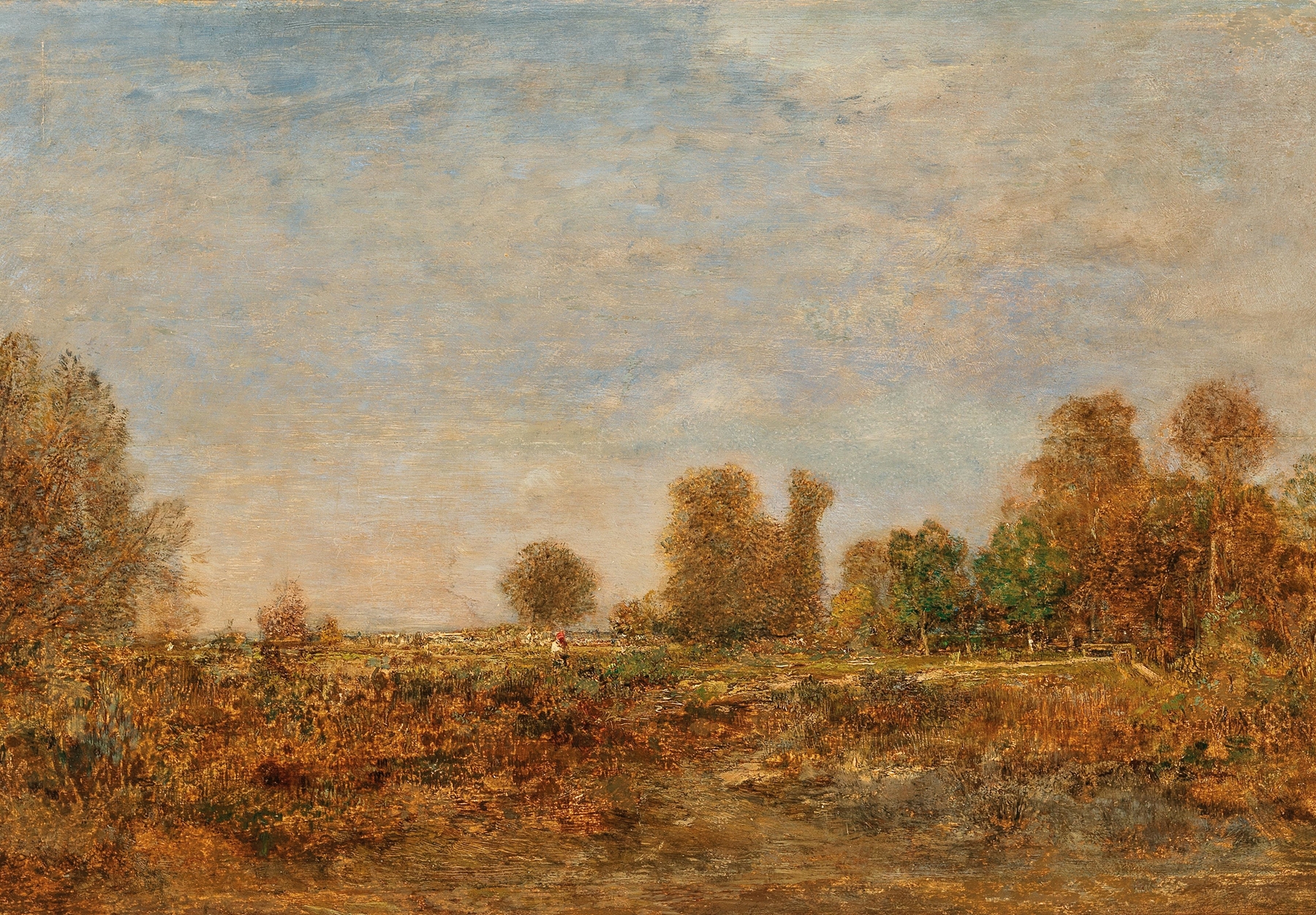
Emil Jakob Schindler painted Entenjagd im Prater in 1881 during a time of flourishing Impressionism in Vienna, where he was heavily influenced by the natural world around him. This work reflects the artist's preoccupation with capturing fleeting moments of beauty, even as societal changes and advancements loomed. Creating in the verdant Prater park, he portrayed not only the splendor of nature but also the inevitable conflict between tranquility and the chaos of human intervention.