Entrée de cabaret Breton — History & Analysis
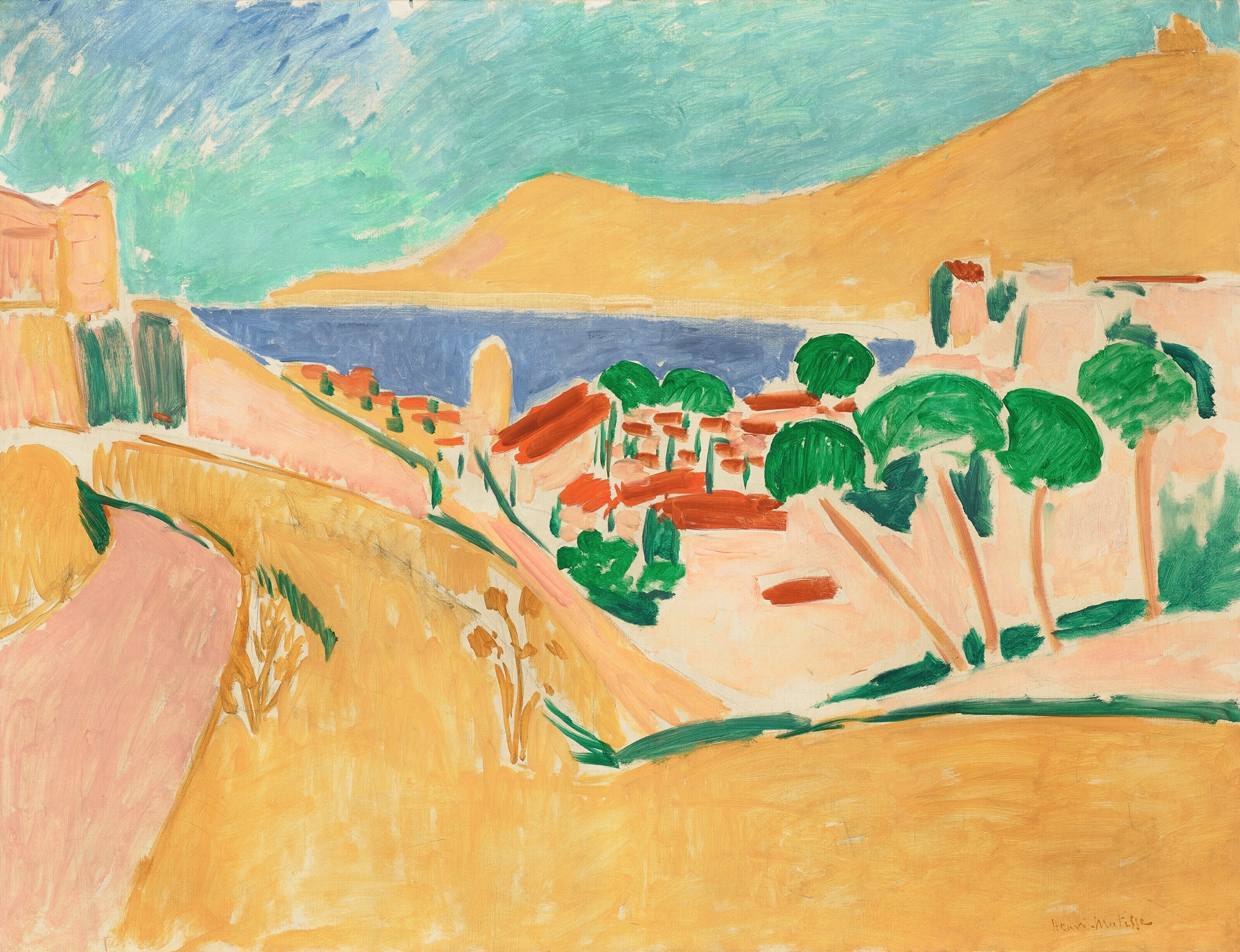
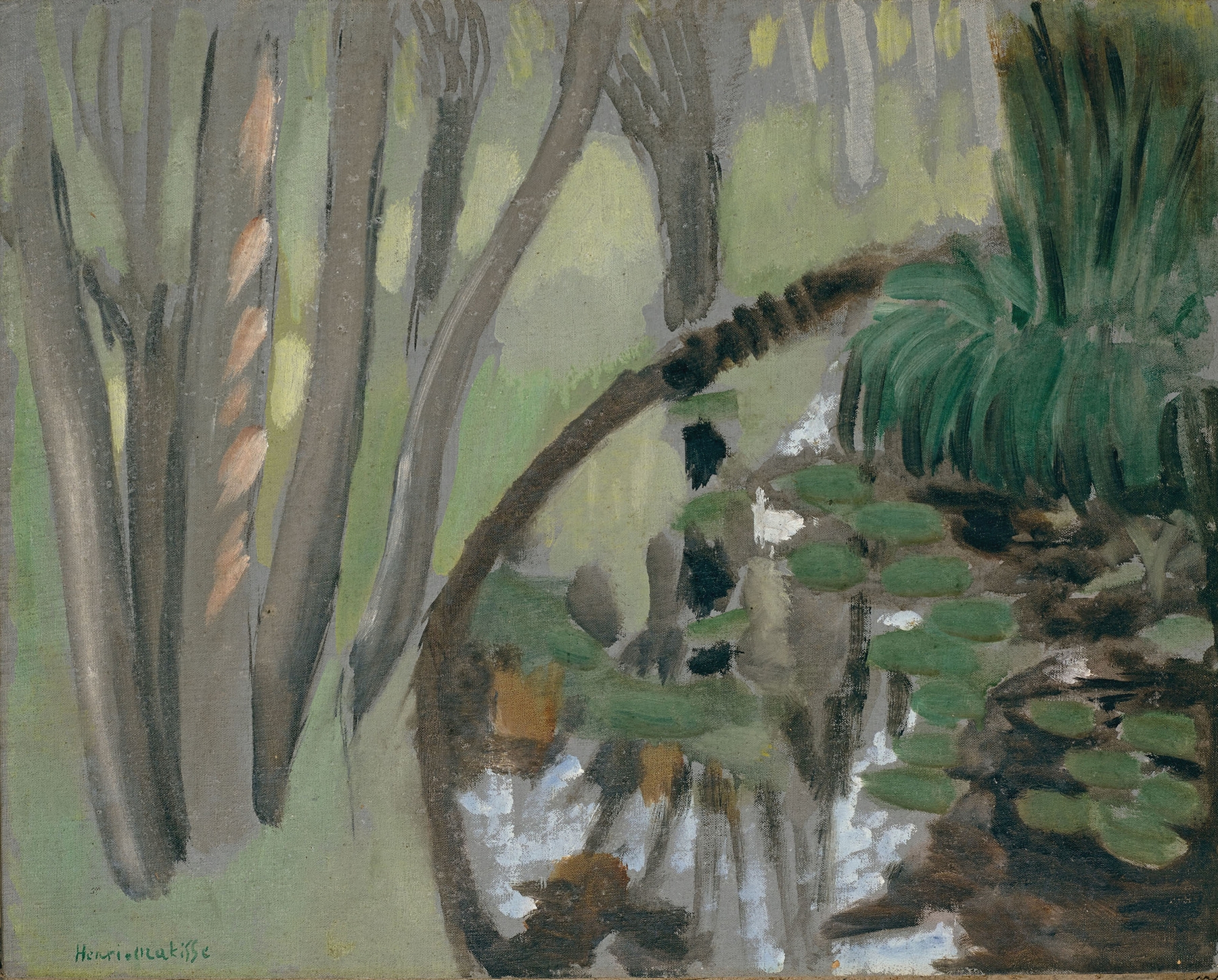
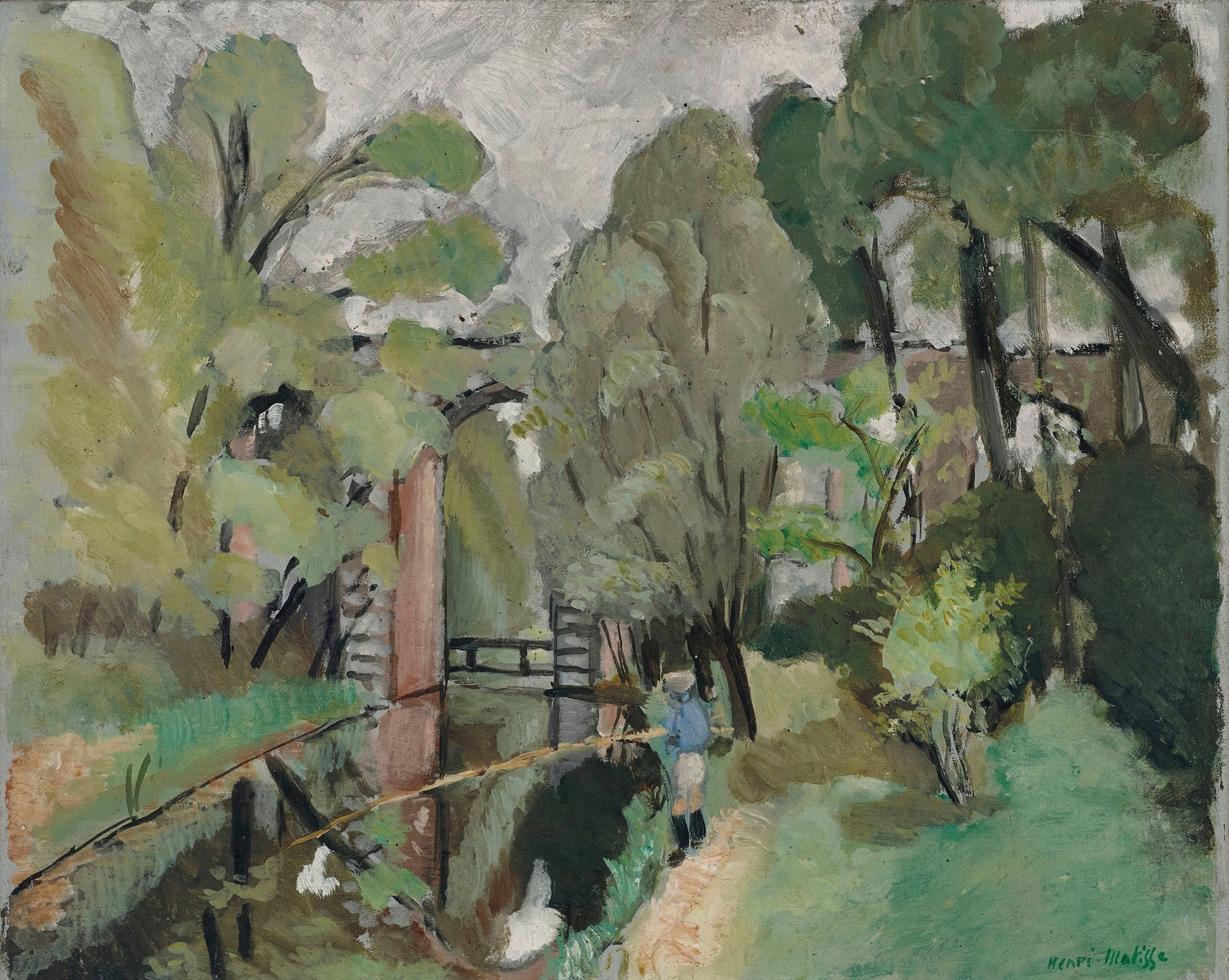
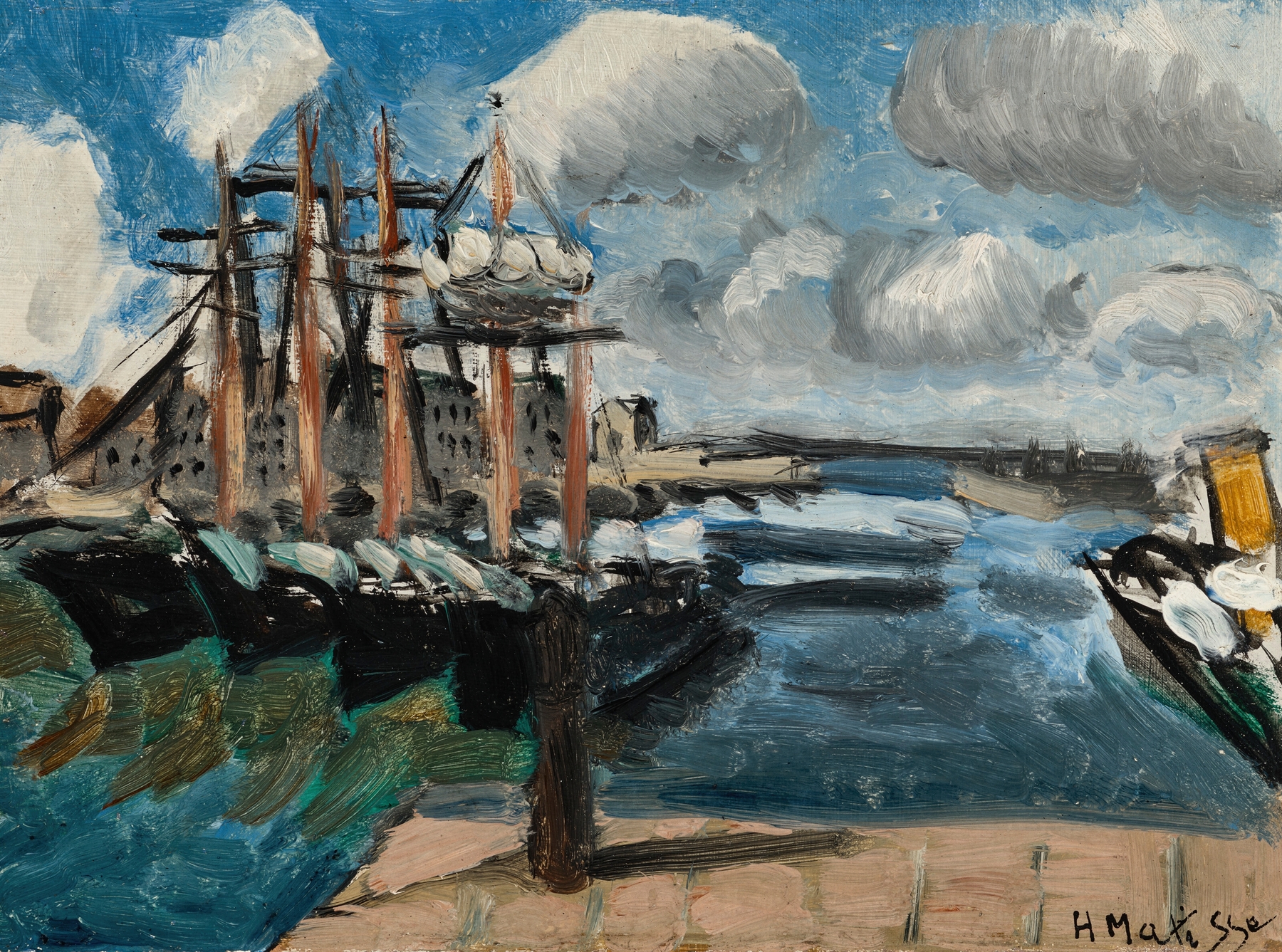
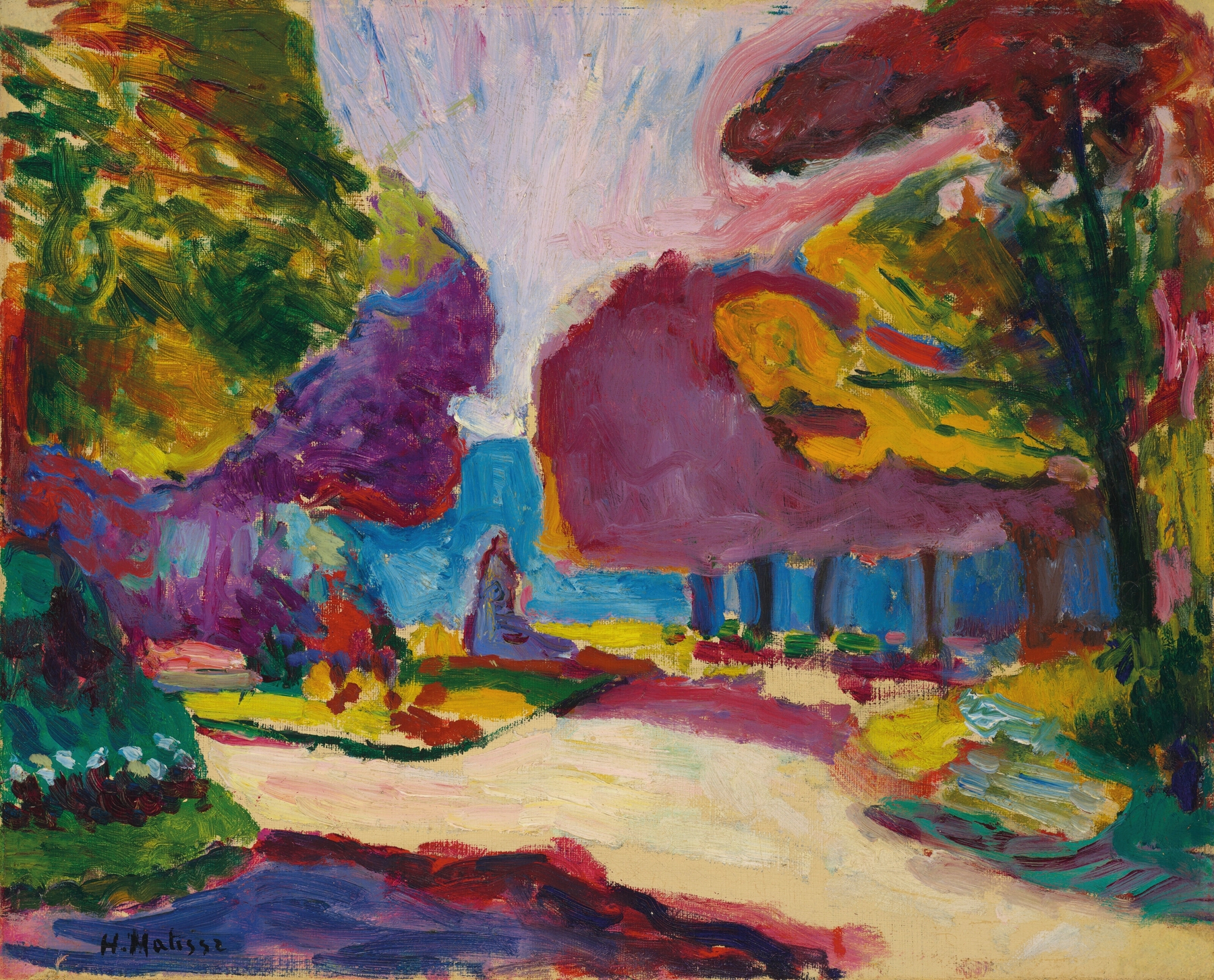
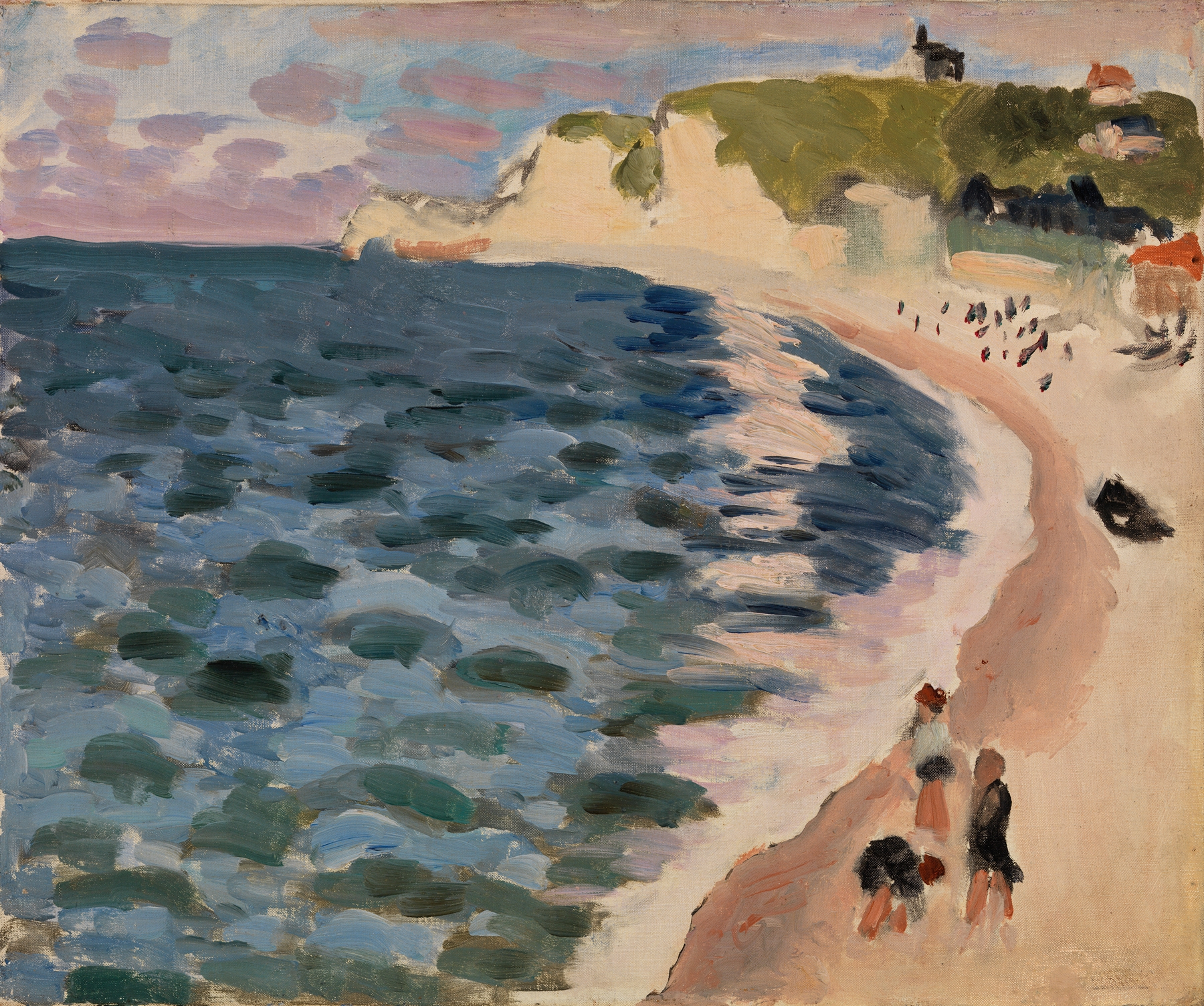
Can beauty exist without sorrow? In the stroke of every brush, Entrée de cabaret Breton dances between joy and melancholy, inviting the viewer into a world of vivid color and complex emotion. Focus on the vivid reds and blues in the swirling attire of the figures, which beckon your gaze first. Notice how Matisse contrasts the vibrant colors with softer tones in the background, mimicking the pulsating rhythm of a lively cabaret.
The playful gestures of the dancers suggest movement and laughter, while their expressions hold a hint of introspection—a duality that captivates and unnerves, drawing the viewer deeper into the scene. Hidden meanings arise through the juxtaposition of the joyous setting and the underlying search for serenity. Amidst the revelry, the intimate interactions between figures hint at personal stories, desires, and perhaps unspoken sorrows. The light filtering through the scene not only illuminates but also casts shadows, celebrating the complexity of human experience, where moments of joy are often intertwined with glimpses of longing.
In 1896, Matisse painted this work during a pivotal time in his artistic development. Living in Paris, he was influenced by the emerging Fauvist movement, which emphasized the use of bold color and expression over realistic representation. This period marked a significant shift in his approach, leading to a lifetime exploration of emotion and beauty through innovative techniques. The world of art was evolving, and Matisse was at the forefront, capturing the complexities of life, even in its quietest moments.