Felsenkessel mit Wildwasser — History & Analysis
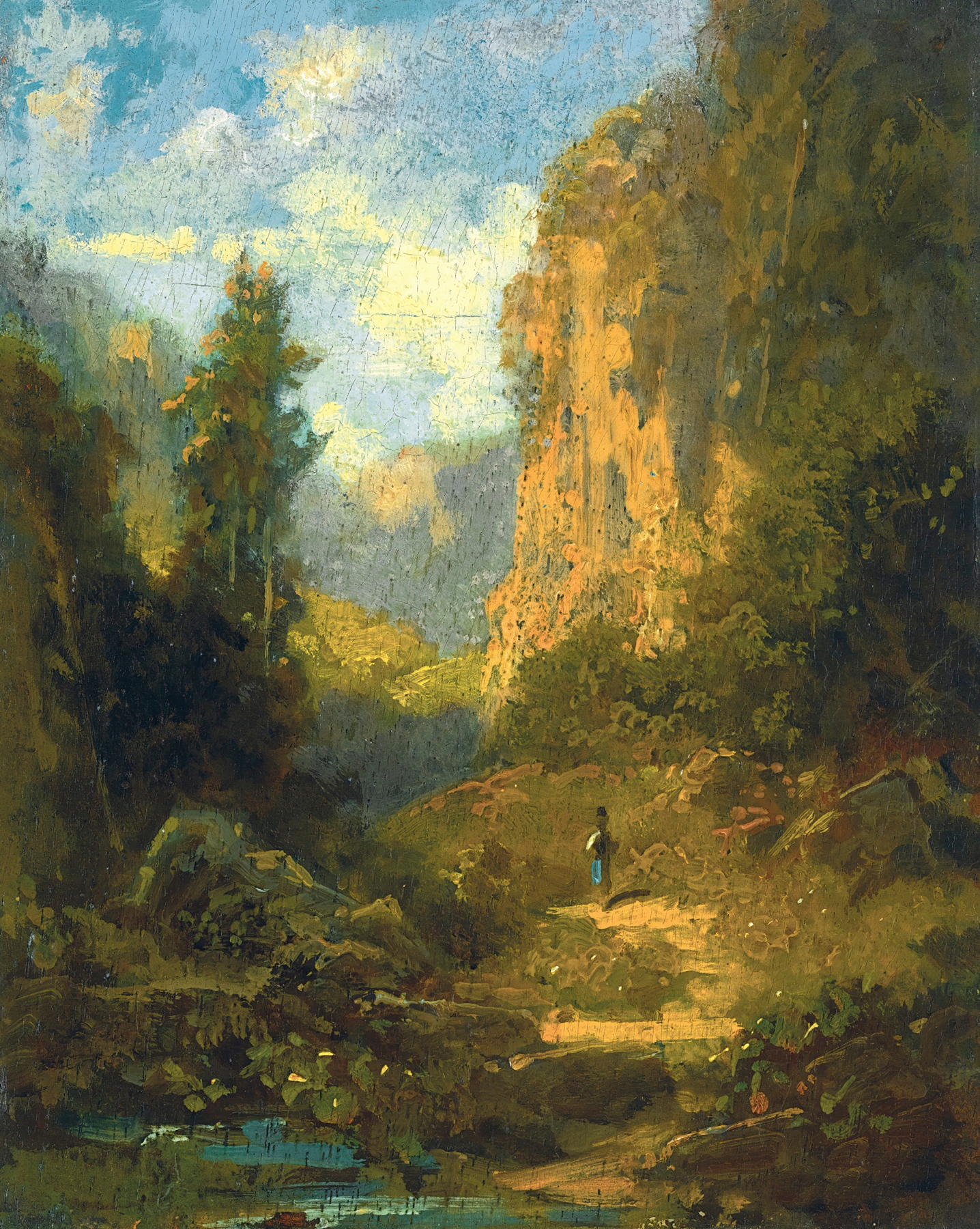
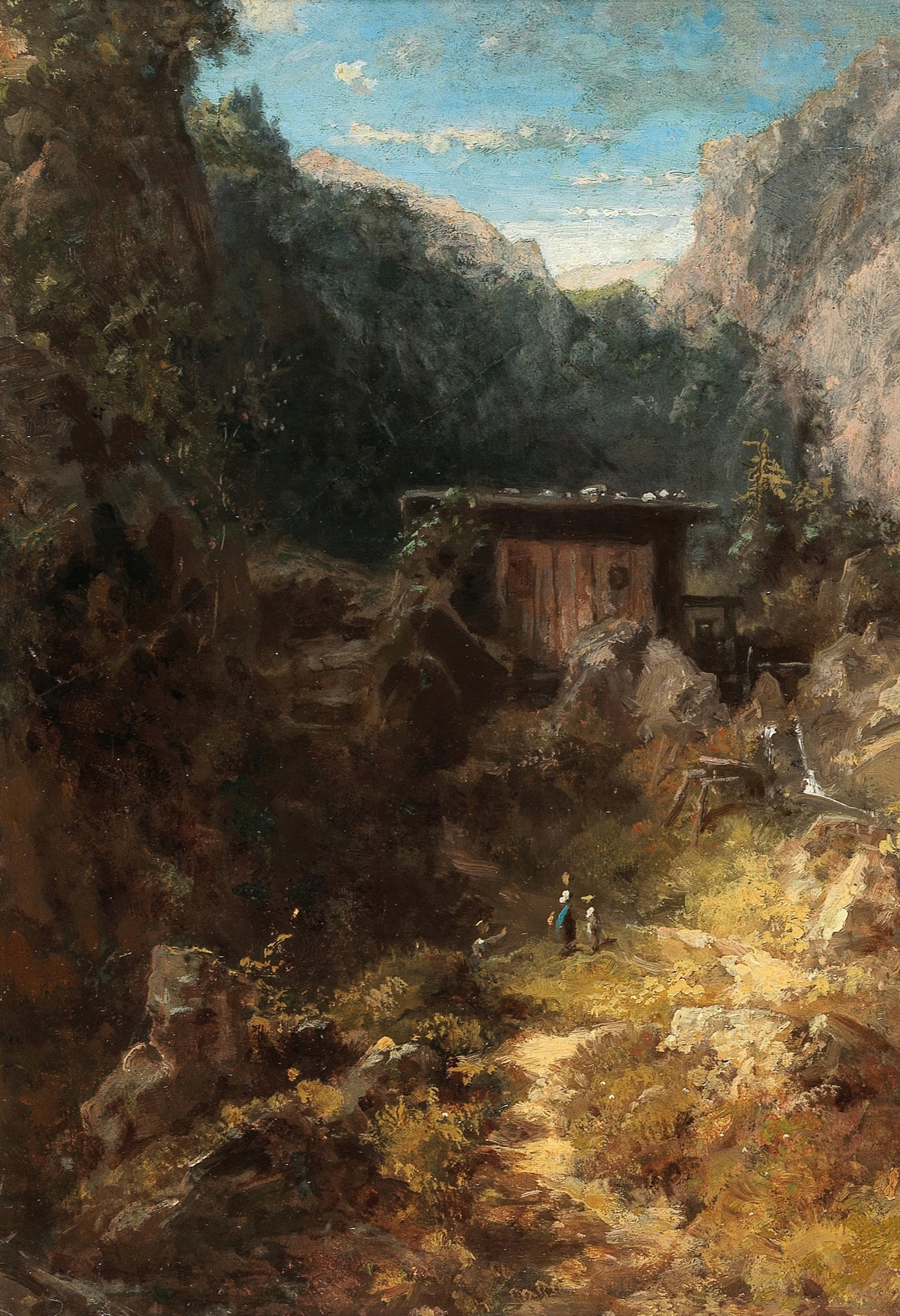
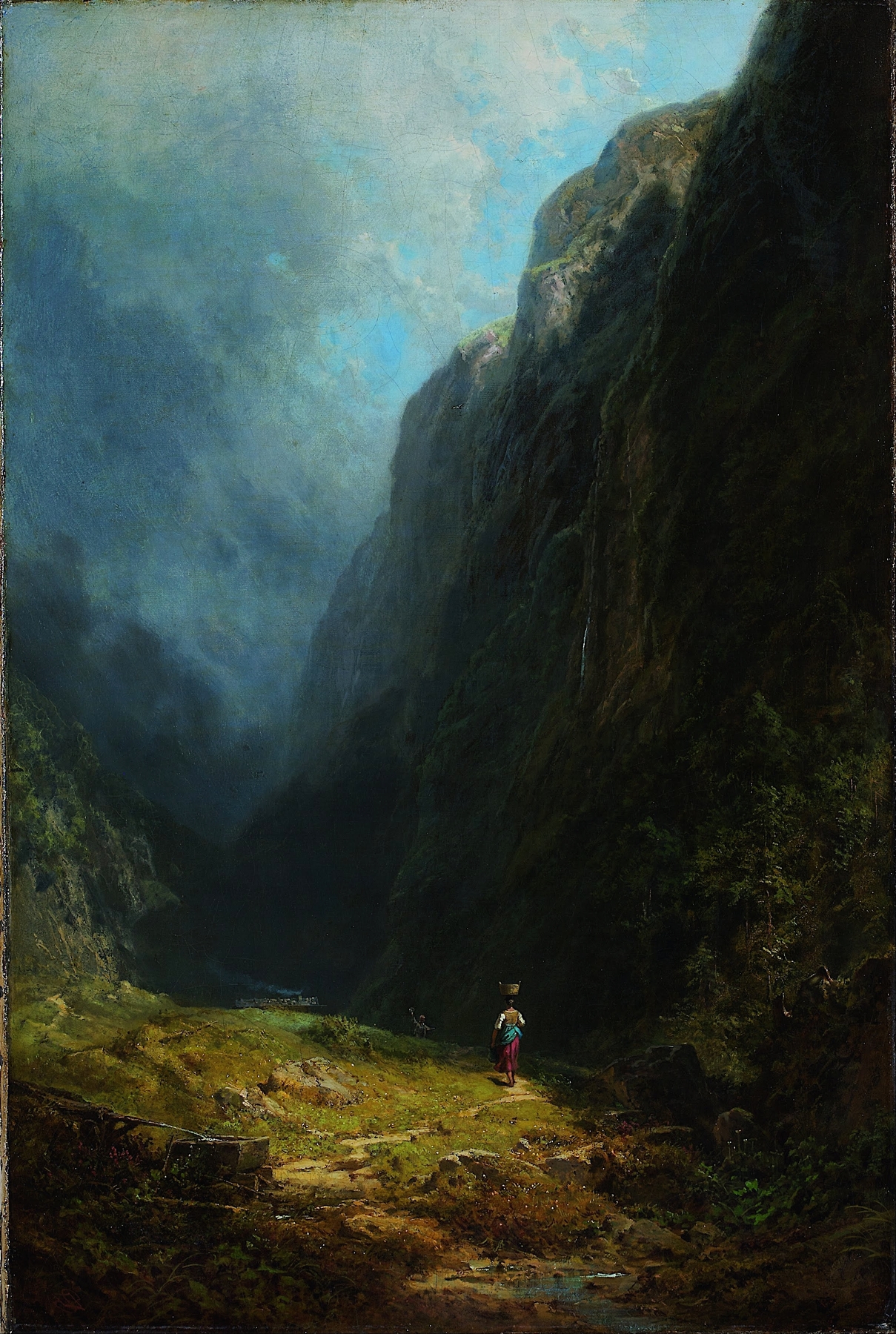
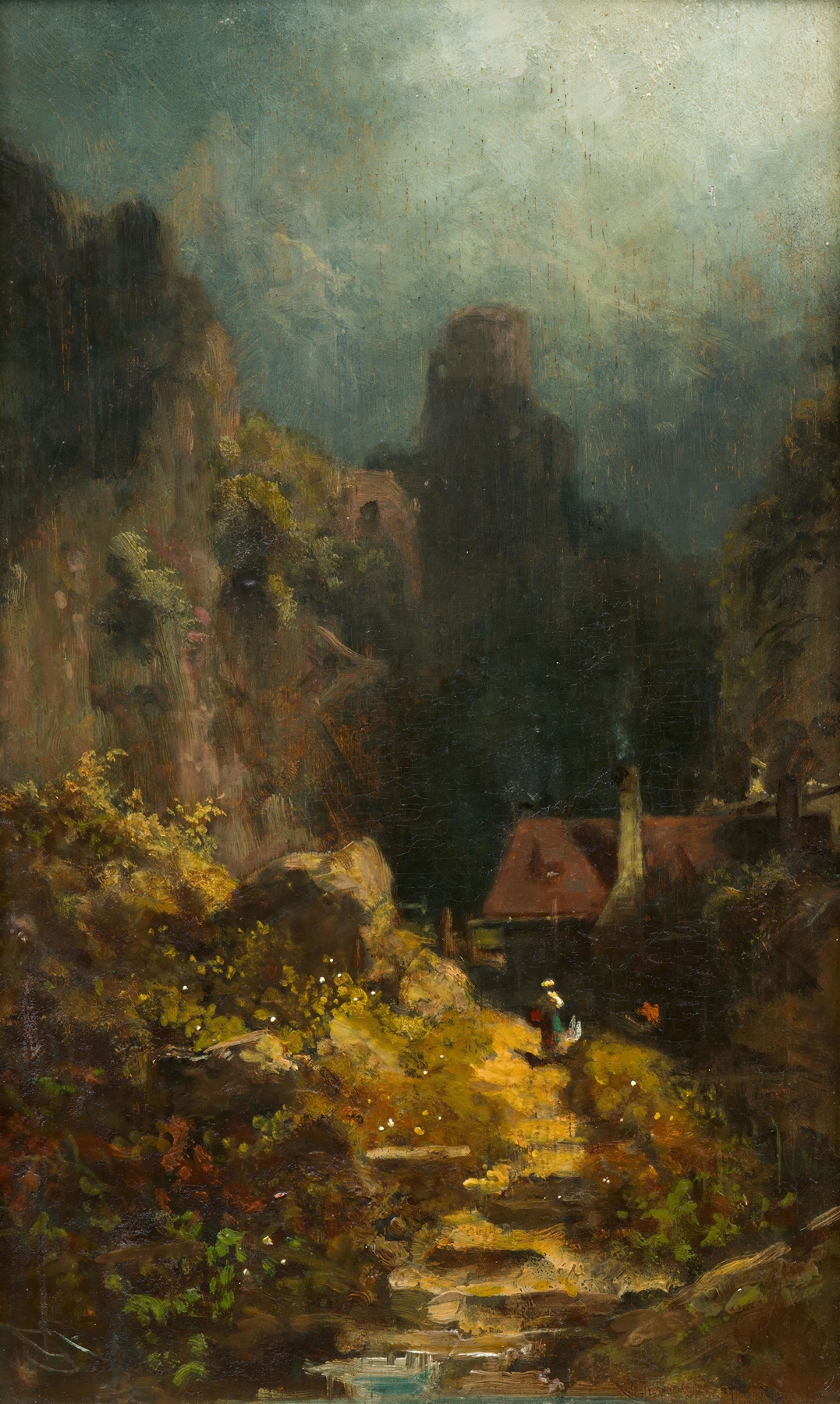
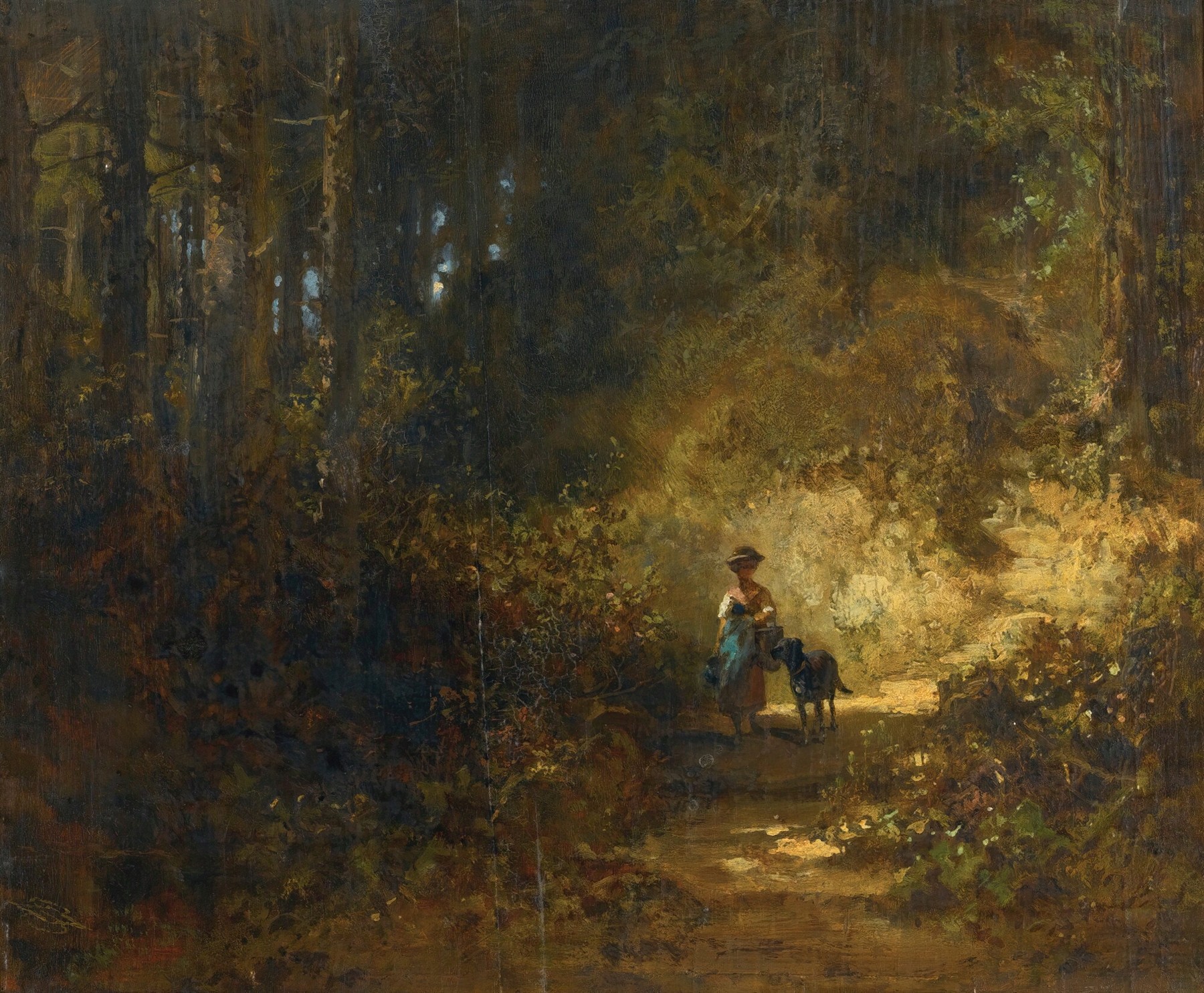
“To paint is to remember what time wants us to forget.” Within the solitude of Felsenkessel mit Wildwasser, a deep sense of loneliness resonates, echoing the quiet whispers of nature and the human heart alike. Look closely at the cascading water, where the tumultuous flow captures a moment both wild and serene. The vibrant, swirling blues and whites draw the eye, contrasting starkly with the rugged earth tones of the surrounding rocks. Notice how the dappled sunlight breaks through the overhanging foliage, illuminating the scene and revealing the hidden textures of the stone.
Each brushstroke encapsulates the interplay of light and shadow, creating a palpable sense of depth and movement that invites contemplation. In this artwork, there exists a poignant juxtaposition: the ferocity of the water against the stillness of the surrounding landscape. The rushing water can symbolize a torrent of emotions, perhaps reflecting the artist's internal struggles or the broader existential solitude felt by many. The sheer cliffs cradle the scene, evoking a sense of enclosure that mirrors the isolation of the individual spirit, suggesting that even in the presence of nature's grandeur, one can feel profoundly alone.
Carl Spitzweg painted Felsenkessel mit Wildwasser around 1840, a period marked by Romanticism's exploration of individuality and emotion. Working in Munich, he navigated a vibrant art scene where sentiment and the sublime were celebrated. This painting emerged from a time when the natural world was both a source of wonder and a mirror for the human condition, capturing a moment of introspection amid the chaos of life.