Figures In A Classical Landscape — History & Analysis
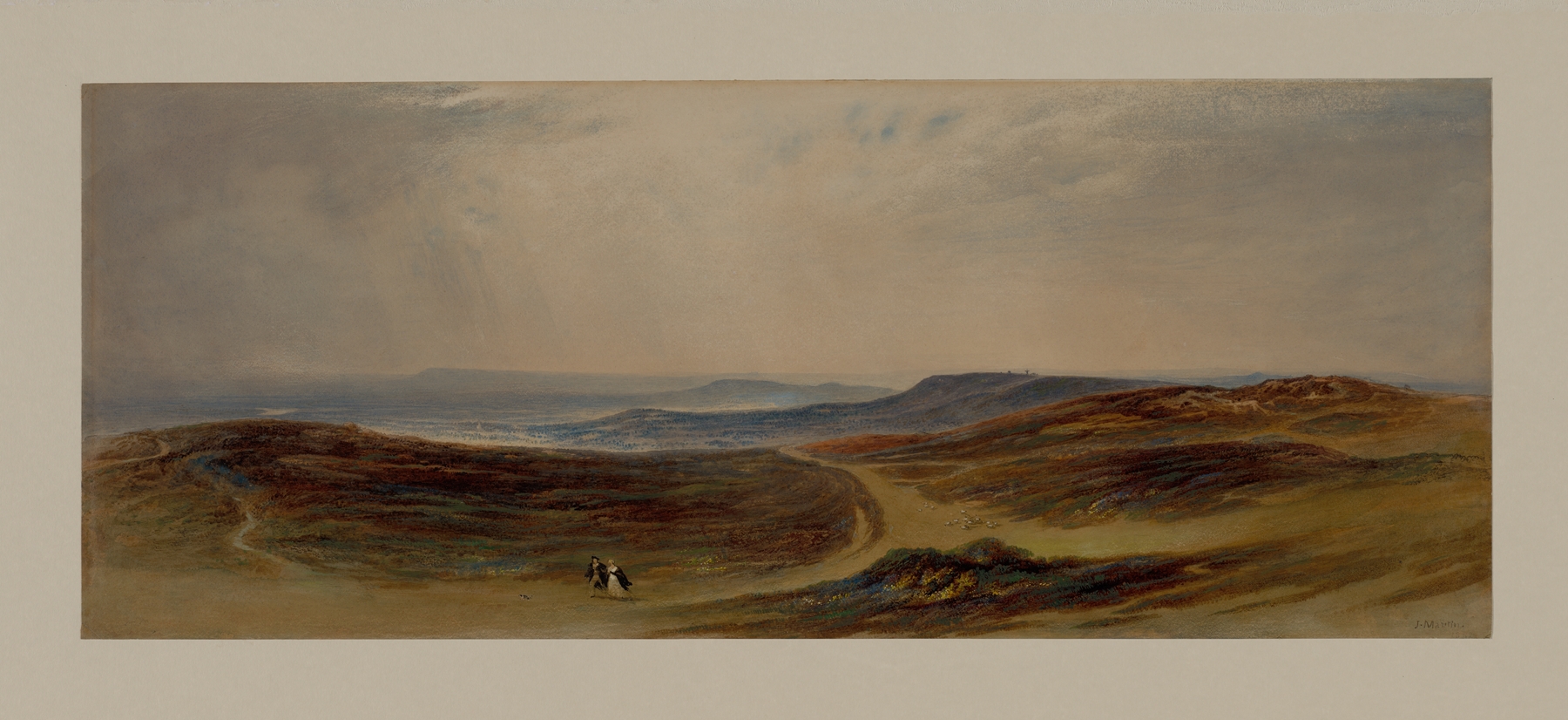
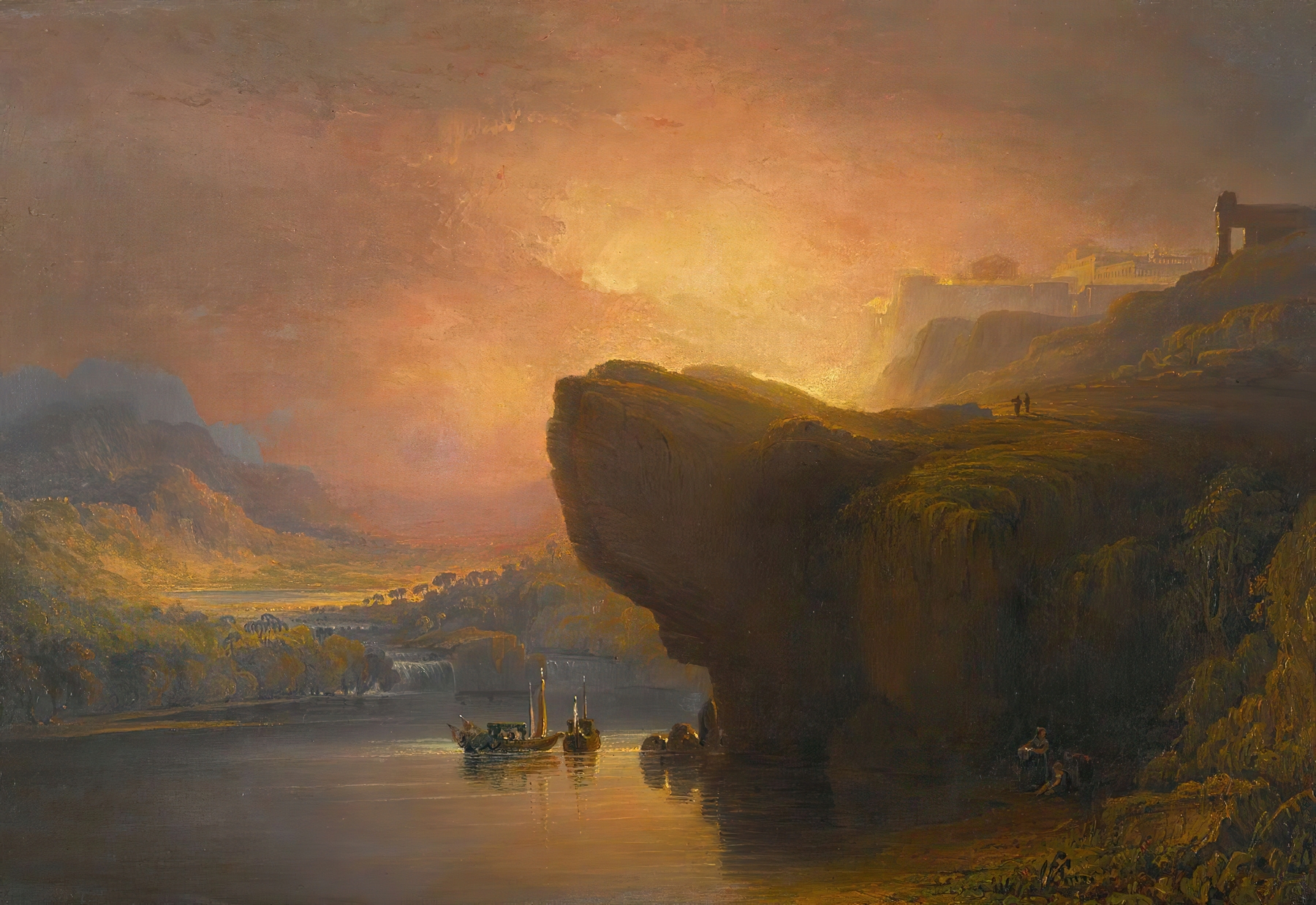
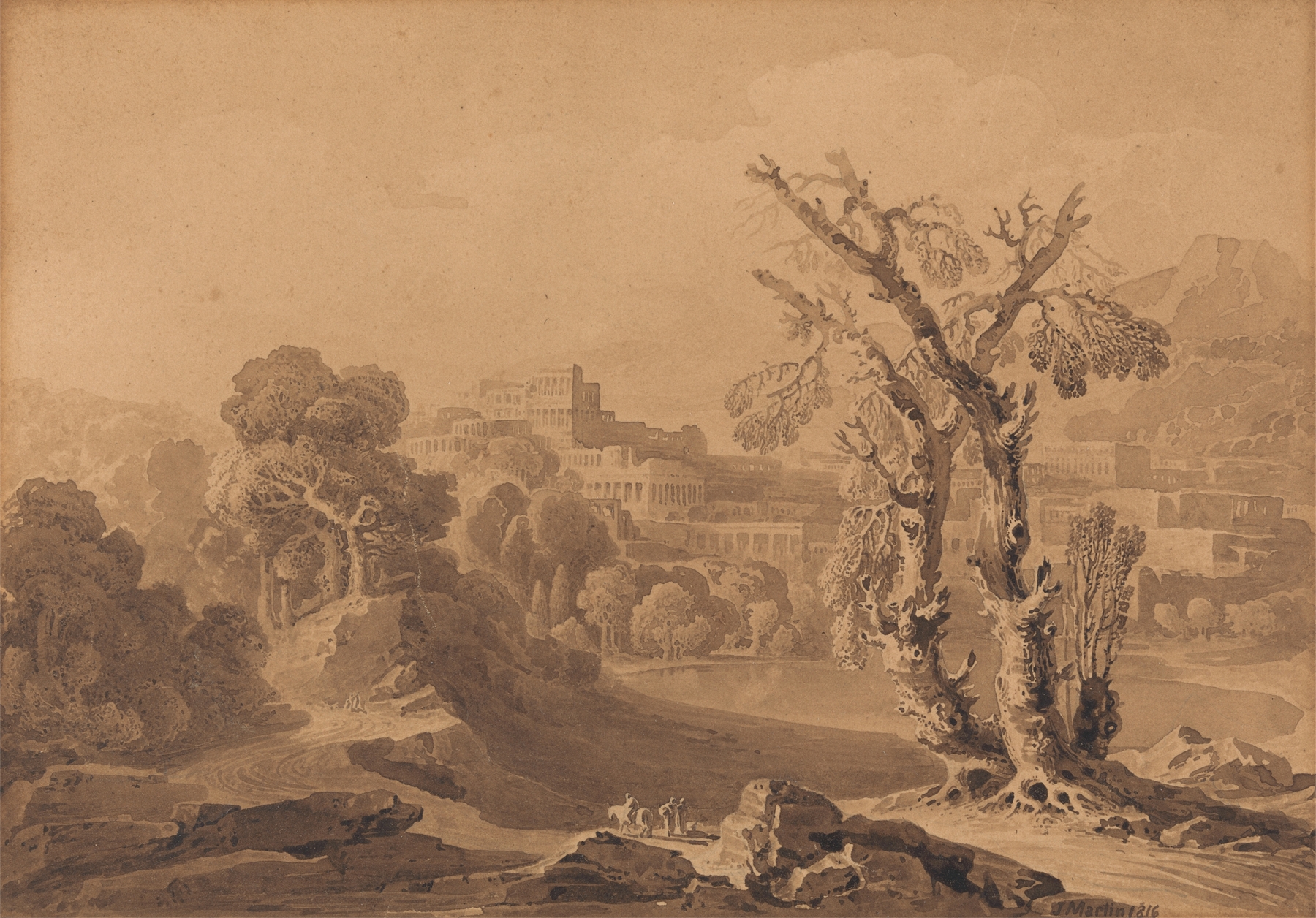
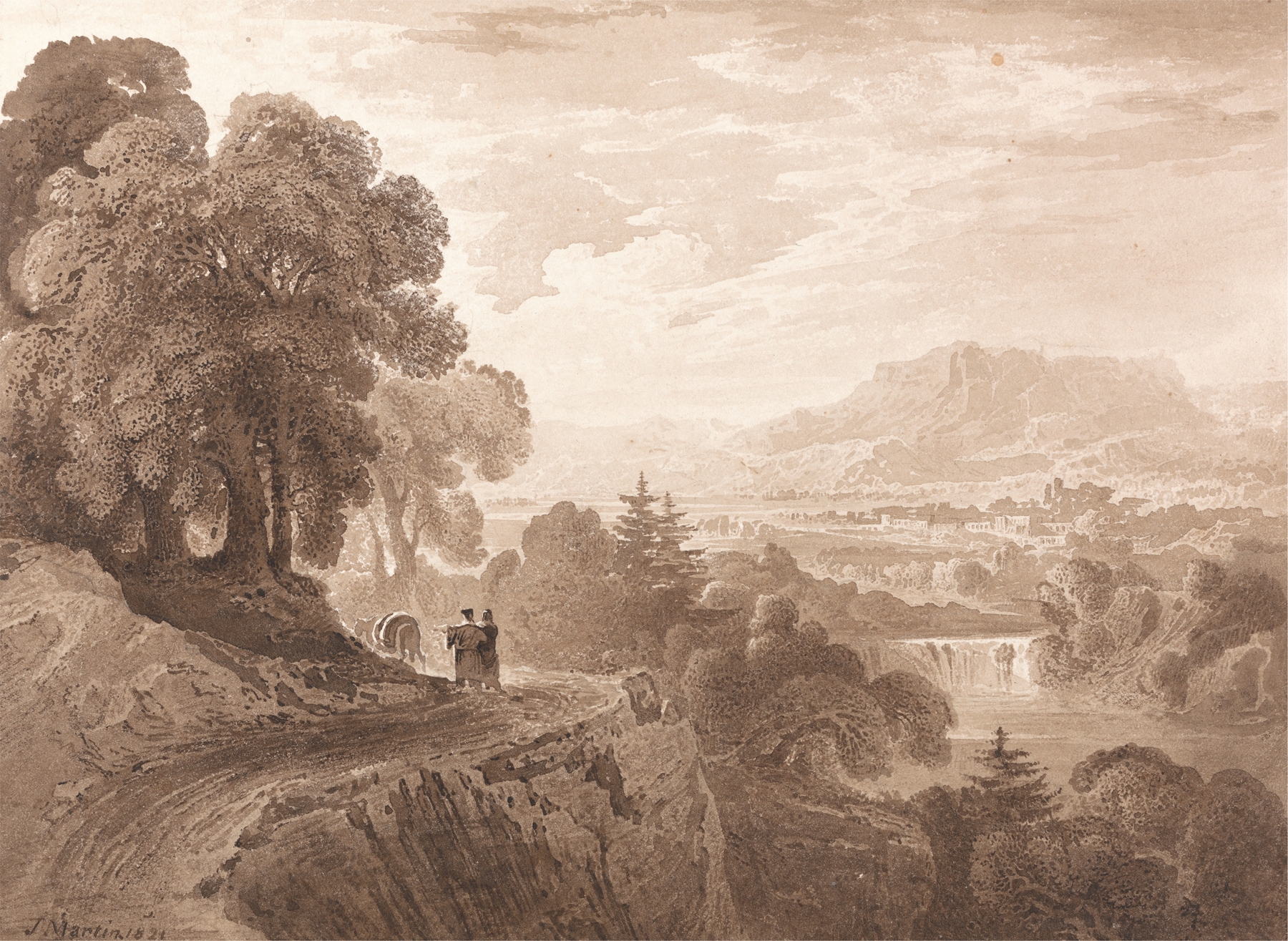
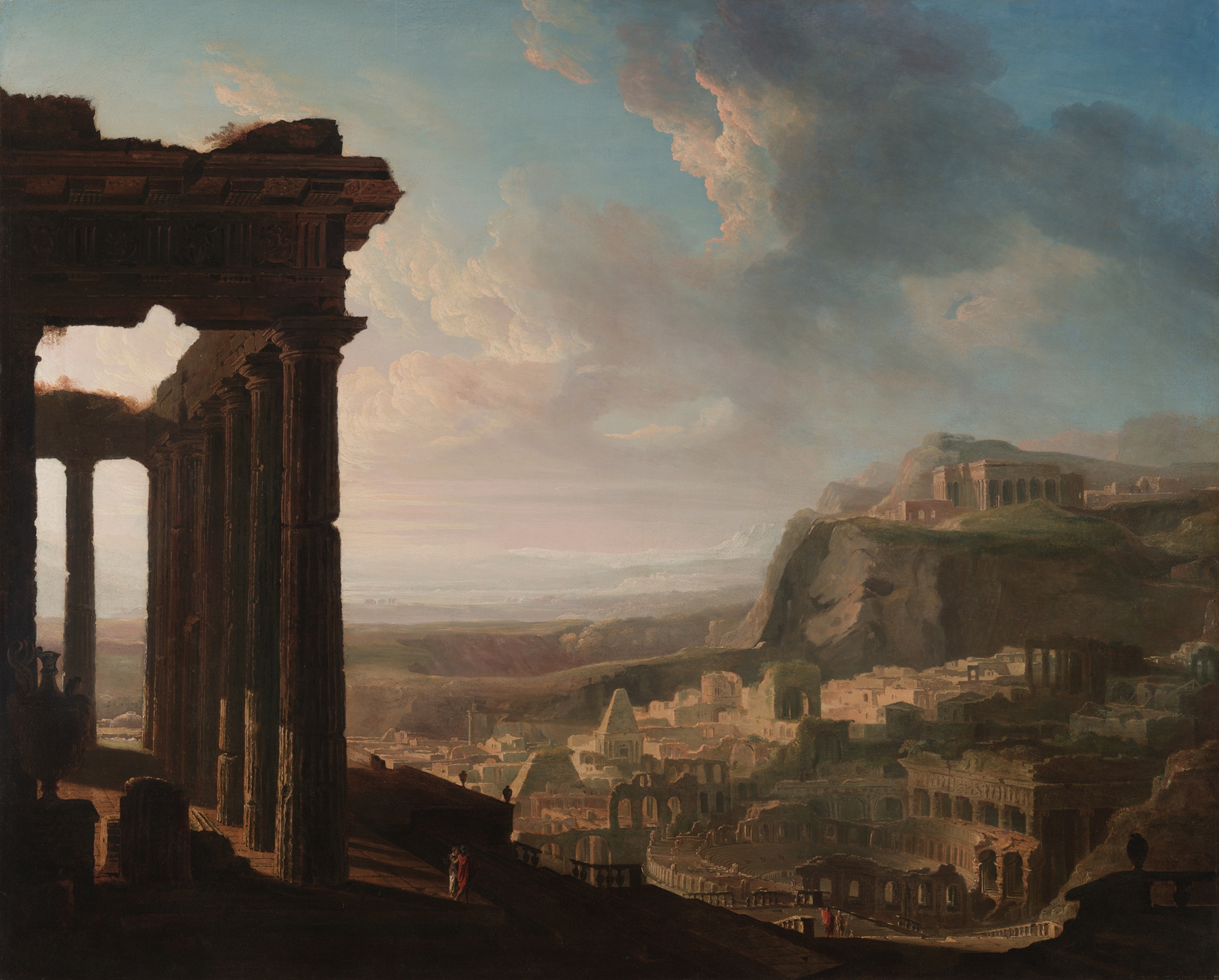
Could beauty survive in a century of chaos? In Figures In A Classical Landscape, the question hangs palpably in the air, inviting contemplation and reflection on the fragility of harmony amidst turmoil. Look to the horizon where a sun, partially veiled by clouds, casts a golden haze over the rolling hills. The figures are small yet definitive in their postures, positioned gracefully within the lush expanse.
The verdant greens of the landscape contrast sharply with the somber tones of the figures, drawing your eye toward their delicate forms. Notice how the light delicately illuminates the foliage, creating a sense of serenity that feels almost ethereal against the undercurrents of unease. Hints of loss permeate the canvas, as the idyllic setting stands in stark contrast to the isolation of the figures. Their gestures suggest longing, perhaps for a world that once thrived but now feels distant.
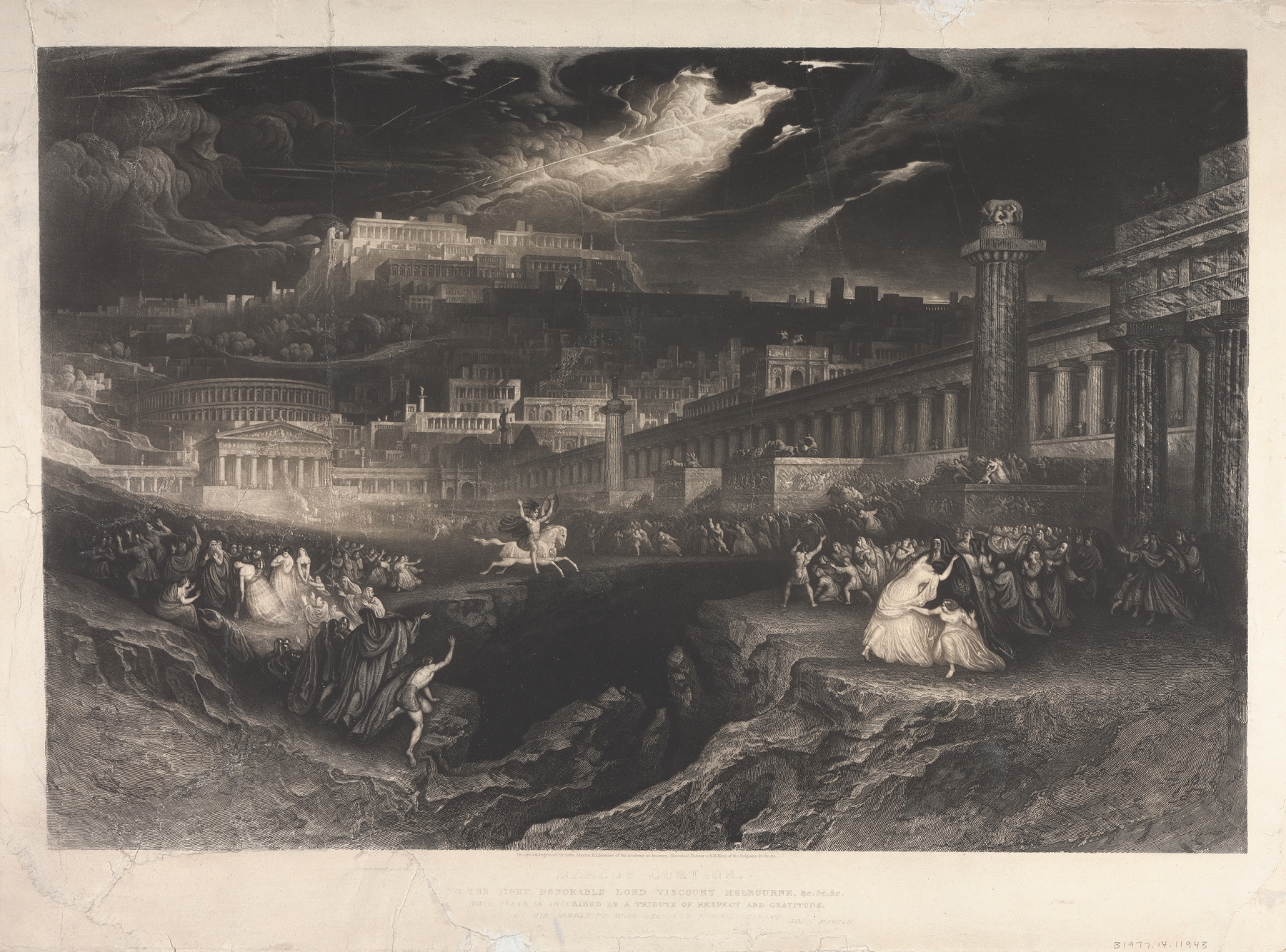
The juxtaposition of the vibrant landscape and the solitary figures evokes a tension between nature's beauty and human despair, prompting an emotional resonance that lingers beyond the initial beauty of the scene. During the early nineteenth century, when this piece was created, the artist was deeply influenced by the Romantic movement, striving to capture the sublime and the emotional weight of the human experience. In a time marked by industrial upheaval and societal change, Martin's works often reflected this tension between nature and civilization, exploring themes of loss and nostalgia against the backdrop of a rapidly evolving world.