Foundation of Stratten’s Chapel — History & Analysis
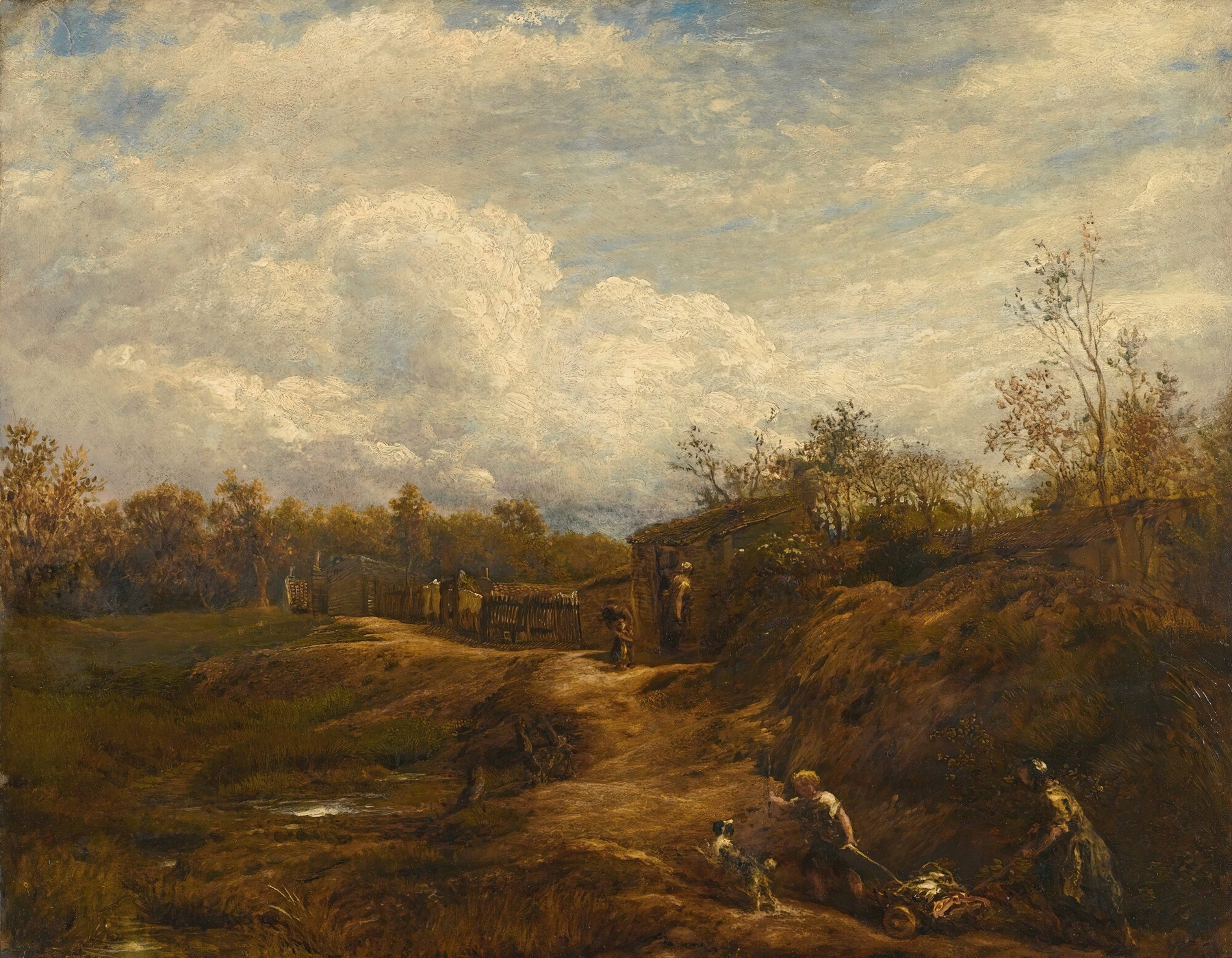
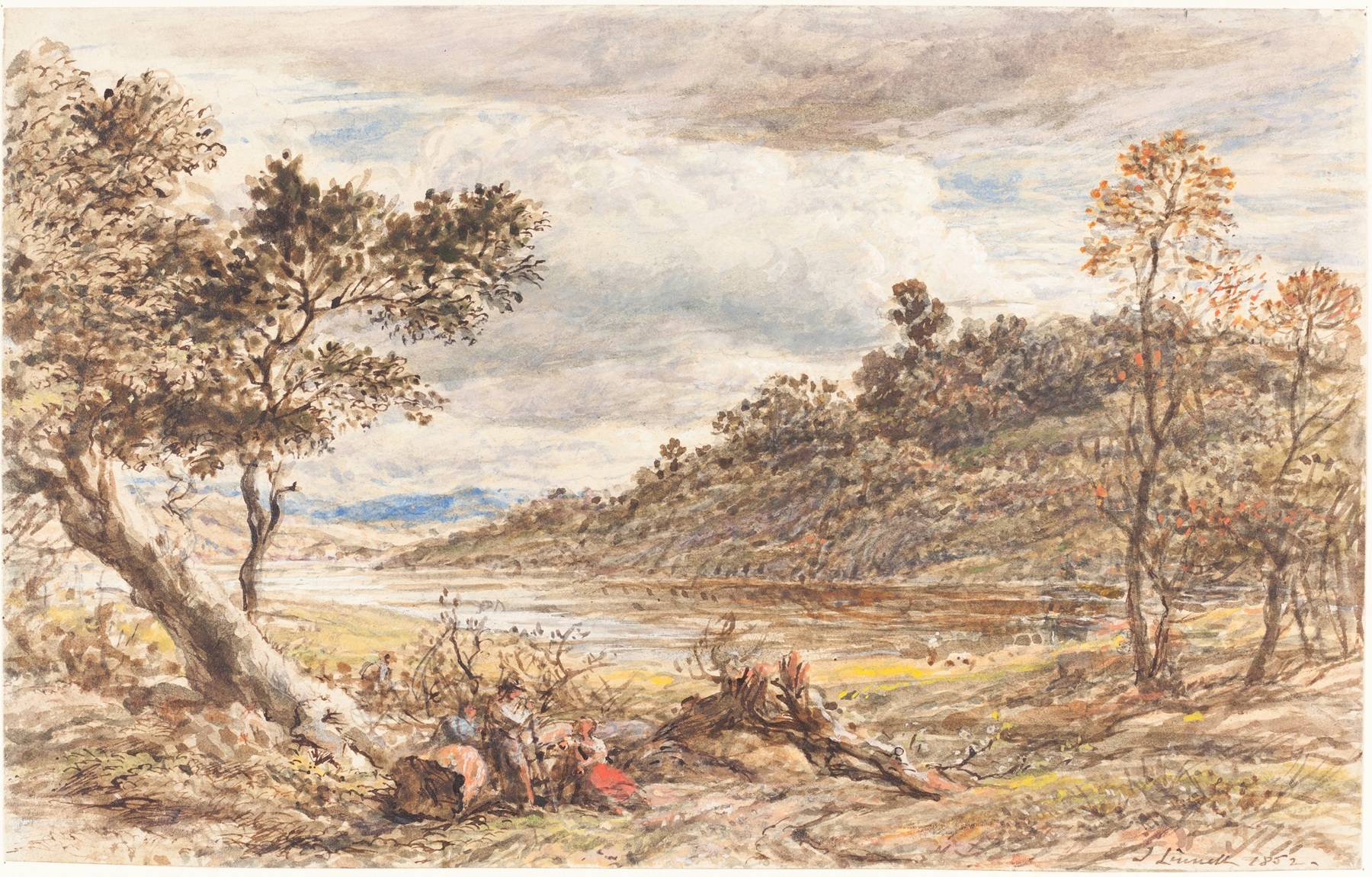
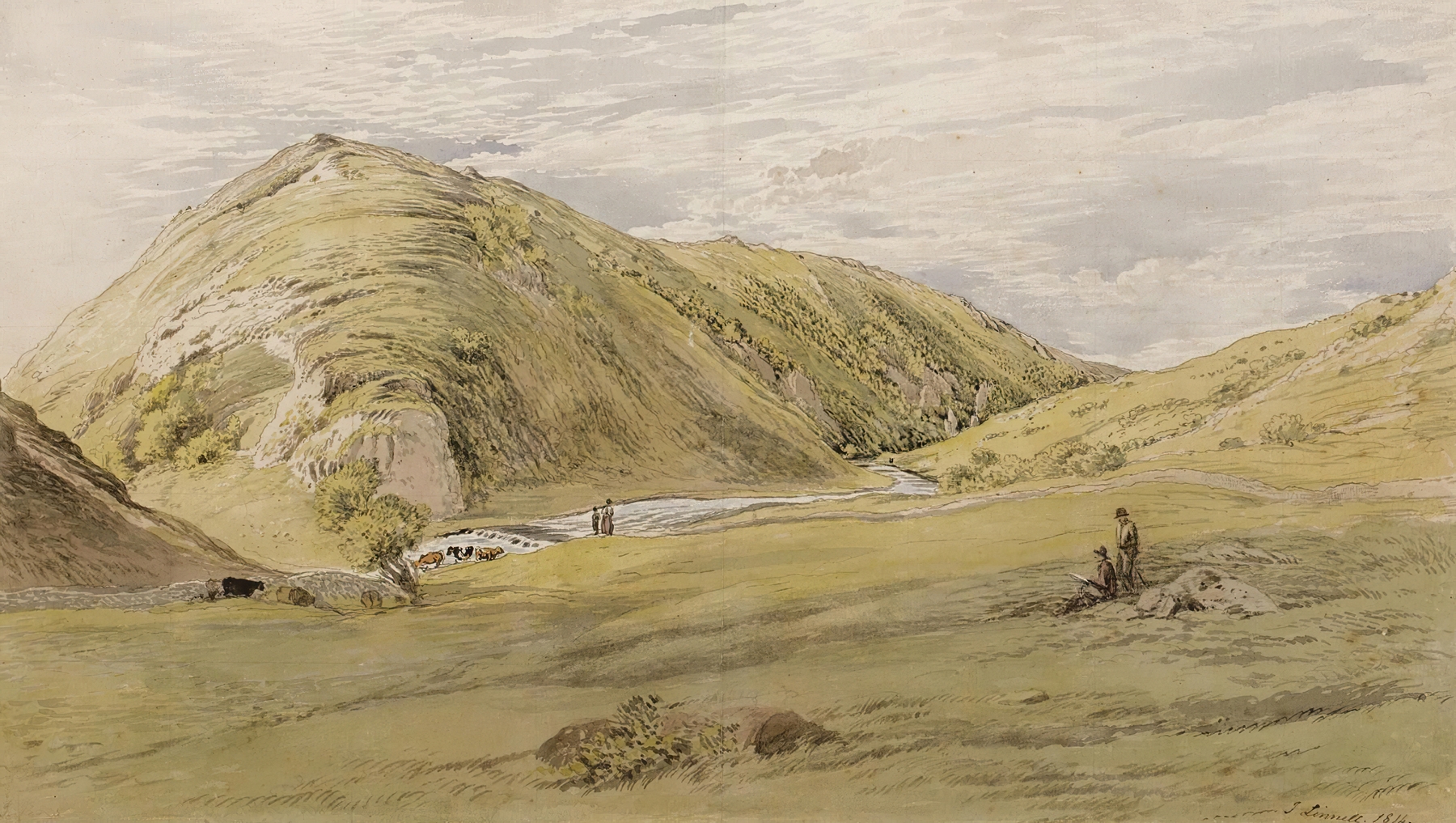
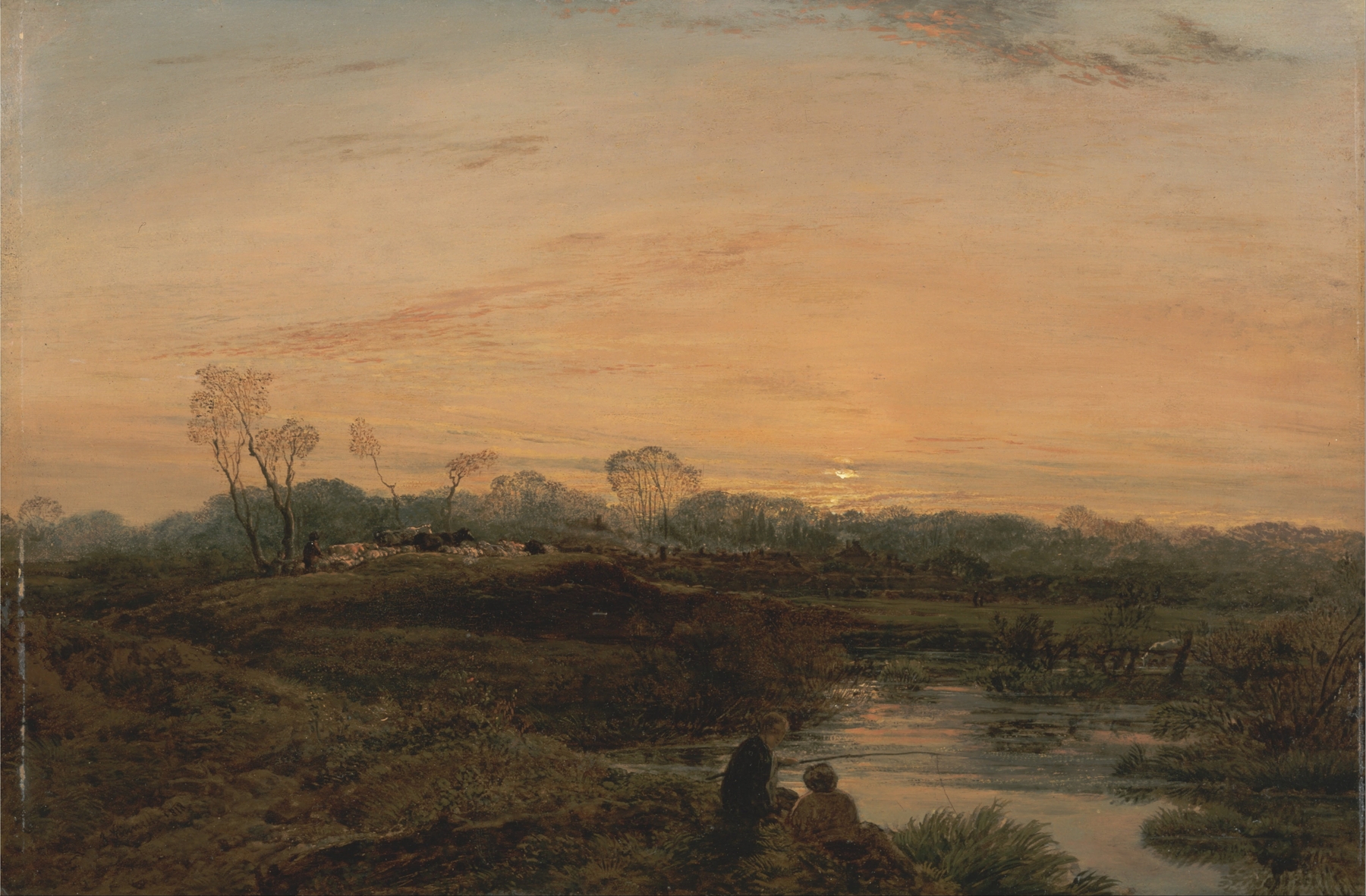
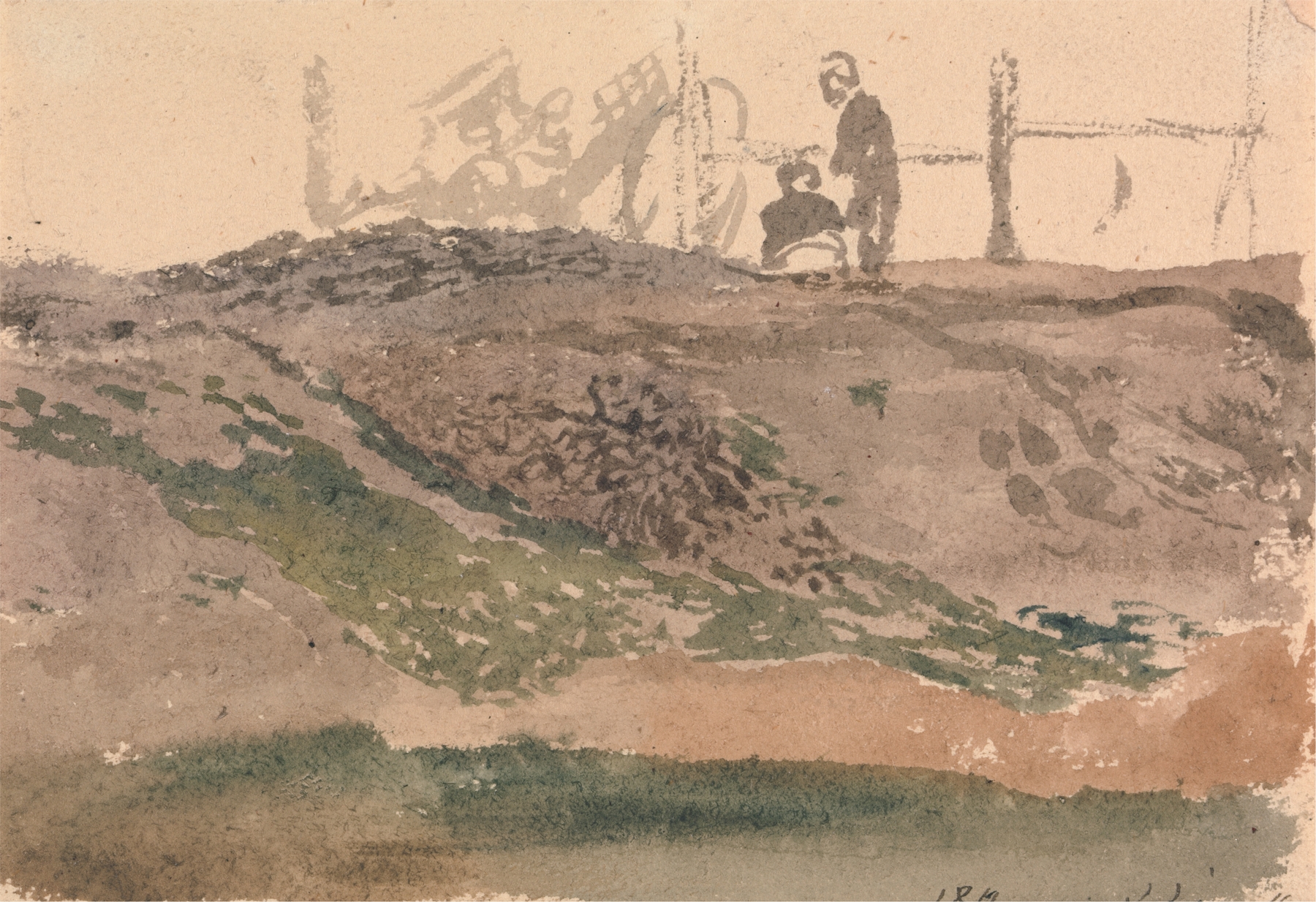
“Every brushstroke is a heartbeat remembered.” In Foundation of Stratten’s Chapel, the essence of rebirth reverberates through the canvas, inviting contemplation of renewal amid loss. Look to the left, where a delicate interplay of light and shadow dances across the ivy-clad ruins. The soft greens and muted earth tones create a tranquil yet poignant atmosphere, suggesting a place once vibrant with life now in quiet reflection. Notice how the ruins rise majestically from the ground, their crumbling forms juxtaposed against the lush surrounding foliage, embodying nature's slow reclamation of space once sacred.
The emotional tension is palpable as you explore the details; the distant figures laboring to construct a new structure evoke the resilience of human spirit, striving for continuity amidst decay. The contrast of the solid stone with the ethereal light streaming through the trees subtly suggests hope; the chapel, though in ruins, becomes a metaphor for the cycle of life, death, and rebirth. Each brushstroke serves to remind us of the poignant beauty found in transformation.
In 1811, John Linnell painted this piece during a period of personal exploration and artistic evolution. Living in London, he was influenced by the Romantic movement, which valued emotion and nature. This painting reflects not only his artistic aspirations but also the broader societal shifts of the time, as people began to look toward nature for inspiration and solace amid the rapid industrial changes occurring around them.