Geseling van Christus — History & Analysis
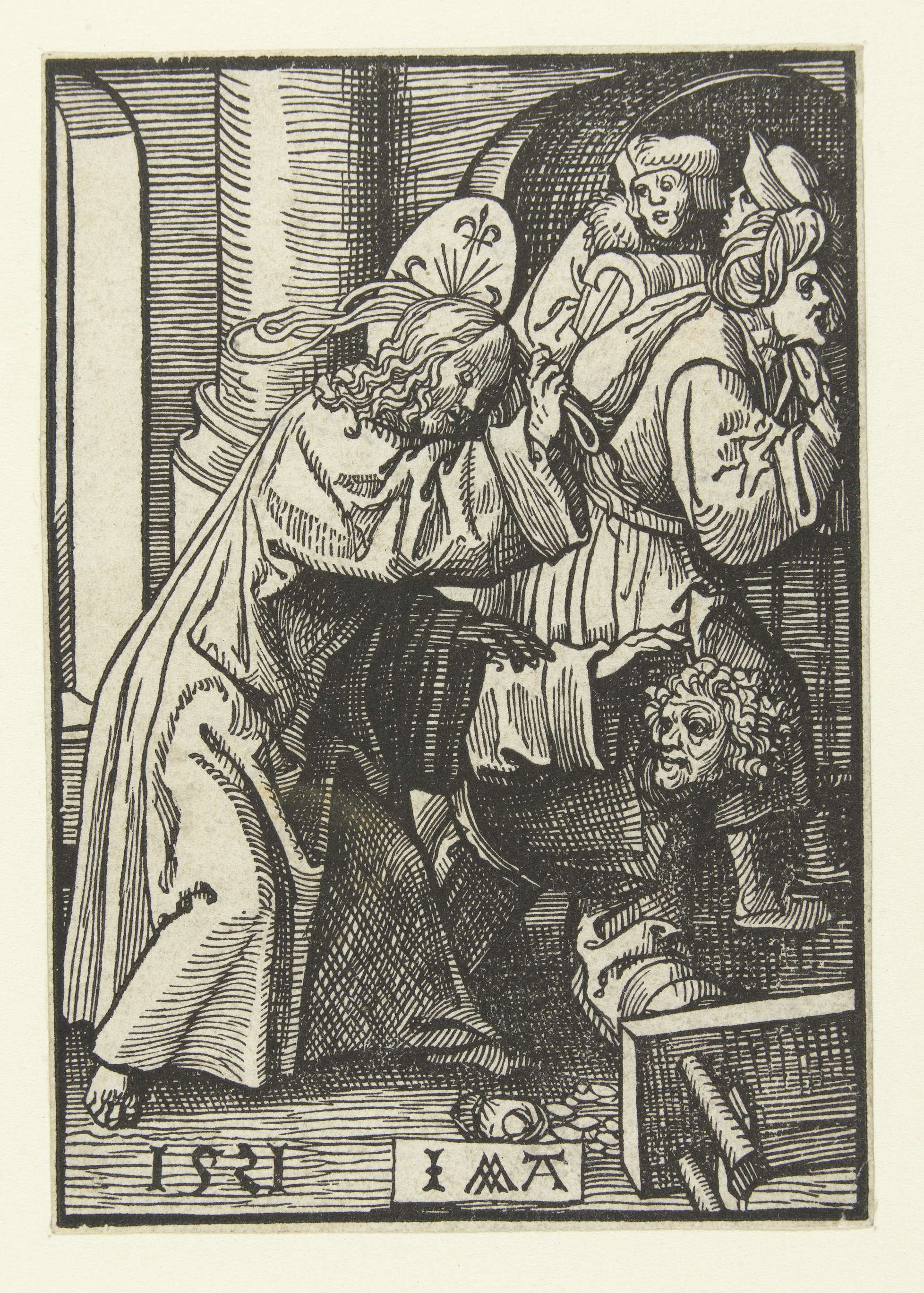
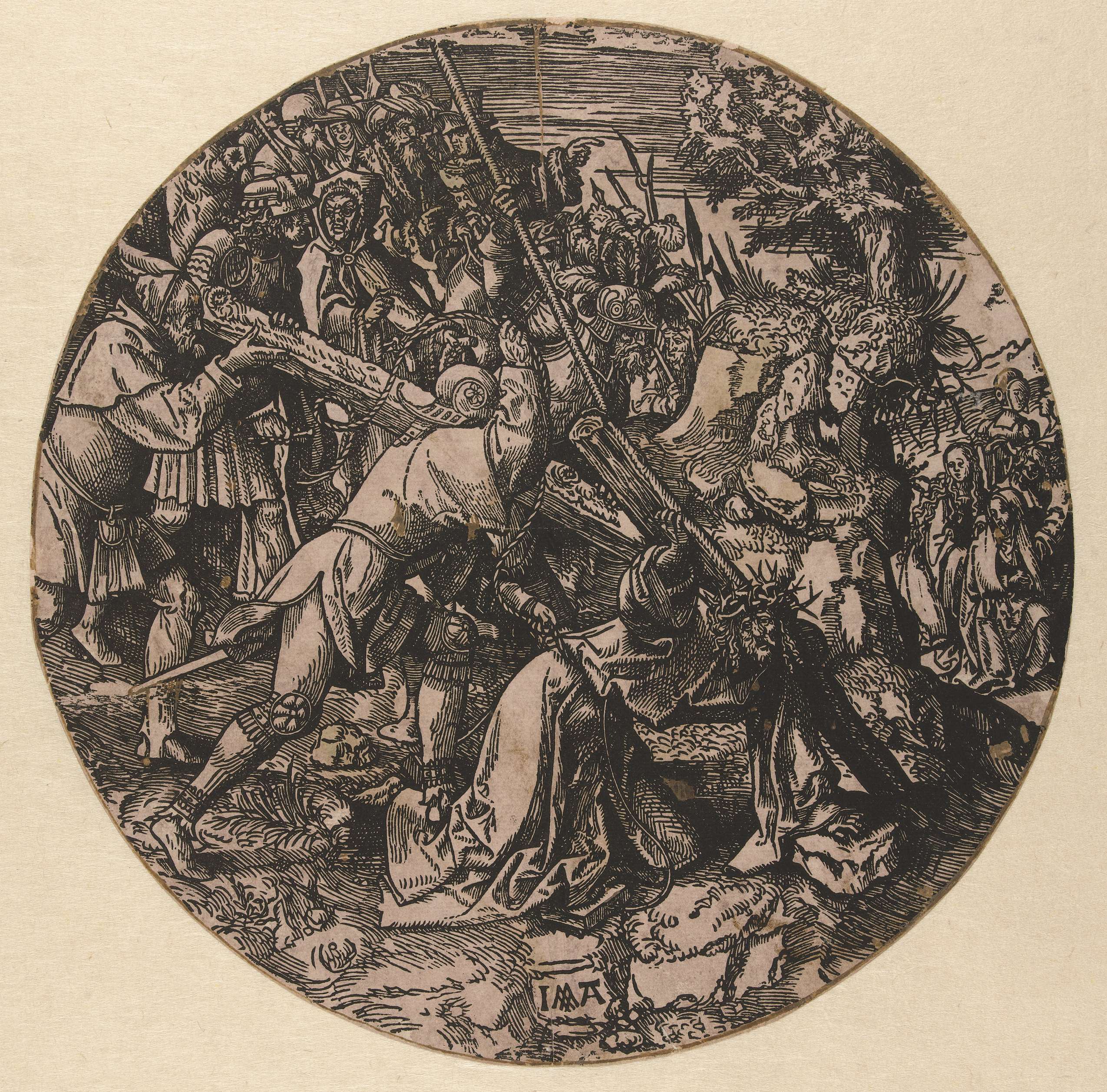
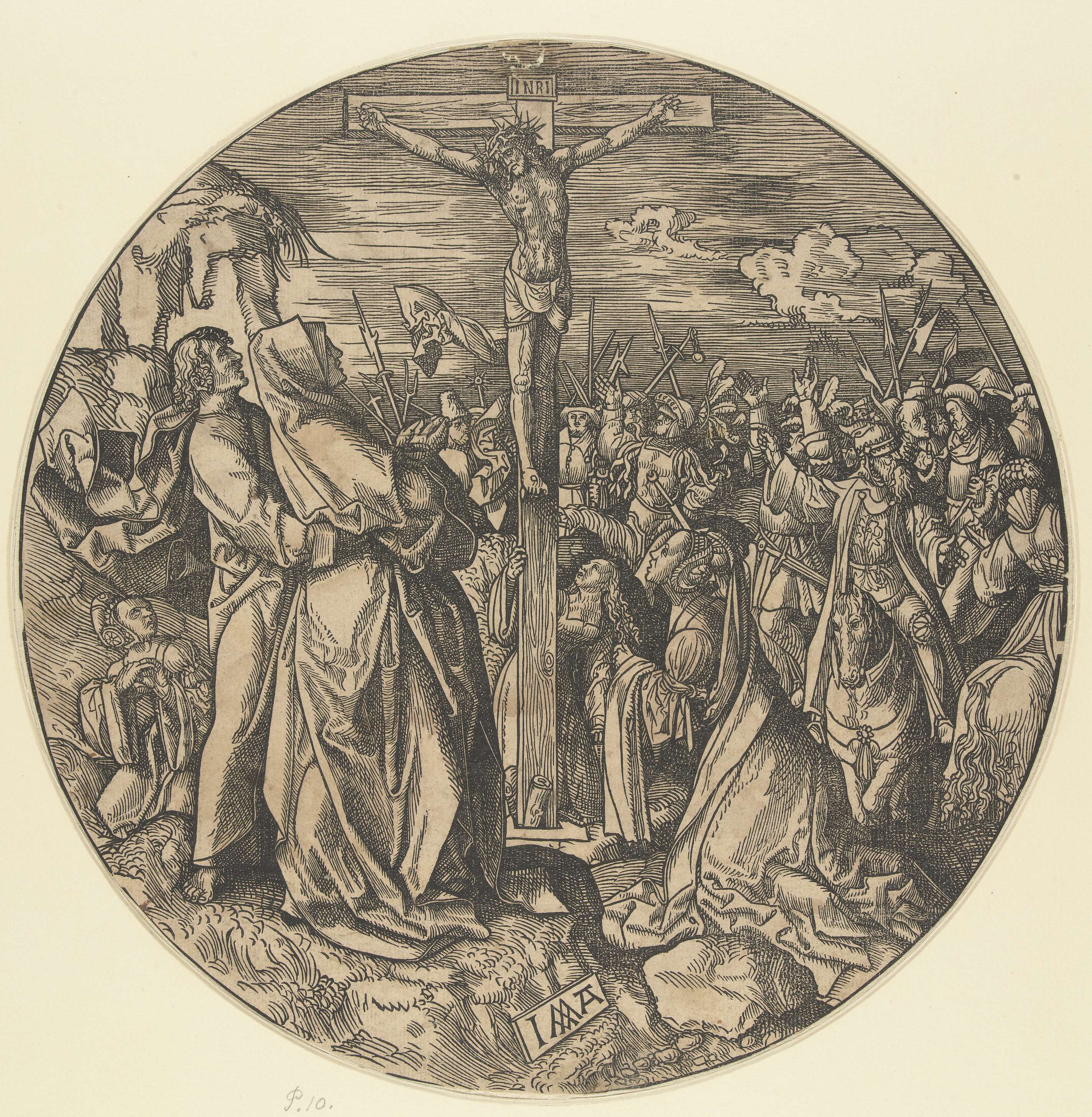
Can beauty exist without sorrow? In this exquisite work, the interplay between grace and desolation invites us to reflect on the profound emptiness that often accompanies moments of deep emotion. Look closely at the solemn figure in the foreground, encircled by a muted palette of earthy tones. The drapery hangs heavily, accentuating the weight of the scene, while the delicate details of the figures' expressions reveal a poignant vulnerability.
Notice how the light subtly illuminates Christ’s face, highlighting the stark contrast between divinity and the brutality of his fate. The shadows deepen around him, creating an atmosphere thick with anticipation and grief. In this painting, the tension between the serene beauty of the figures and the underlying sorrow paints a complex emotional landscape. The meticulously rendered hands, poised in prayer, seem to grasp at salvation yet reveal an unsettling stillness that speaks of resignation.
There’s a haunting emptiness in the background, as if the painted world itself recoils from the tragedy unfolding at its forefront—a reminder that even in moments of beauty, a void often lingers just beneath the surface. Jacob Cornelisz van Oostsanen painted this piece in the early 1520s, during a time when Northern Renaissance art began to embrace more emotive themes. Living in Amsterdam, he was influenced by both the early Netherlandish styles and the burgeoning humanist movement, which sought to explore the depths of human experience. This context may have informed his exploration of sacred themes, allowing him to infuse his work with a sense of introspective beauty that resonates even today.