Gezicht op Tjileboet — History & Analysis
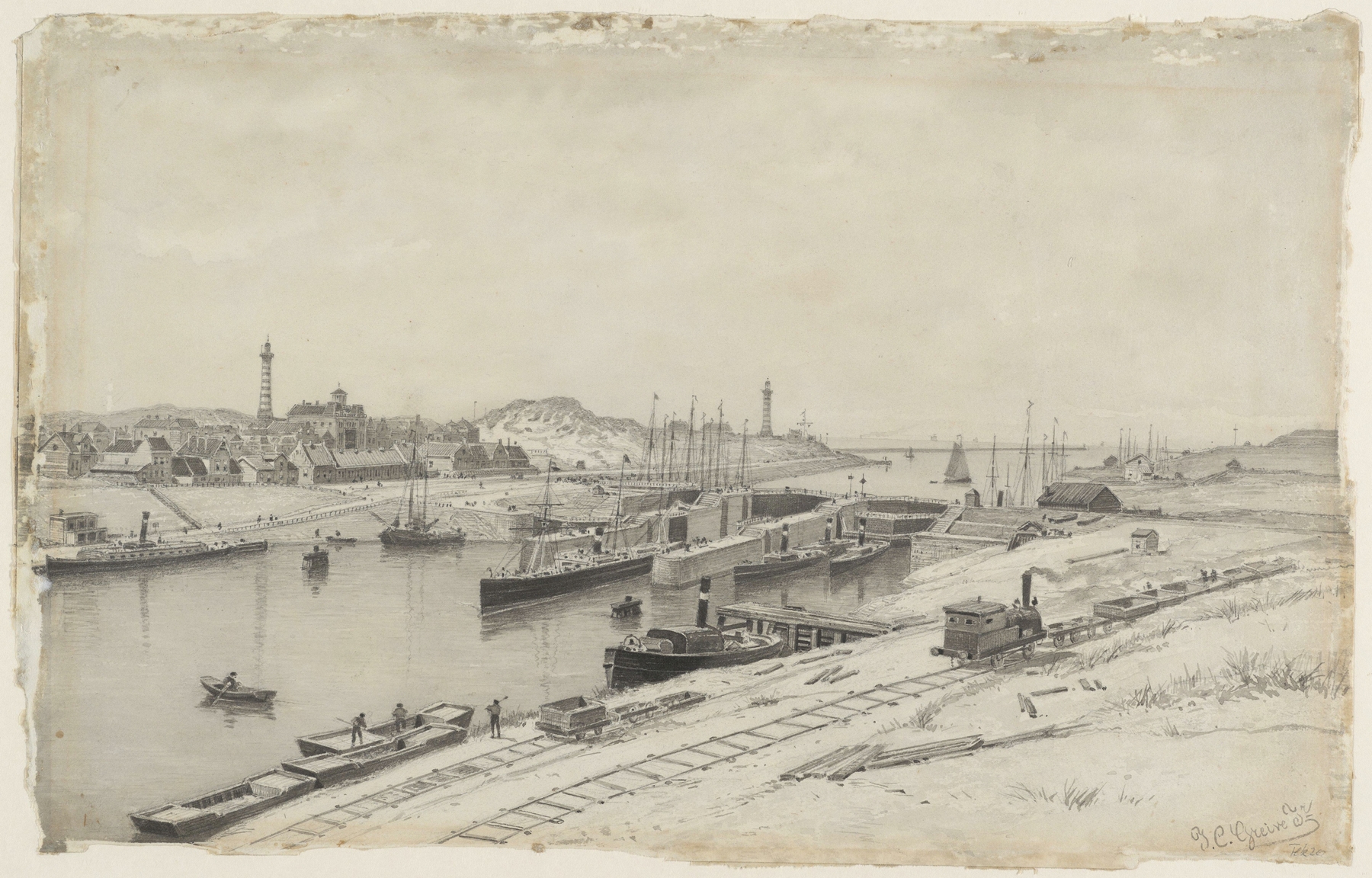
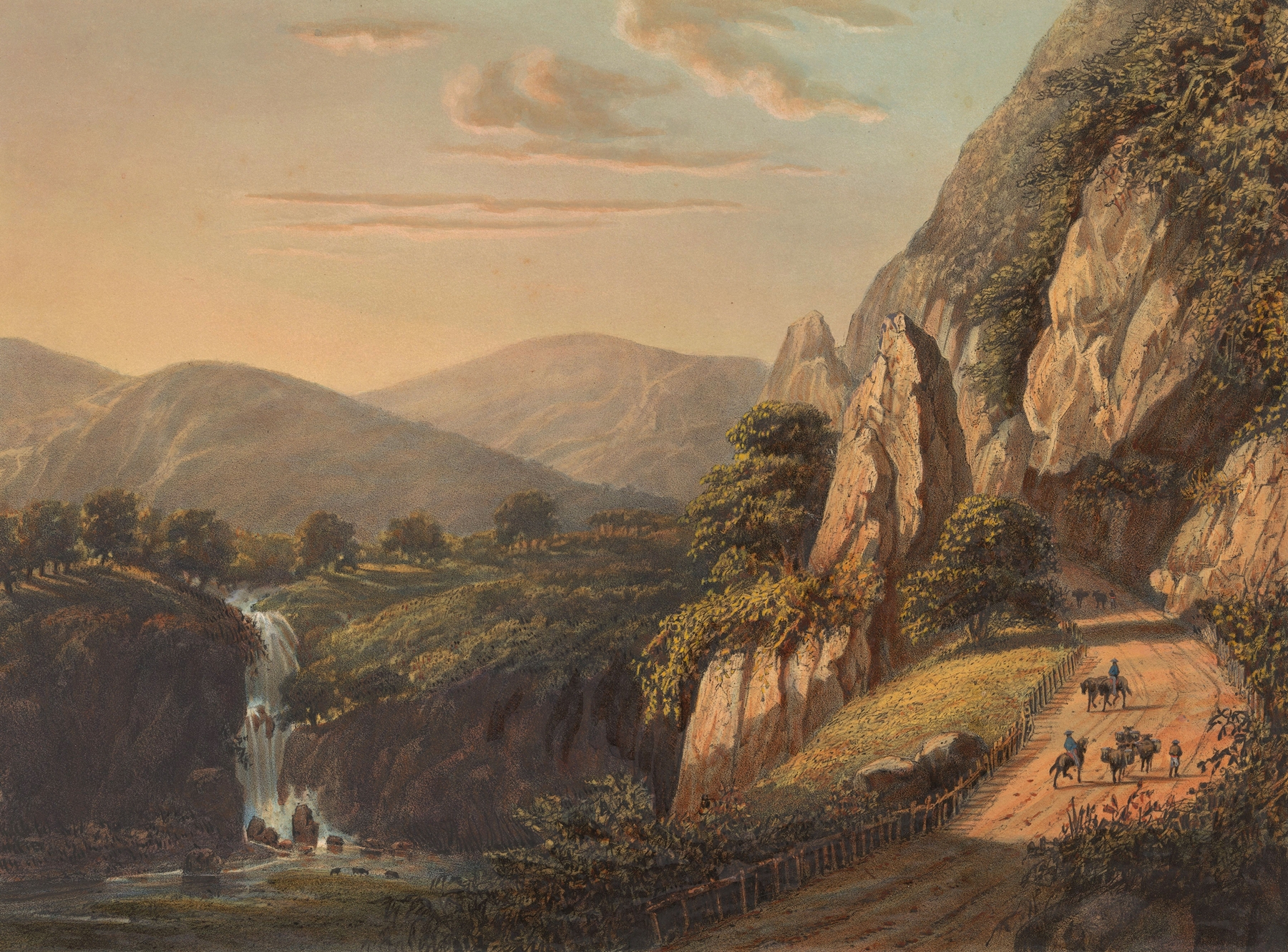
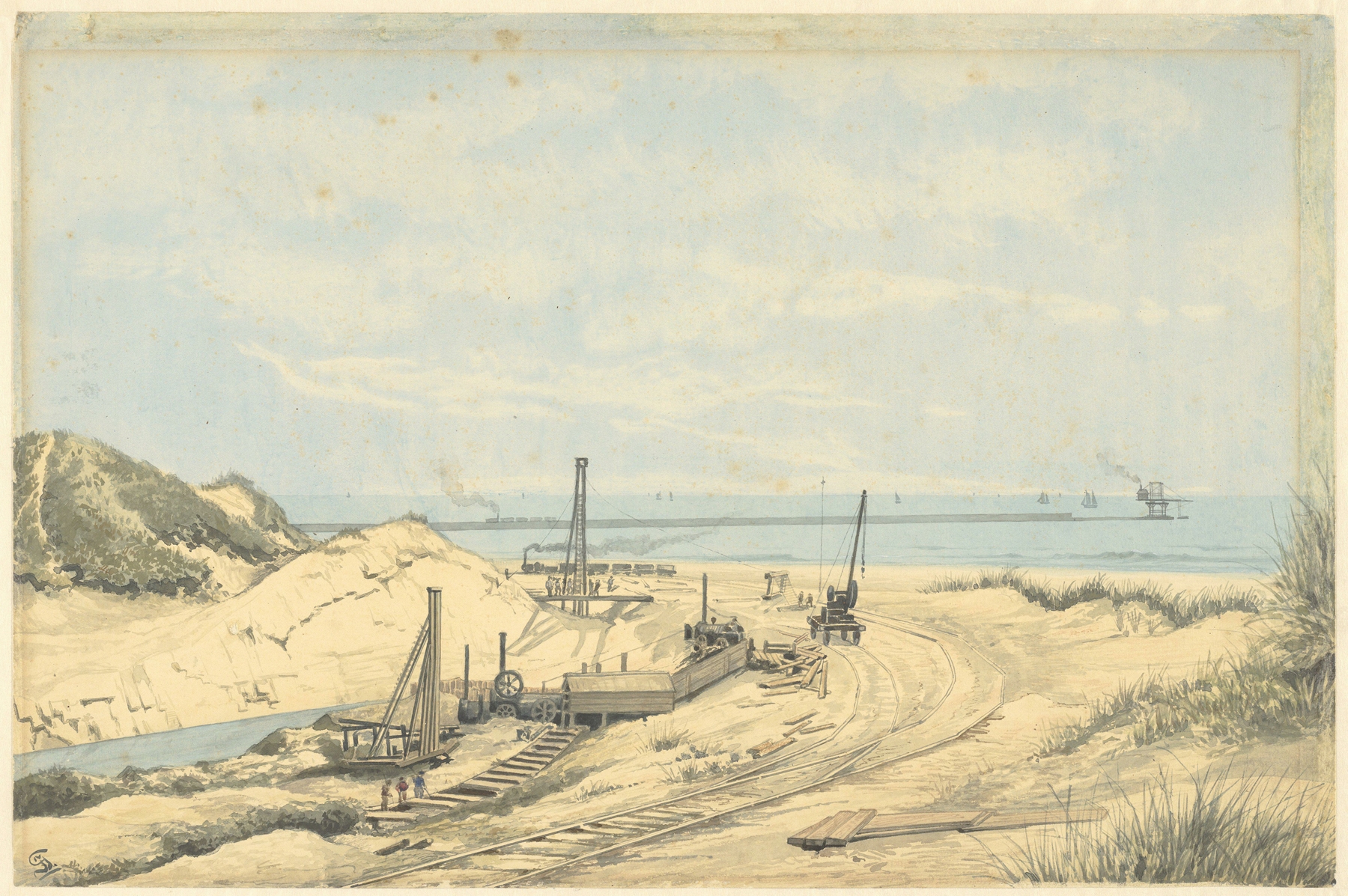
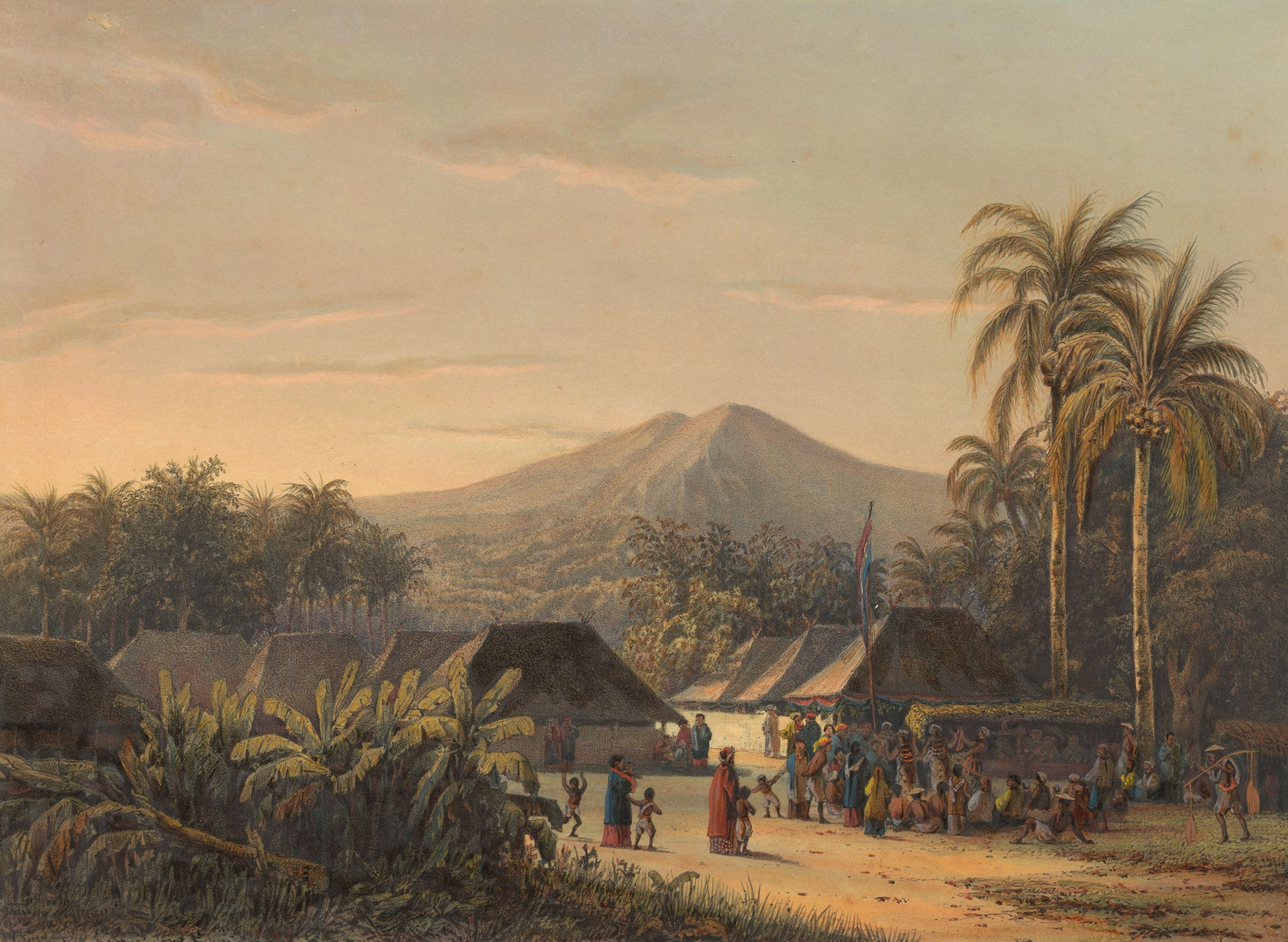
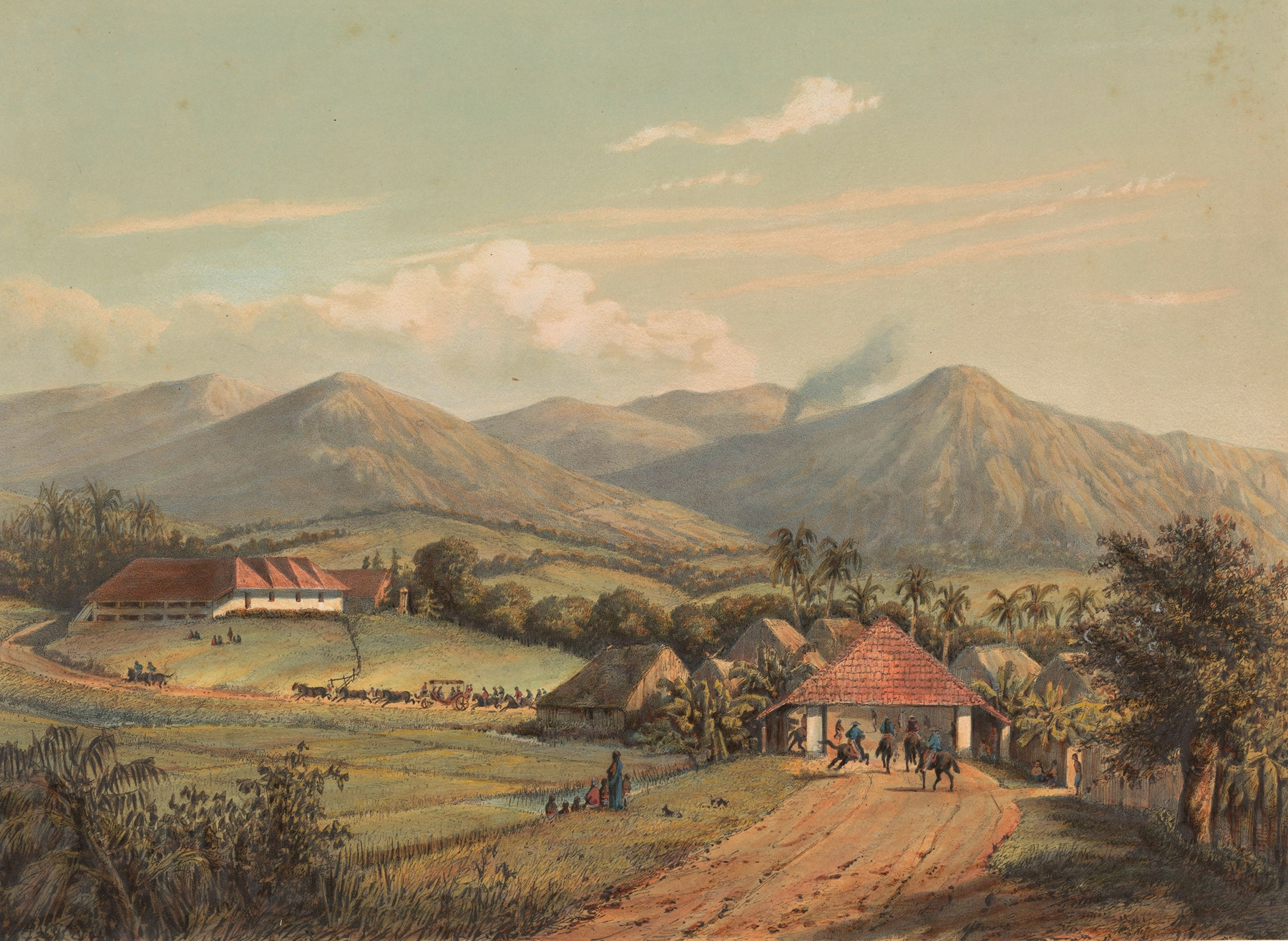
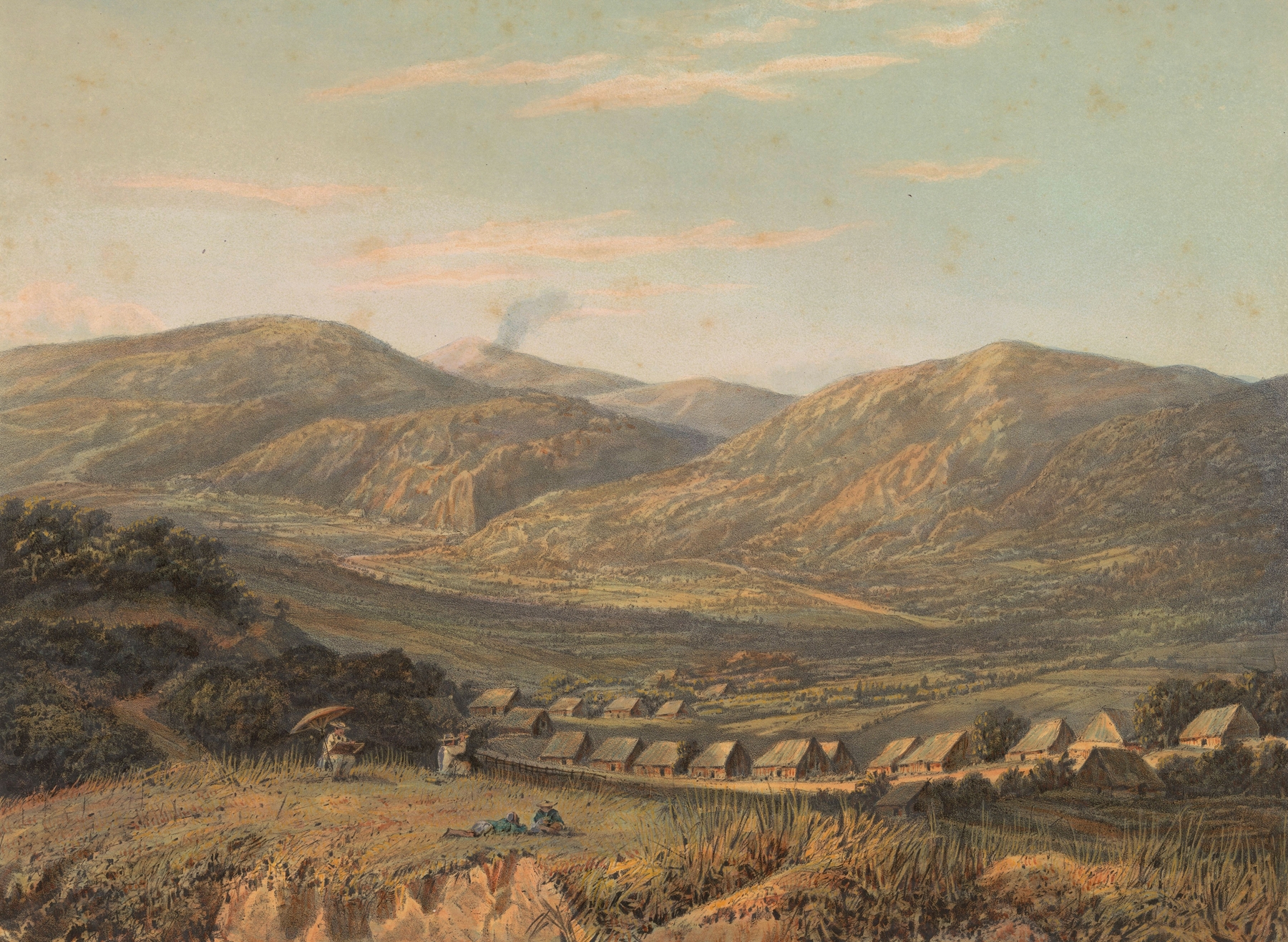
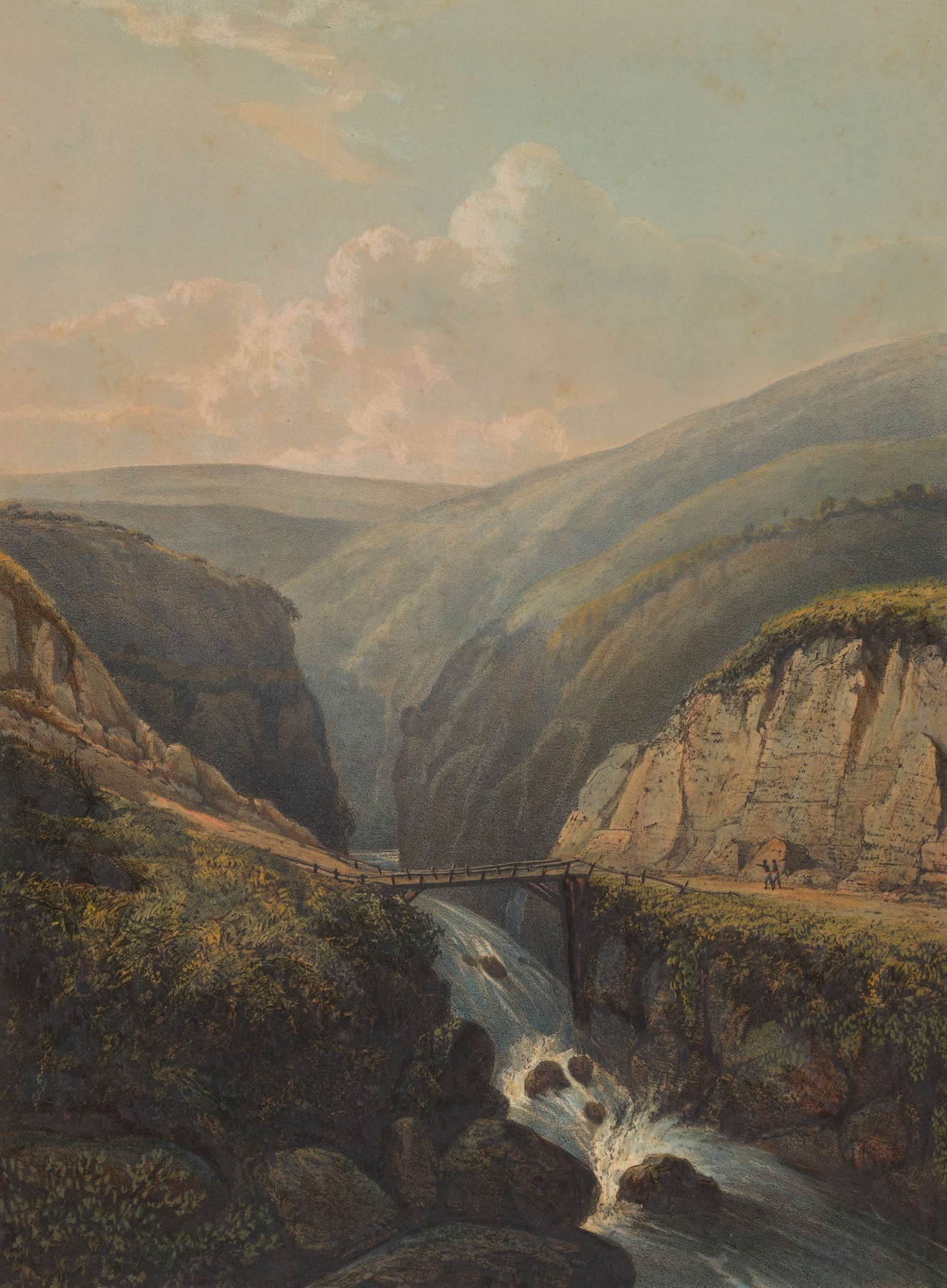
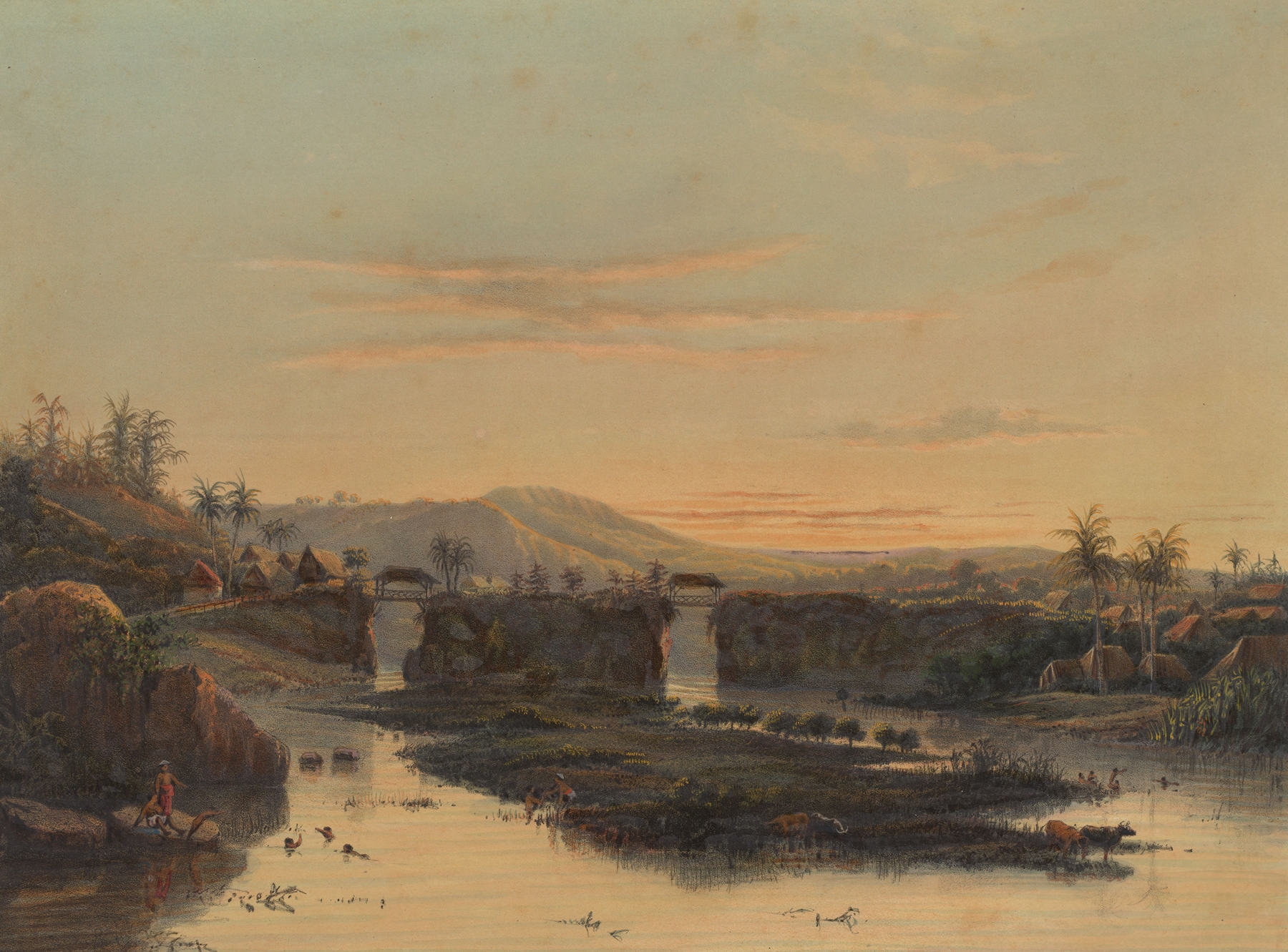
What if beauty was never meant to be finished? The ephemeral quality of nature captured in a moment invites contemplation, urging one to ponder the tranquility of existence. Look to the left at the gentle curve of the river, a silken ribbon weaving through the landscape. Here, soft greens meet muted browns under a sky that melds seamlessly from azure to gold. Notice how the light falls upon the water's surface, creating a glimmer that dances with the breeze, inviting the viewer to trace its path upstream.
The palette, delicate yet rich, evokes a sense of peace that feels almost palpable, as if one could step into this serene world. Delve deeper into the composition, and you’ll discover the subtle contrasts between the stillness of the water and the rustling leaves in the foreground. This dichotomy speaks to a moment suspended in time, where nature breathes quietly yet profoundly. The distant hills rise gently, hinting at both the beauty and vastness of the landscape, emphasizing the fleeting nature of such serenity.
Each brushstroke contributes to a larger harmony, revealing an artist’s love for the natural world and a yearning for stillness in the chaotic swirl of life. In 1874, Johan Conrad Greive painted Gezicht op Tjileboet in the Netherlands, a period marked by a burgeoning appreciation for the natural environment in art. At this time, Greive was influenced by the Dutch Romantic movement, which emphasized emotion and individual experience within landscapes. His immersion in this ethos allowed him to create works that resonated with viewers, reflecting a society grappling with the rapid changes of the industrial age while seeking solace in the beauty of untouched nature.