Graflegging — History & Analysis
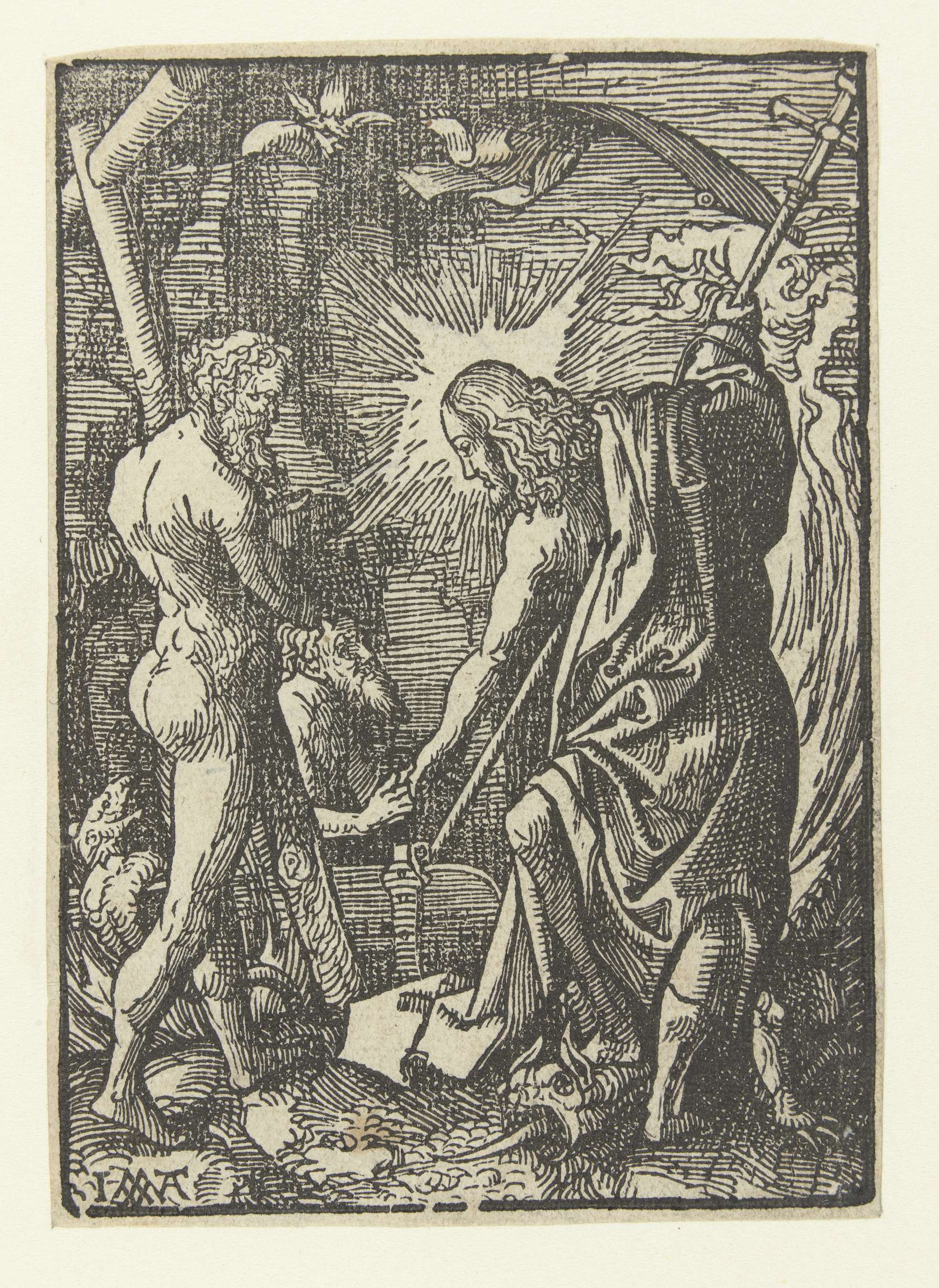
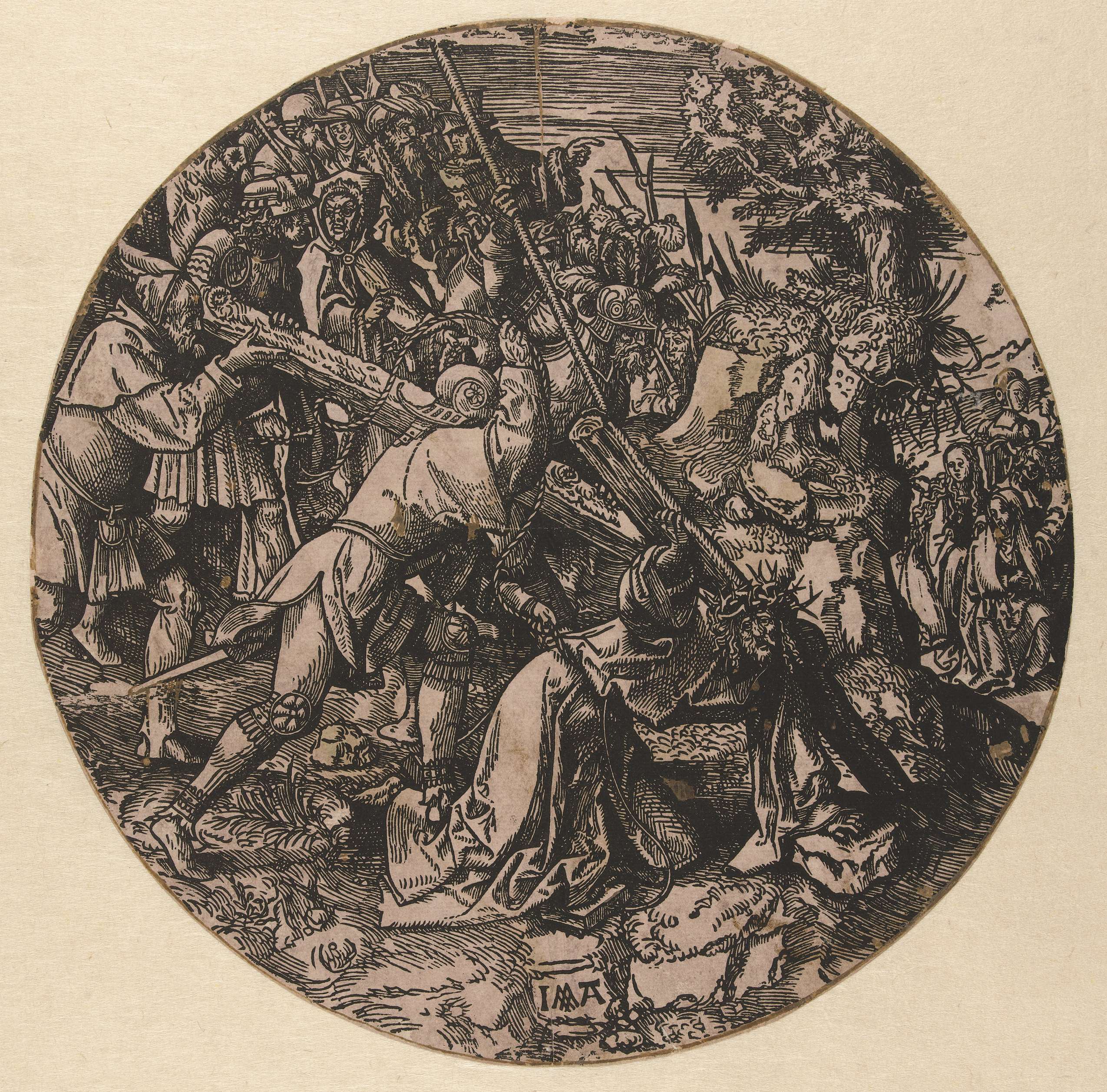
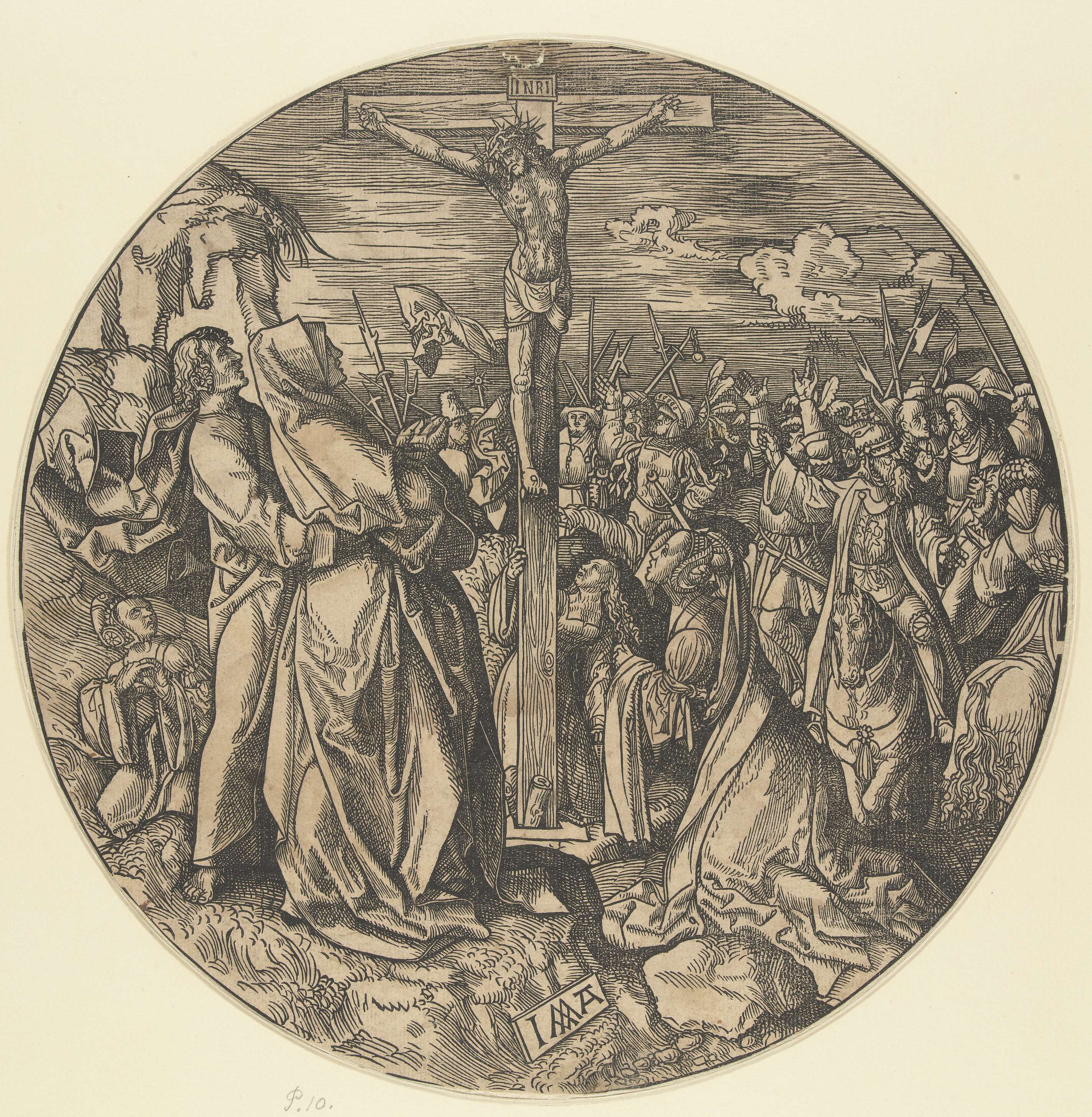
“Under the brush, chaos becomes grace.” In the tender interplay of light and shadow, the concept of legacy unfolds, revealing the fragile nature of existence. Look to the center of the composition, where the solemn figure, possibly a mourner, leans over a figure draped in a delicate shroud. The soft luminosity that emanates from above highlights the contours of their faces, evoking a powerful juxtaposition between the weight of sorrow and the serenity of the afterlife. Notice how the muted palette—rich browns, deep blues, and soft whites—coaxes the viewer into a moment of reflection, inviting introspection into the human experience of loss and memory.
The careful detailing in the fabric of the shroud draws attention, emphasizing the artist's mastery in rendering texture and depth. The emotional tension in this piece lies in the contrast between life and death, presence and absence. The figures are caught in a moment that transcends time, suggesting a narrative that speaks of grief, love, and the desire to honor those who have passed. Details such as the gently clasped hands and the downcast eyes of the mourner reveal a profound connection to the subject, echoing the universal themes of legacy that resonate through history.
Each stroke of the brush contributes to a collective memory, binding the viewer to the timeless nature of human emotion. Jacob Cornelisz van Oostsanen created Graflegging in 1507 in Haarlem, a city bustling with artistic innovation. This period saw a flourishing of Northern Renaissance art, where the artist was influenced by a blend of Gothic traditions and emerging humanist ideals. As he crafted this poignant scene, he was already establishing a reputation for his religious and allegorical works, marking a significant moment in his career as he balanced personal expression with the evolving demands of the art world.