Hackinger Au — History & Analysis
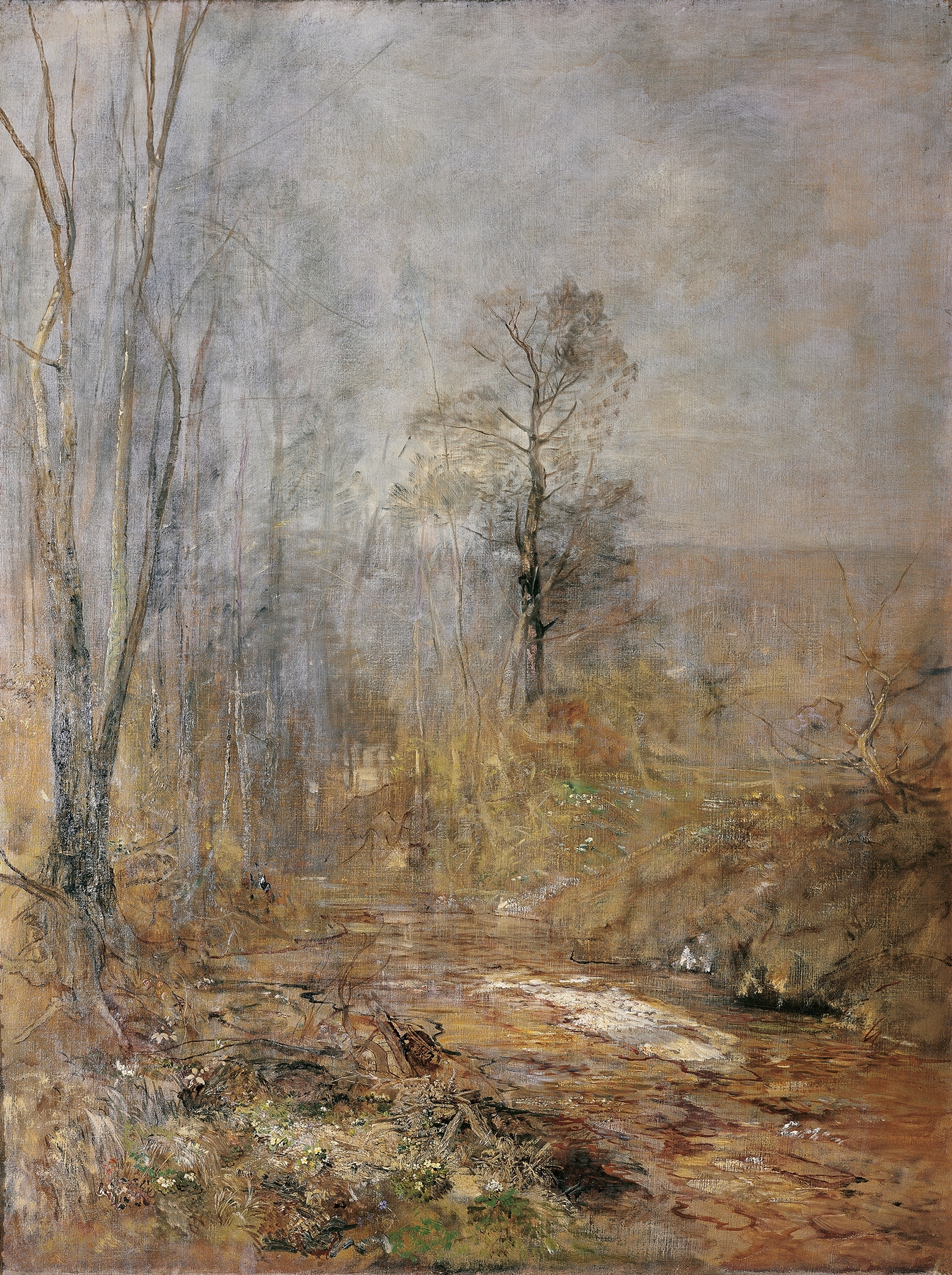
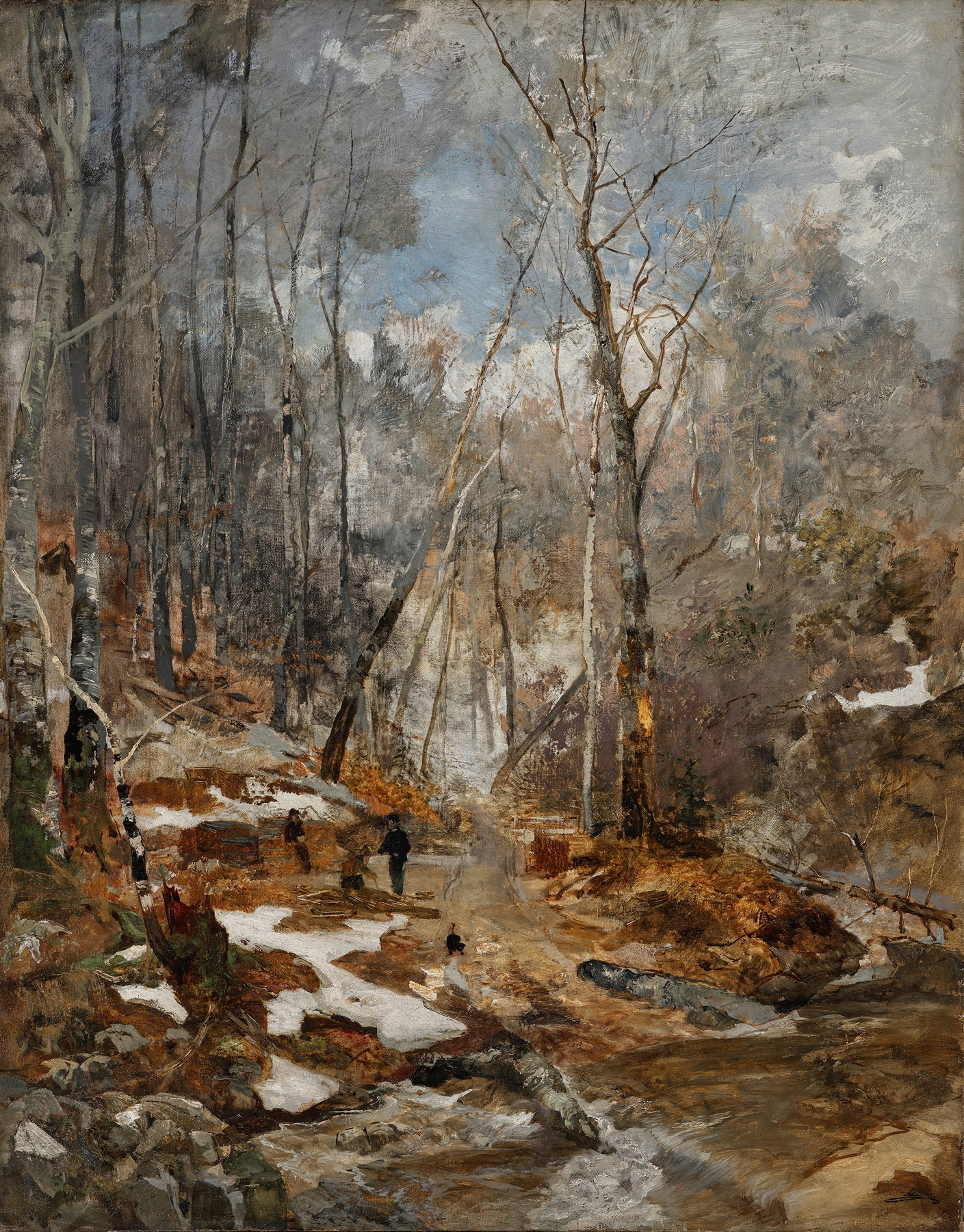
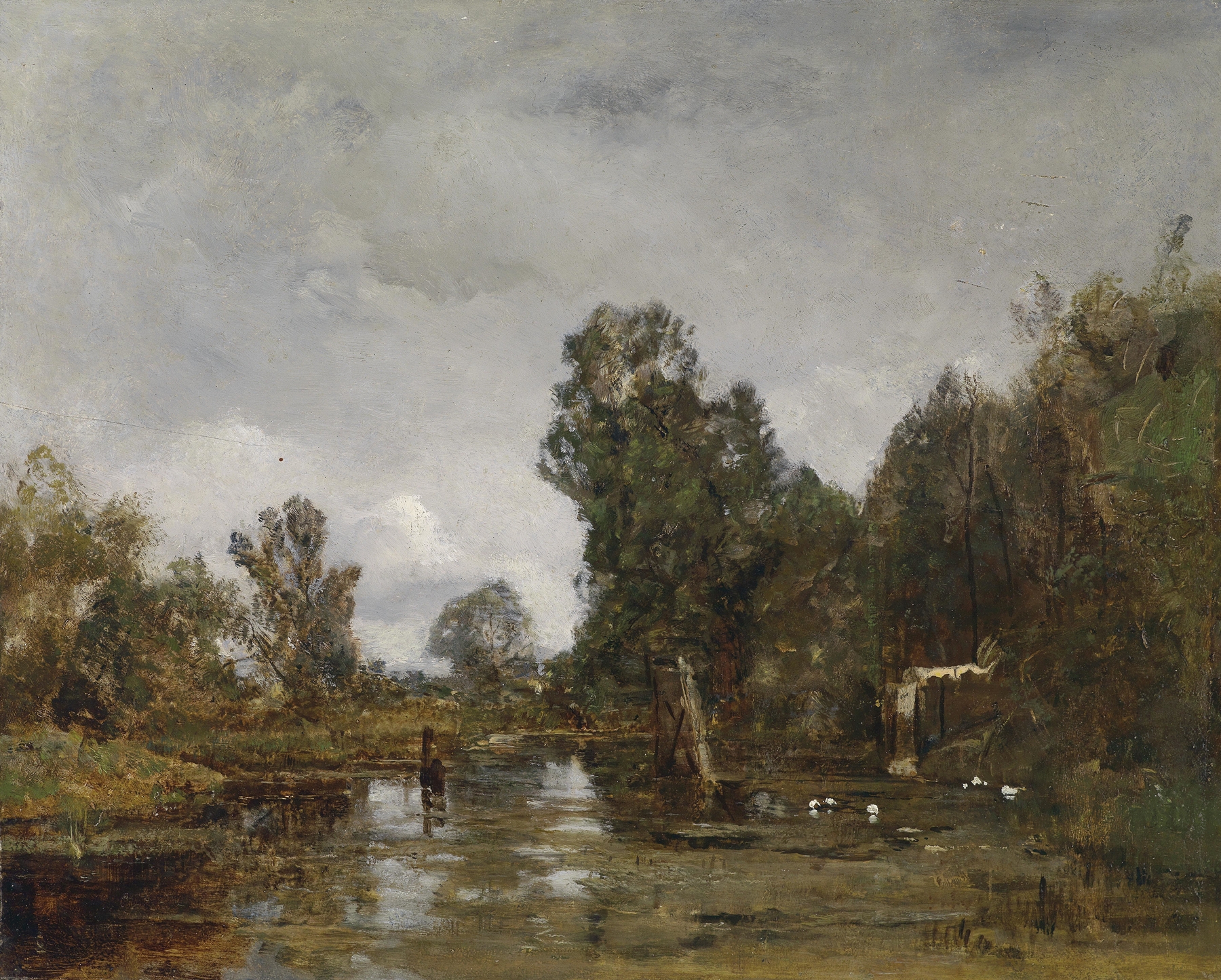
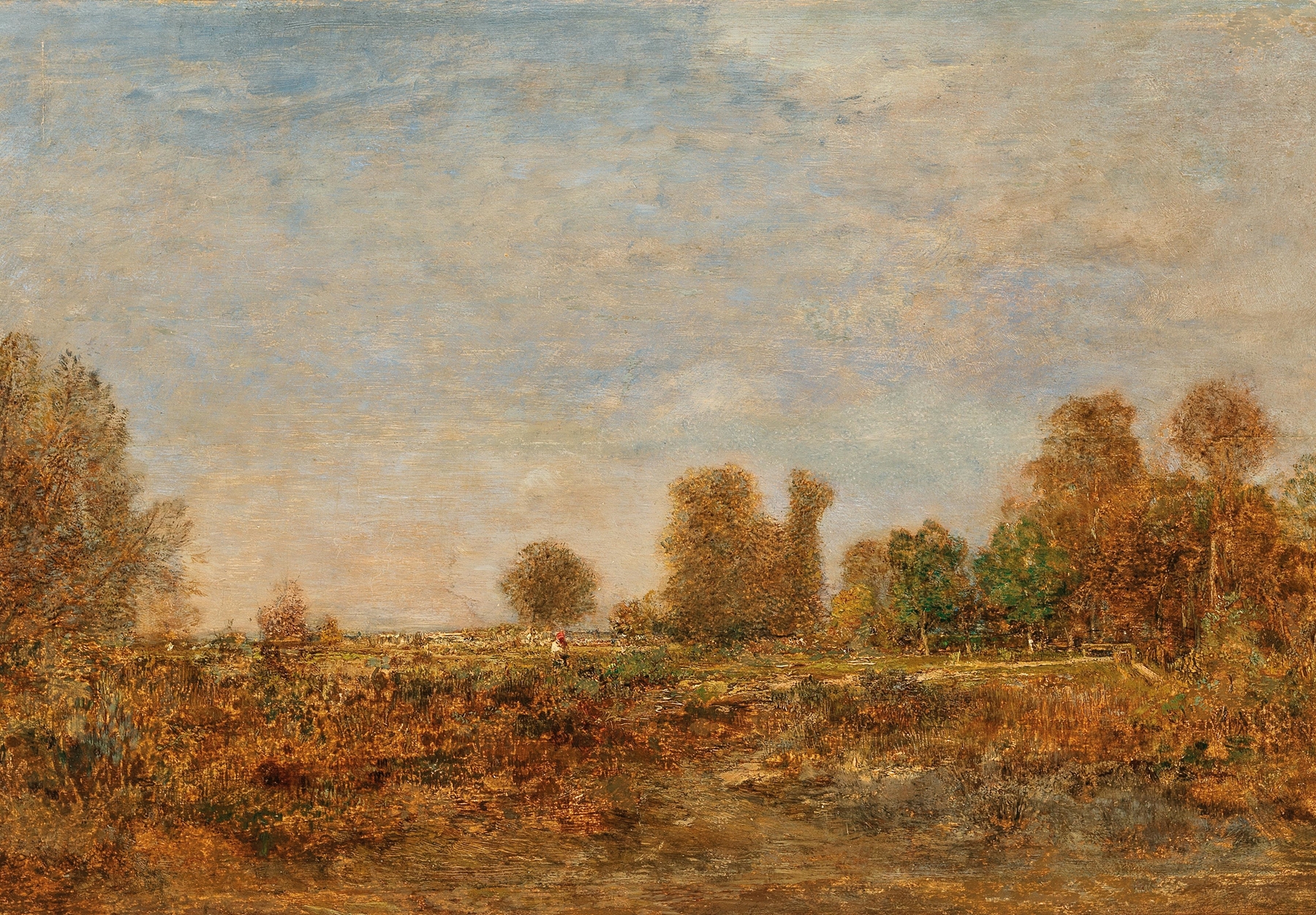
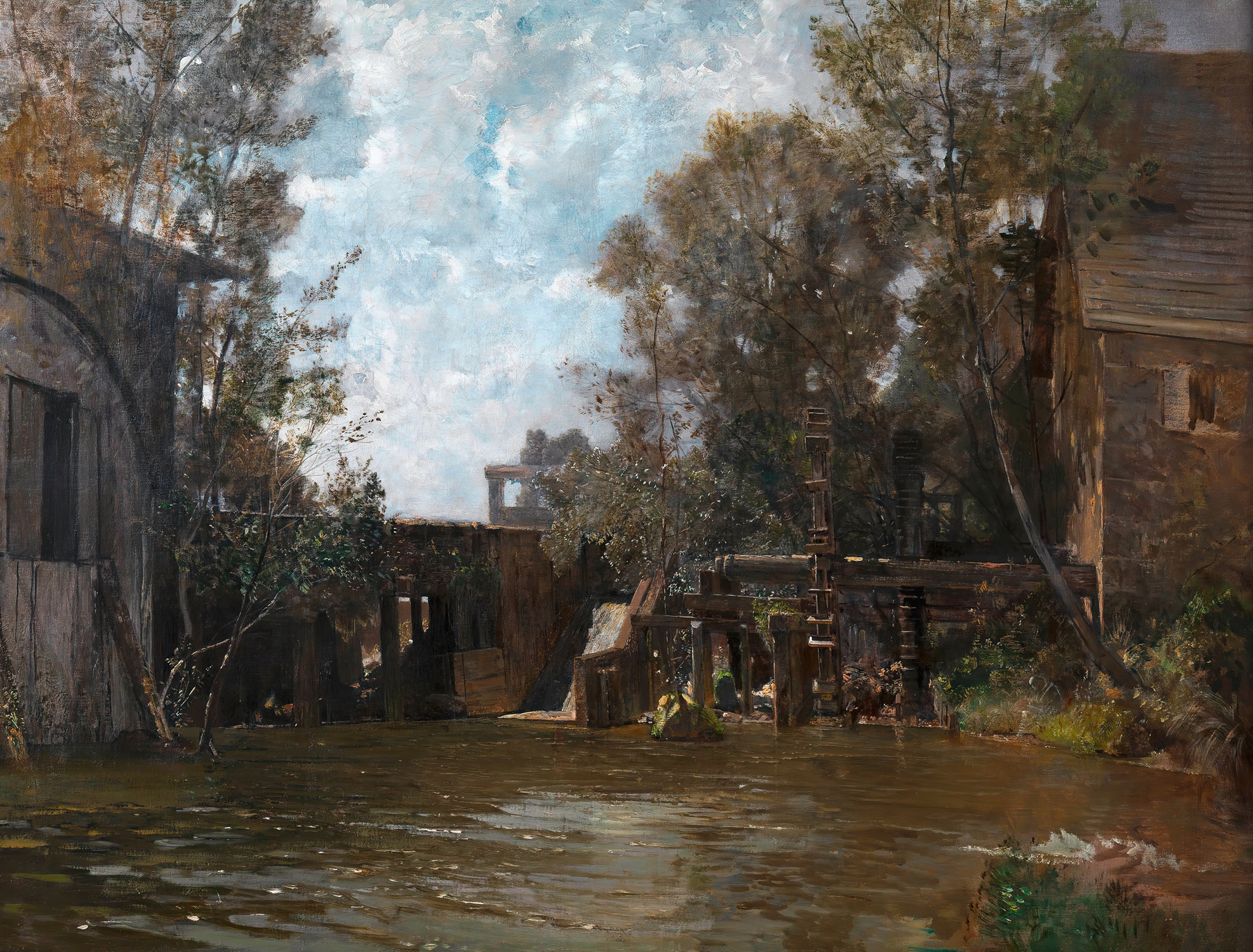
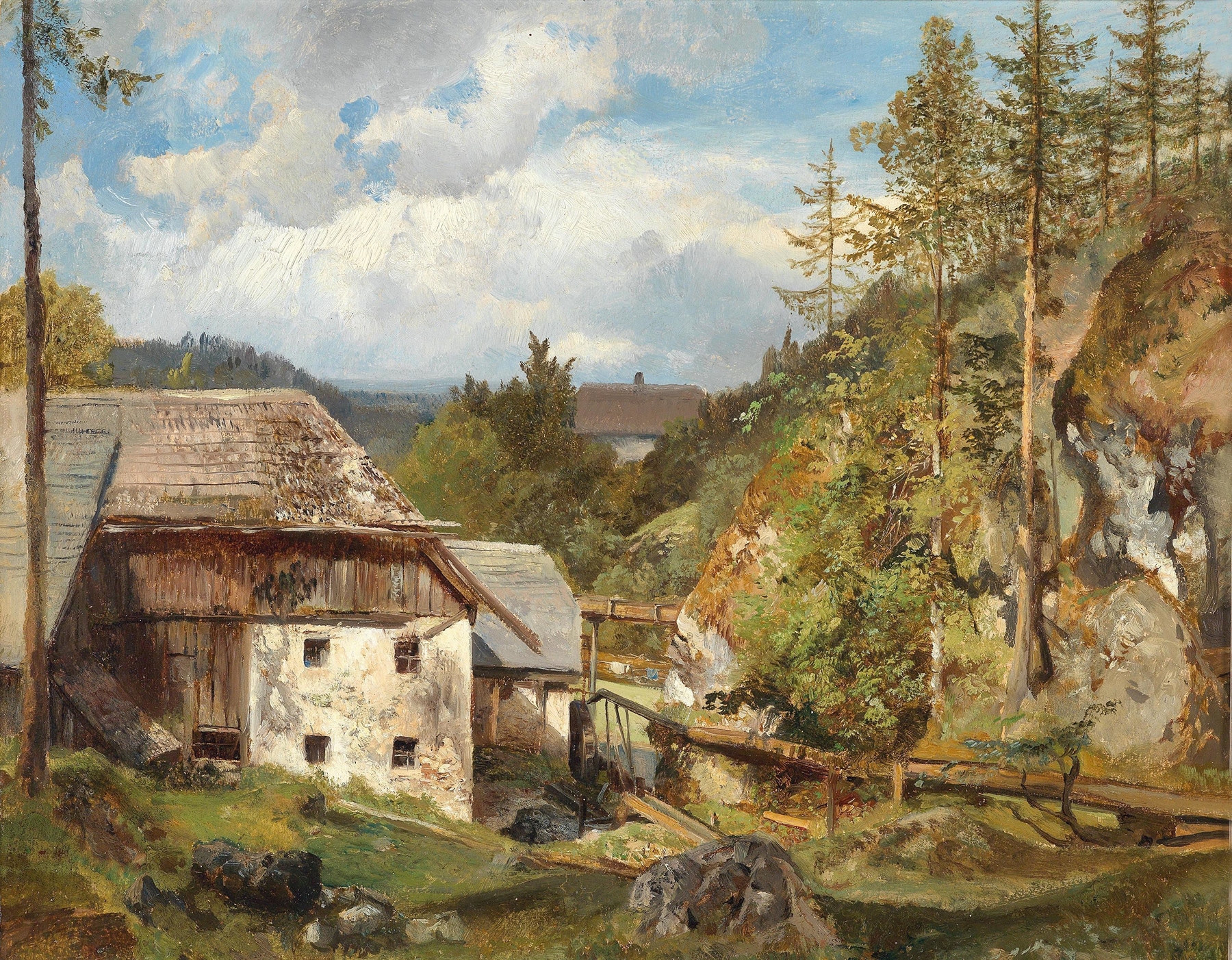
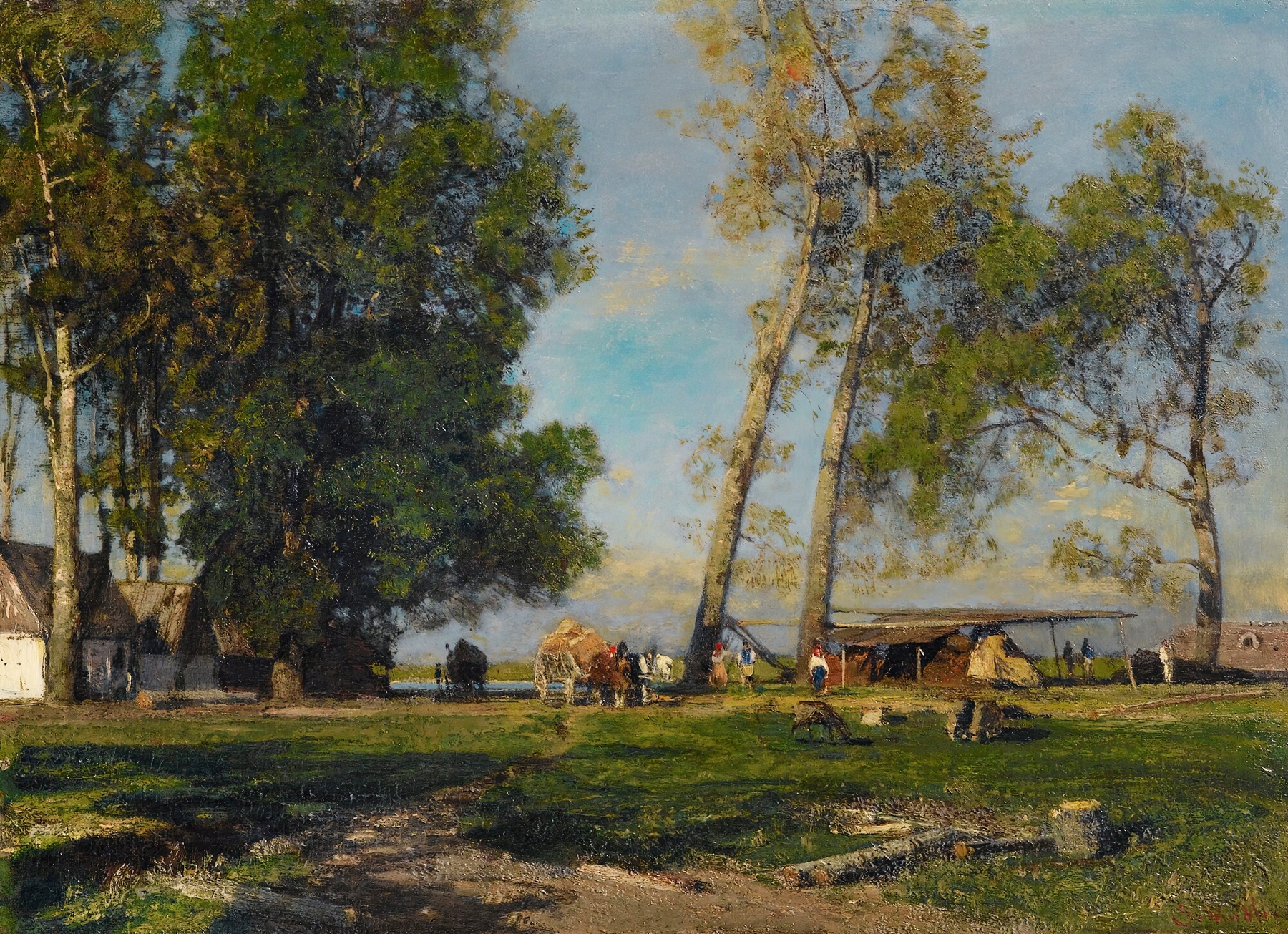
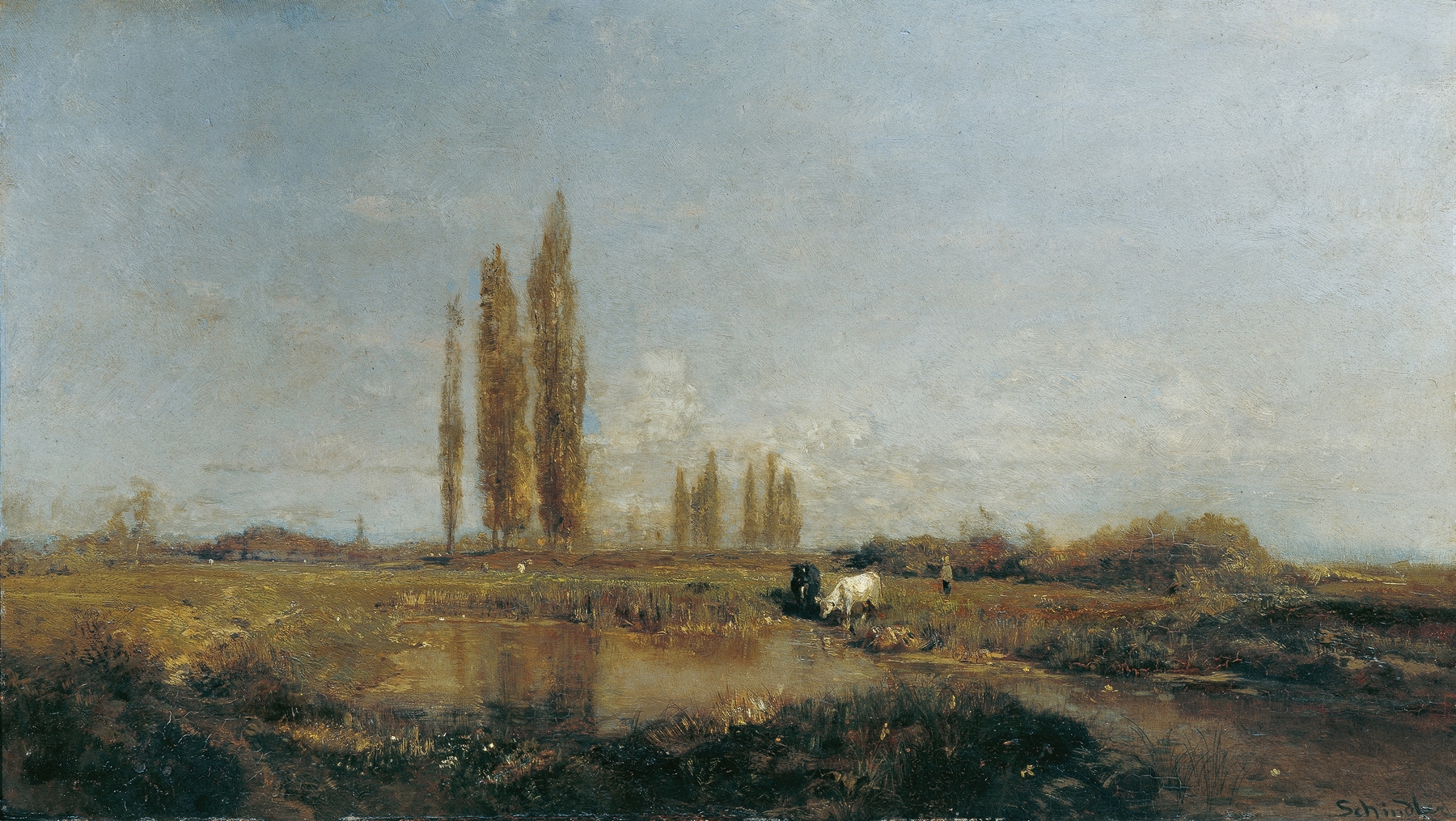
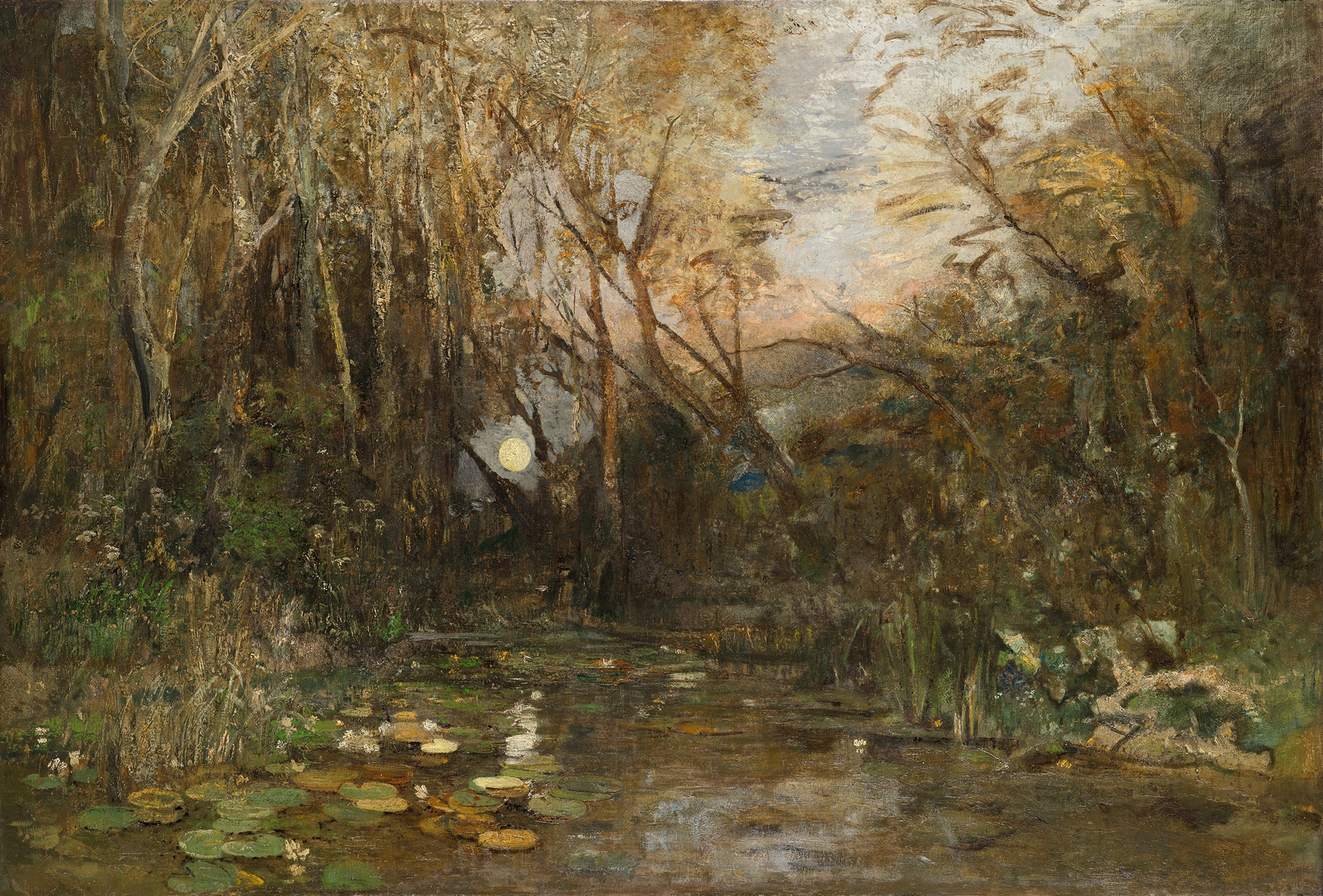
“Sometimes beauty is just pain, disguised in gold.” The landscape unfolds like a bittersweet memory, a space where emptiness whispers beneath the brushstrokes. Look to the horizon where rolling hills meet the sky, painted in layers of green and ochre, punctuated by the delicate touch of sunlight. Notice how the trees stand tall, their silhouettes softened by the warm glow of late afternoon, inviting you to step closer into a world that feels both tranquil and haunting. The palette is a symphony of earth tones, yet the subtle grays hint at a deeper melancholy woven into the serene imagery.
Beneath the surface, the viewer can sense the tension between beauty and solitude. The flowing river, a symbol of life and continuity, appears almost stagnant, suggesting a quiet longing for something beyond the picturesque. Small details, such as the fleeting shadows cast by the trees, evoke an anxiety that contrasts with the idyllic setting, inviting reflection on the void that often lies beneath the surface of our own experiences.
In 1880, while creating this piece, the artist immersed himself in the natural landscapes of Austria, exploring the intimate relationship between humanity and the environment. This period marked a time of personal exploration for him as he sought to capture the essence of the world around him, reflecting both the tranquility of nature and the complexities of human emotion. Schindler's work encapsulates the spirit of an era that began to embrace Impressionist influences, allowing for a new depth in the portrayal of the landscape.