Harborne Church, near Birmingham — History & Analysis
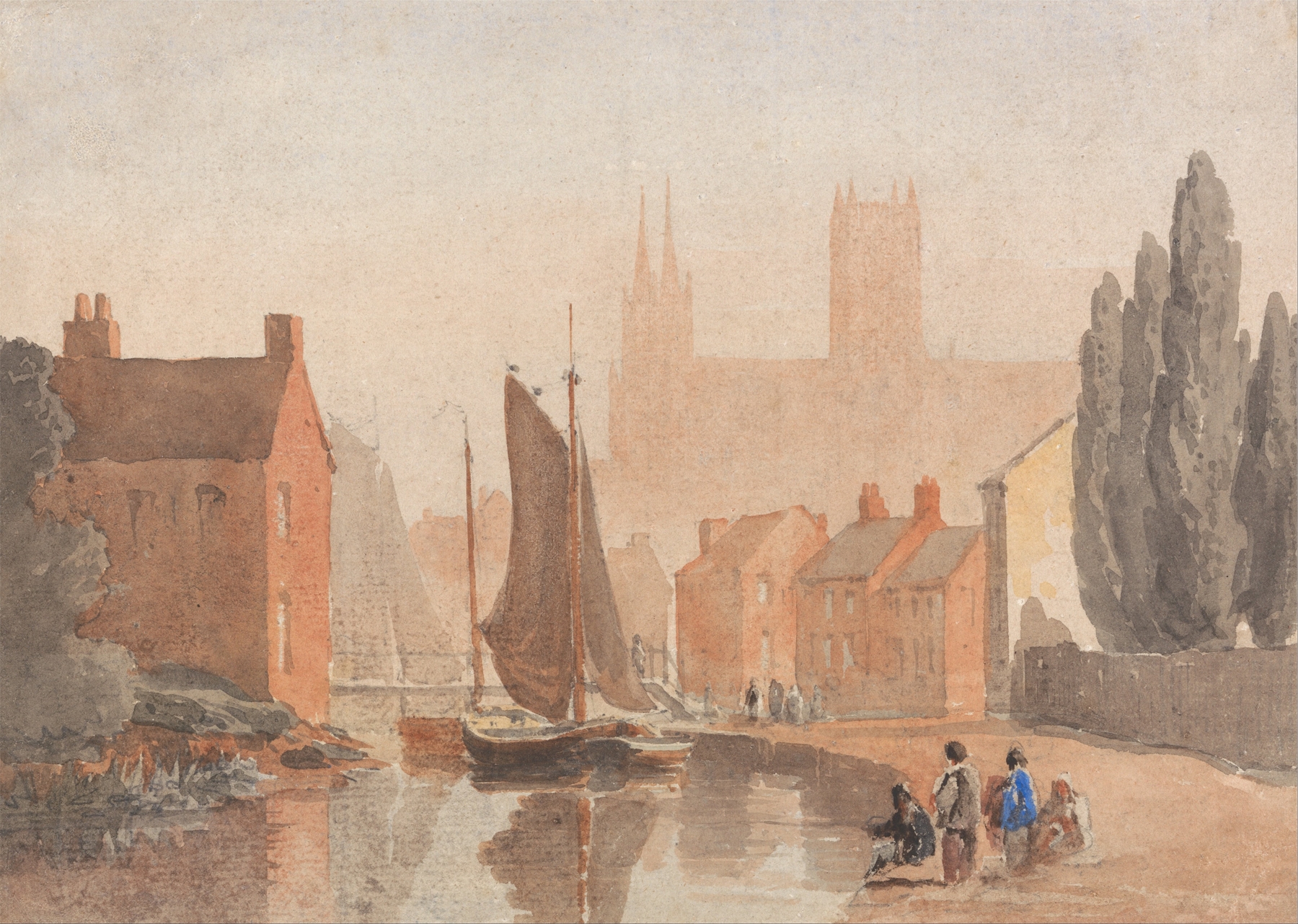
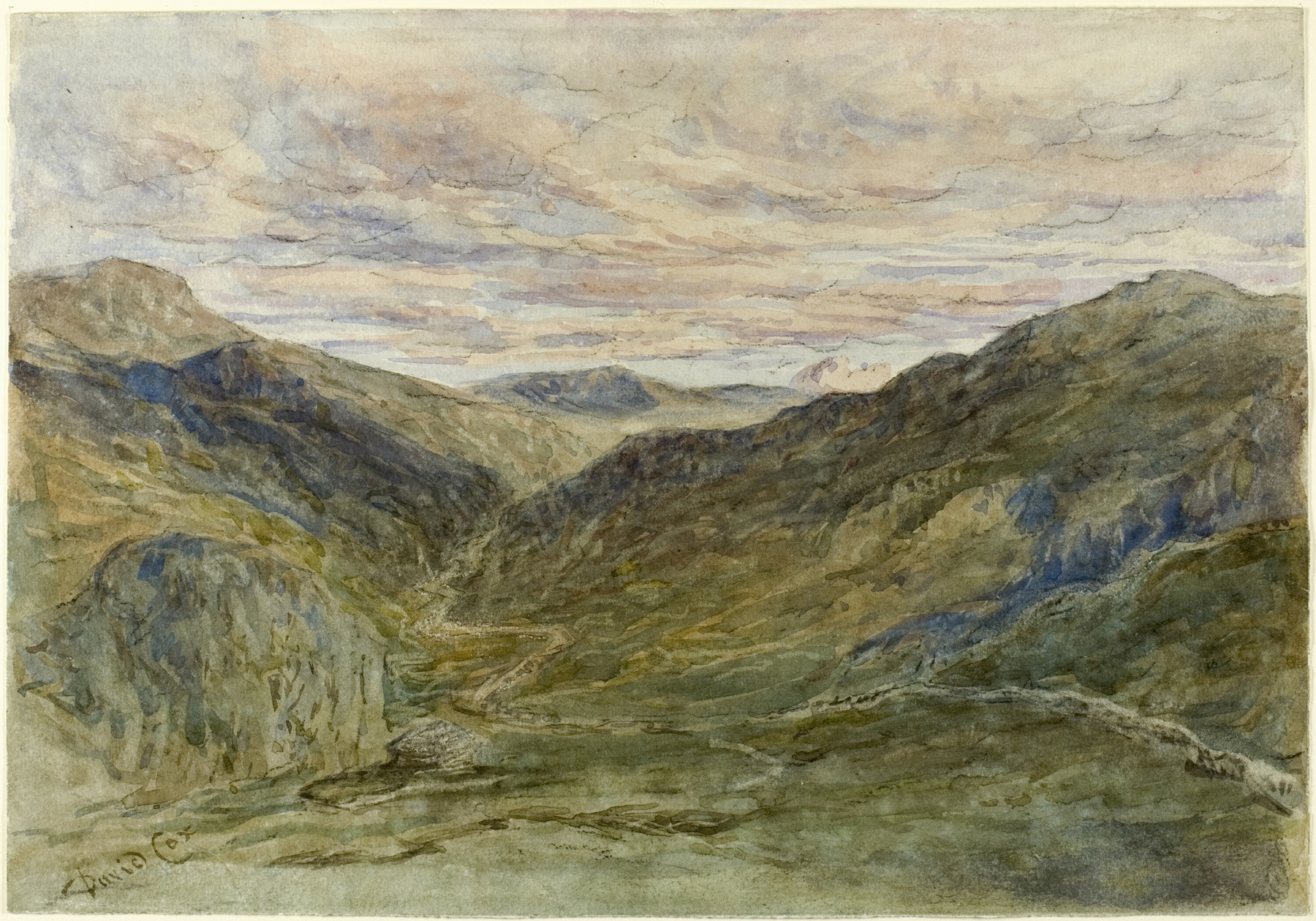
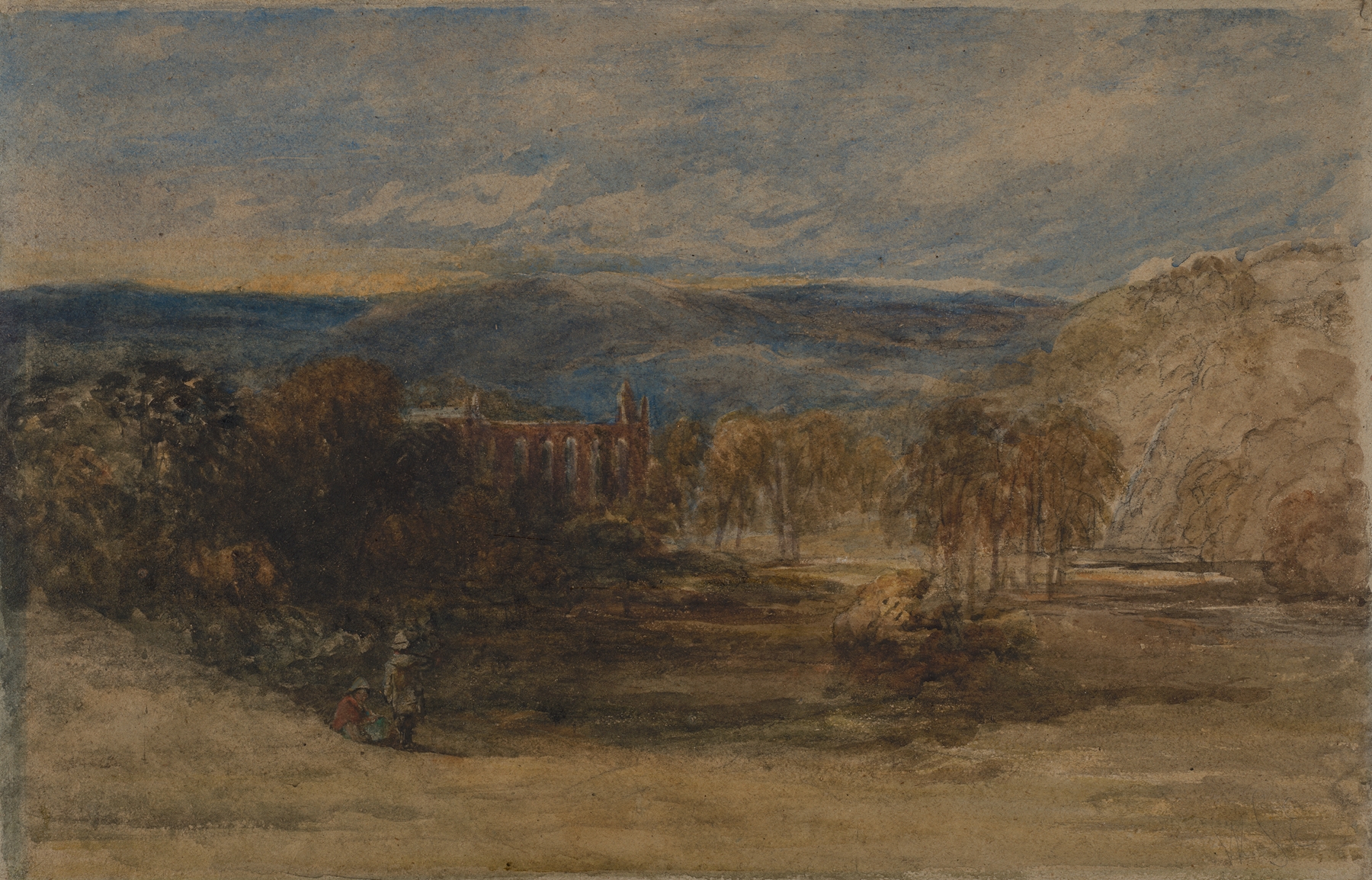
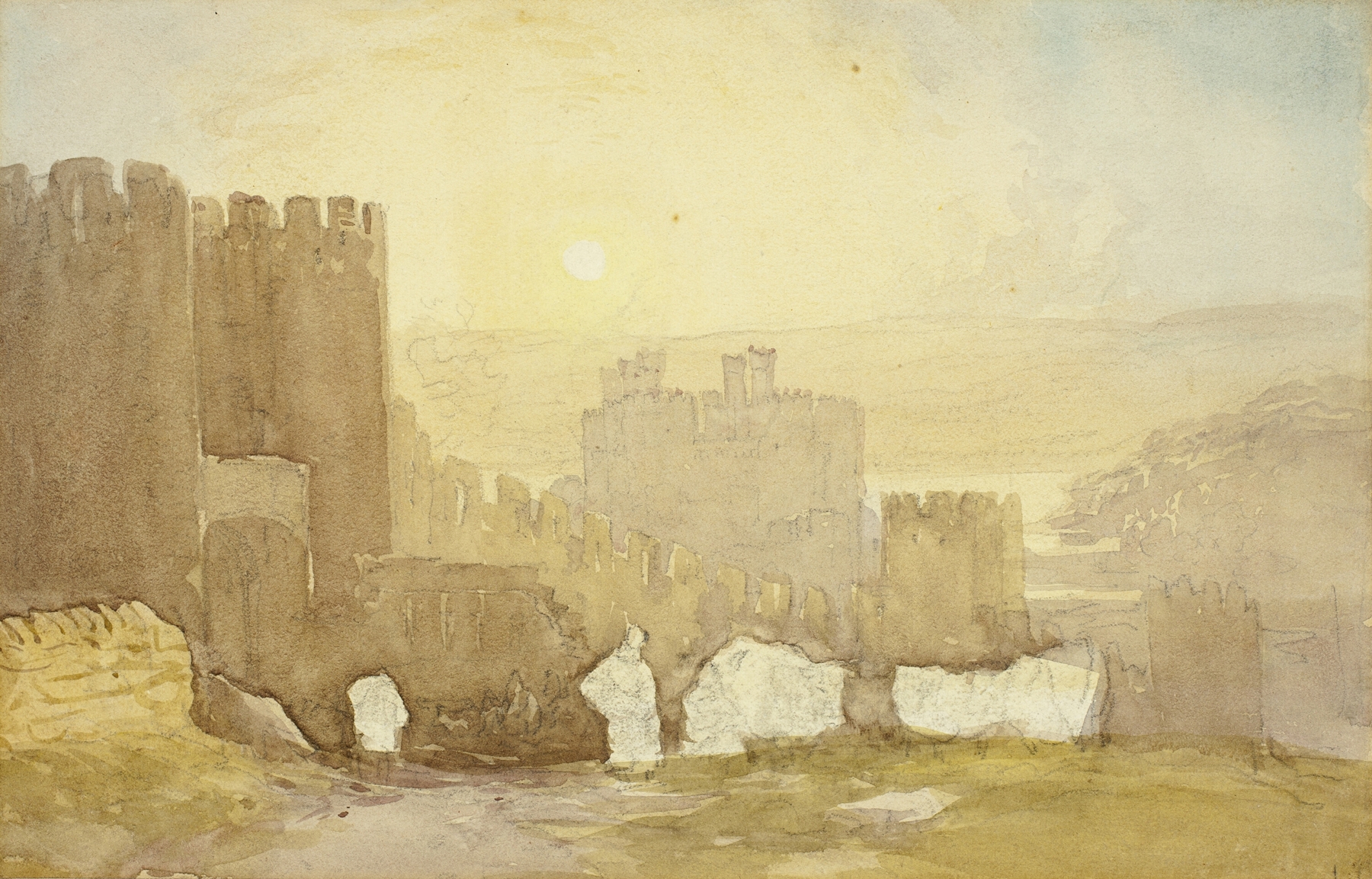
Can paint confess what words never could? In a world where silence often speaks louder than dialogue, the canvas unveils a sacred revelation through the gentle embrace of nature and architecture. Focus on the delicate interplay of light and shadow that graces the church's weathered façade. Notice how the warm earth tones of the building contrast with the lush greens surrounding it.
The artist masterfully captures the soft glow of sunlight filtering through the trees, illuminating the path that leads to the church, inviting viewers to step into a moment of contemplation and tranquility. The sky, an ethereal wash of blues and whites, rests above like a silent guardian of the sacred space below. At first glance, the tranquil scene evokes a sense of peace, yet beneath the surface lies a deeper emotional tension. The juxtaposition of the sturdy stone structure and the ephemeral natural elements hints at the fragility of human faith against the backdrop of time.
The darkened corners whisper of forgotten prayers, while the vibrant foliage breathes life into the solemnity, creating a dialogue between the eternal and the transient. During the time when this artwork was created, David Cox was deeply immersed in the picturesque movement, finding inspiration in the English landscape and the divine presence of nature. His exploration of light and atmosphere emerged in a period marked by a growing appreciation for the romantic qualities of rural life, reflecting a significant shift in artistic expression in the 19th century. The absence of a definitive date suggests a fluid approach to capturing the essence of his surroundings, allowing the painting to resonate with viewers across generations.