Heavy Snow at Tōshōgū Shrine in Ueno — History & Analysis
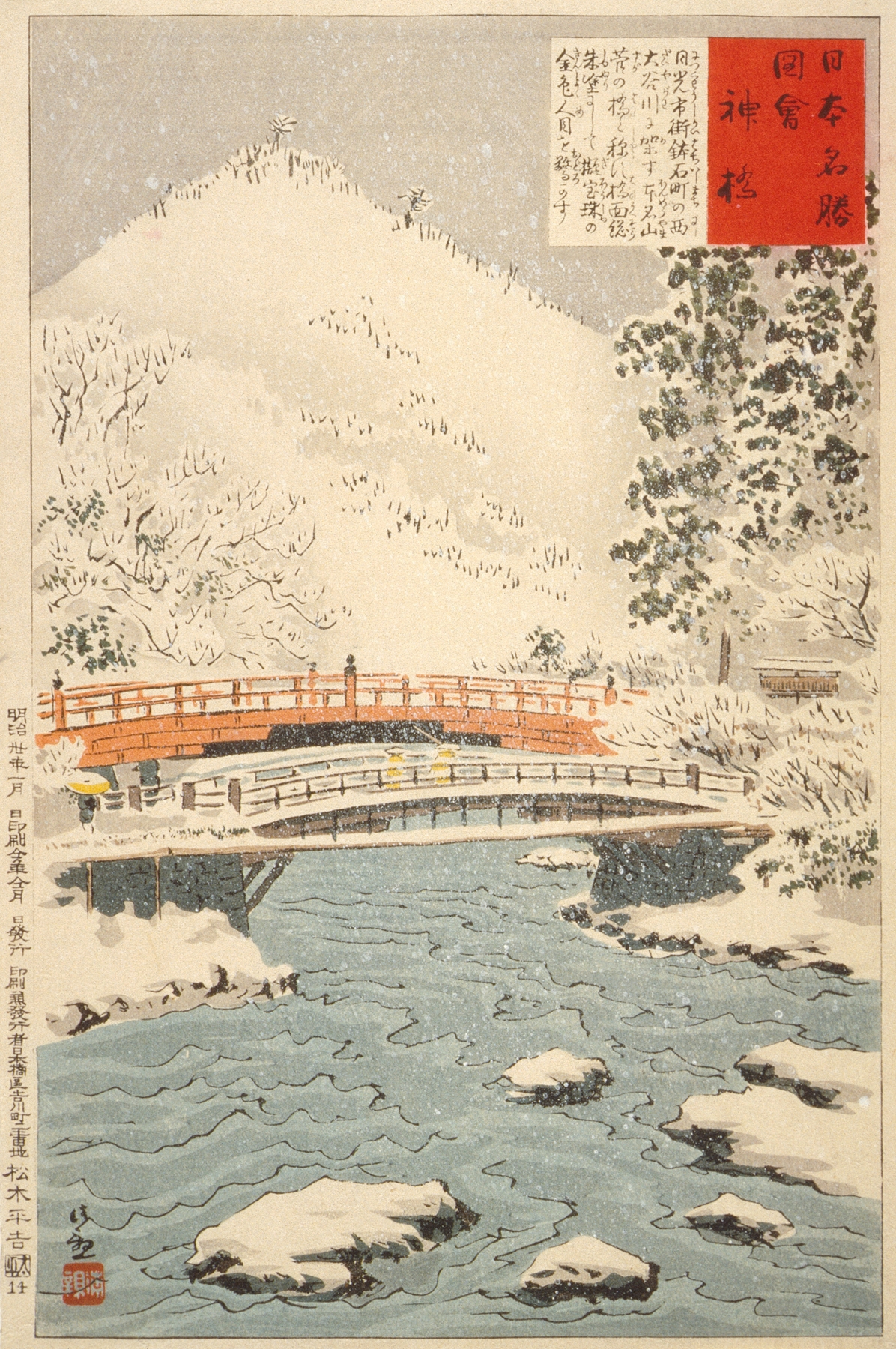
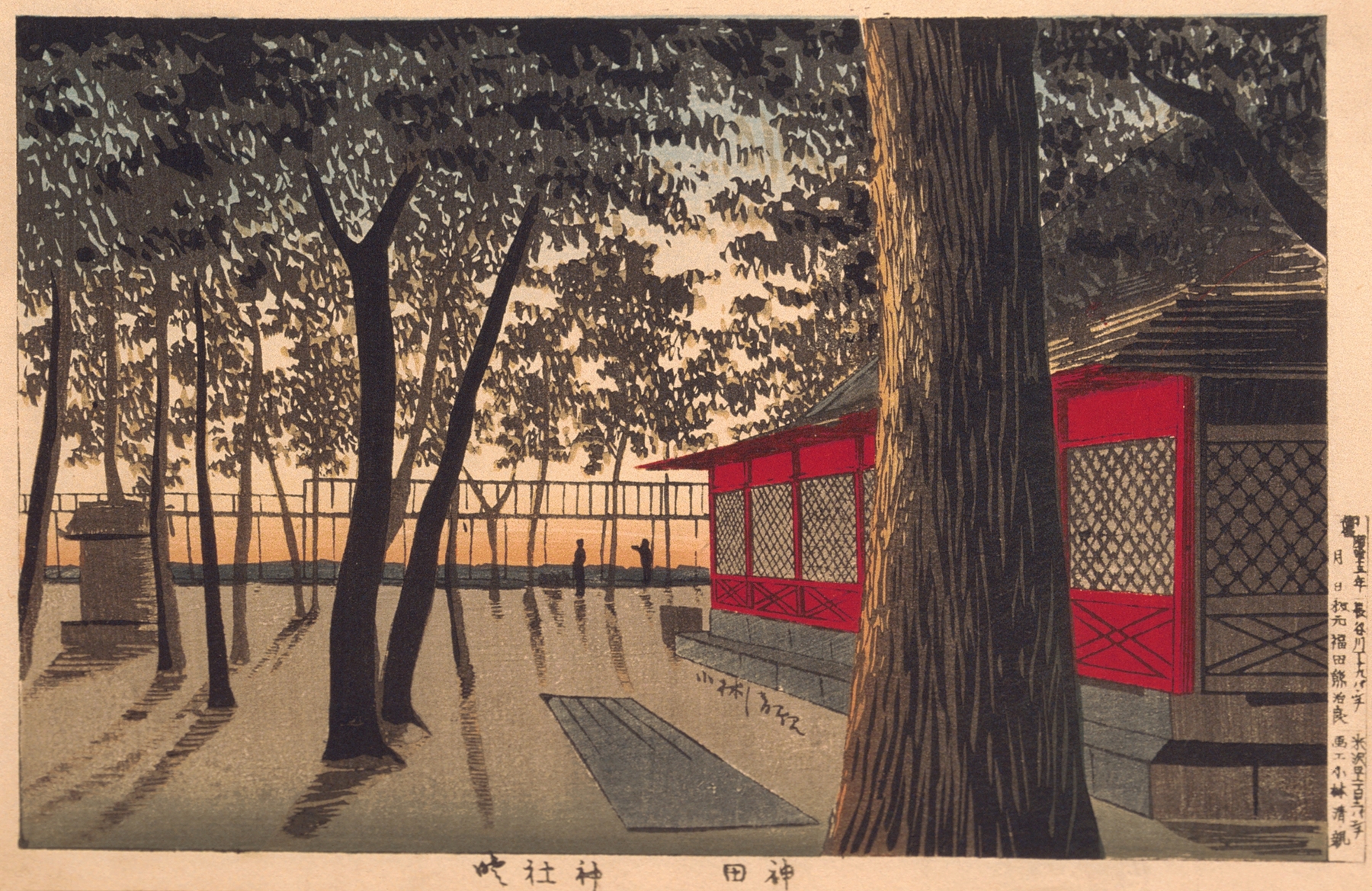
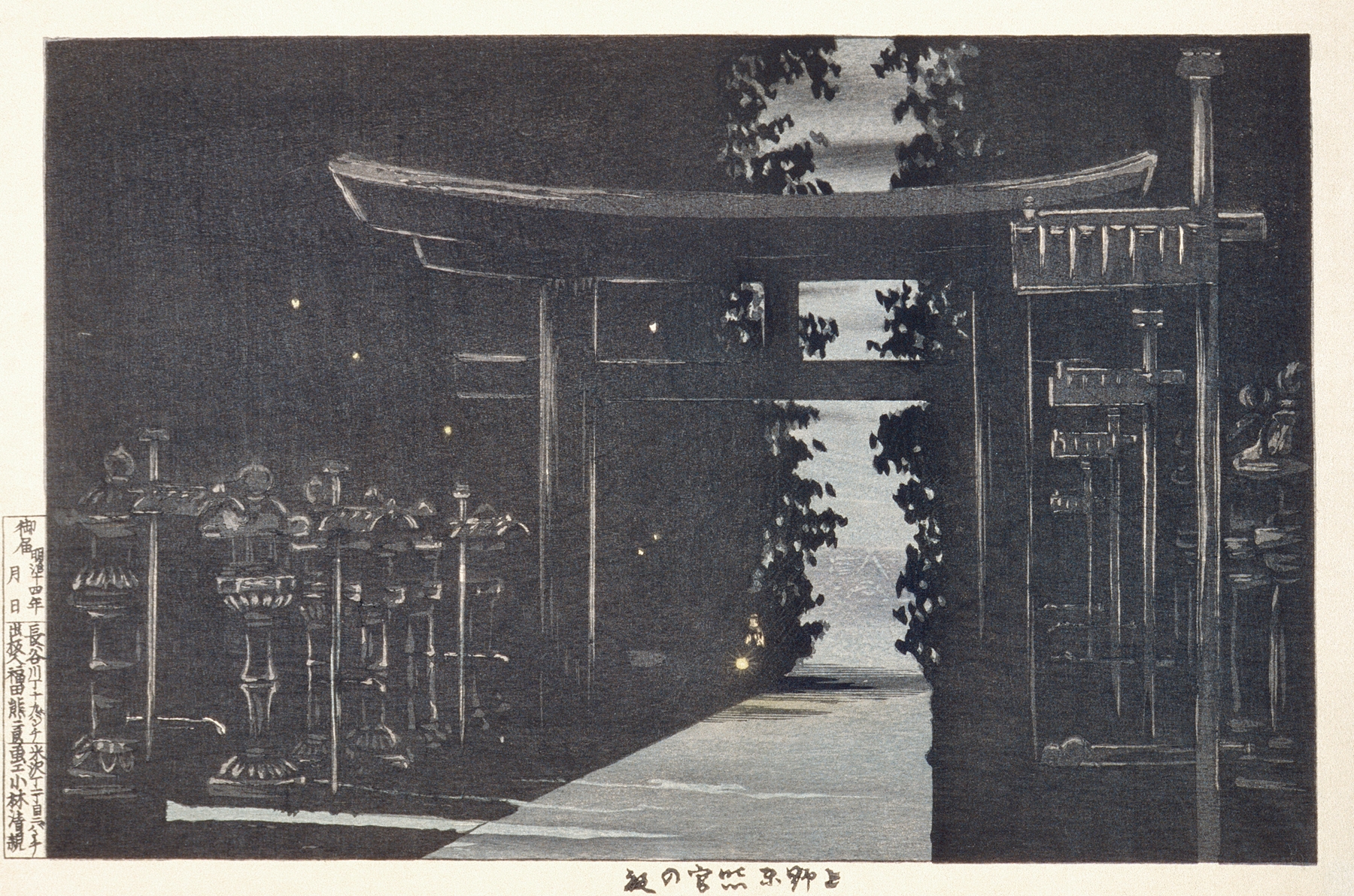
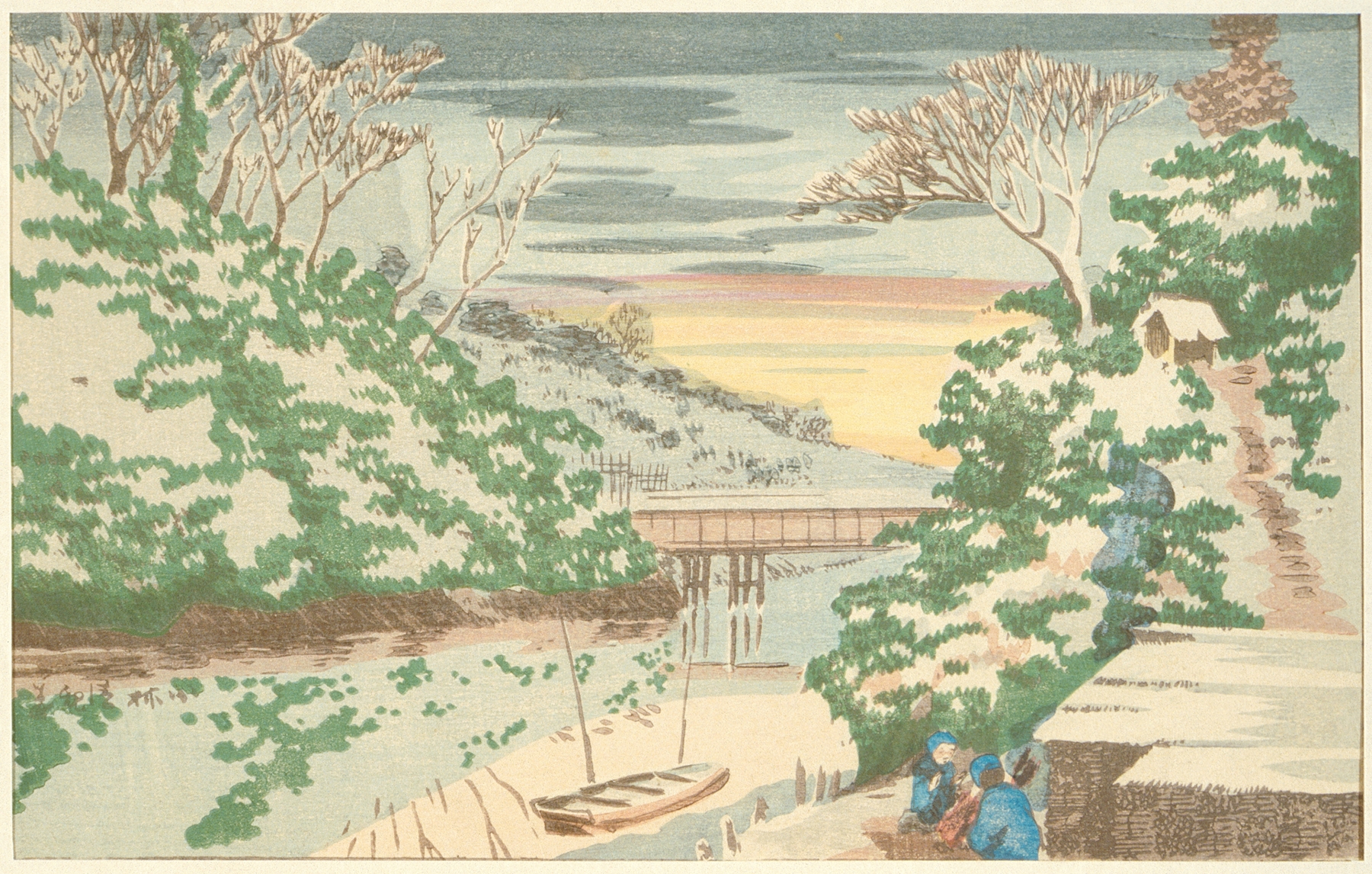
Can paint confess what words never could? In the delicate strokes of winter, beauty unfurls in silence, beckoning us into a world both serene and profound. Focus on the gentle cascade of snowflakes, where each one seems to whisper secrets as they blanket the ornate architecture of Tōshōgū Shrine. Notice the rich blues and soft whites that dominate the canvas, creating a tranquil atmosphere that invites contemplation.
The artist employs a meticulous layering technique, accentuating the intricate details of the shrine's carvings, while the muted palette captures the stillness of a heavy snowfall, urging the viewer to pause and appreciate the moment. This artwork reveals layers of meaning beneath its serene surface. The juxtaposition of the shrine’s vibrant, historical presence against the ephemeral beauty of falling snow evokes a sense of transience—everything is fleeting, yet eternally preserved in the frame. There’s an emotional tension in the harmonious blend of nature and humanity, as the shrine stands resilient against the encroaching winter, symbolizing both reverence and the inevitable passage of time.
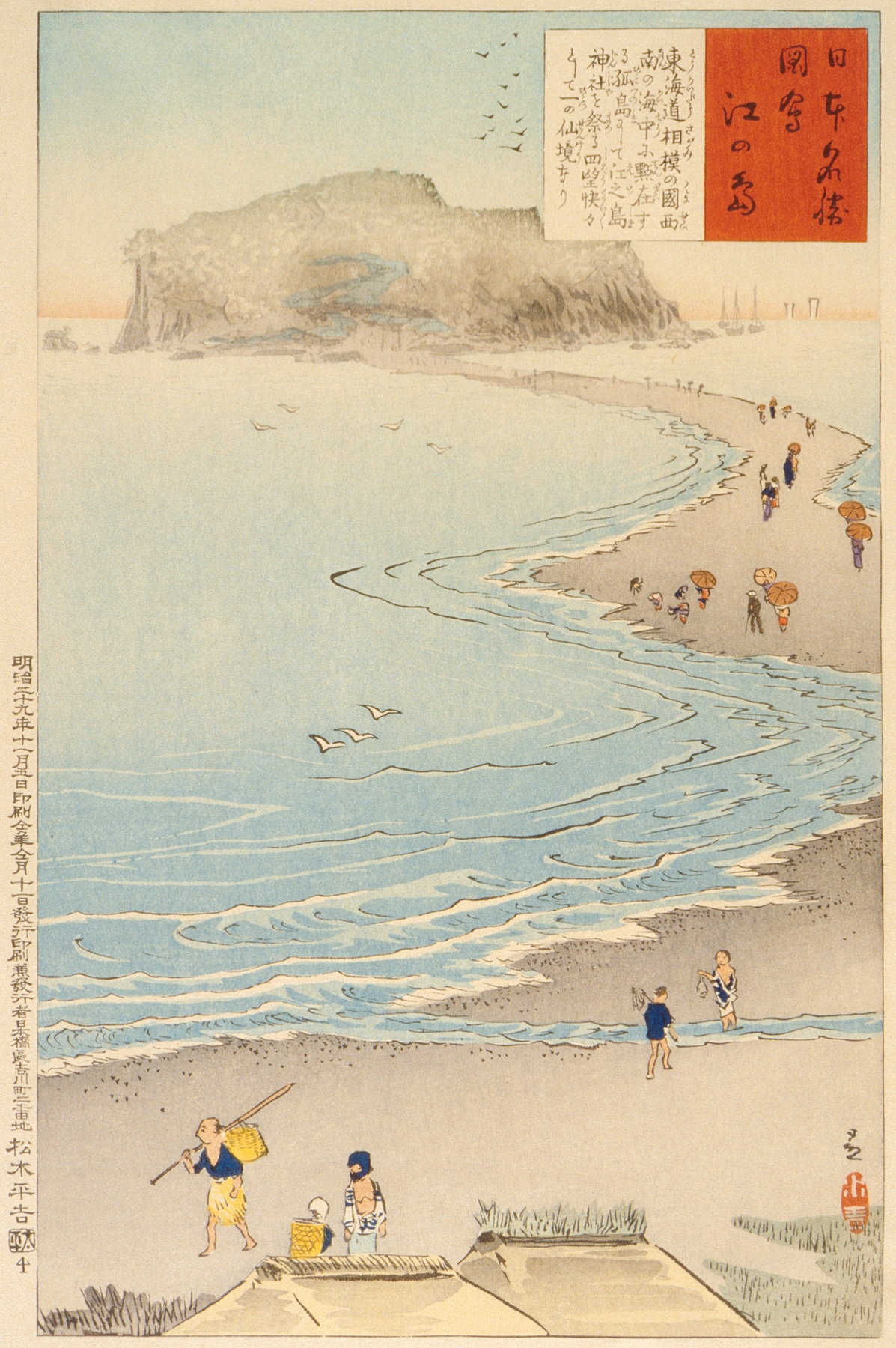
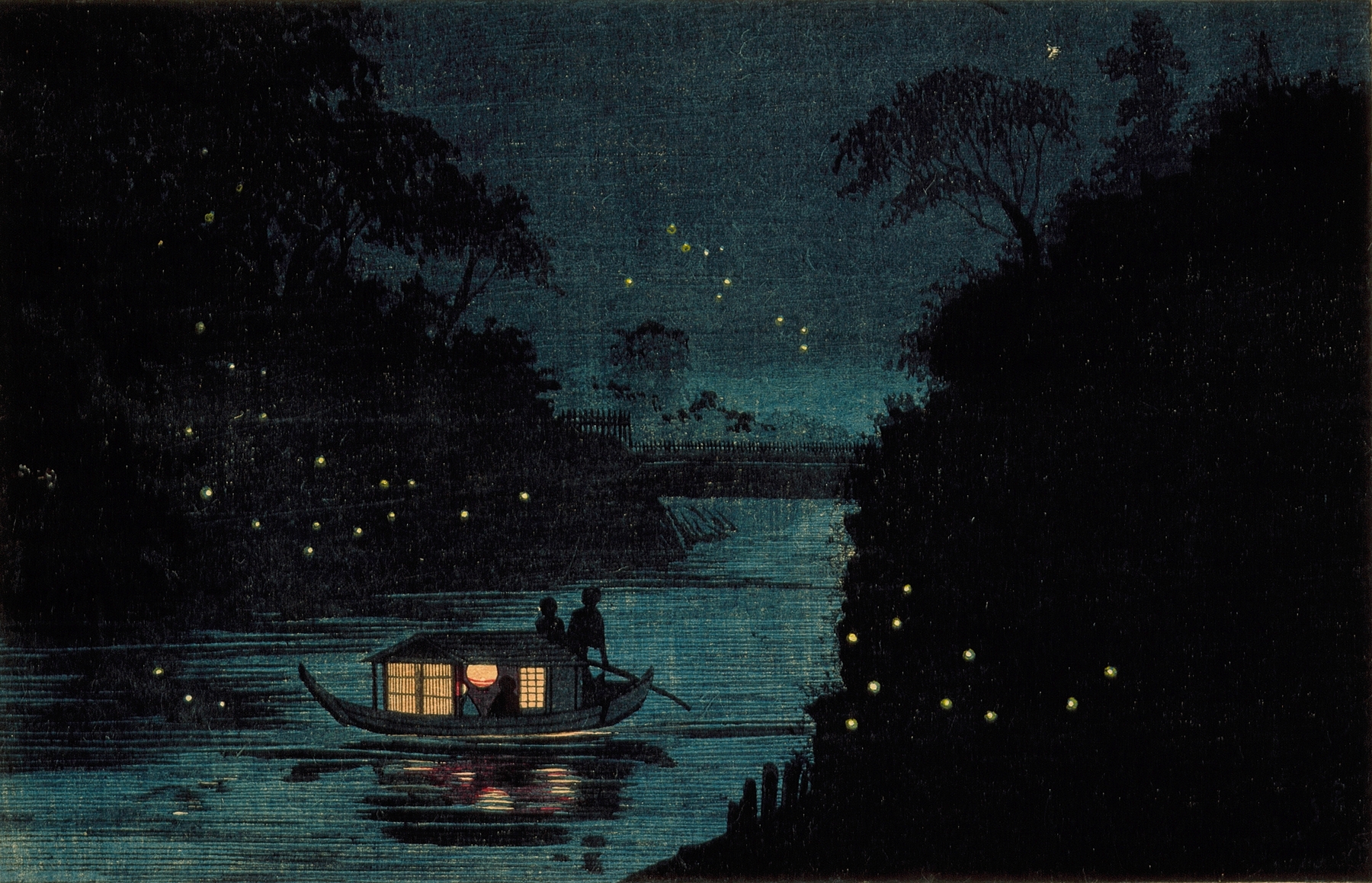
In 1879, Kobayashi Kiyochika painted this piece during a transformative era in Japanese art, where traditional aesthetics blended with Western influences. Living in Tokyo, he was immersed in the modernization of Japan, yet continued to draw inspiration from nature and historical sites. This painting reflects not only his artistic prowess but also the cultural shifts occurring around him, capturing a moment where beauty and contemplation intertwine.