Het Laatste Oordeel — History & Analysis
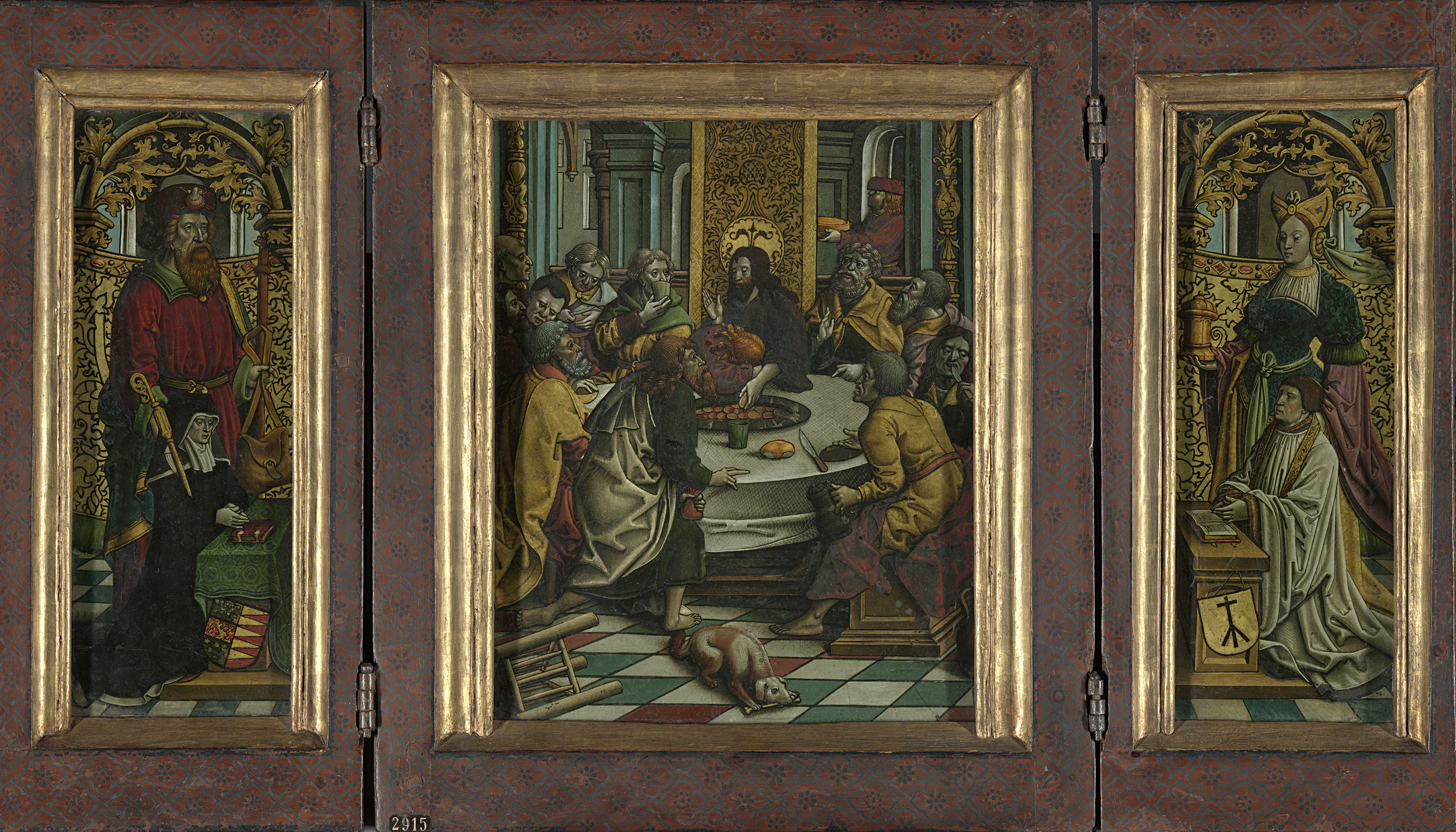
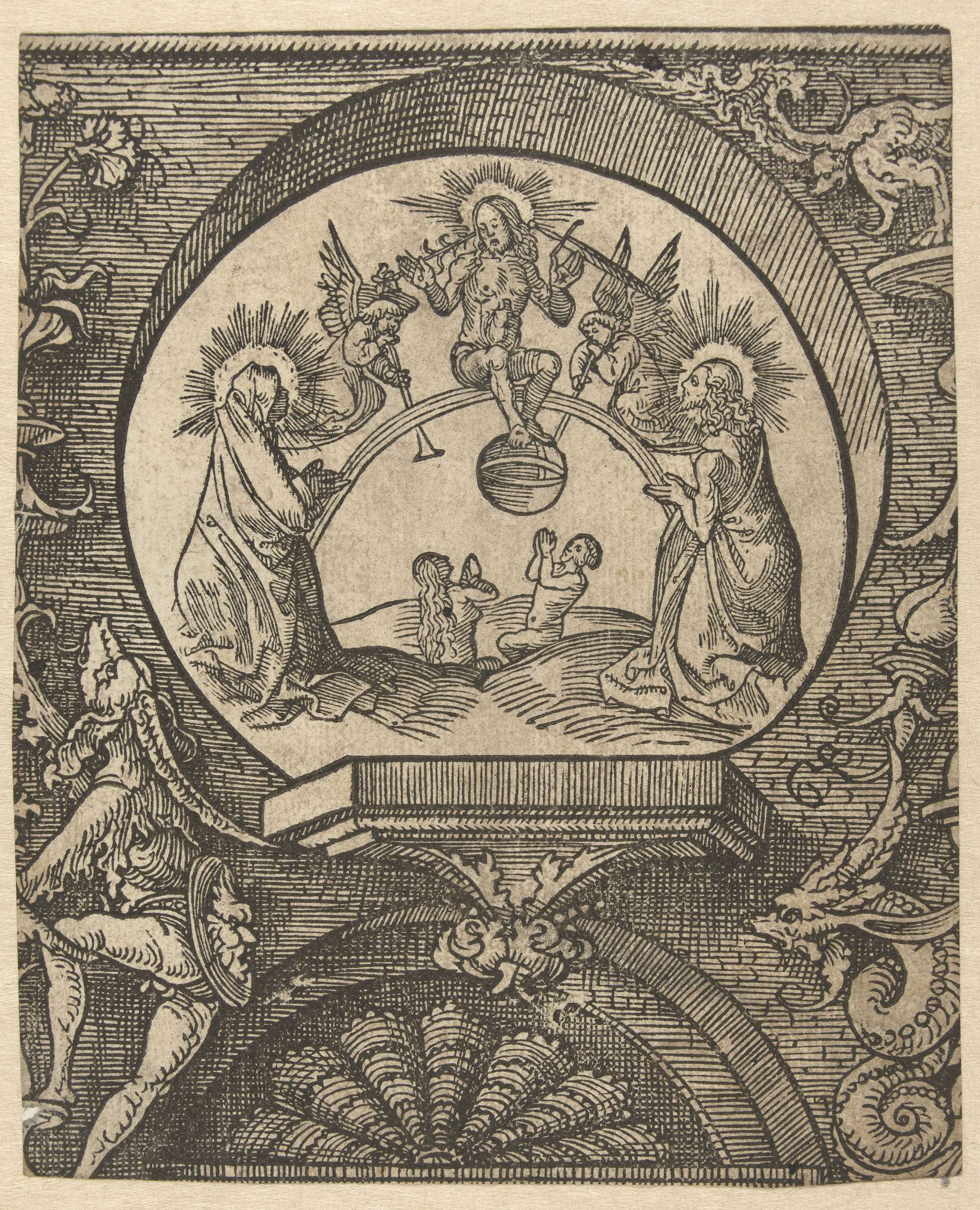
Can beauty exist without sorrow? In Het Laatste Oordeel, the weight of destiny hangs heavily in the balance, as souls are weighed against their deeds. Look to the center, where the imposing figure of Christ presides in judgment, flanked by angels and the archangel Michael, who wields a sword of divine authority. Notice how the rich, vibrant colors of the robes contrast with the somber expressions of the damned, who cling to the edges of the composition, their fates sealed.
The intricate details of their faces reveal a palette of despair, while the golden light illuminating the heavenly figures guides the viewer's eye toward hope and redemption. Delve into the emotional tension of this work. The stark juxtaposition of the serene, enlightened figures above and the anguished souls below conveys a profound message about the duality of existence. Each anguished expression seems to echo the eternal struggle between salvation and damnation, suggesting that humanity's journey is never devoid of conflict.
The careful arrangement of figures creates a visual hierarchy, reinforcing the notion of divine order amidst chaos. In 1520, during the Northern Renaissance, the artist was rooted in Amsterdam, navigating a world rife with social and religious transformation. This period saw a heightened interest in humanism and spirituality, reflected in his work, which merged traditional Christian themes with intricate, emotionally charged scenes. As art began to evolve, he played a pivotal role in bridging the medieval and modern, capturing the complexities of human experience in his depictions of the divine.