Het offer van Abraham en de koperen slang — History & Analysis
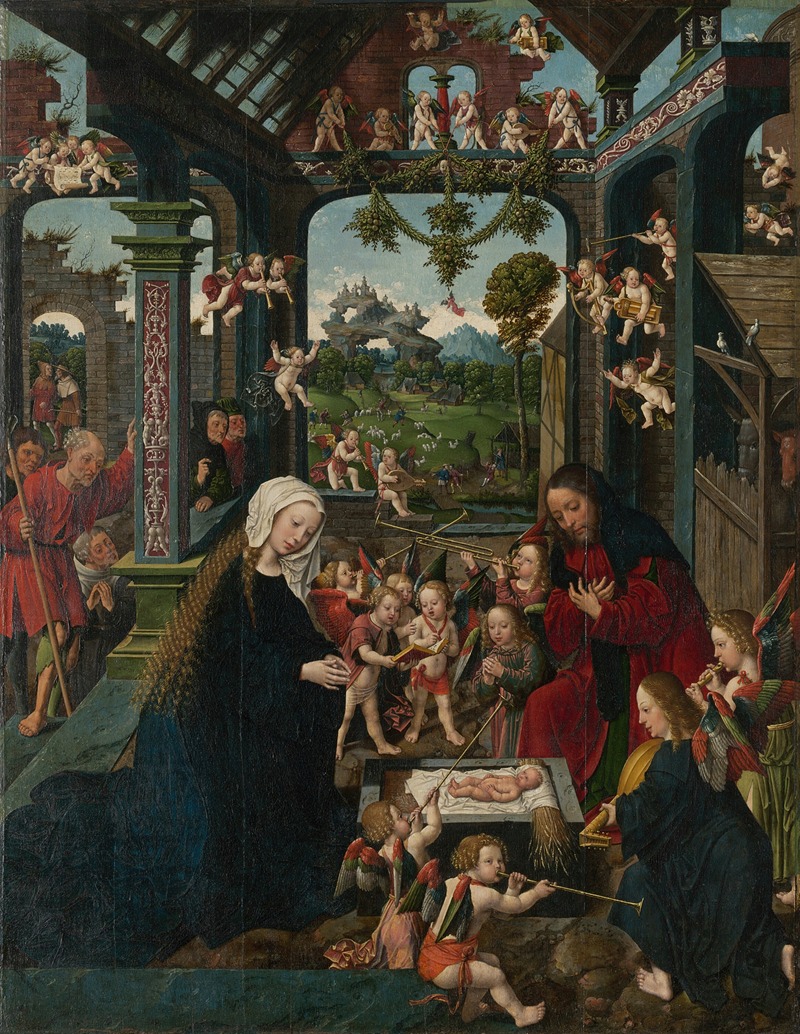
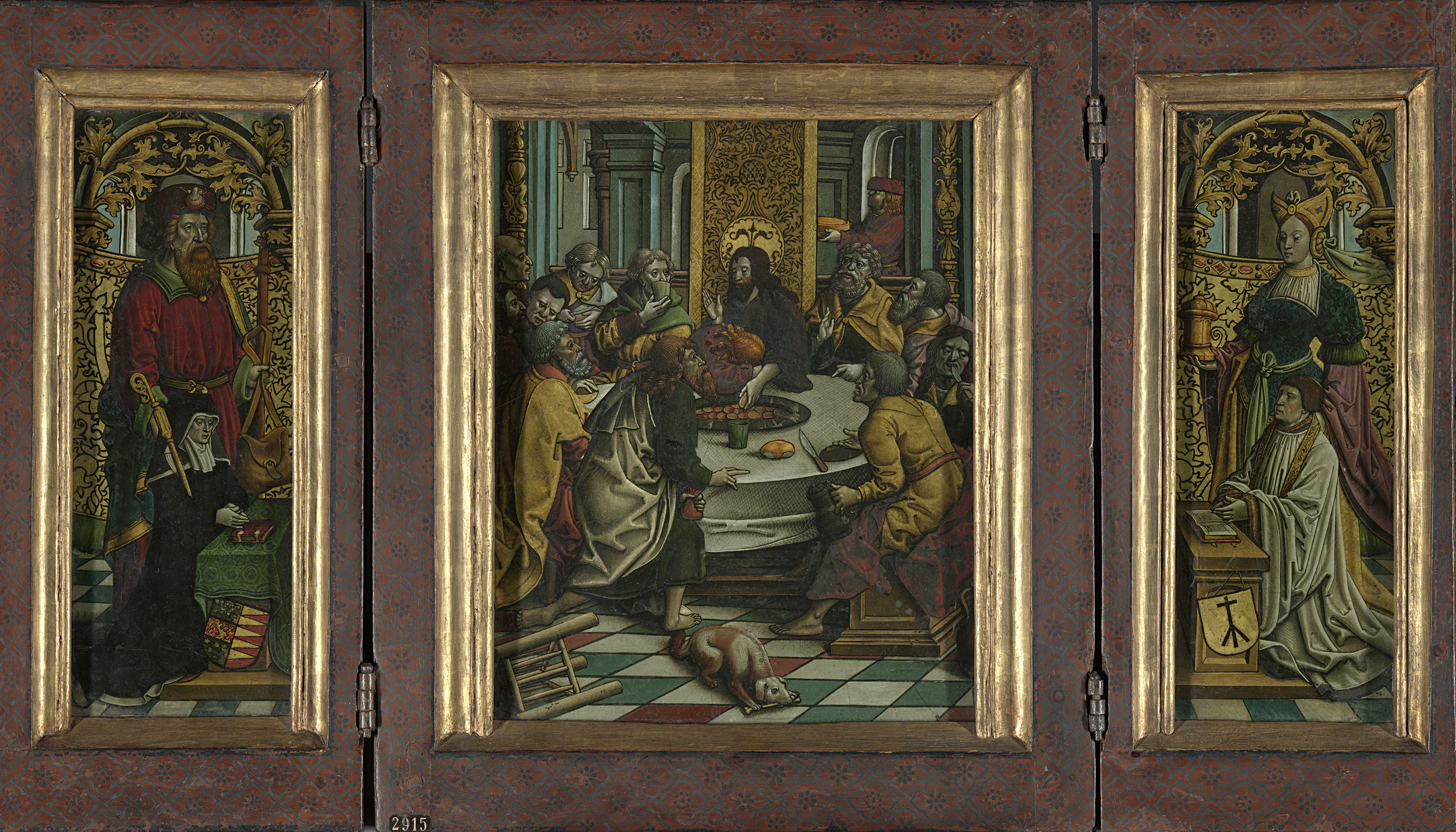
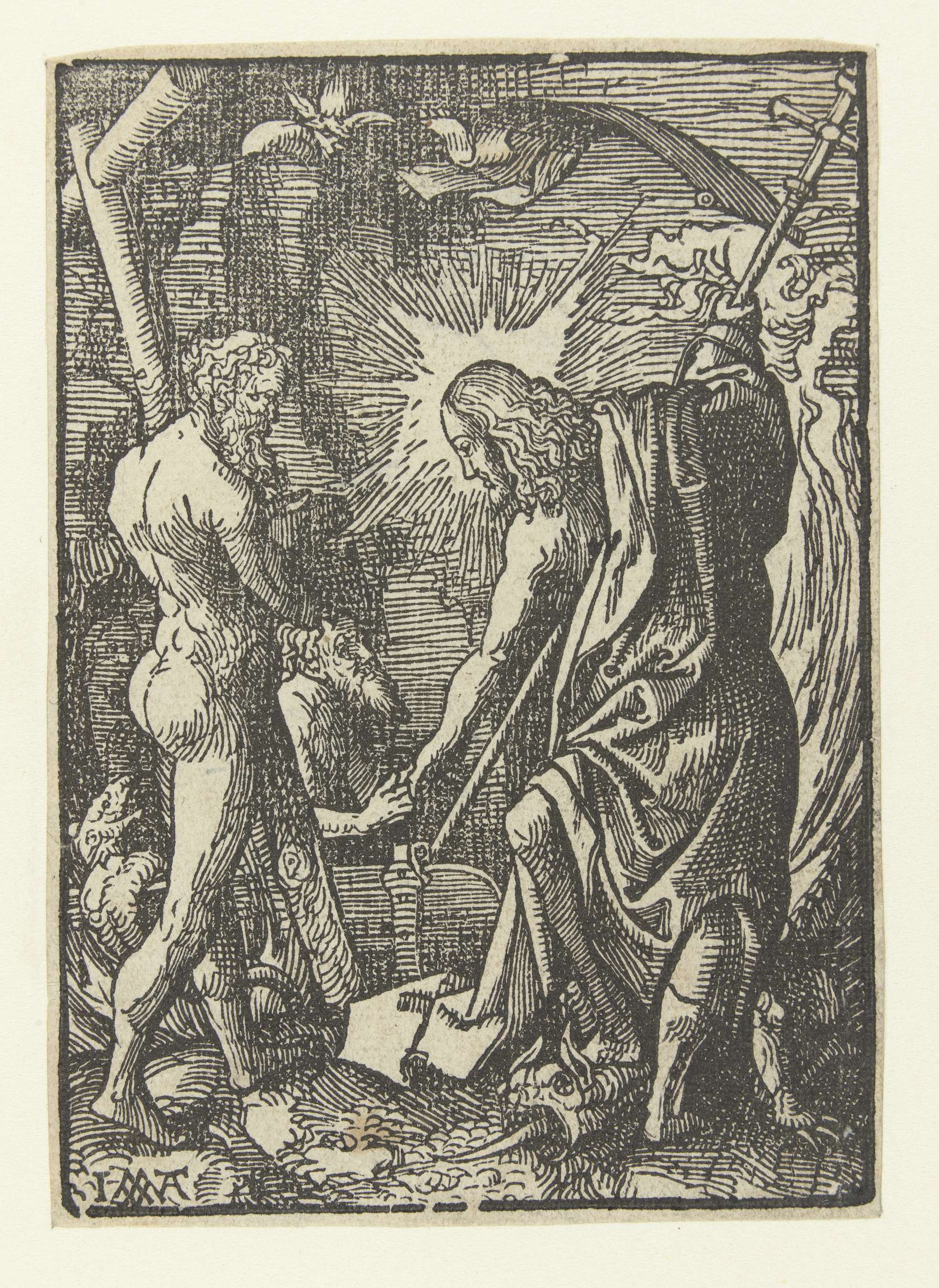
Can paint confess what words never could? In the enigmatic layers of Het offer van Abraham en de koperen slang, the artist masterfully weaves a narrative of revelation and sacrifice that echoes through time. Start by directing your gaze to the center, where the potent figure of Abraham, poised to offer his son Isaac, commands attention. The tension is palpable; notice the careful interplay of light and shadow that highlights the profound emotional struggle on his face.
Flanking this dramatic moment, the bronze serpent coils in the background—a symbol of salvation juxtaposed against impending doom. Each brushstroke reveals the meticulous attention to detail, from the intricate patterns on Abraham's garments to the soft, almost ethereal glow surrounding the figures, inviting you deeper into this sacred moment. Beneath the surface lies a rich tapestry of contrasts. The agony of sacrifice stands stark against the promise of redemption embodied by the serpent, suggesting an eternal cycle of despair and hope.
The vibrant colors, particularly the deep reds and golds, evoke a sense of urgency and divine presence, while the fluidity in the figures' movements hints at the spiritual turmoil that mirrors humanity's own struggles. This duality creates a space for introspection, as viewers are prompted to reflect on their own journeys through faith and doubt. Jacob Cornelisz van Oostsanen created this work between 1517 and 1533 during a time of significant religious upheaval in Europe, as the Reformation was beginning to reshape the landscape of art and belief. Working in Amsterdam, he sought to merge traditional Catholic themes with emerging humanist ideals, making this painting a testament to a world in transition—both artistically and spiritually.